
Spirited debates and discussions intersect as scholars and students from five countries gather in Malta to (re-)visit the Mediterranean through literature, culture, and community at the REMED Spring School and the Department of English Postgraduate Symposium.
The sound of footsteps echoes across the limestone courtyards of the University of Malta Valletta Campus. Meanwhile, the chatter of expectant participants carrying laptops, notebooks, and inquisitive looks fills the main hall as they gather for the launch of the REMED Spring School. Over the subsequent two weeks, a series of intellectual exchanges, creative sparks, and caffeinated camaraderie will create a sense of international community that will shine brighter than ever.
It is the last week of May, and while Malta’s capital city slowly welcomes the approach of summer, the rooms within the Valletta Campus teem with focused intensity. Students and academics from across five countries – Malta, Italy, Cyprus, Tunisia, and Ireland – have come together as part of the Erasmus+ funded project (Re-)Visiting the Mediterranean (REMED): Literature, Culture, Environment. At the heart of it all are Prof. Stella Borg Barthet and Dr Marija Grech from the UM’s Department of English, which is at the helm of the project, hosting this first edition of the Spring School, together with the department’s yearly Postgraduate Symposium.
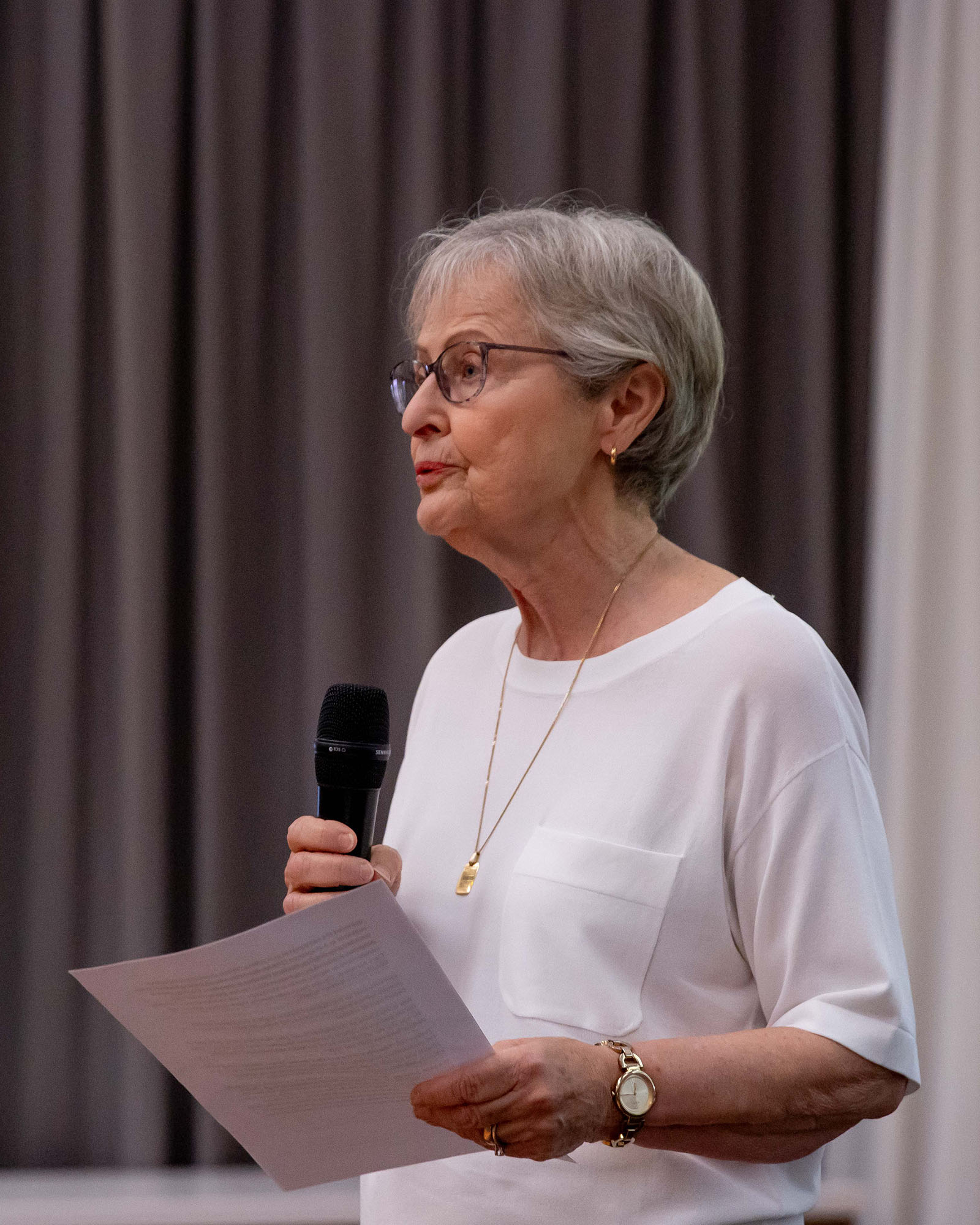
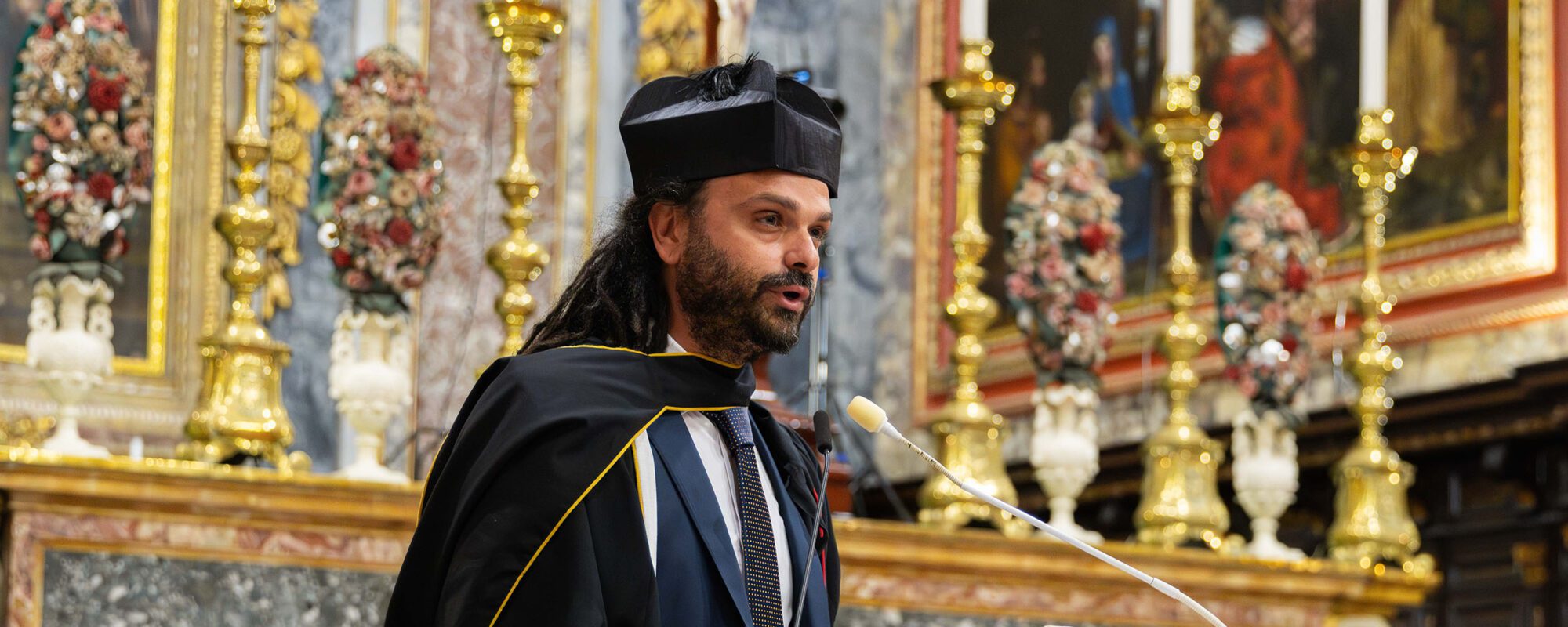
REMED coordinator Prof. Stella Borg Barthet (Department of English)
(Photo courtesy of James Moffett)
REMED seeks to reimagine the Mediterranean not simply as a geographical entity but as a contested and generative space of cultural, historical, and ecological discussions. It asks how literature and criticism might help us think differently about migration, identity, climate, and community. The project is a collaborative effort among five universities: the University of Malta, National University of Ireland Maynooth, Università degli Studi di Firenze, University of Cyprus, and Carthage University, funded under the Erasmus+ Cooperation Partnerships in Higher Education (KA220-HED).
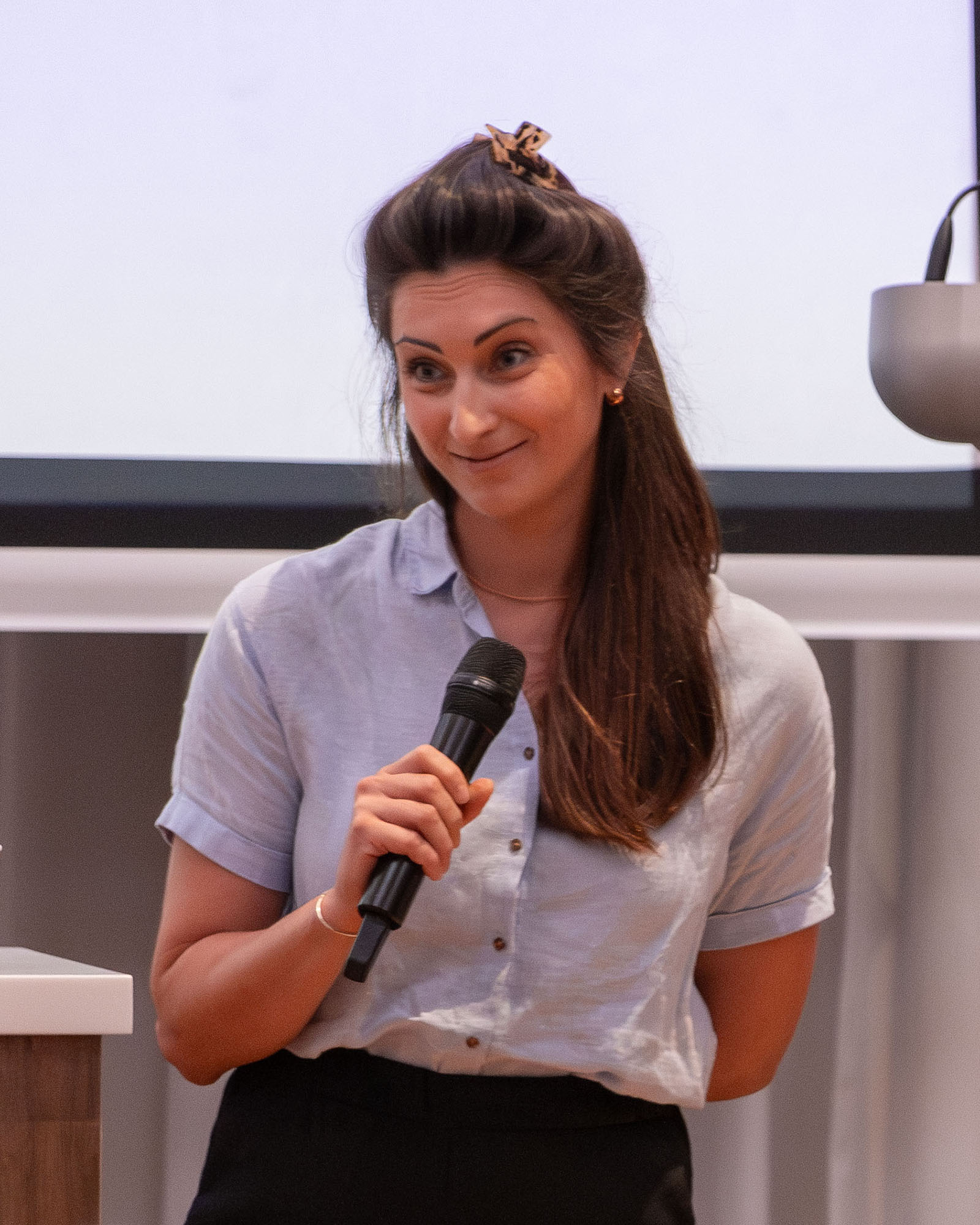
REMED coordinator Dr Marija Grech (Department of English)
(Photo courtesy of James Moffett)
A Space for Ideas
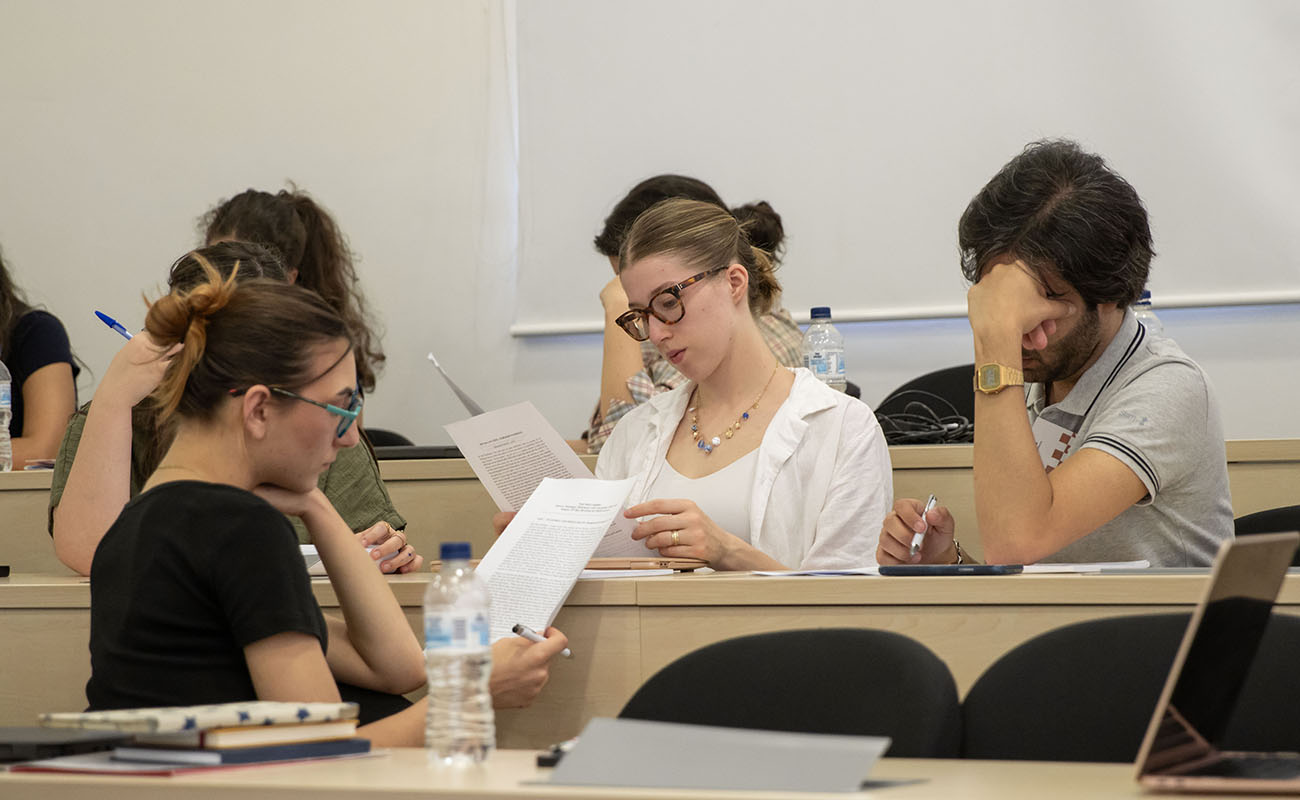
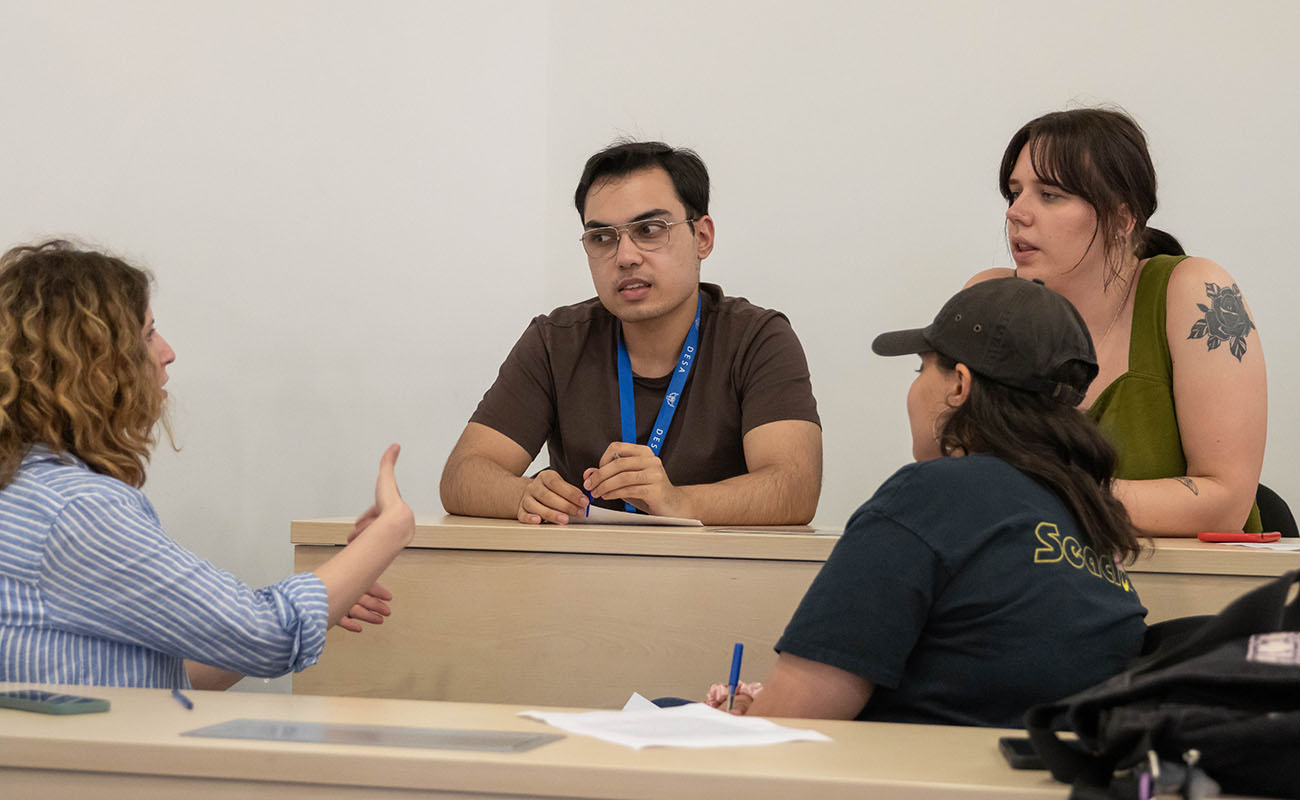
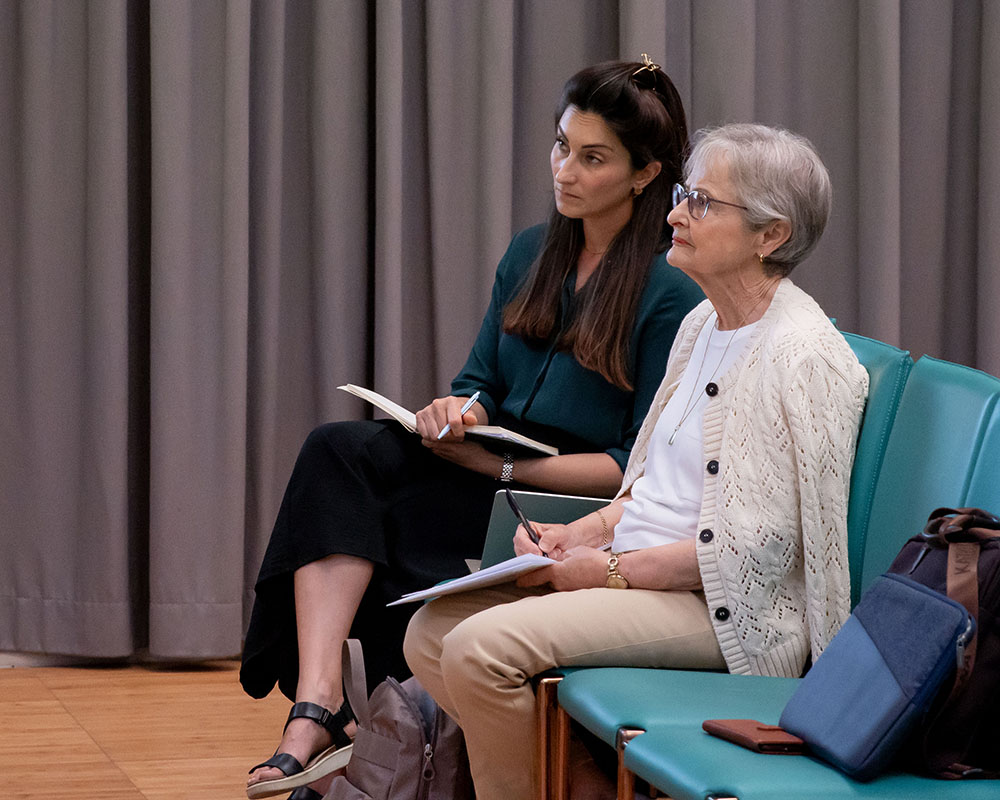
Each day of the REMED Spring School began with lively greetings, friendly conversations among participants, and copious scrutiny of the schedule, as every morning promised a rich and invigorating series of proceedings. Seminar discussions, practical activities, and workshops in an informal setting created a space in which human interaction became the core goal of the project – fulfilling the Spring School’s aim to bring together student communities to collaborate and generate knowledge through the sharing of experiences and education. Postgraduate students and academics discussed not only postcolonial theory or Romantic poetry, but also the nuances of growing up on different Mediterranean shores, the realities of crossing borders – physical, linguistic, disciplinary – and the responsibilities of scholarship in times of crisis. Every conversation was an exchange of context, curiosity, and care.
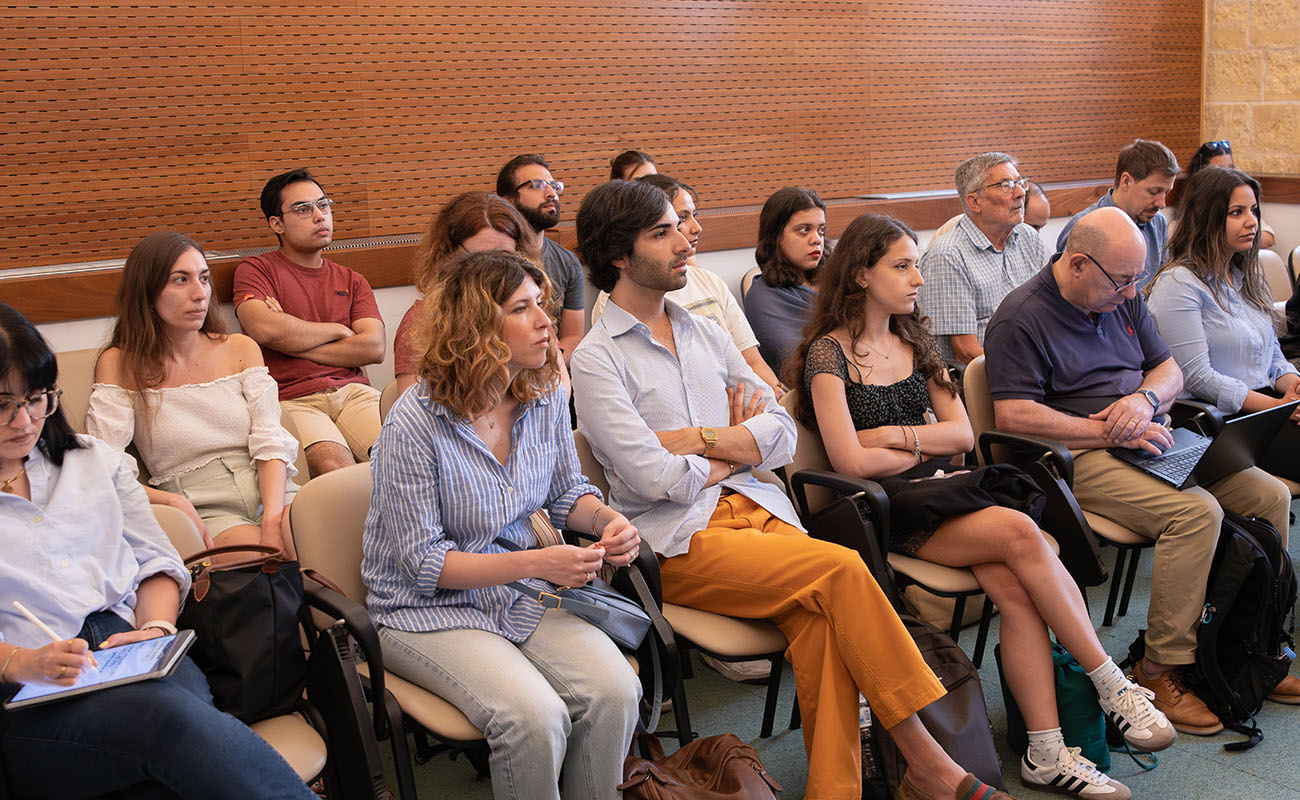
Central to this was a shared acknowledgement of difference – not just national or cultural, but intellectual and personal. The academic programme itself reflected this ethos. Lectures ranged widely, delving into the symbolic, historical, and imaginative geographies of the Mediterranean. Lecture topics included: personal reflections on memory and the Mediterranean; analyses of Mediterranean hybridity from the perspective of the Blue Humanities; discussions of antiquity; the Mediterranean and queer imagination in the eighteenth century; Elizabethan, Romantic, and Victorian representations of the Mediterranean; and compelling analyses of colonial alienation, displacement, migration, and continuing violence in the Eastern Mediterranean. Others examined poetic and environmental imaginaries, such as H.D.’s thalassopoetics and its imagining of the sea and vegetal marine worlds, while the Mediterranean in literary theory and contemporary fiction was also put into focus. The literary canon became a lens not only for critique but also for participation, as attendees counter-argued and suggested alternative viewpoints on the issues raised, in an overall sense of shared collegiality.
However, REMED was not only about academic output. A full-day cultural excursion for visiting students and a film screening session took place during these two weeks, while a creative writing workshop provided participants with space to process and produce, transforming their thoughts into text. Ideas and concepts generated in the lecture rooms served as a reminder that literature is not only a way of thinking, but also a way of feeling.
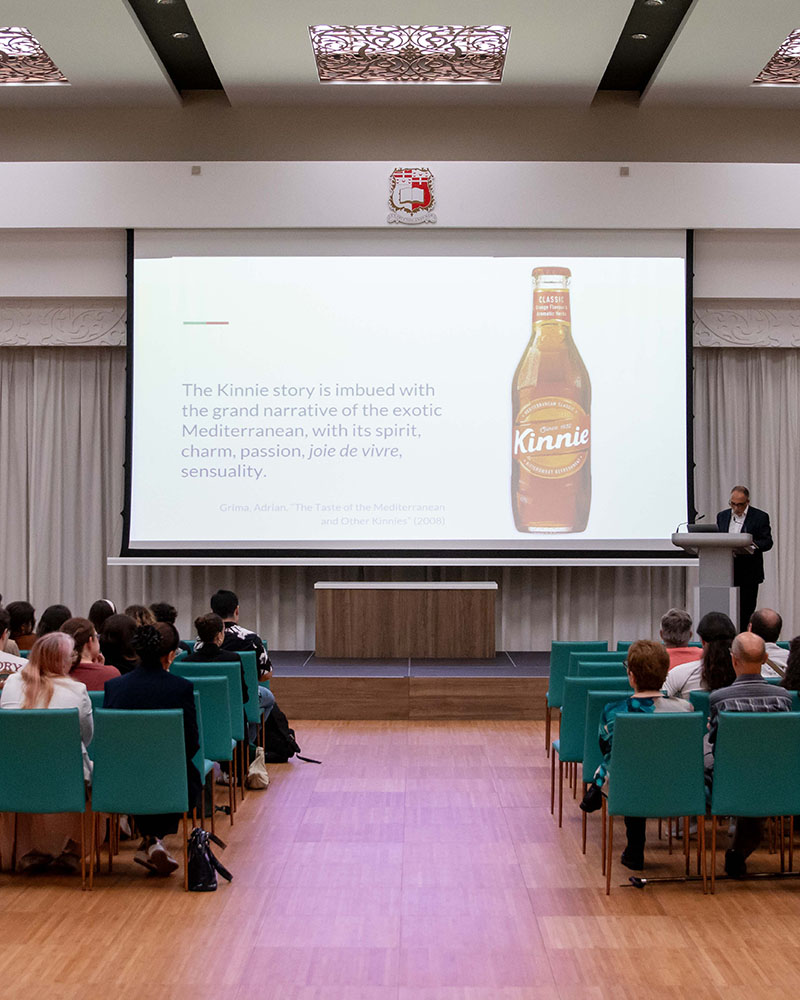
One of the main highlights of the Spring School involved a public lecture by Prof. Adrian Grima from UM’s Department of Maltese. ‘Towards the Sun and other Mediterranean Classics’ began with an unlikely point of departure: Kinnie, Malta’s iconic bittersweet soft drink. Marketed as ‘The Mediterranean Classic’, Kinnie became a metaphor for the commodification and flattening of Mediterranean identity. Drawing on the Dictionnaire de la Méditerranée, Grima distinguished between clichéd representations in media and a more nuanced ‘imaginary world’ of the Mediterranean built through literature. He concluded with a reflection on Ġużè Bonnici’s Lejn ix-Xemx – a 1940 historical novel proposing a Mediterraneanist alternative to the nationalist narrative.
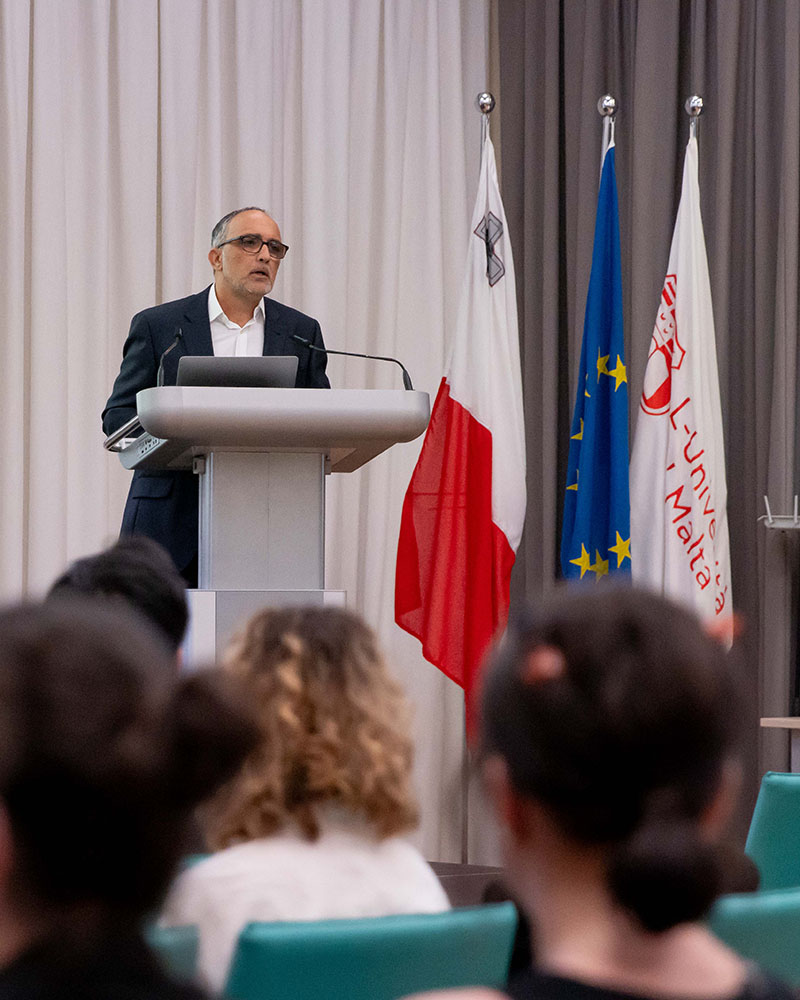
(Photos courtesy of James Moffett)
The Future of Communities
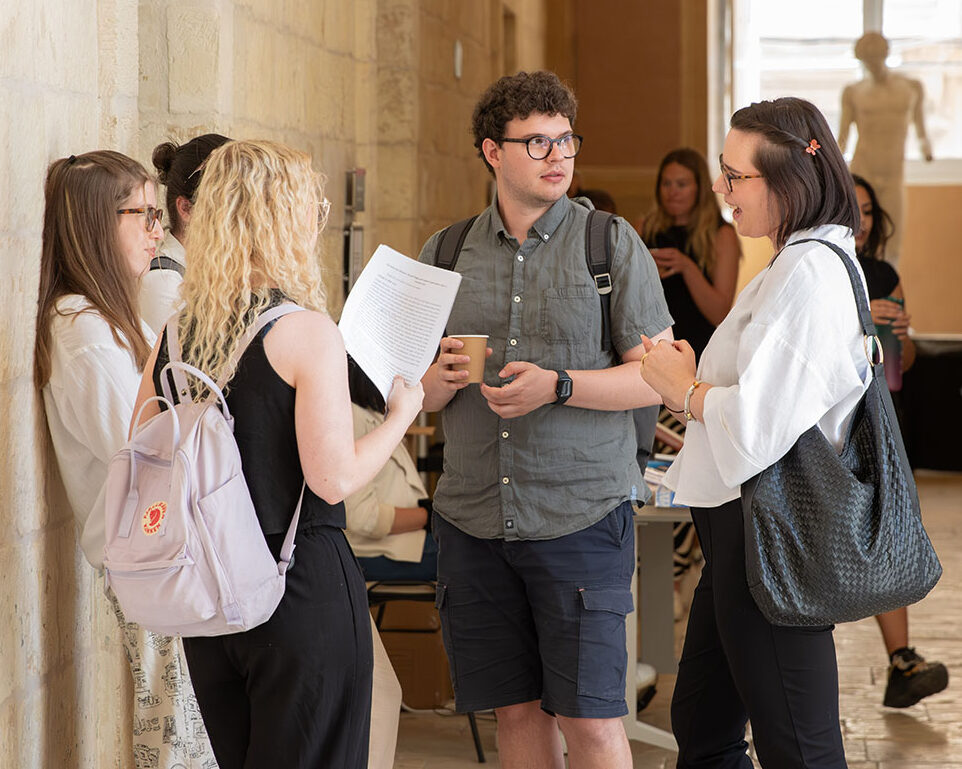
Beyond lectures, some of the most enriching conversations during the Spring School happened in corridors, coffee breaks, and during meandering walks through Valletta’s honey-coloured alleys. A sense of openness permeated the group – people were generous with their time, their ideas, and their listening. The cohort of students and lecturers soon gelled into a community – a fitting response, given the two-day Postgraduate Symposium that followed the Spring School, and which was centred on the theme of ‘Communities’.
The Symposium, hosted annually by the UM’s Department of English, is noted for its united and stimulating environment – and this year was no exception. Panels throughout the two days tackled a diverse spectrum of themes, ranging from digital connectivity to postcolonial identities, from marginal and hybrid communities to the constructed and emergent. These sessions offered space to explore how literature engages with community-building and fragmentation across cultural, environmental, and technological contexts. Despite the range of topics, a consistent thread emerged: a commitment to rethinking what it means to belong, to share, and to imagine otherwise.
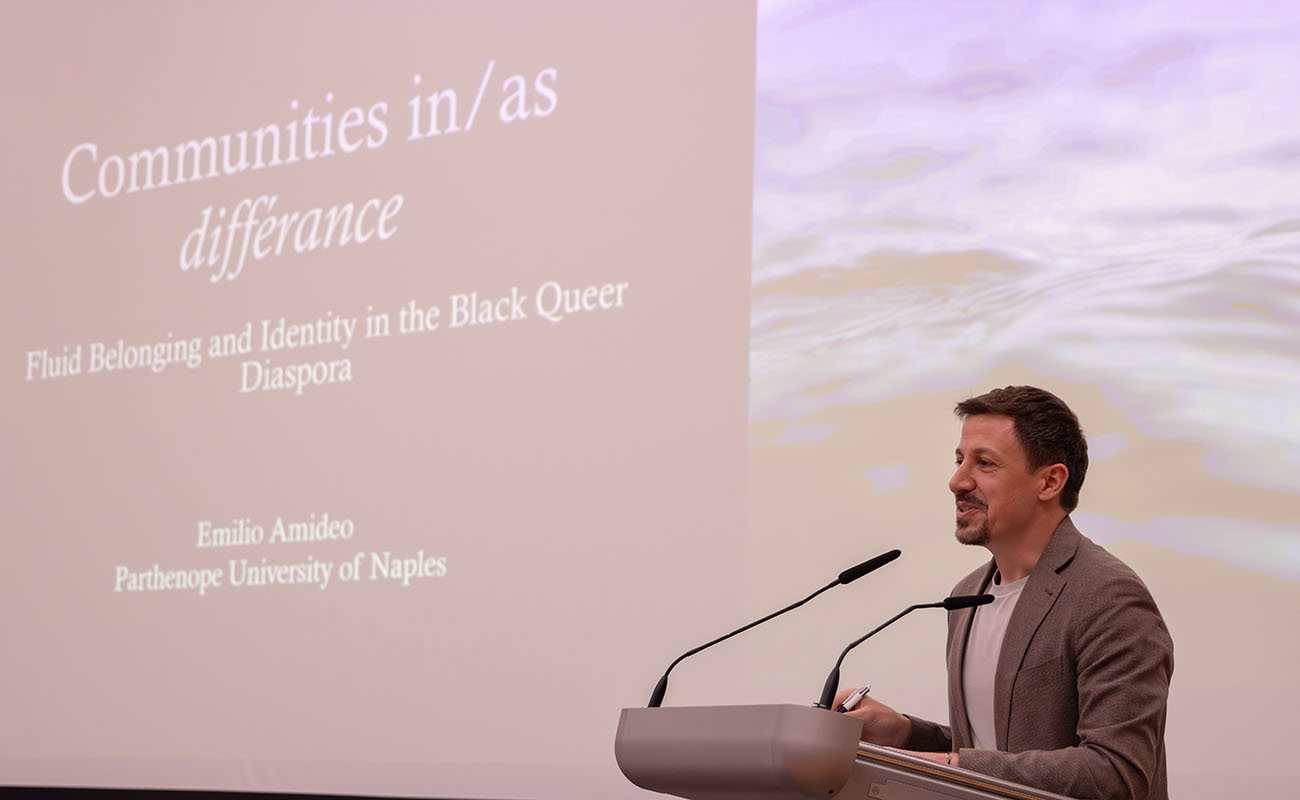
(Photo courtesy of James Moffett)
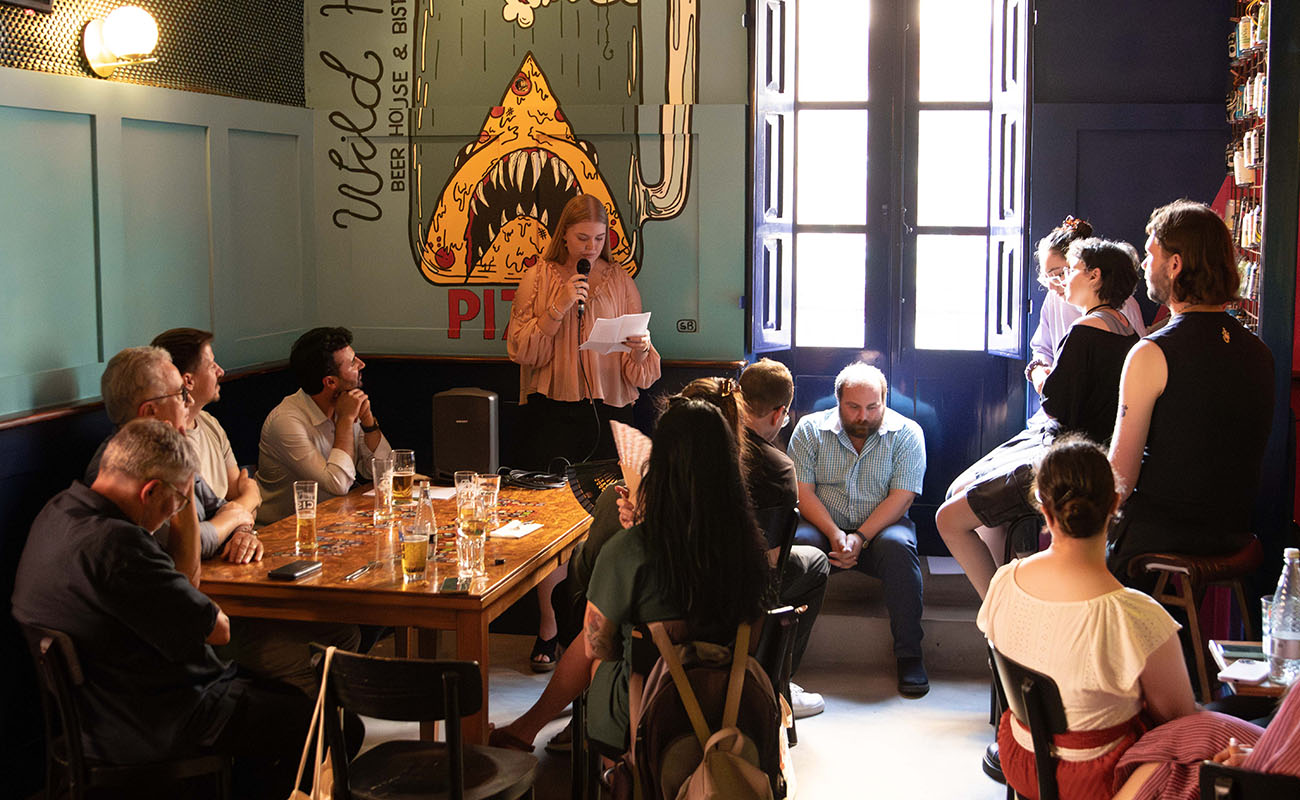
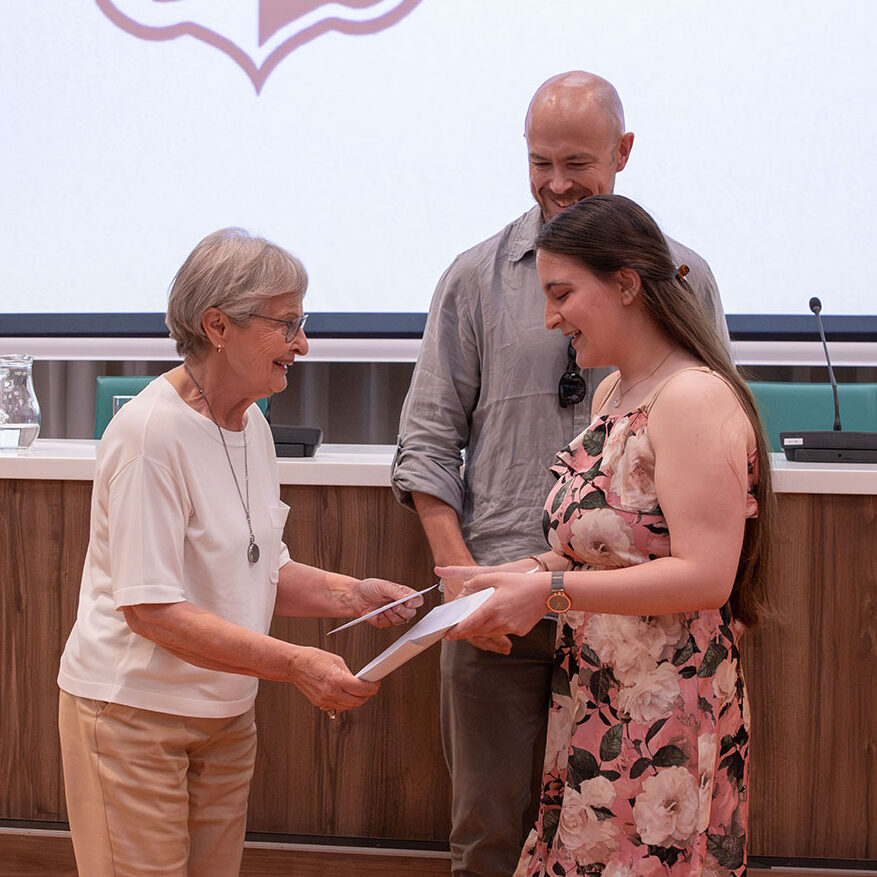
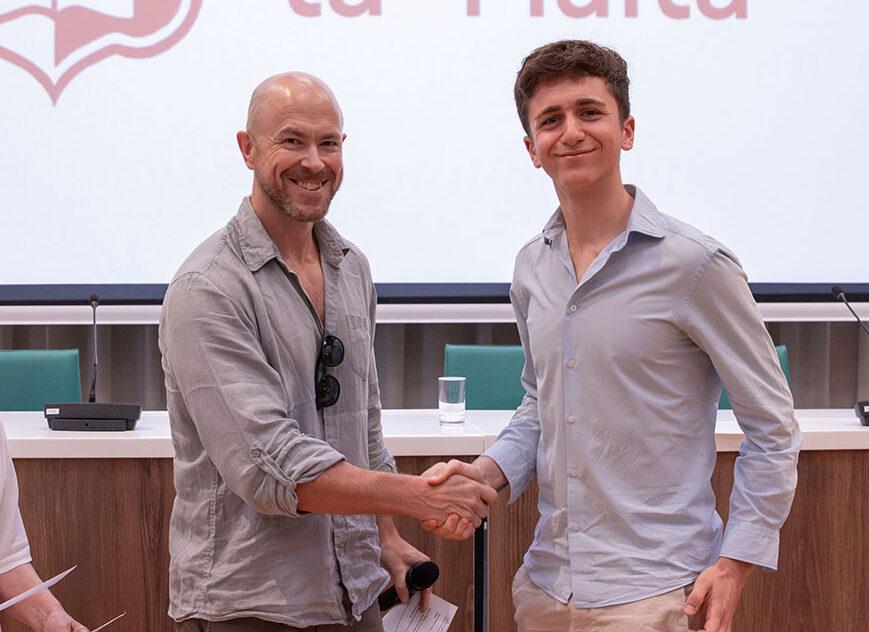
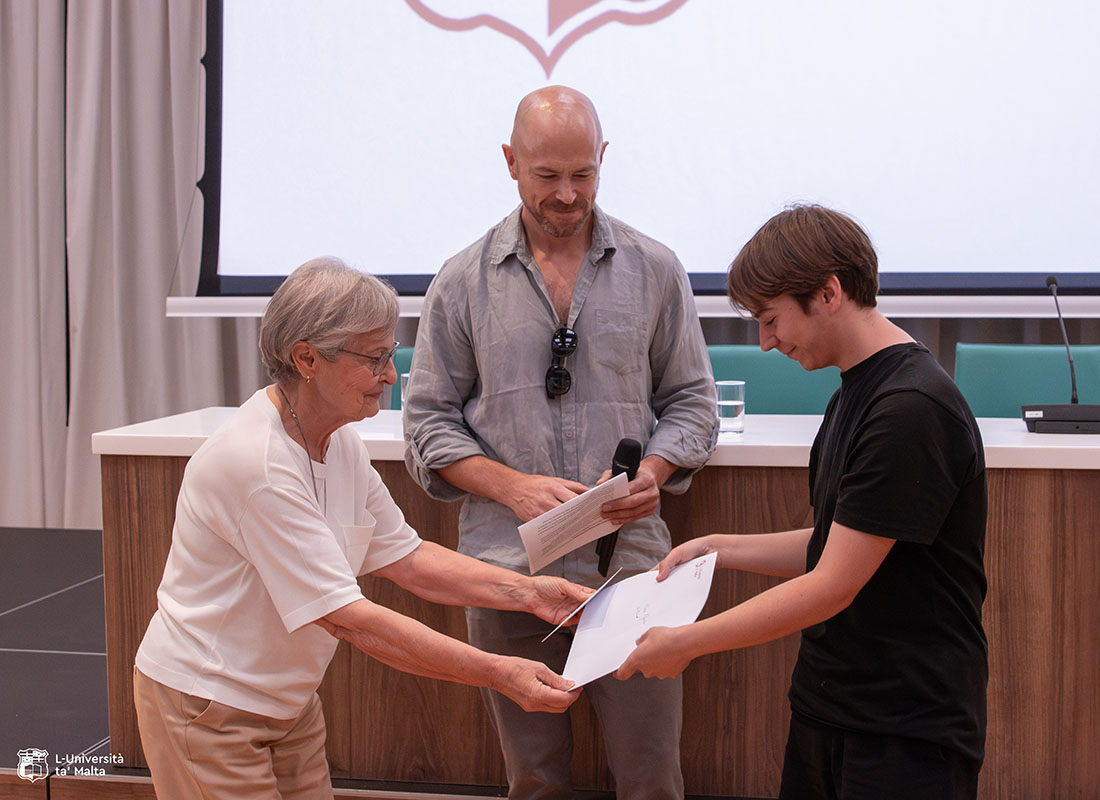
The keynote address by Prof. Emilio Amideo of the University of Naples provided a theoretical anchor for the Symposium. Titled ‘Communities in/as différance: Fluid Belonging and Identity in the Black Queer Diaspora’, the lecture prompted deep reflection on the intersection of language, power, and belonging. That evening, the Symposium moved from panel rooms to the more informal and relaxed setting of a bar for an open-mic session. Attendees experienced a night of poetry, experimental readings and writings, along with laughter, music, and a deep appreciation for each other’s works. The Symposium concluded with an award ceremony for a short story competition, which was organised for 6th-form students; a testament to the continued effort to enrich and encourage the younger generation to consider the act of writing and appreciation of literature as an integral part of society.
A Growing Vision of the Mediterranean
By the end of the two weeks, something had shifted. The Spring School was never only about academic content; it was about forming a network of relationships grounded in mutual respect, curiosity, and a shared sense of responsibility to the region and one another.
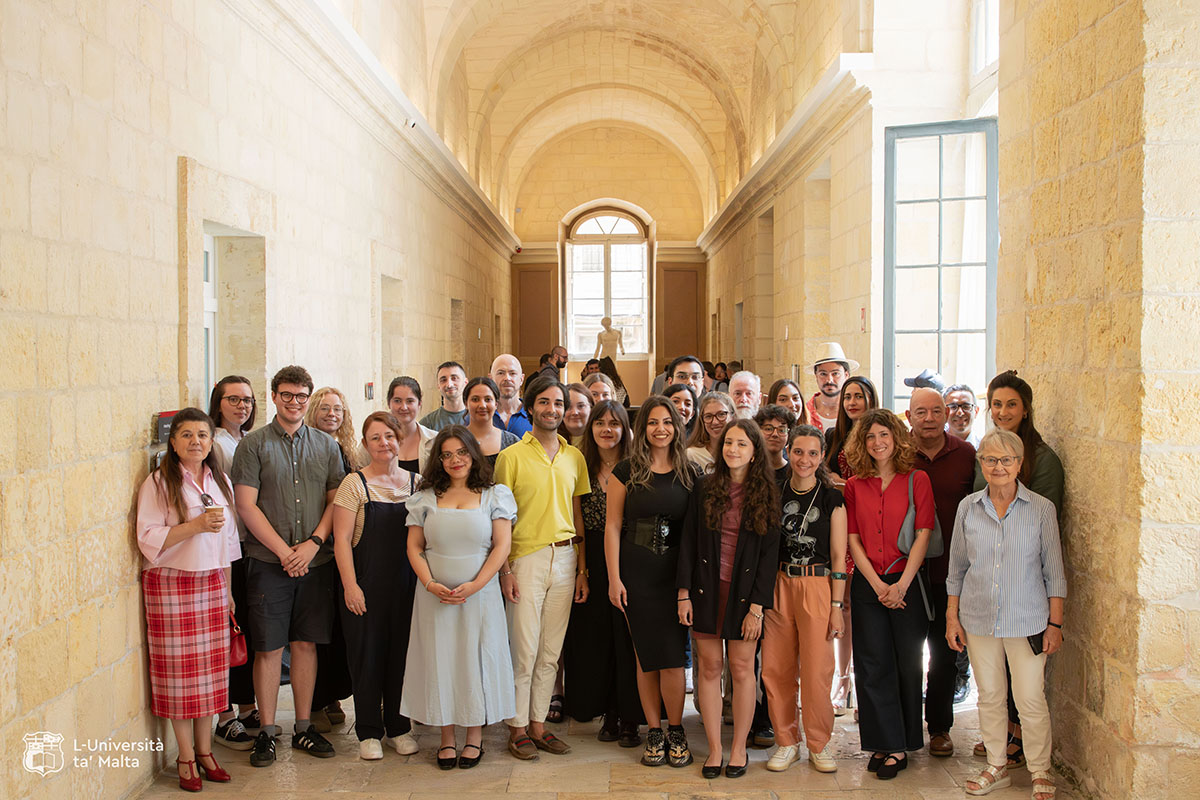
In a world where the Mediterranean is often portrayed in reductive terms – either as a tourist haven or a site of tragedy – the REMED project insists on its complexity, its richness, and its contradictions. The Spring School and Symposium made that complexity palpable, not only through texts and theories, but through the very act of gathering, learning, and being together.
The Mediterranean is not just a place – it is a conversation waiting for your voice, your questions, and the joy of learning together. Be part of the next chapter – REMED returns next year. Learn more and keep up-to-date about future events and activities by following the Re-Visiting the Mediterranean and the Department of English pages on Facebook.
Funded by the European Union. This project is co-organised by the University of Malta, the National University of Ireland Maynooth, Università degli Studi di Firenze, University of Cyprus, and Carthage University. It is co-financed by the EU under the Erasmus+ Cooperation Partnerships in Higher Education (KA220-HED) scheme.



Comments are closed for this article!