
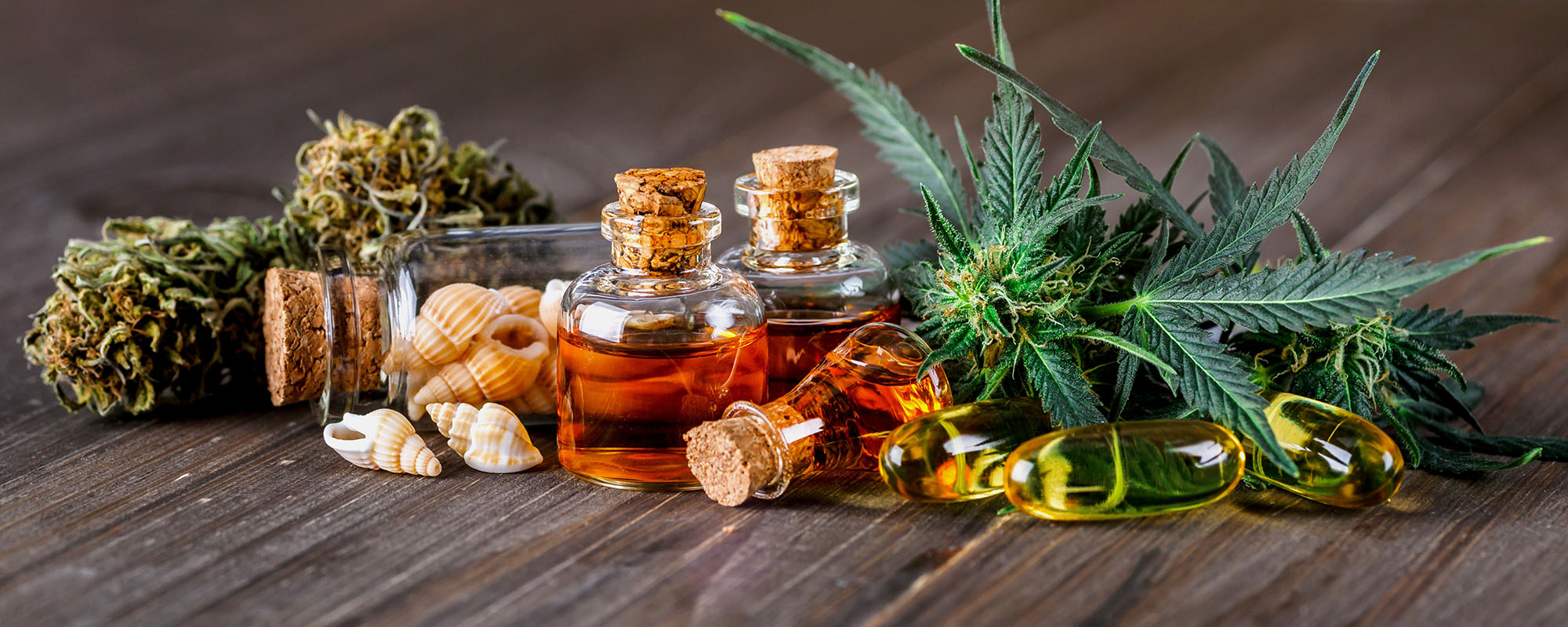
For her second-year physiology research project supervised by Chev. Prof. Renald Blundell from UM’s Department of Physiology and Biochemistry, Stacey Carolyn Nimungu focused on the implications of cannabinoid use, mainly providing education on the adverse effects of recreational cannabinoid use.

(Photo credit: Kristov Scicluna)
Cannabis or ‘weed’ is far more complex than many realise. It’s not just about getting high; this ancient plant has a rich history and a growing presence in modern medicine and culture. From its chemical compounds like THC and CBD to its potential therapeutic uses and evolving legal landscape, there is a lot to unpack. So, beyond the common perceptions, how much do you truly understand about cannabis?
Cannabis sativa was one of the first plants to be cultivated in Central Asia, particularly in the regions now found in Mongolia and southern Siberia. Its use began around 6000 BC as a form of food in China, folk medicine and as a source of textile fibre.
Crash Course: Phytocannabinoids
Approximately 100 chemical compounds known as phytocannabinoids have been derived from the cannabis plant, with the most famous ones being delta-9-tetrahydrocannabinol (THC) and cannabidiol (CBD). Photocannabinoids interact with our body’s internal system through the endocannabinoid system, which influences everything from mood to sleep to pain. These plant-based compounds have numerous therapeutic roles that are mediated by the endocannabinoid system.
To put it simply, the endocannabinoid system is a messaging service with numerous receptors known as CB1 and CB2 spread throughout the body. When phytocannabinoids bind to these receptors, they influence crucial body systems, including the nervous system (affecting mood and pain), the cardiovascular system, the respiratory system, and the gastrointestinal system. Learning about these compounds helps make informed decisions about our health and well-being. So, how do these compounds affect the human body?

Delta-9-THC
Delta-9-THC is the main psychoactive component of cannabis. It can either be taken orally or via smoking and mainly exerts its psychoactive effects through binding to the CB1 receptor, causing catalepsy, hypothermia, analgesia and hypolocomotion. The therapeutic role of THC lies in the treatment of tumours, Alzheimer’s disease, anxiety, and insomnia, among others.
CBD
Unlike THC, CBD is a non-psychoactive compound, and can also be ingested orally. The compound, similar to THC, acts by binding to the endocannabinoid receptors; however, it primarily has anti-inflammatory and immunosuppressive effects mediated through the CB2 receptor. Therapeutically, CBD provides stress relief, opposes or equilibrates the psychoactive effects of THC, and is used for the treatment of numerous ailments like Huntington’s disease, Parkinson’s disease, and cancer.
CBG
Similar to CBD, cannabigerol (CBG) exhibits non-psychoactive properties and has multiple effects on the body, including antibacterial, anti-proliferative, antioxidant, anti-glaucoma, and nausea-absent effects. These therapeutic effects are primarily mediated through other non-CB1 and CB2 receptors.
Approved Synthetic Cannabinoids
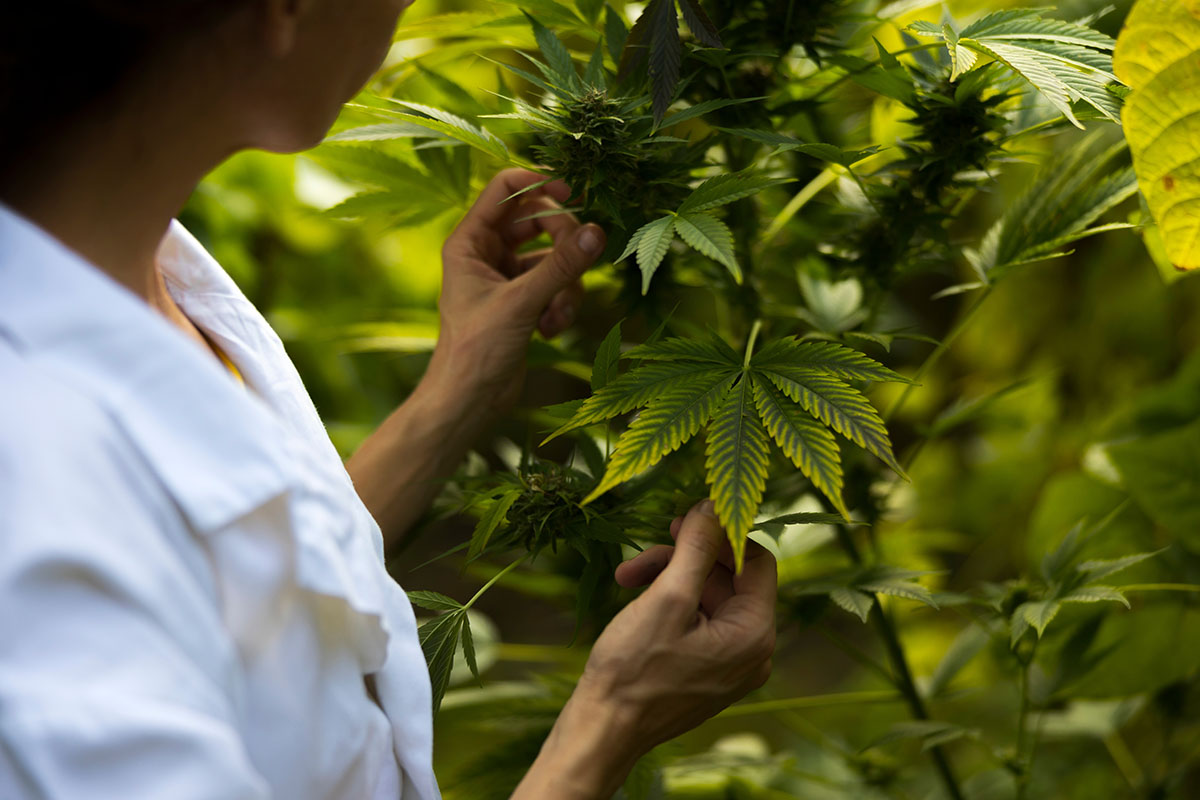
Synthetic cannabinoids, on the other hand, have been created to mimic the effects of phytocannabinoids in the body via the same receptors. They are divided into therapeutic and recreational. The former have been approved for medical use, whereas the latter act to mimic or even heighten the desired psychoactive effect by interacting with the cannabinoid receptors.
To date, only the following synthetic cannabinoids have been approved and are only available if commissioned by a licensed healthcare provider:
- Nabilone – a supplemental therapy in cancer patients to treat nausea and vomiting, and for the treatment of neuropathic and chronic pain.
- Dronabinol – for pain relief in patients with breast cancer, bone metastases, and as a supplemental therapy to opiates for chronic pain.
- Epidiolex – a therapy for severe forms of childhood epilepsy, which is administered orally.
- Sativex – to alleviate spasticity associated with multiple sclerosis.
The Food and Drug Administration (FDA) has not approved any other cannabis-derived products available on the market, deeming other products illegal.
Illegal or Recreational Synthetic Cannabinoids
Compared to the limited number of approved synthetic cannabinoids available, the illegal synthetic drugs represent the largest illicit drug class that has been detected by the European Monitoring Centre for Drugs and Drug Addiction (EMCDDA). The use of these illegal or recreational synthetic cannabinoids has rapidly increased globally and is associated with significant adverse health effects.
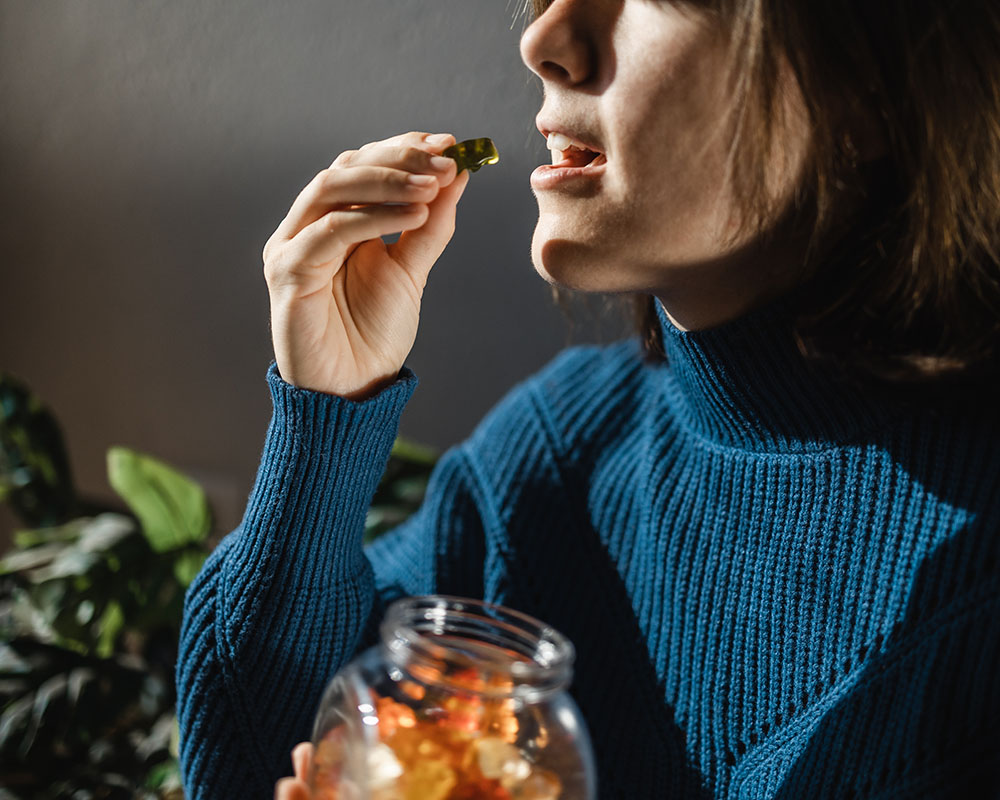
Unfortunately, these risks have been difficult to alleviate as most of the current drug screening tests are not able to detect their consumption. They have accumulated different brand names such as Spice, K2, Bombay Blue, Black Mamba, Herbal Incense, Scooby Snax, Mojo and Cloud Nine and have been made more readily available in the form of chocolate brownies, candies, gummy bears, and vapes, which has escalated their popularity among younger generations, exposing them to the risks of cannabis use.

(Photo credit: Lancashire Post)
The Risks of Using Illicit Synthetic Cannabinoids
There are numerous risks associated with the use of illegal cannabinoids that should not be disregarded, especially considering the widespread availability of these compounds.
Psychiatric Disorders
Cannabis is one of the predominant drugs used by patients with severe mental illness, but has merely been speculated as a therapy for depression and anxiety. The main negative psychiatric effect of cannabis use is psychosis, but this is normally predisposed by cannabis dependence. THC is the main psychoactive compound responsible for these adverse effects, with a less significant role played by CBD.
THC and CBD exert their effects via the endocannabinoid system receptors, explaining why this system is crucial in the emergence of many psychiatric illnesses such as phobias, depression, anxiety, post-traumatic stress disorder, addictive disorders, eating disorders, and psychoses. Cannabis dependence has been commonly associated with the induction of panic disorder and anxiety. It also increases the likelihood of depression in individuals with consistent use and has been found in high levels in suicide scenarios; therefore, it is one of the risk factors for suicide.
Respiratory Effects
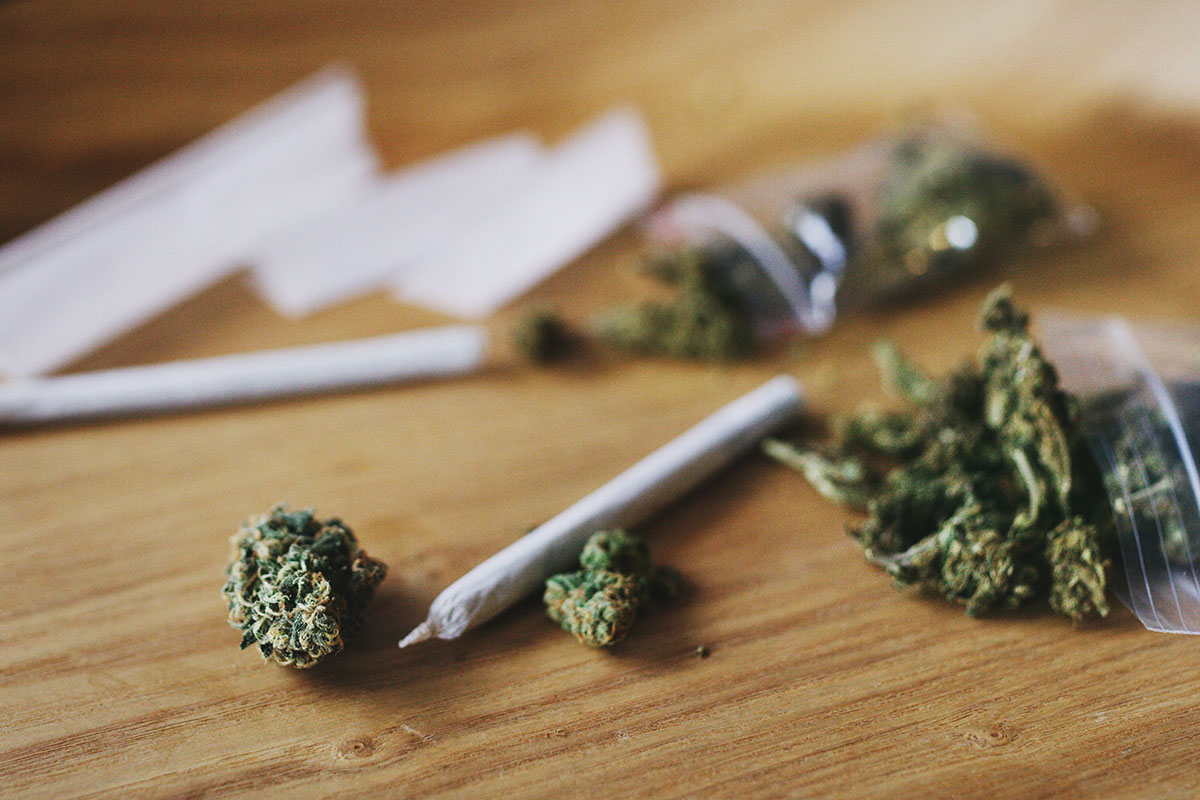
Directly inhaling cannabis compounds can damage the surfactant lining the alveoli in the lungs, potentially causing Acute Respiratory Distress Syndrome (ARDS). However, the impact of secondhand cannabis smoke on ARDS has not been thoroughly studied. Marijuana cigarettes are much more toxic than tobacco cigarettes, with a single one being equivalent to a whole pack of the latter in causing malignant lung tumours. Additionally, inhaling marijuana smoke causes pulmonary inflammation, pulmonary embolism, and emphysema.
Cardiovascular System Impacts
There has been an increase in the cardiovascular effects of cannabis over the years, with the most common conditions being acute coronary syndrome (ACS), cardiac arrhythmias, stroke and death. Cardiac arrhythmias, such as atrial fibrillation, are a result of the decrease in myocardial contractility caused by the cannabinoids.
Hepatic Effects
Cannabis use is associated with hepatomegaly. In addition, recent research has demonstrated that hepatitis C virus patients who consume cannabis do not develop liver fibrosis. Still, individuals who couple cannabis use with a moderate to high alcohol intake are most likely to suffer from liver fibrosis. Additionally, it causes an increase in serum levels of the liver enzyme alanine aminotransferase consistent with liver injury.
Given the potential long-term health risks, it’s worth considering whether the enjoyment of recreational cannabis use outweighs the dangers. Perhaps it would be safer to reserve cannabis for medical purposes, under the guidance of healthcare professionals.
The Good, the Bad and the Ugly
Cannabinoids have enabled the development of therapies for numerous medical ailments, and this all stems from our understanding of the interactions, efficacy, and potency of various therapeutics that act on cannabinoid and non-cannabinoid receptors. However, the adverse health effects of cannabis dependence cannot be overshadowed. There has been a continued rise in the number of cannabis addicts, especially among the youth, as cannabis is viewed as a ‘soft drug’. With this increment, the negative health risks have thrived. Additionally, despite aims by the government to ban these drugs, numerous formulations are still present and thriving on illegal markets. This raises the question of how many illegal synthetic cannabinoids are hiding in plain sight, and whether knowledge of the numerous implications, mainly negative, is known. Evidence suggests that we should look beyond the short-term scope of satisfaction associated with these drugs and focus on their long-term health implications.



Comments are closed for this article!