
Skip to content

l-għ

Facebook
Twitter
LinkedIn

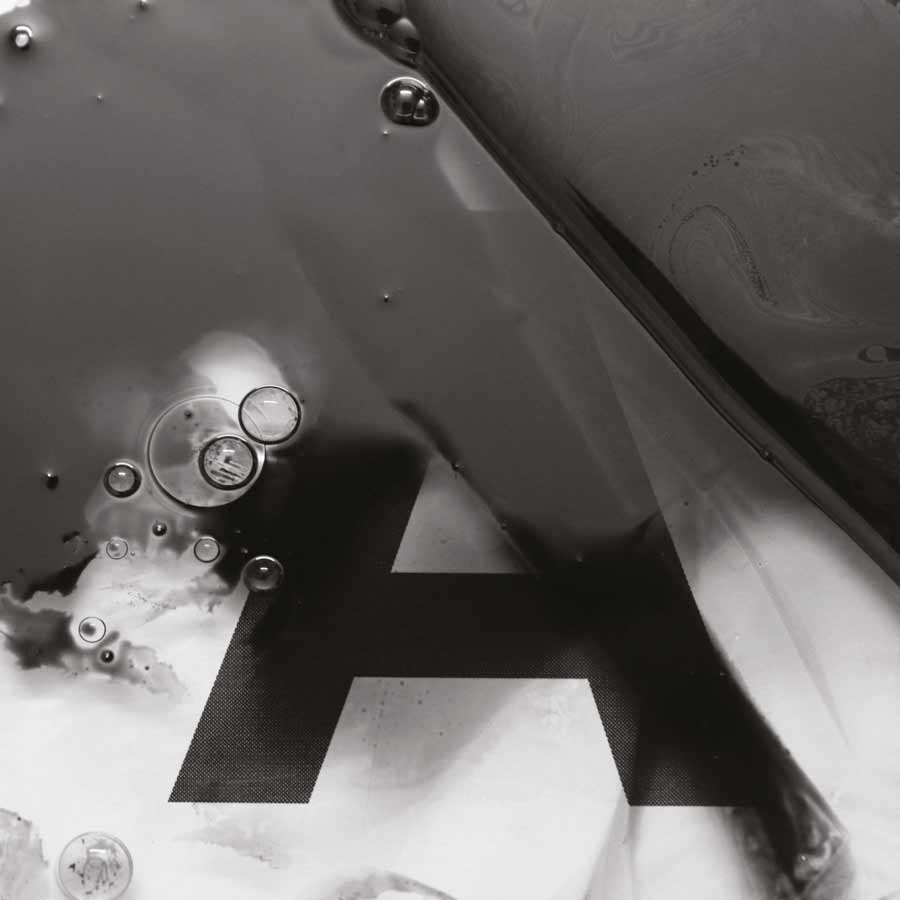
L-għ is a thoughtful, innovative, and interactive exhibition. The reaction it provokes is from the very base of the senses and is the first final year project exhibition from BFA in Digital Arts degree students organised by the Department of Digital Arts, Faculty of Media and Knowledge Sciences.

The exhibitors chose an intriguing moniker: the most enigmatic and iconic rune in the Maltese alphabet (L-għ). Together they used it as a starting point and explored the thematic elements it connotes. The students tapped into six themes and developed twelve projects.

Despite majoring in animation or graphic design, each artist worked with a subject they discovered and developed over several months. Creativity and variety are abundant, with projects ranging from audio-visual experiments and curatorial work to interactive documentaries and highly thematic visual material. The body of research and thought behind each project sheds recognition on conceptual and creative transformations currently occurring in the practice of art and design. They shift the boundaries of art, design, and media and how they can be used together.



L-għ, the Degree Exhibition of the BFA in Digital Arts (Department of Digital Arts, Faculty of Media and Knowledge Sciences, University of Malta). Artists: Ramon Azzopardi, Matthew Calleja, Caroline Curmi, Darryl Farrugia, Danika Muscat, Angele Pollacco, Lucrezia Rapa, Pascale Spiteri, Michelle Trapani, Siobhan Vassallo, Matthew Vella and Ryan Zammit Pawley.

Author

More to Explore

These Insoles Are Made for Monitoring: A Step Towards Preventive Healthcare 

What if healthcare could learn more about our health between appointments? Wearable technology is opening up new possibilities for continuous monitoring, and researchers at UM’s Centre for Biomedical Cybernetics and Department of Podiatry, in collaboration with Tarsos, are making significant contributions in this area. THINK went to learn more about a research project investigating how smart insoles could improve foot health monitoring for people with diabetes.

The Chosen One? Adoption Beyond the ‘Happy Ending’

You look at your reflection in the mirror. Your face tells a story of the generations that came before you. A familiar smile, or a shared eye colour, a resemblance that has probably been pointed out more than once. For most, such observations are brushed off with a smile and quickly forgotten. But what if your reflection raised more questions than answers?

Molecular Mail: Tiny Parcels for Tracking Tumours

Tumours are not discreet. As cancer cells grow and change, they release microscopic particles into their environment. Some of these particles enter the bloodstream. They are small, abundant, and, as researchers are beginning to realise, potentially informative. A Maltese research project is testing whether extracellular vesicles can provide a less invasive source of cancer information.

Comments are closed for this article!