

As the aviation industry approaches an uncertain future, skill-UP is working to address pitfalls in employee training. Andrew Firbank speaks with Dr Ing. Jason Gauci, University of Malta lecturer and coordinator for skill-UP, to learn how adaptive training programmes can overcome present challenges whilst laying the groundwork for ever-changing times.
In the near future, a lone pilot is flying a plane. Aircraft systems have been automated to the point where co-pilots aren’t needed, so she operates by herself. Her task is to manage every intricacy of the cockpit in the unlikely event that the automated systems let her down. She must be alert, focused, and extremely well-knowledged. Along with her peers around the globe, she pilots a new era of aerotravel.


Skill-UP is a trans-European project striving to prepare pilots and other airline staff for this future by helping them adapt to the many changes the industry expects to face. Working alongside teams in various nations, skill-UP started by identifying current training deficiencies for airline staff. They learned of pilots using unrealistic simulation software, air traffic controllers overwhelmed by stress, and airport staff ill-prepared for the complexities of immigration laws, let alone a global pandemic. ‘Our surveys and interviews identified a number of gaps and issues in training,’ explains Jason Gauci, aviation researcher and coordinator for Malta’s skill-UP division. ‘These gaps are then related to challenges aviation staff face in the workplace,’ he adds.
The most concerning are training standards for drone use. Training programmes have been rudimentary and under-regulated. ‘Drone operators need to focus on a specific application, such as land surveillance or package delivery,’ argues Jason. ‘The drone pilots we surveyed said the training is too generic.’ Given the ever-growing diversity of drone applications, the aviation industry sorely needs to remedy this deficit.
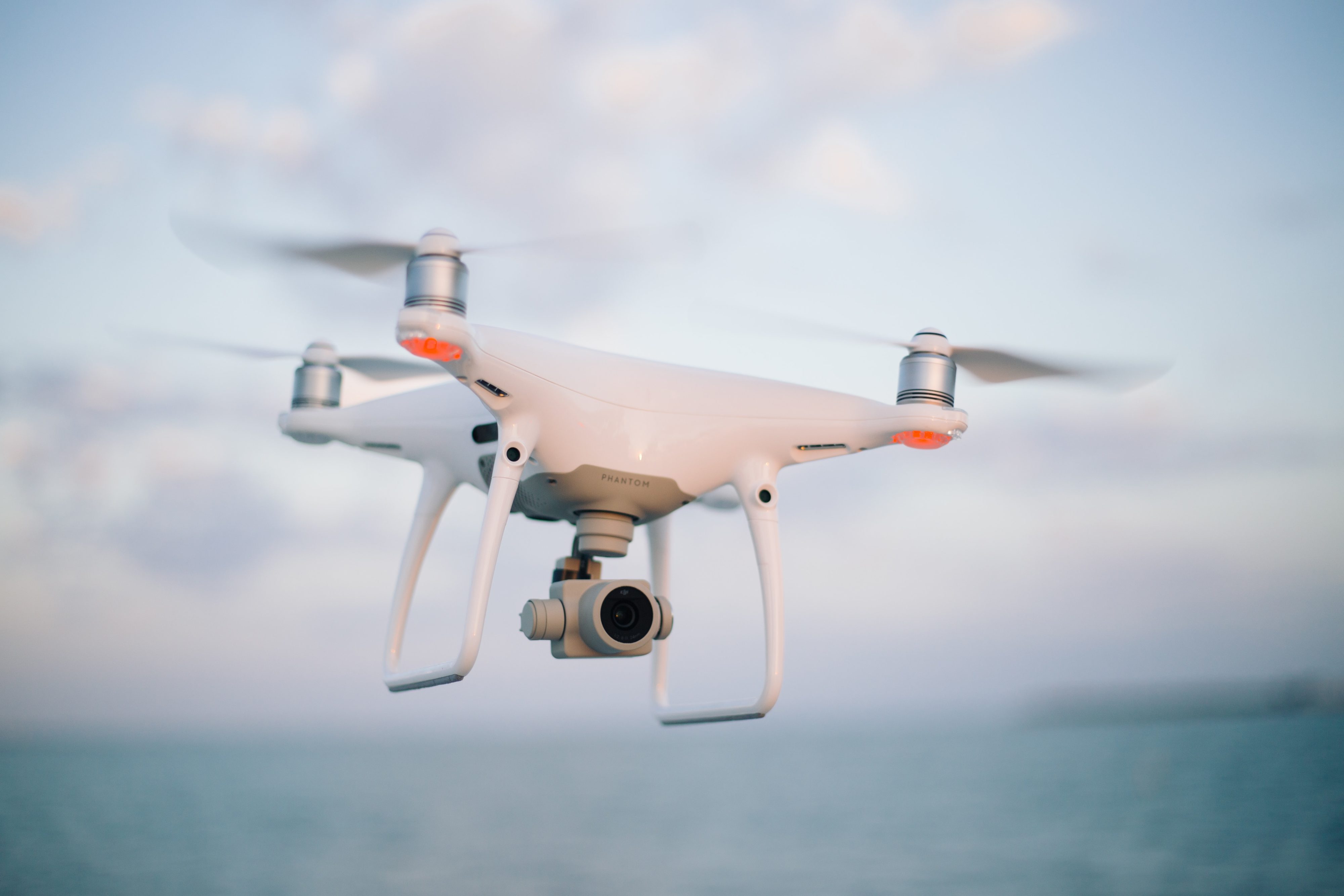
So what can be done? Skill-UP foresees a future where the volume and applications of drones have skyrocketed. ‘How quickly we use drones is influenced by societal acceptance,’ clarifies Jason. ‘It’s a trade-off between convenience and inherent risk.’ To best safeguard people, skill-UP advocates for regulating drone training to ensure reliability and consistency. Making training programmes practical seems key, as those drone pilots surveyed complained of an overemphasis on theory, with most flying ability learned on the job.
For other aviation staff, enacting change can be understandably slow because of well-established regulatory practices. Now that skill-UP has identified current training gaps for pilots, airport operators, and air-traffic control, the project has moved on to reimagining their futures. ‘As we move to single-pilot operations, for example, this will introduce new roles both on the ground and the air,’ Jason states. ‘We want to know what skills these roles require, then identify study pathways to provide the training they need.’ In essence, the training programmes skill-UP is developing will address today’s challenges, whilst preparing for tomorrow’s.
Now let’s go back to our future lone pilot. She needs to be more self-reliant, assertive, and confident than her predecessors. She can talk with teammates on the ground, but this isn’t the same as having a co-pilot. To prepare her for such a development, her training must be encompassing, adaptive, and innovative. Clouds are split by her ascent, and new pathways are created for an ever-growing aviation industry.
Jason Gauci and the skill-UP team invites readers, particularly those undergoing aviation training or who are currently in the industry, to join their stakeholder group to help test programmes and shape skill-UP’s future. Visit https://www.skillup-air.eu/ to get involved.



Comments are closed for this article!