
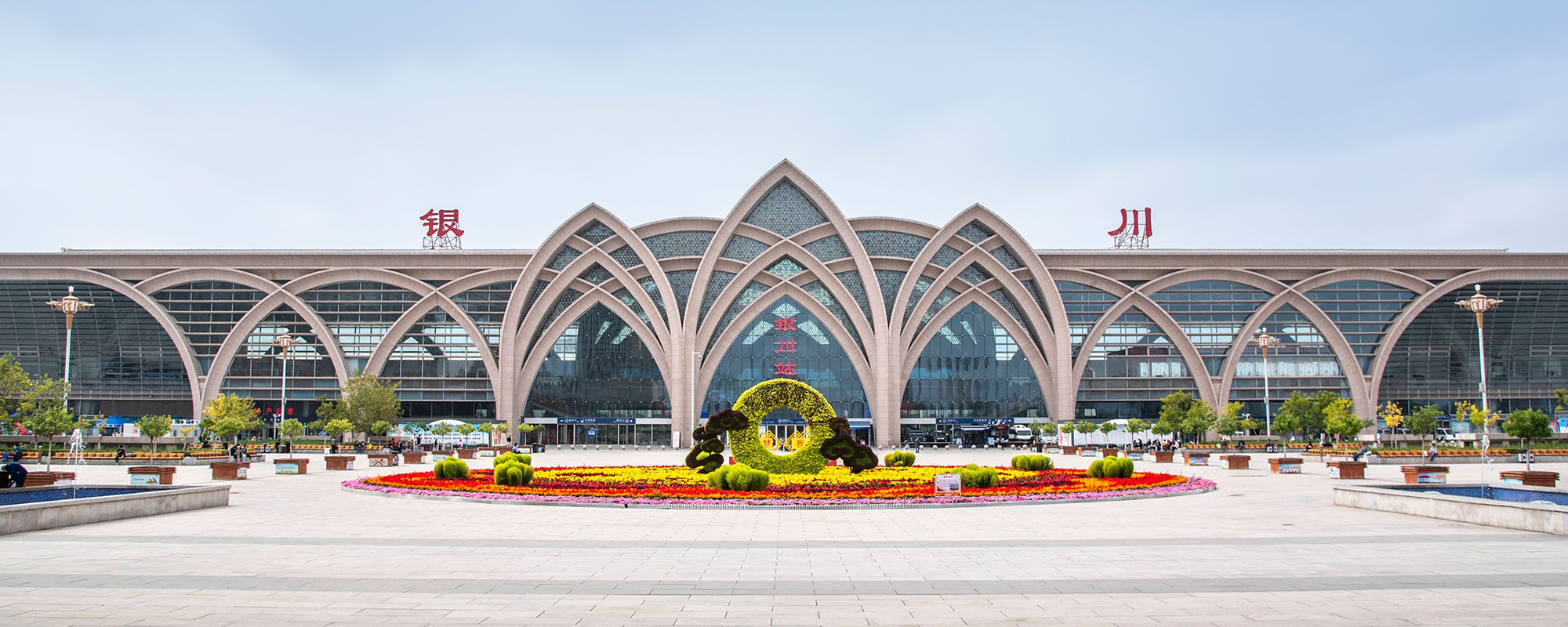
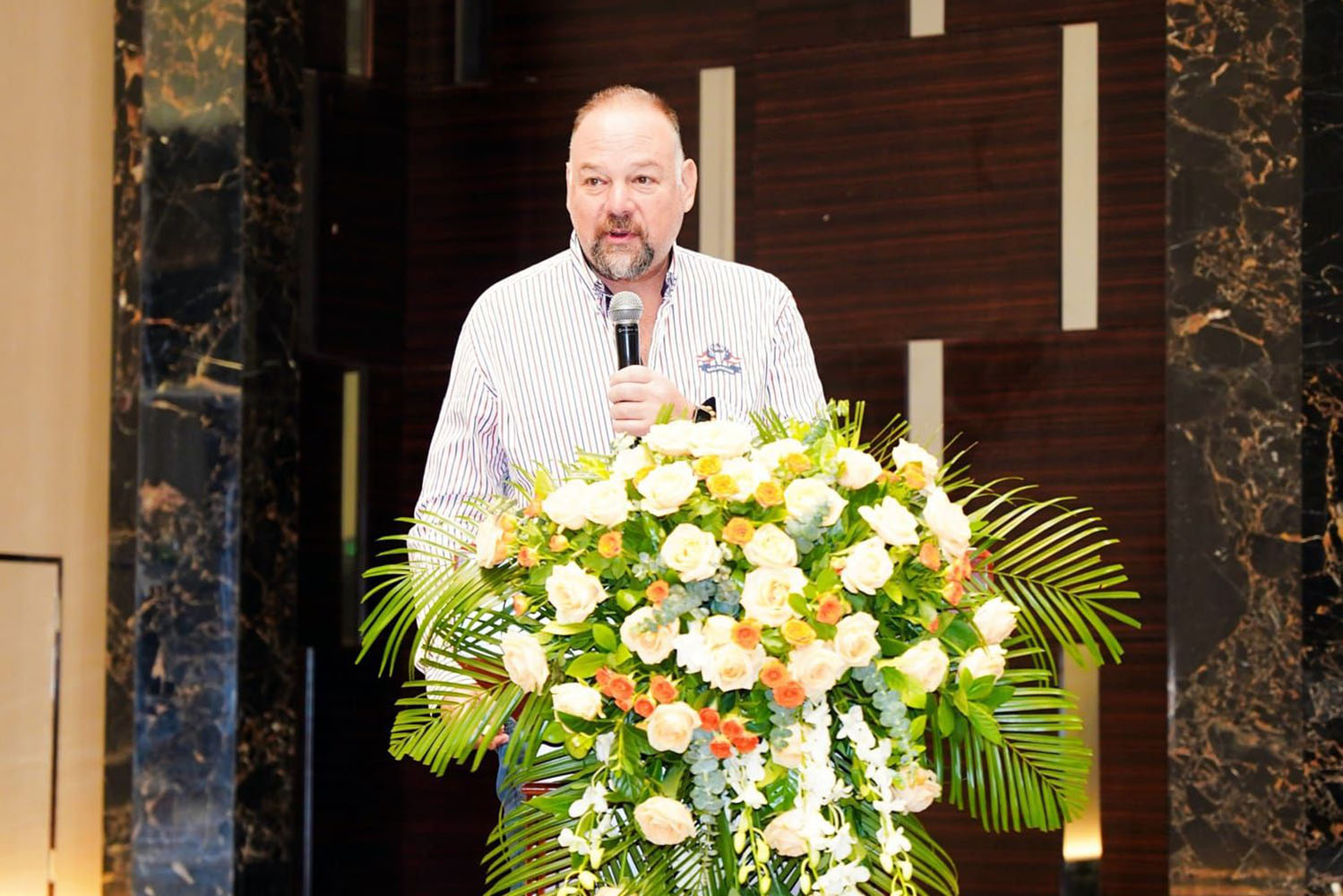
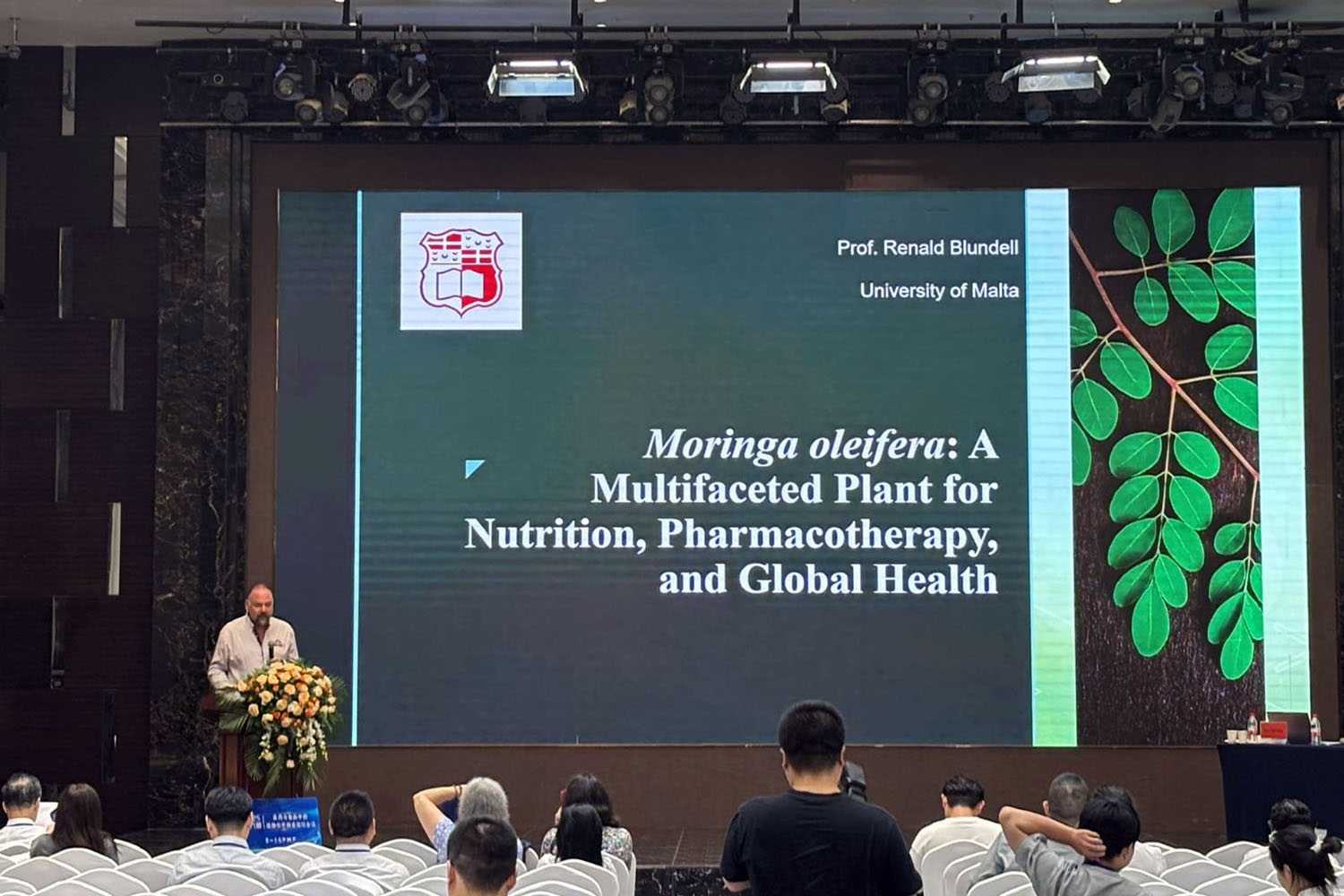
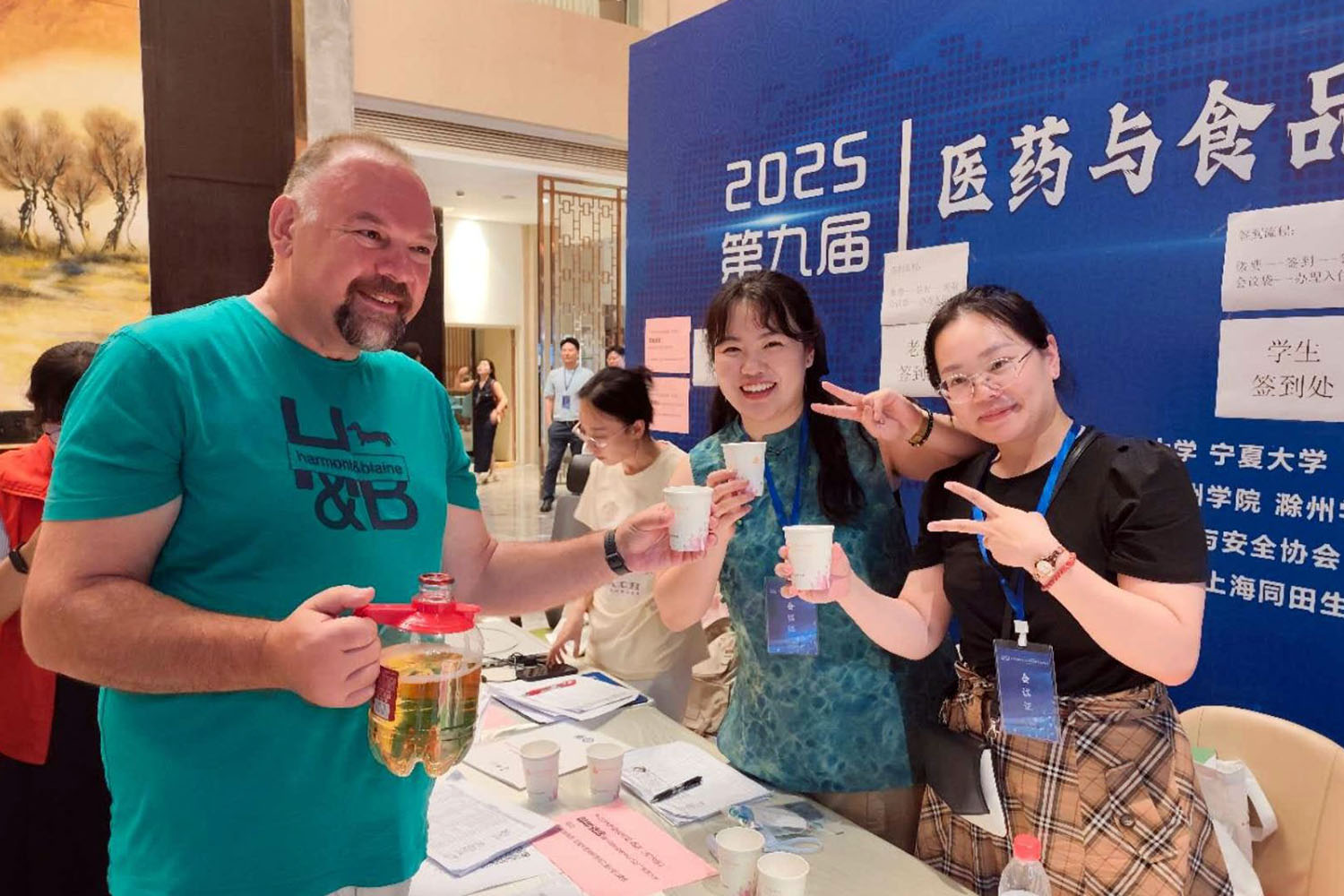
Following his recent travels in Yinchuan, China, Chev. Prof. Renald Blundell has put pen to paper to share his experience. Blundell visited Yinchuan to deliver a lecture on Moringa oleifera’s bioactive compounds at the 9th International Symposium on Phytochemicals in Medicine and Food. But what came out of this experience would have a lasting impact on both his audience and himself.
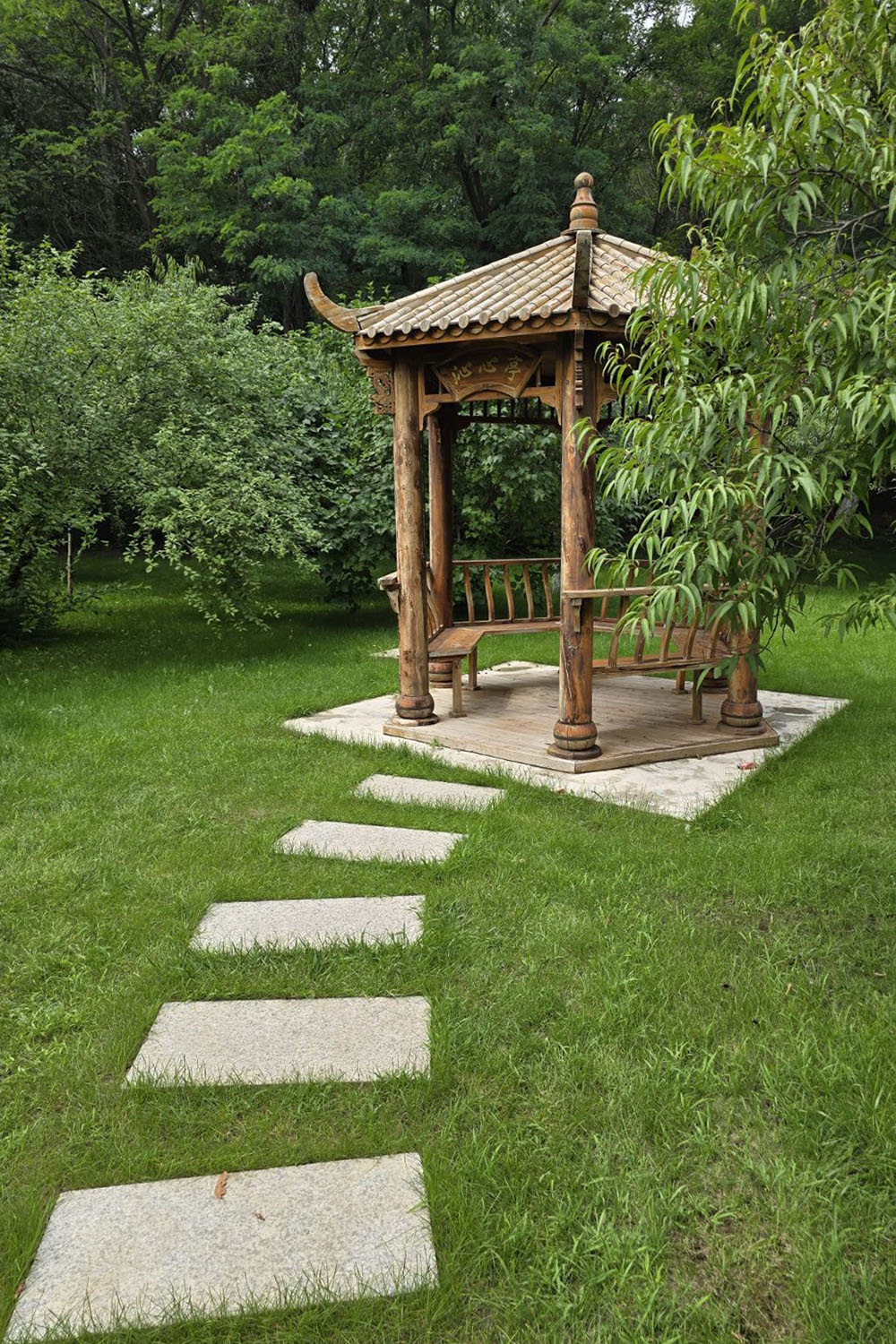
When I first arrived in China, the sheer size and order of everything took me by surprise. The streets seemed vast, the buildings monumental, and the sense of discipline unmistakable. My naturally bubbly character – the kind that loves to make lighthearted jokes and connect with strangers – suddenly felt a little out of place. For a brief moment, I wondered if I would fit in, or if my lighthearted nature might be seen as too casual in such a structured environment.
I had also heard numerous stories before coming about the lack of access to familiar social media platforms, the stringent regulations, and the vast scale of the population. In my mind, I imagined it would feel restrictive, maybe even suffocating. I worried about losing my usual channels of communication and entertainment. The idea of living without my regular apps, instant messaging groups, and online distractions seemed daunting.
But something unexpected happened.
As the days passed and I began to walk through the streets, wander into neighbourhoods, and exchange smiles – or even simple nods – with the locals, my perspective shifted. The first thing that struck me was how incredibly hard-working people were. Everywhere I went, I saw purposeful activity: shopkeepers arranging their goods, delivery riders weaving through traffic, street cleaners keeping the pavements spotless, and office workers hurrying with quiet determination. Yet what amazed me even more was their attitude – not one of exhaustion or resentment, but of quiet satisfaction.
In many places I’ve been, work is something people try to escape from as quickly as possible. But here, I noticed a different rhythm. People did not complain, even when the hours stretched long. In fact, I saw many staying late voluntarily, not because they were forced to, but because they took pride in doing their jobs well. It was as if their sense of fulfilment came not from how quickly they could stop working, but from the quality and dedication they brought to their work itself.
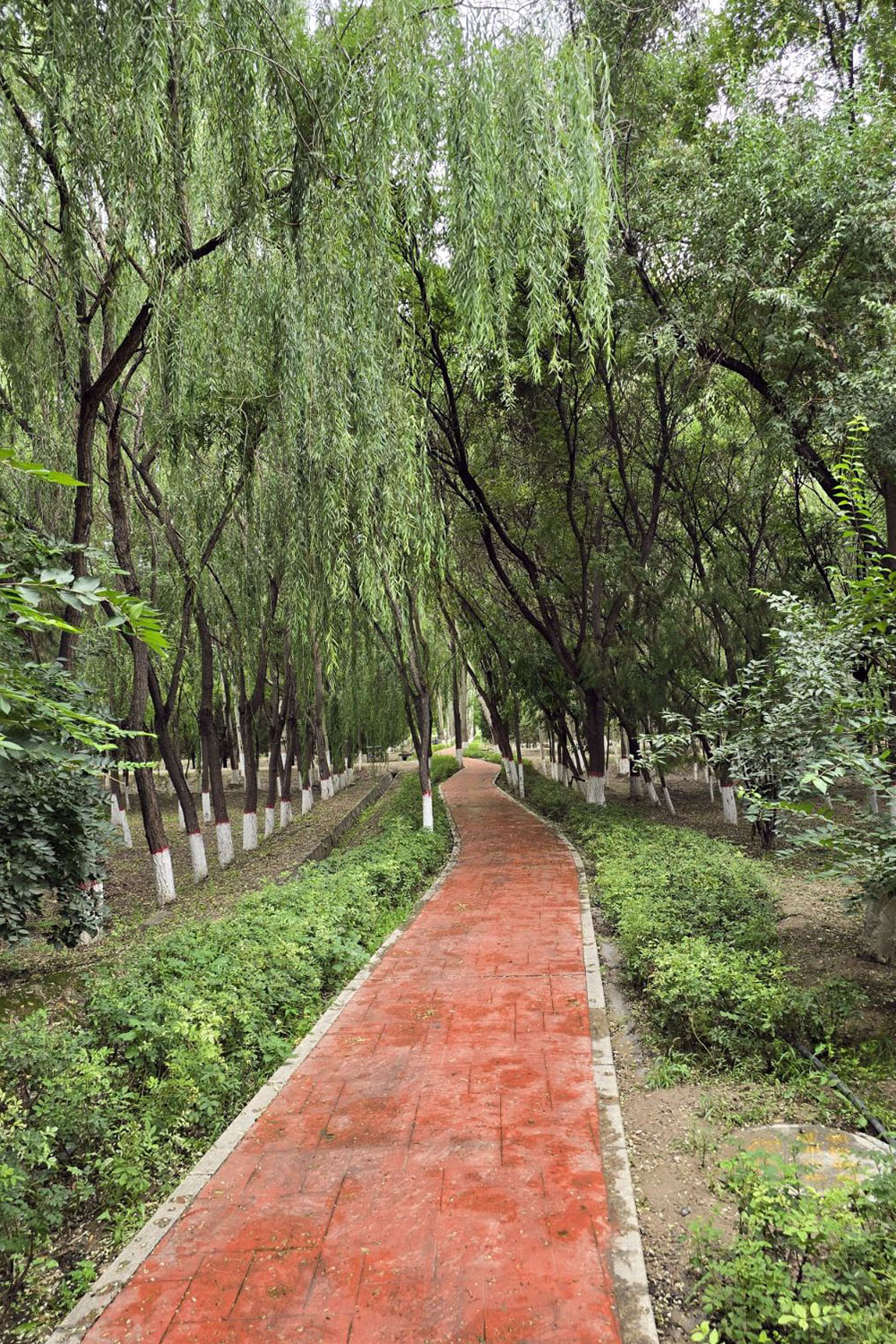
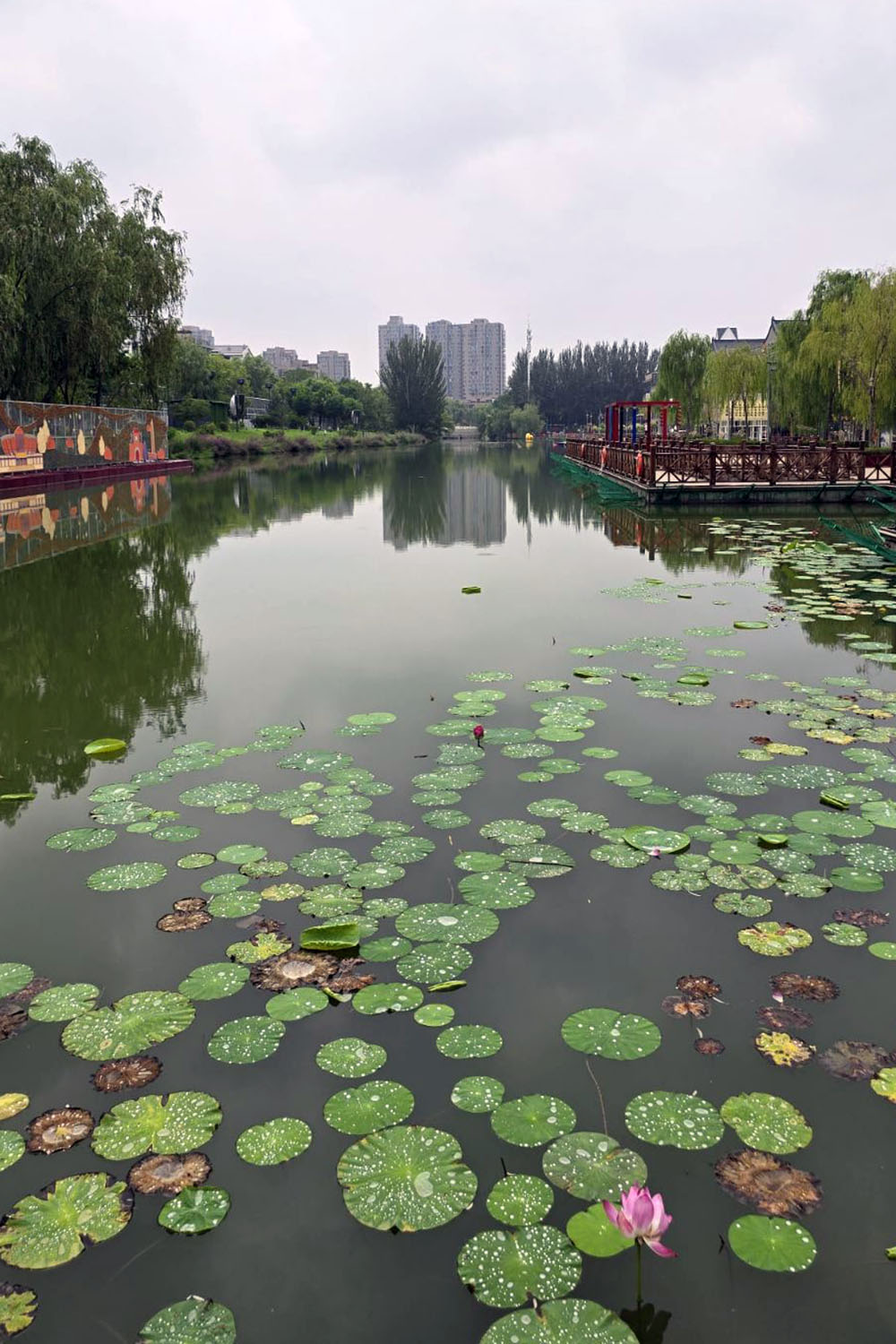
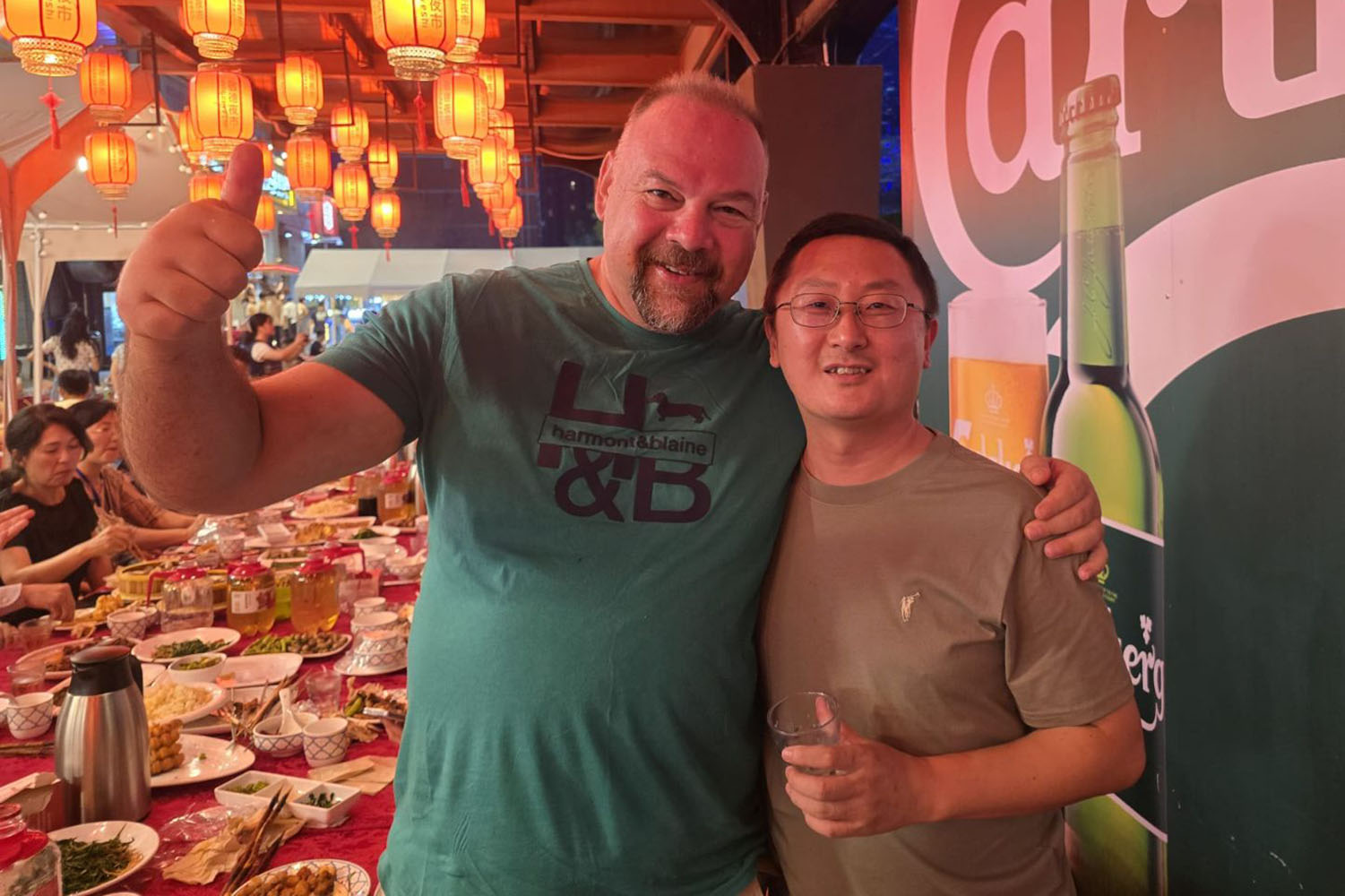
After long hours, life did not slow down into isolation. Instead, the city seemed to come alive in a different way. Families would head to the parks – and these were not small, neglected patches of green, but beautifully maintained spaces where flowers bloomed, water features sparkled, and people gathered for tai chi, dancing, or simply strolling hand in hand. Restaurants, from small family-run noodle shops to larger establishments, bustled with laughter and conversation.
It was in these restaurants that I experienced one of my favourite surprises: impeccable service delivered with genuine warmth. Every meal came with attentive care, and the staff always wore smiles that felt sincere, not forced. When I tried to leave a tip – something I’ve done in almost every country I visit – it was politely refused. Not with a dismissive gesture, but with the kind of grace that says, ‘We are happy to serve; it is enough that you enjoyed your time.’
This honesty and contentment were refreshing in a world where so many are chasing more – more money, more possessions, more status. Here, I encountered people who seemed deeply satisfied with what they had. That realisation made me start questioning my own assumptions about what happiness requires.
And then there were the children. Bright-eyed, curious, and full of laughter, they had a kind of purity I rarely see these days. Their smiles were unguarded – not the polite, self-conscious smiles of children who have already learned to pose for the camera, but genuine expressions of joy. There is something almost magical about a child’s smile when it comes from a place of trust and contentment. Every time one of them looked at me that way, I felt lighter inside.
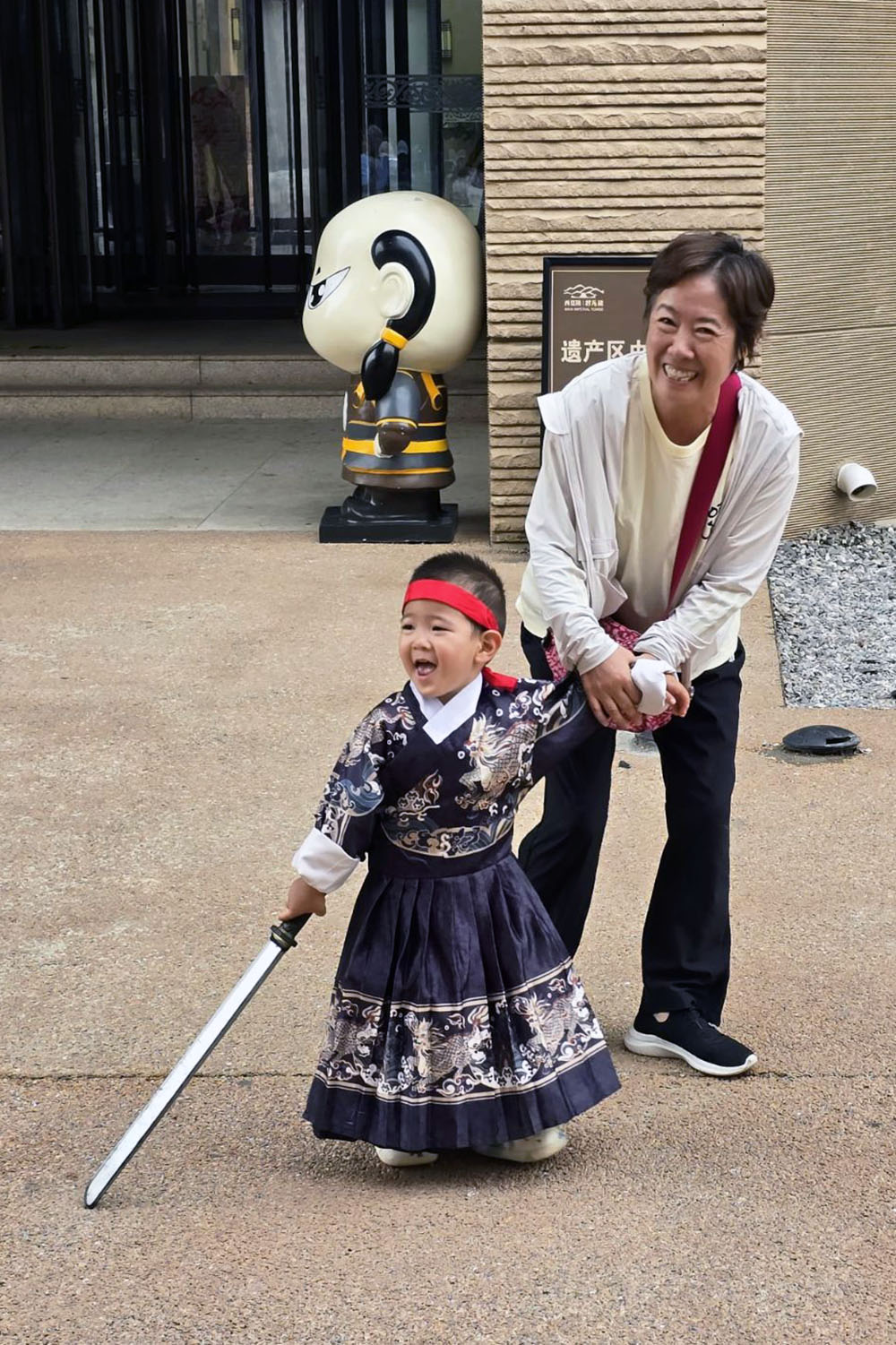
The more I observed, the more I began to wonder: was this a real place, or some kind of dream? A utopia hidden in plain sight?
I realised that much of my initial fear came from a very Western assumption – that freedom always equals unrestricted access, and that restrictions always diminish happiness. But what I saw here challenged that belief. People lived without constant social media scrolling, without the constant bombardment of online outrage, without the obsessive need to document every second of their lives for others to ‘like’ or judge. Instead, they lived in the present moment – connecting face-to-face, building trust in person, and spending time outdoors or with family.
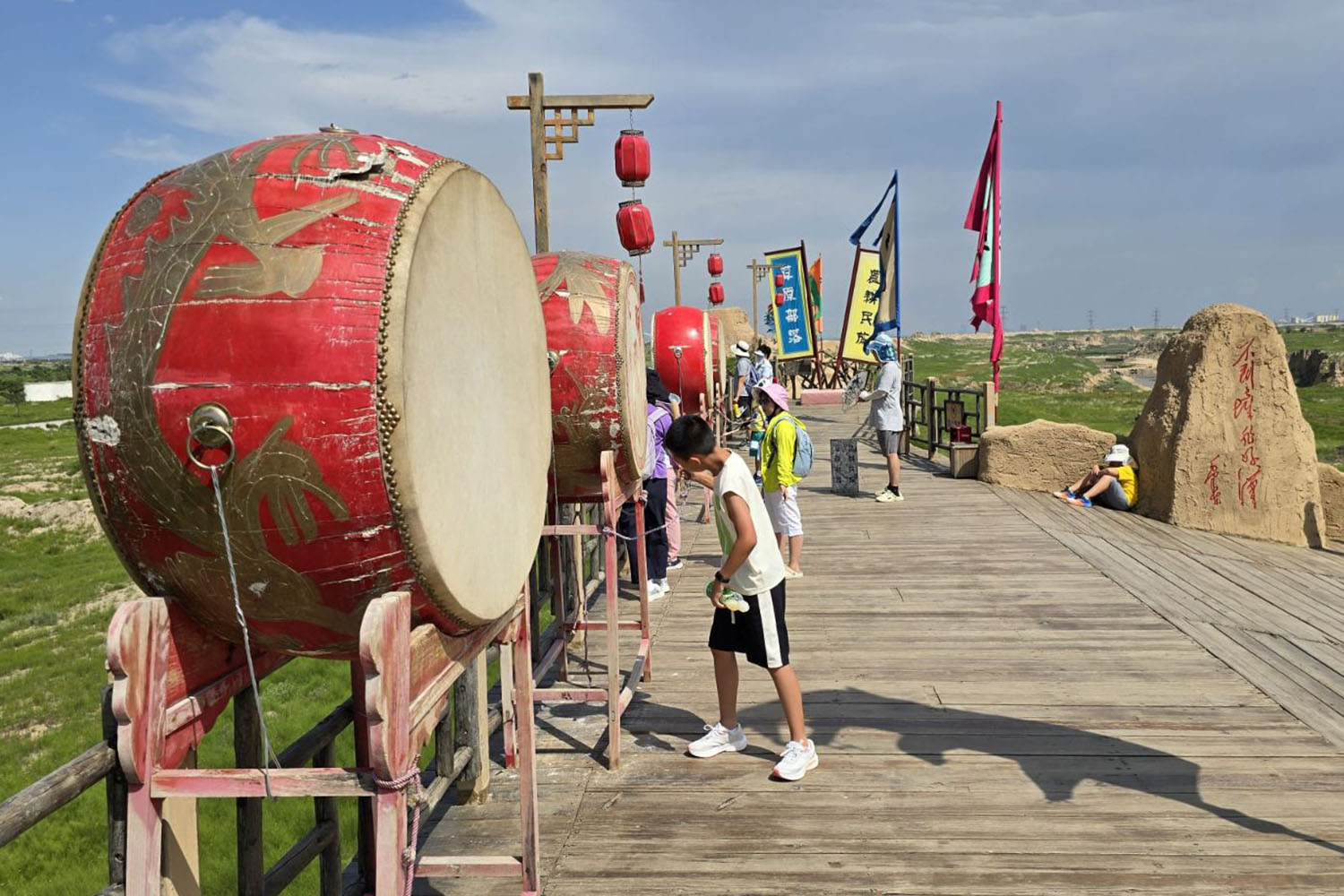
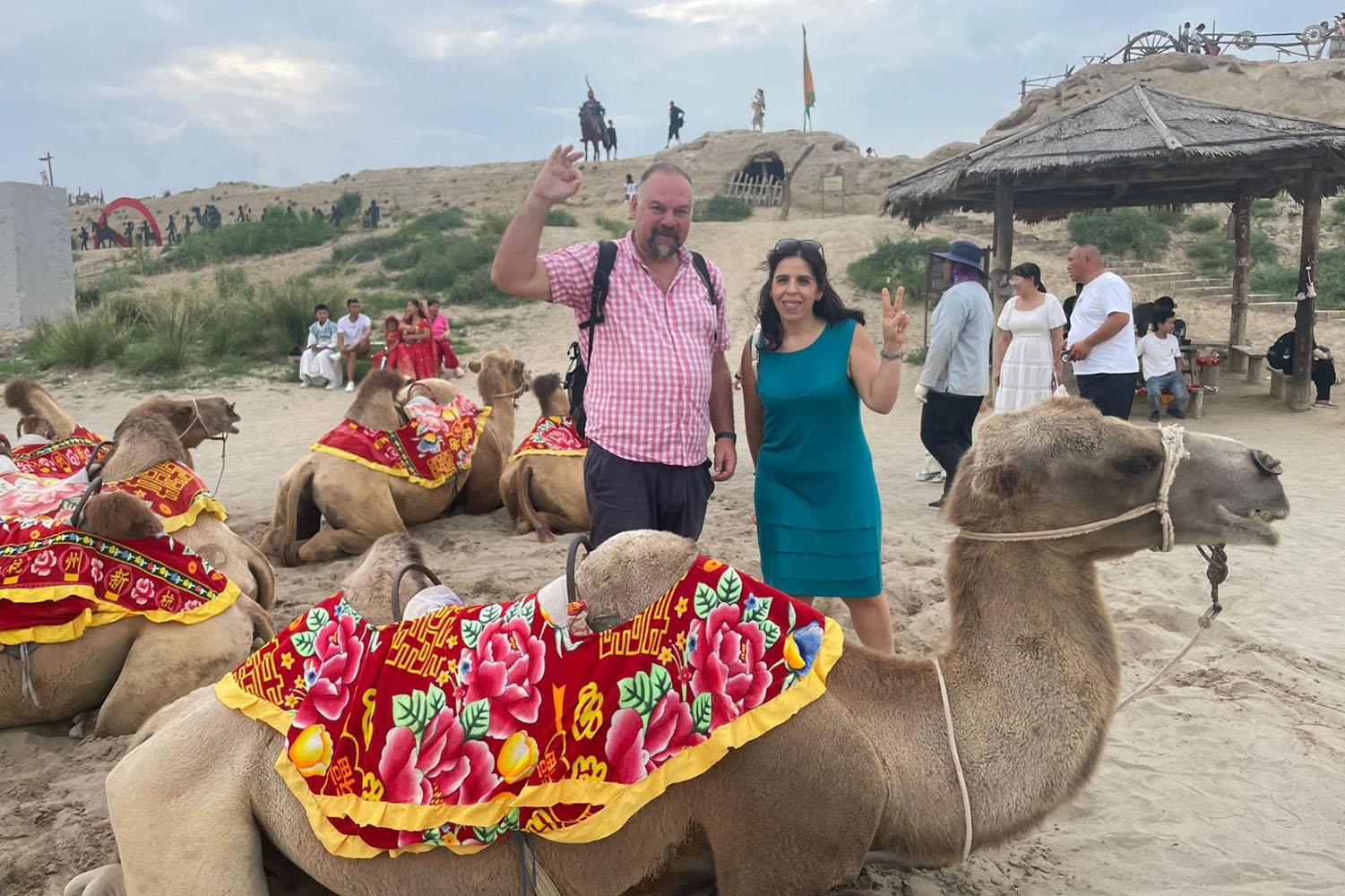
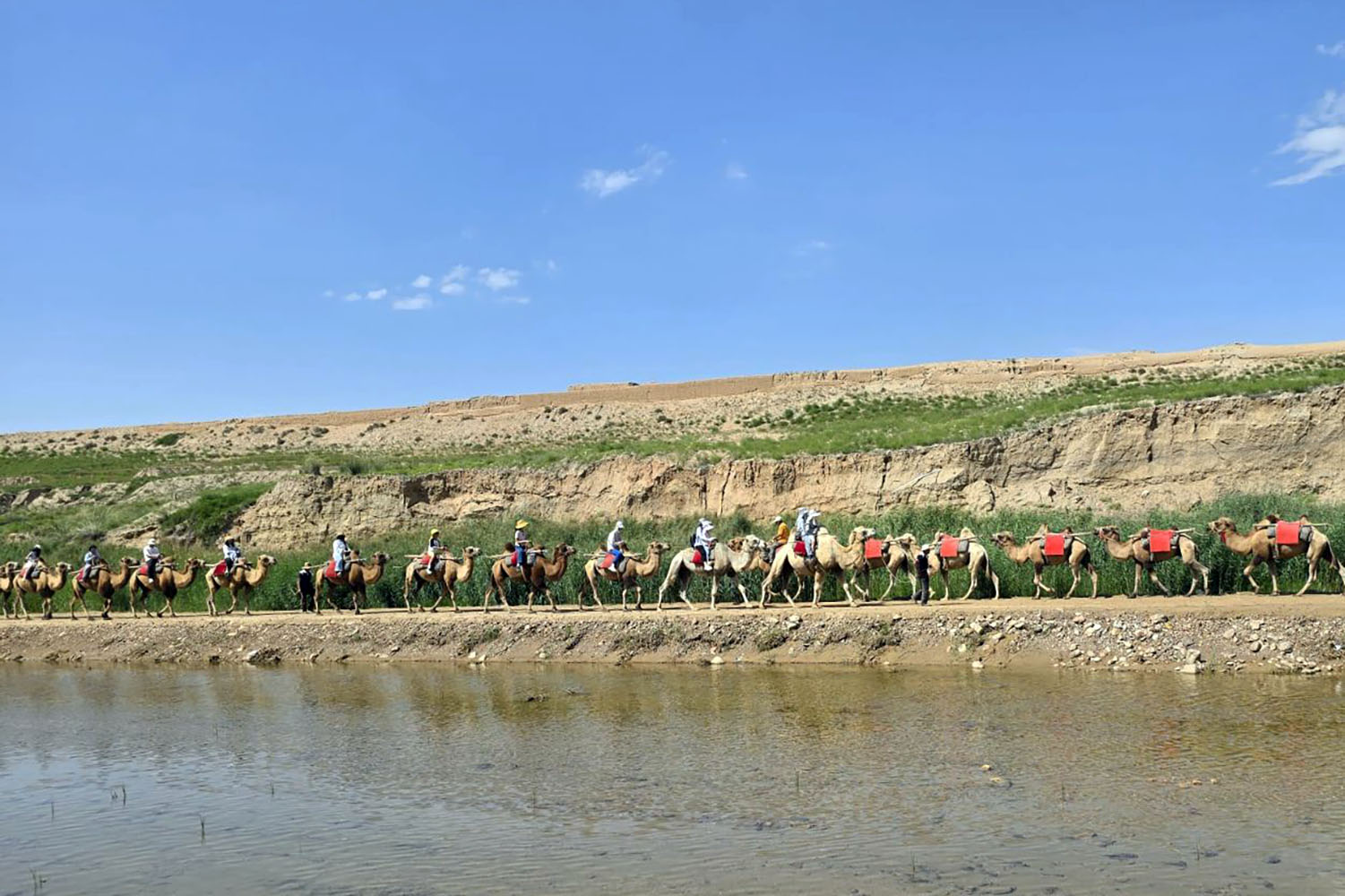
Life with controlled internet and limited social media, I began to see, was not a prison. In many ways, it was a liberation – freedom from the noise, comparison, and distraction that consume so much of our mental energy elsewhere. I thought about how much time I normally spend online, reading things that make me frustrated, anxious, or envious. Here, that constant feed was gone, and yet people didn’t seem deprived – they seemed more at peace.
Of course, China is not a perfect society. No place is. But my point is not about political systems or laws – it is about the human spirit I saw thriving here. People were pure, honest, and sincere. They seemed to hold high values and morality close to their hearts, not because they were told to, but because it was woven into the fabric of their communities. Their minds felt uncorrupted by the cynical worldview that endless negative media can cultivate.
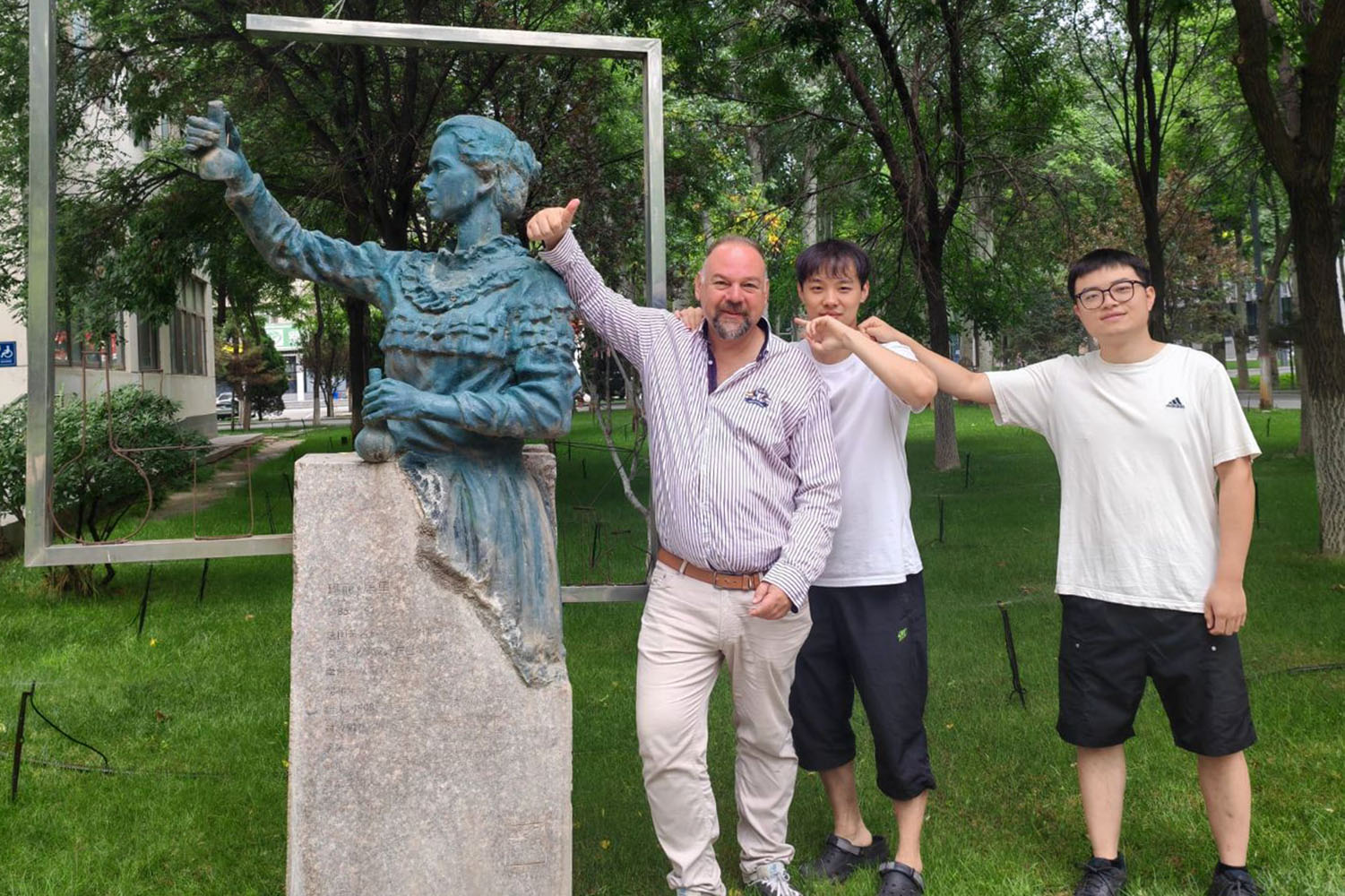
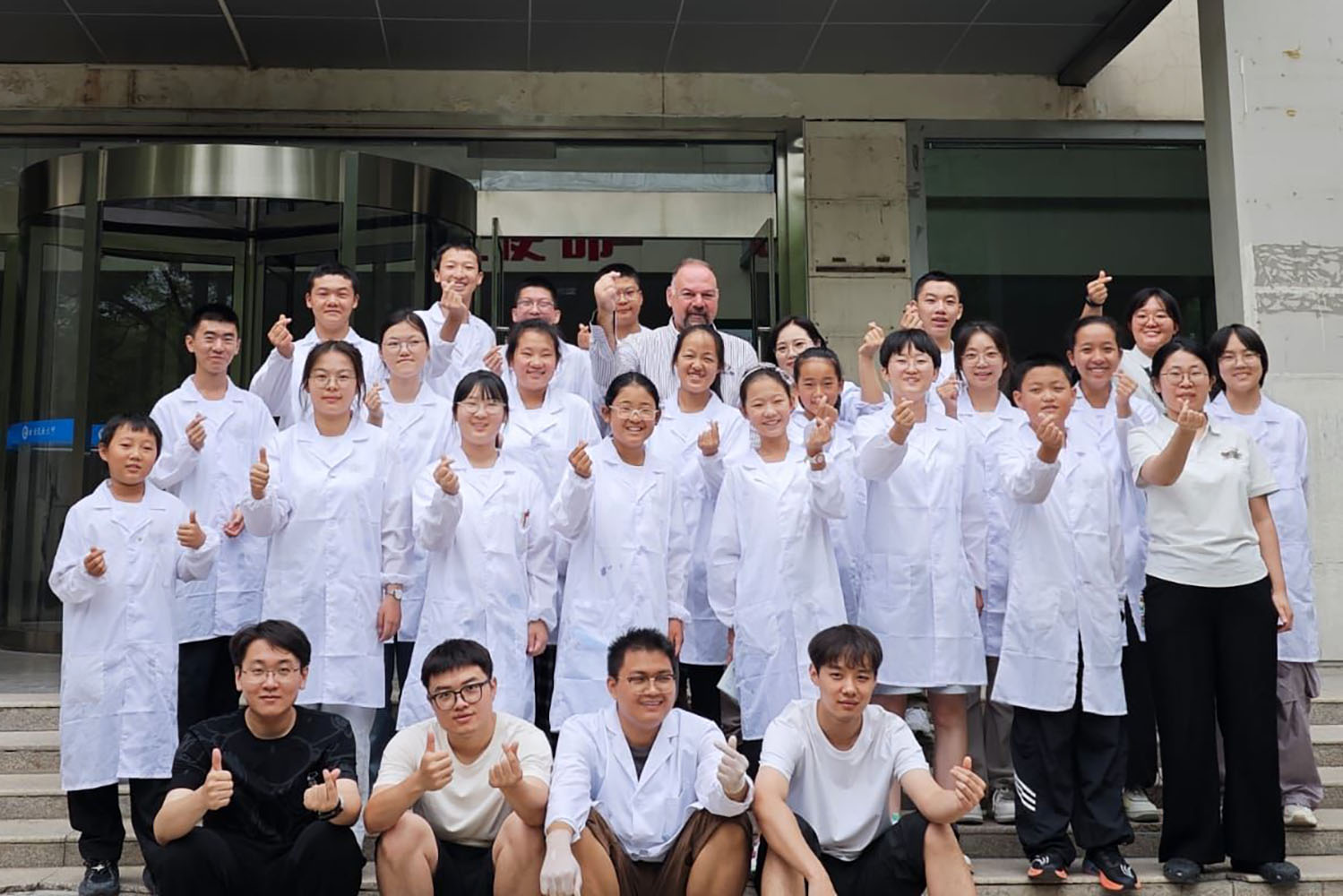
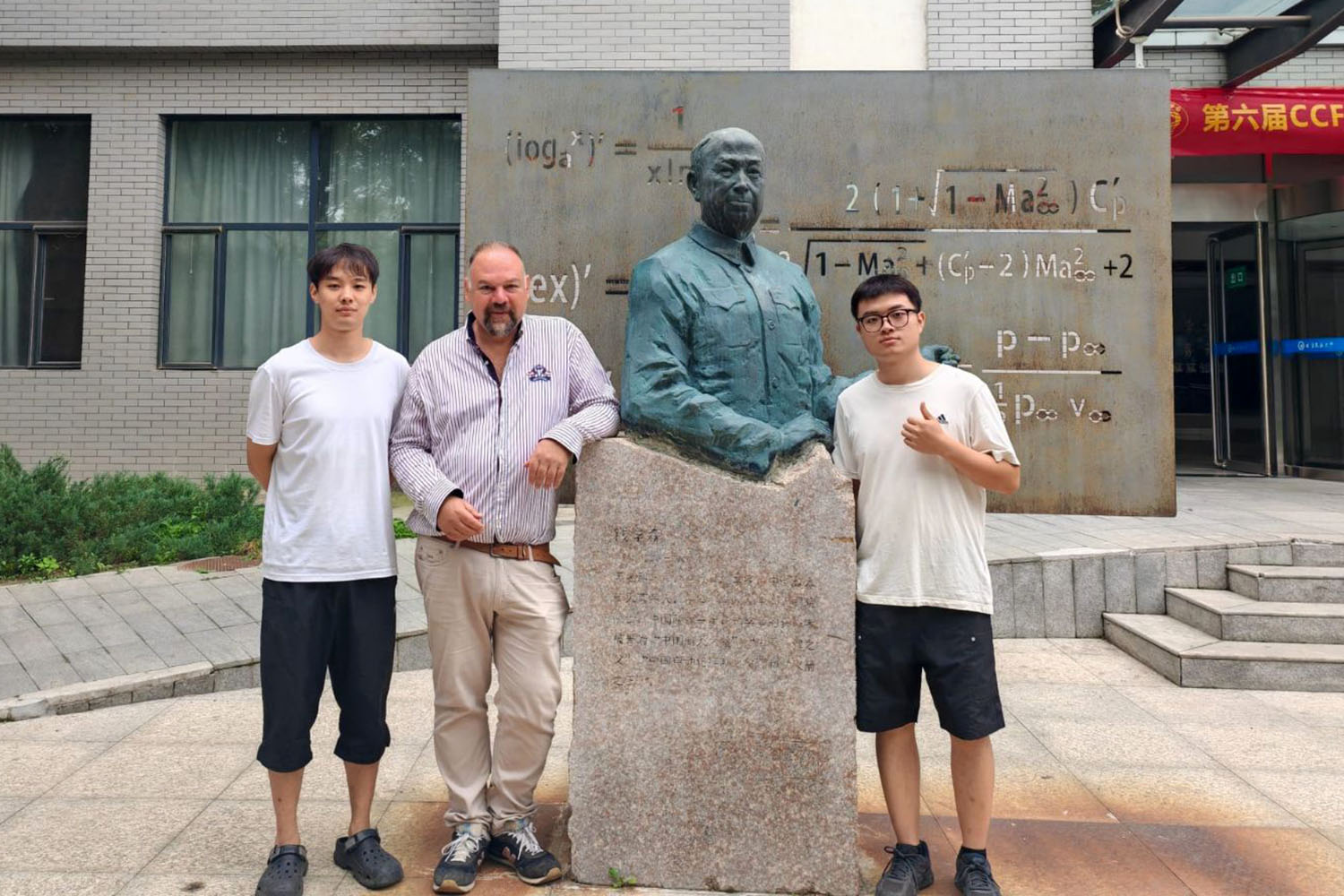
With that purity came contentment – and with contentment came joy. It wasn’t the artificial, high-energy joy of consumerist pleasures; it was the quiet joy of knowing you are living well, caring for your family, and being part of something greater than yourself.
This realisation struck me deeply. Over the years, I’ve felt my faith in humanity tested – by selfishness, dishonesty, and the constant noise of a world obsessed with self-promotion. But here, among people who worked hard, smiled often, and lived simply, I felt something shift inside me.
My dream came true: I finally restored my faith in humanity. I now know there is a place where kindness is common, where values are strong, and where happiness is measured not by how much you have, but by how much you give and share.
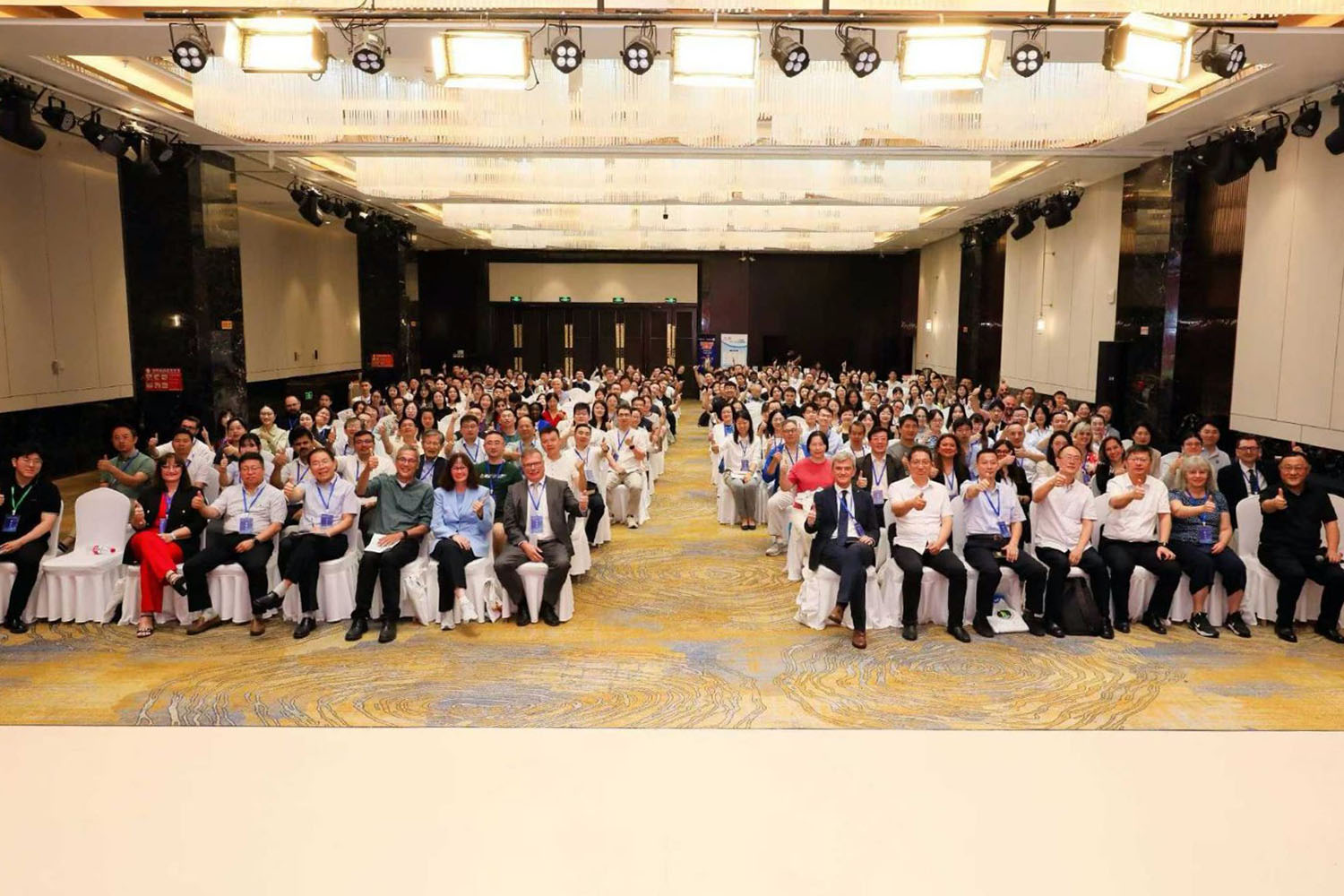
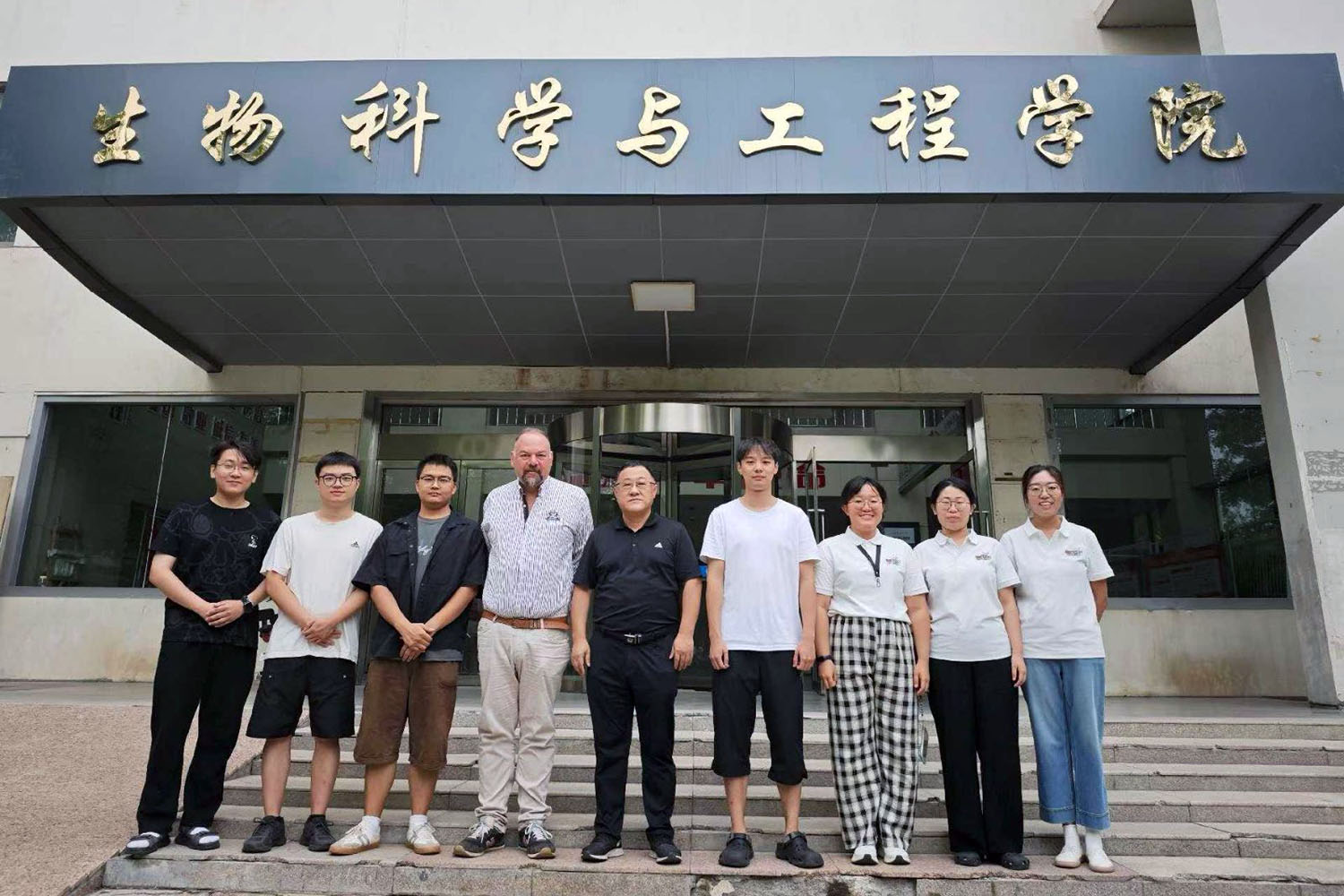

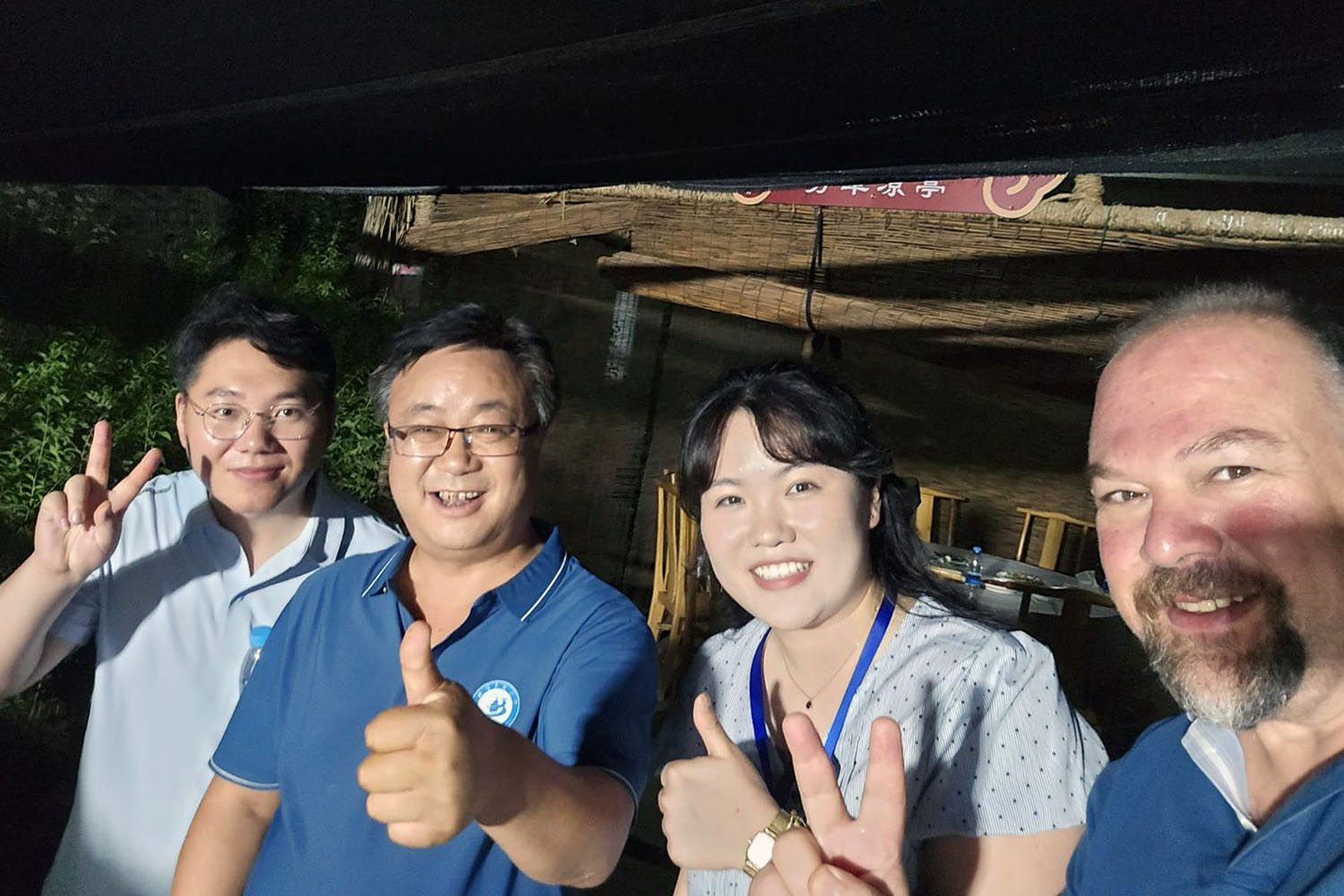
As I prepare to leave, I know the memories I carry won’t just be about the famous landmarks or the incredible food – though those were unforgettable too. They will be about the small moments: the shopkeeper who greeted me every morning as if I were a regular, the elderly couple holding hands as they strolled through the park, the waitress who refused my tip with a smile that said, ‘We’re happy if you’re happy,’ and the children whose laughter rang out like the clearest music.
Sometimes, travel doesn’t just show you a new place – it shows you a new way of thinking. For me, China was precisely that. It was a reminder that even in a complex, modern world, there are still pockets of purity, sincerity, and moral strength. And if those values can thrive here, perhaps they can be nurtured elsewhere too.
In a time when so many believe that greed and cynicism are the inevitable outcomes of progress, I have seen evidence that another way is possible.
Now, whenever I feel disheartened by the state of the world, I will remember these streets, these smiles, and these people – and I will know that somewhere, this reality exists. And knowing that is enough to give me hope.
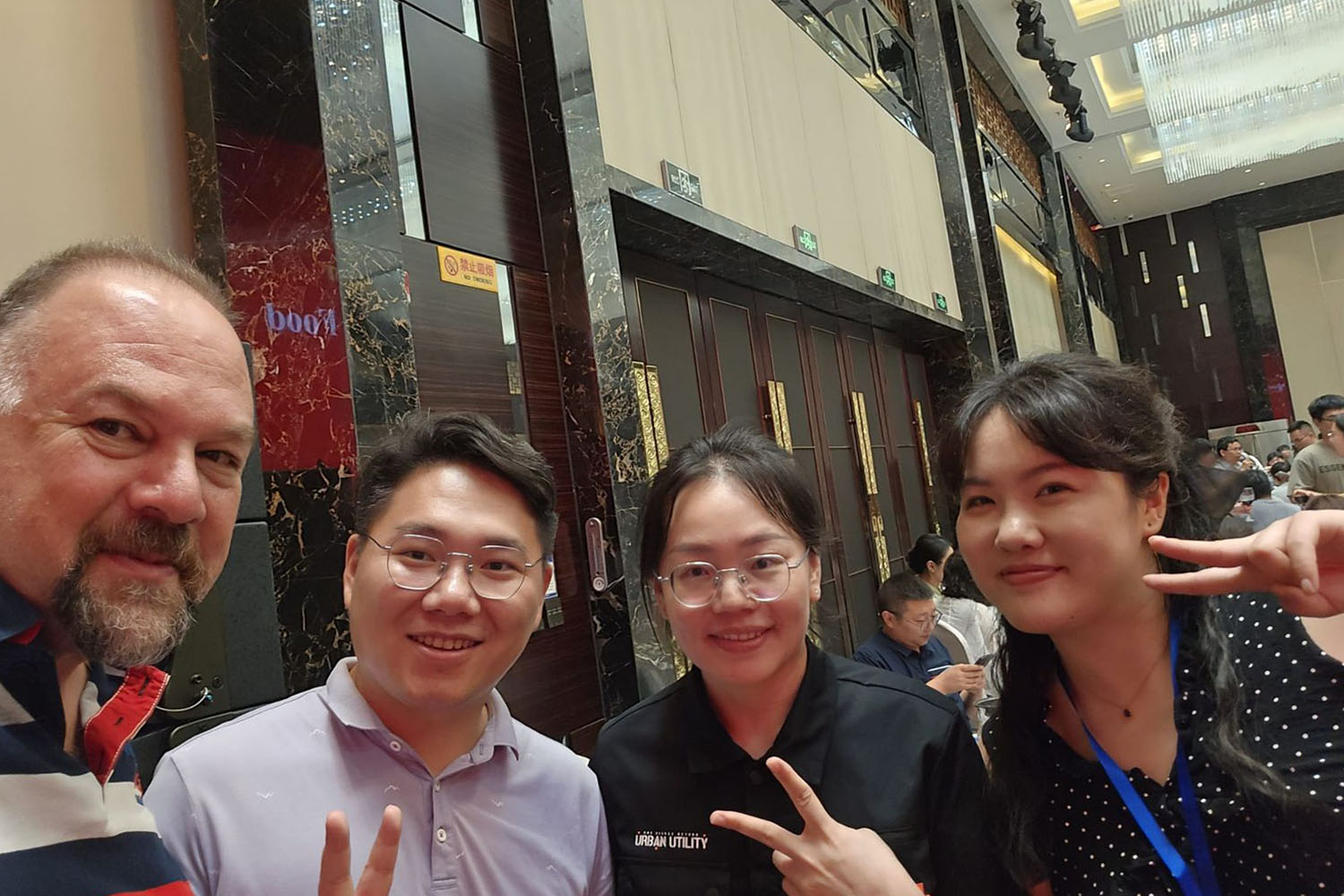
All photos provided courtesy of Chev. Prof. Renald Blundell. To read more about his latest research and experience in Yinchuan, check out the following Newspoint articles:




Comments are closed for this article!