
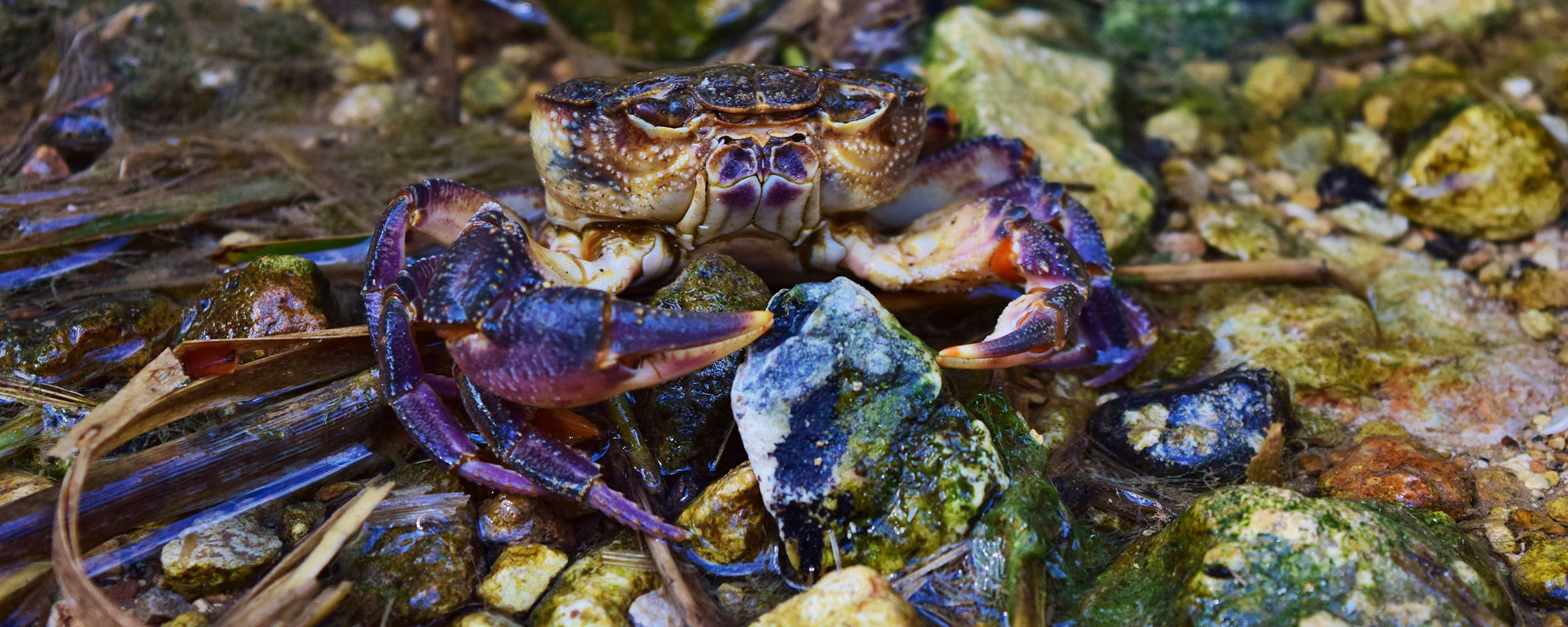
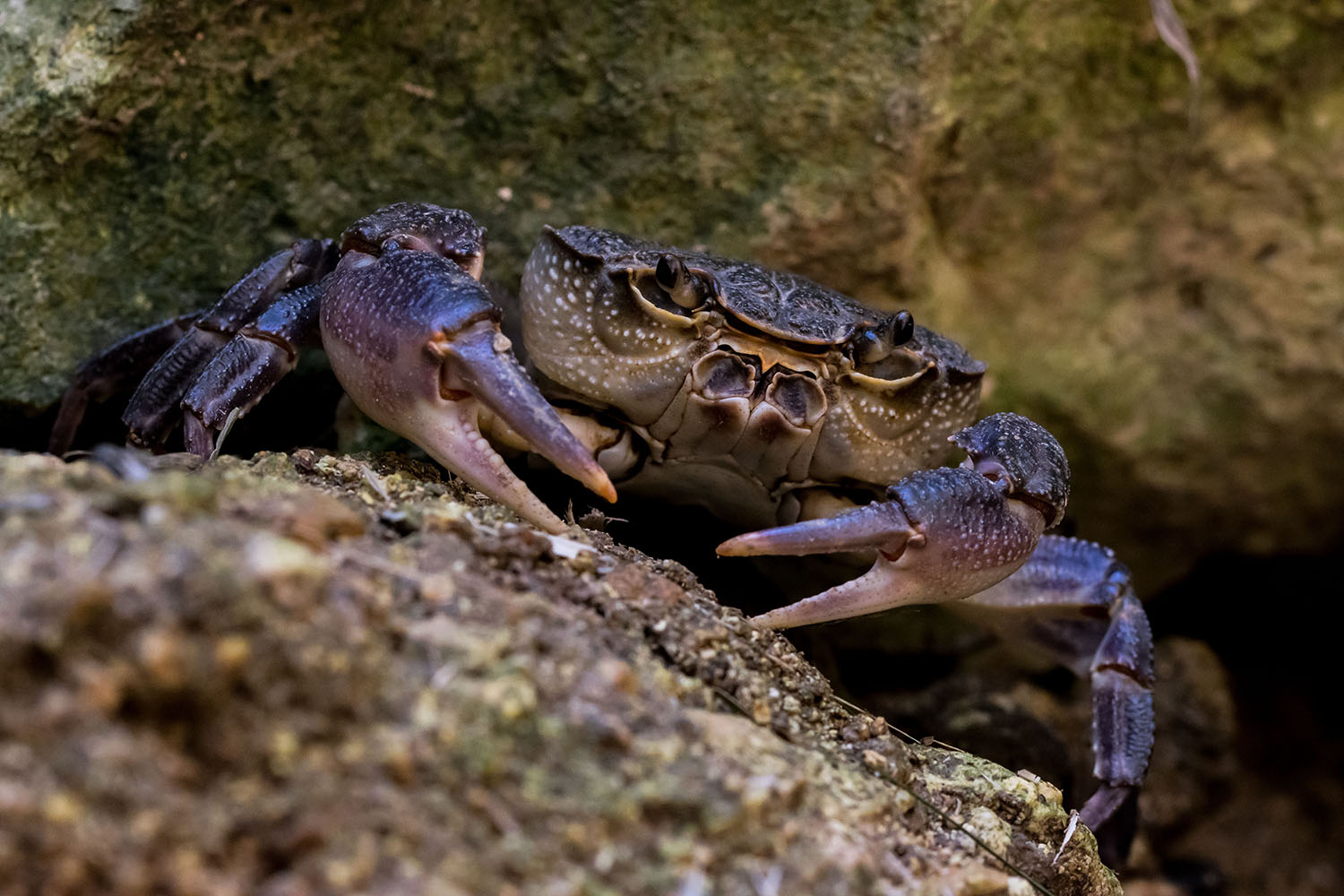
Once engraved on the Maltese lira’s five-cent coin, il-Qabru, Malta’s freshwater crab, now threatens to vanish not just from our coinage but from our islands altogether. Classified as critically endangered some years ago, it is more pertinent than ever to understand the ongoing research into these crabs, what makes them special and what it will take to save them from extinction.
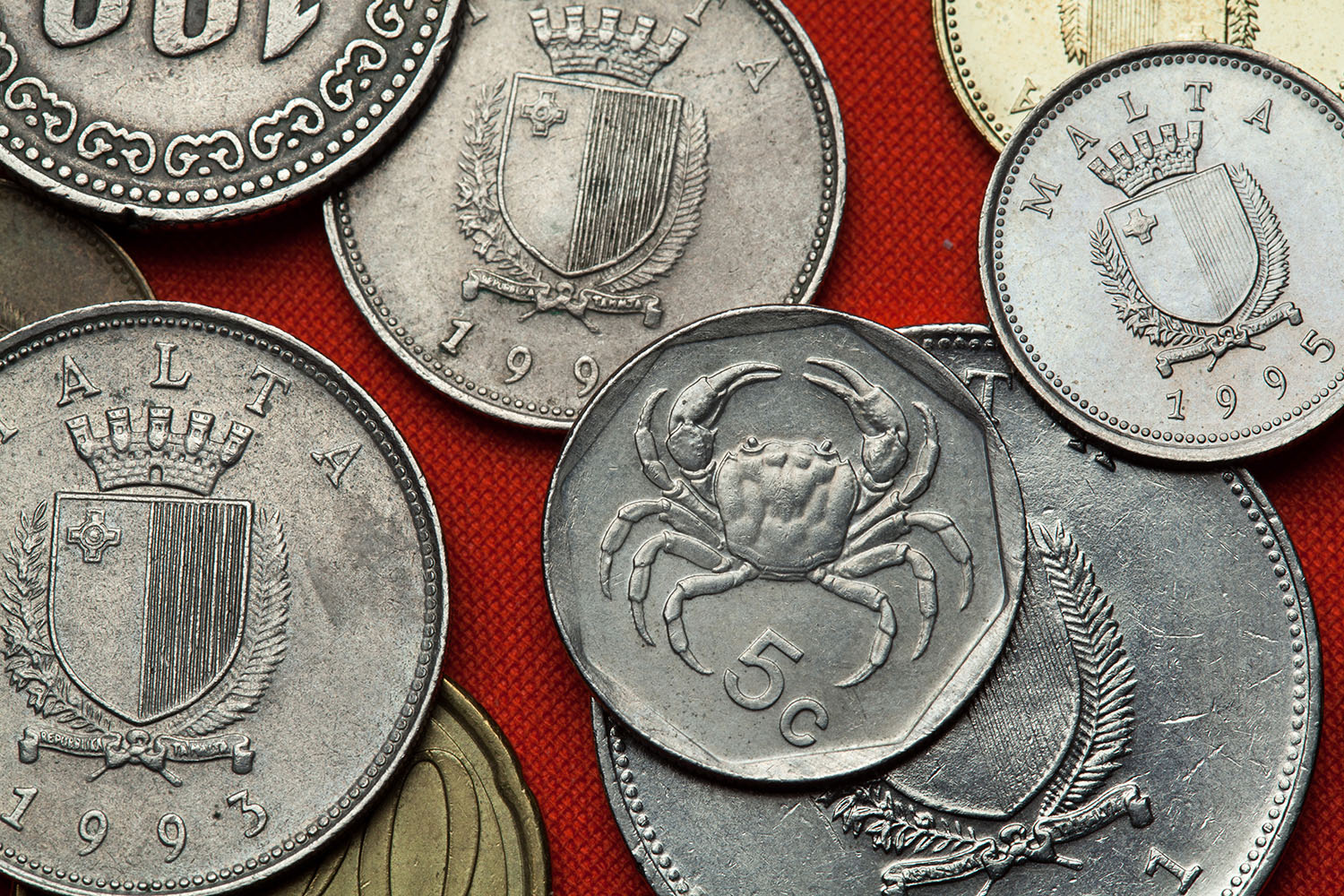
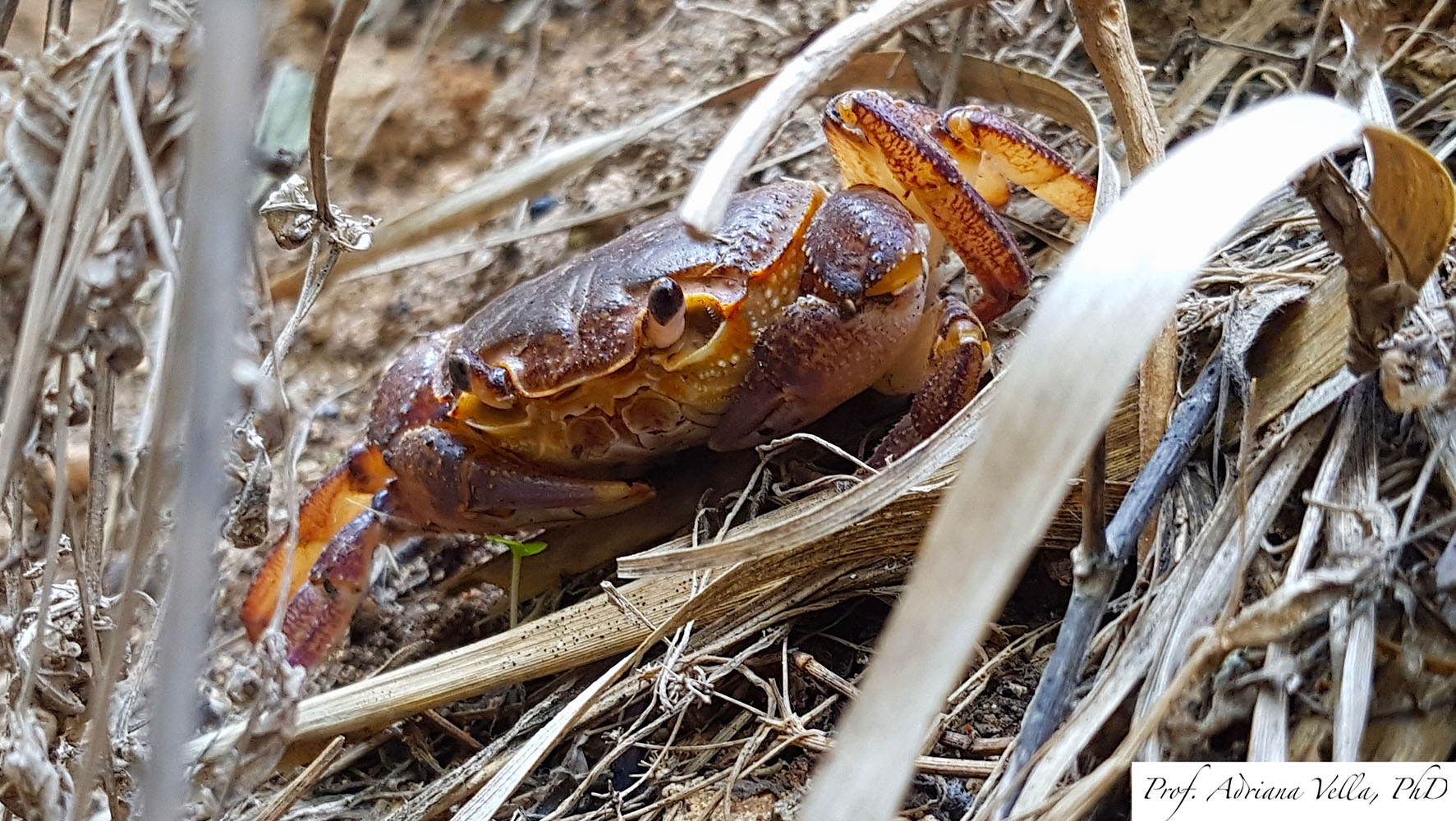
Il-Qabru, the freshwater crab, scientifically known as Potamon fluviatile, is one of Malta’s most iconic yet elusive species. Aside from featuring on Malta’s old five-cent lira coinage before the adoption of the Euro, the species was declared as the country’s national invertebrate in 2018, and is legally protected. Today, it survives in only a handful of habitats across Malta and Gozo, and was classified as critically endangered following a detailed scientific research project, which was partly financially aided by ERA to Prof. Adriana Vella, who leads the Conservation Biology Research Group (CBRG) at UM’s Department of Biology.
As part of the CBRG, Dr Noel Vella and Arthur Lamoliere assisted in the research project, with the latter undertaking his master’s research under A. Vella’s supervision on the Distribution and morphometric characterisation of the freshwater crabs in selected valleys of the Maltese Islands: Implications for their conservation.
To protect and conserve the crab, these academics have carried out unprecedented studies on the species, made possible through an ERA permit supplied to A. Vella, leading this conservation project. A. Vella and N. Vella were the first to sequence the species’ mitochondrial genome, while developing protocols to examine in-depth the population structure of the species. Their work underscores the notion that only evidence-based conservation can prevent unintended consequences, given the recent discoveries about the local freshwater crab populations’ genetic make-up.
Genetic Islands within Islands
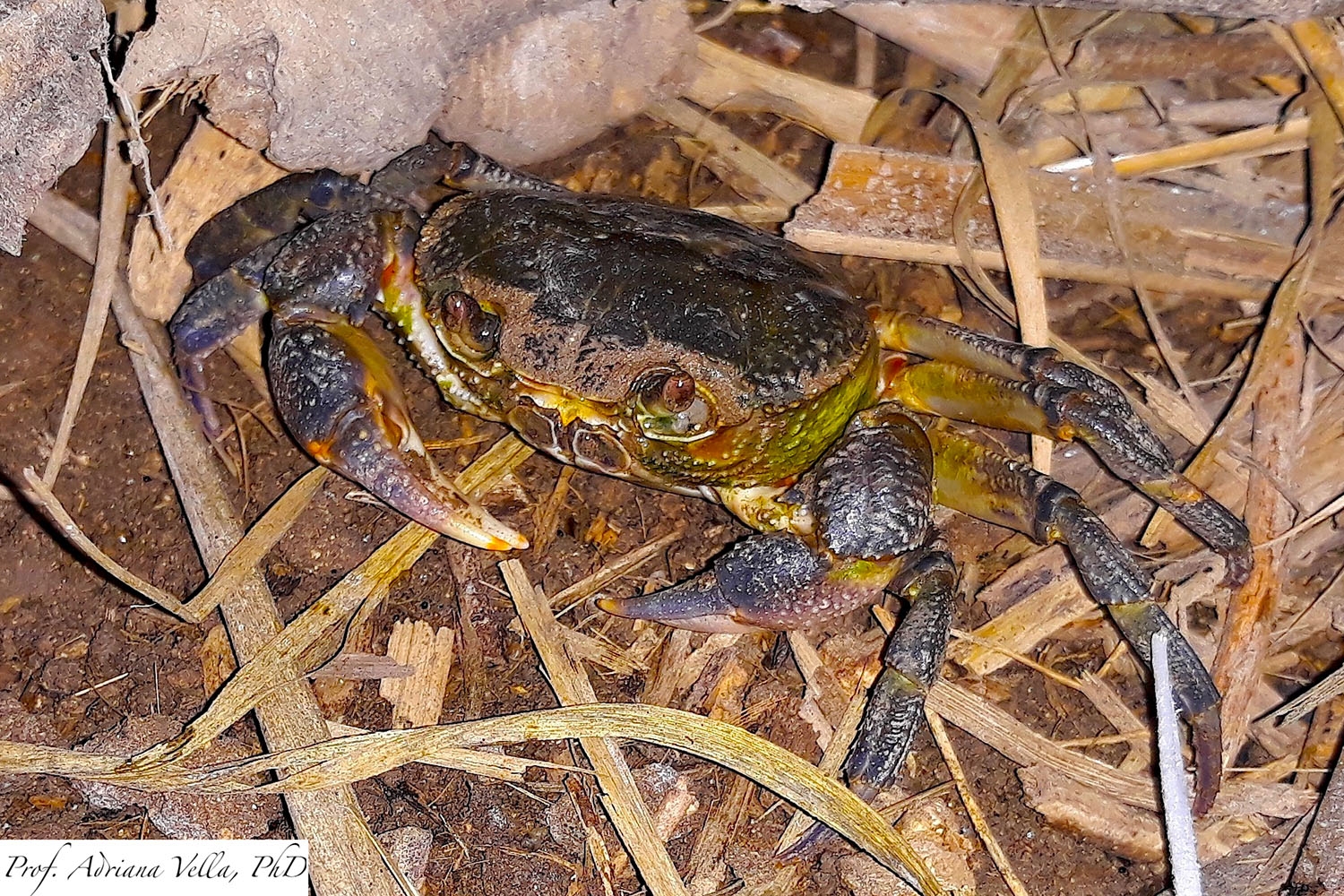
Their ongoing research resulted in the publication of two innovative studies in 2020 and 2022, respectively, through which they share their discovery that the local populations of freshwater crabs are genetically distinct from one another, despite the small size of Malta and limited freshwater habitats. The populations are highly fragmented even at micro-geographic scales, with some just a kilometre apart. Each valley they studied showed unique genetic characteristics and minimal gene flow, suggesting historical isolation and multiple conservation units, overturning the assumption that we have one population across the islands.
‘Using genomic data from local specimens, we created a baseline dataset that can be used to support more in-depth research on the freshwater crab both locally and in Europe. The datasets, which are publicly available on genetic databases, can now be used at an international level to not only compare with other specimens of the same species but also other related species,’ A. Vella explains.
In Malta, the authors discovered two major genetic groupings. The study further revealed that Malta’s populations contain surprisingly divergent genetic variants similar to those found in different southern European locations, overturning assumptions that the Maltese Islands host an endemic subspecies.
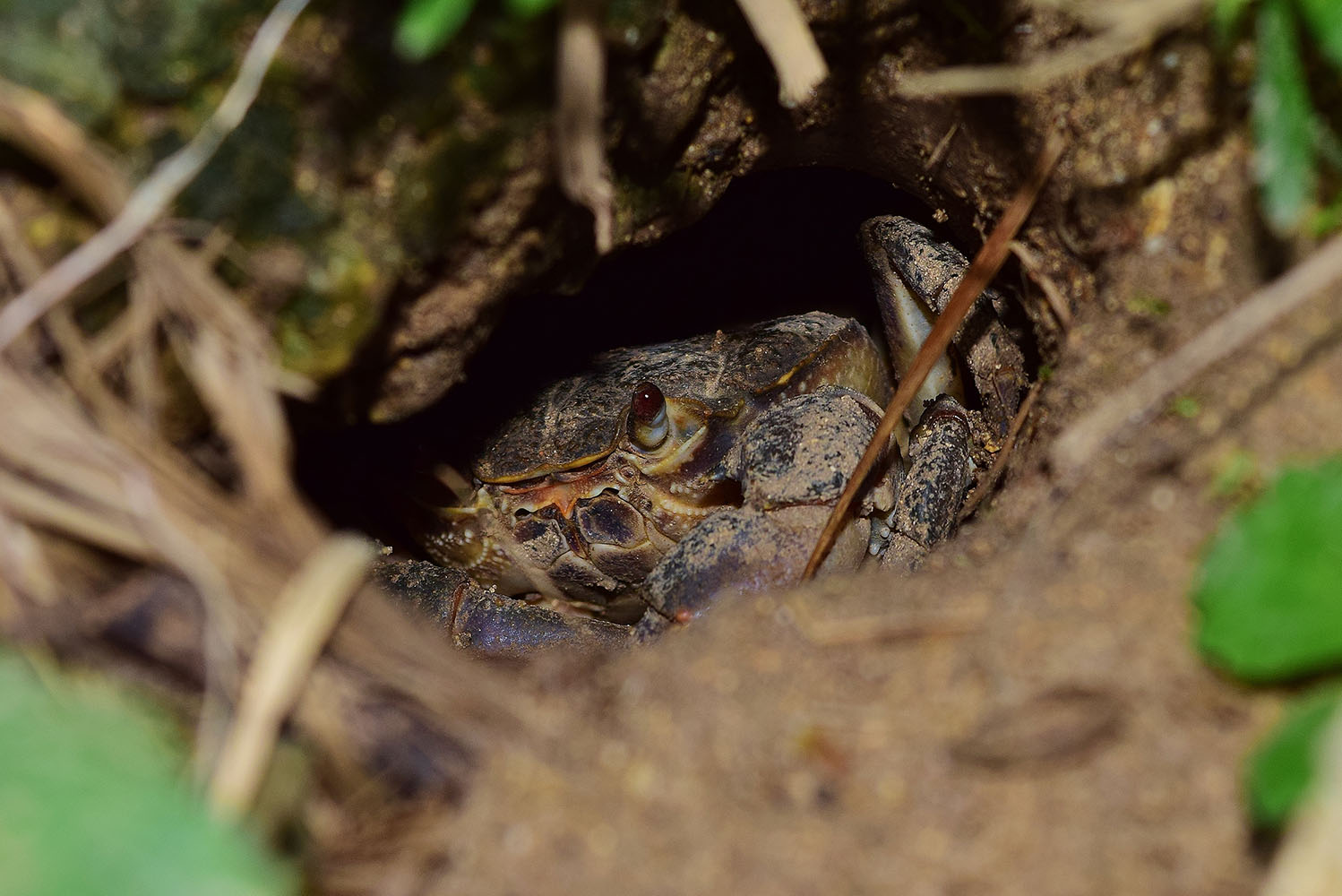
‘In our tiny islands, we get the diversity of the main genetic subgroups that are found throughout Europe. It is as though when Malta was still connected to the mainland, there was an exchange of different freshwater crab populations. Additionally, one cannot exclude the likelihood that people simply found these crabs useful, such as a food resource, and carried the species themselves across locations. To have found all these distinct genetic groupings in the Maltese islands is extraordinary, especially given that some genetic variants seem to be endemic,’ A. Vella and N. Vella elaborate.
Habitats under Siege
The recent classification of the species as critically endangered is of particular concern given that the conditions for il-Qabru continue to deteriorate. As Malta continues to urbanise, increased pressure is being placed on its limited freshwater resources. This pressure, combined with increased human activity, raises the risk of pollution and contamination, including that originating from littering or dumping waste in the countryside. The academics recounted how they encountered various types of litter, including construction material such as half a bag of cement on the side of a stream, raising questions not only about why someone would dump it there, but how they even went to the trouble to access the location just to do so. Climate change is another threat, as decreased rainfall strains an already fragile habitat.
While these threats are at least intuitive, the research into the genetic composition of the crabs revealed the risks behind well-intentioned conservation efforts that are carried out without sufficient data. Now that the genetic distinctiveness of the crabs has been discovered, conservation measures must not increase the risk of destroying that uniqueness, which may also come with evolutionary adaptations for their current habitats. Furthermore, male freshwater crabs are highly territorial and aggressive, so the random introduction of rival males may also lead to unplanned strife.
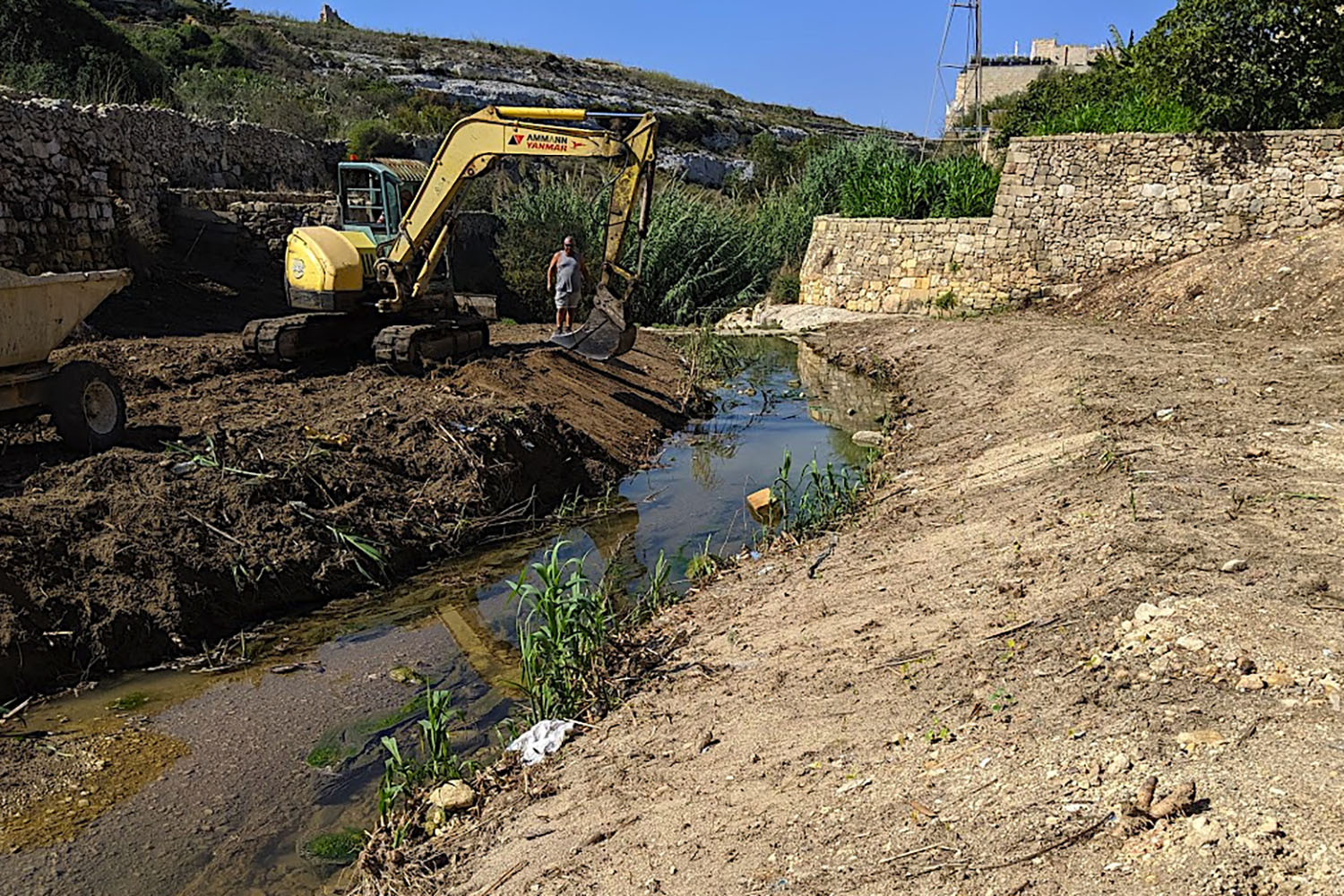
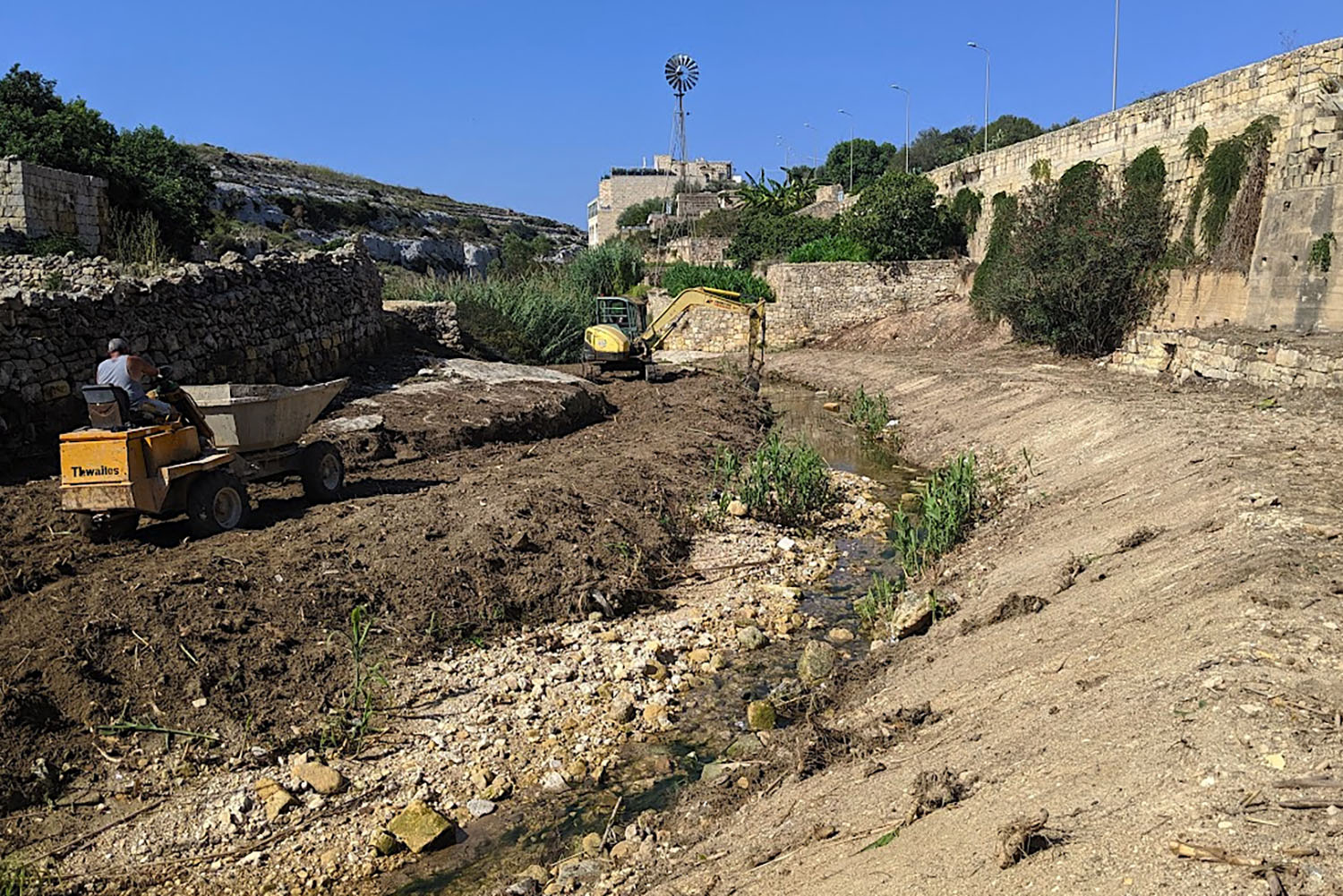
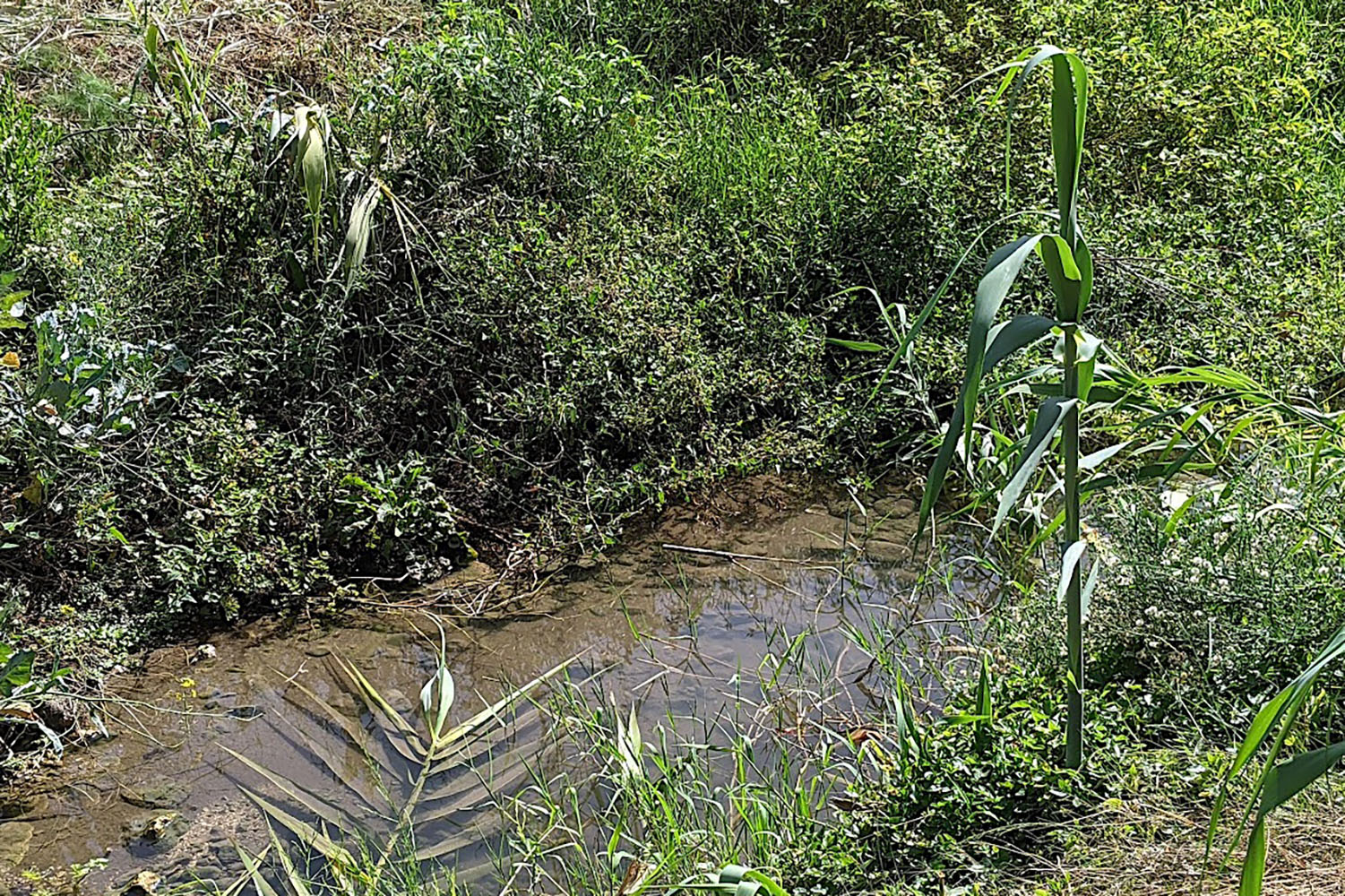
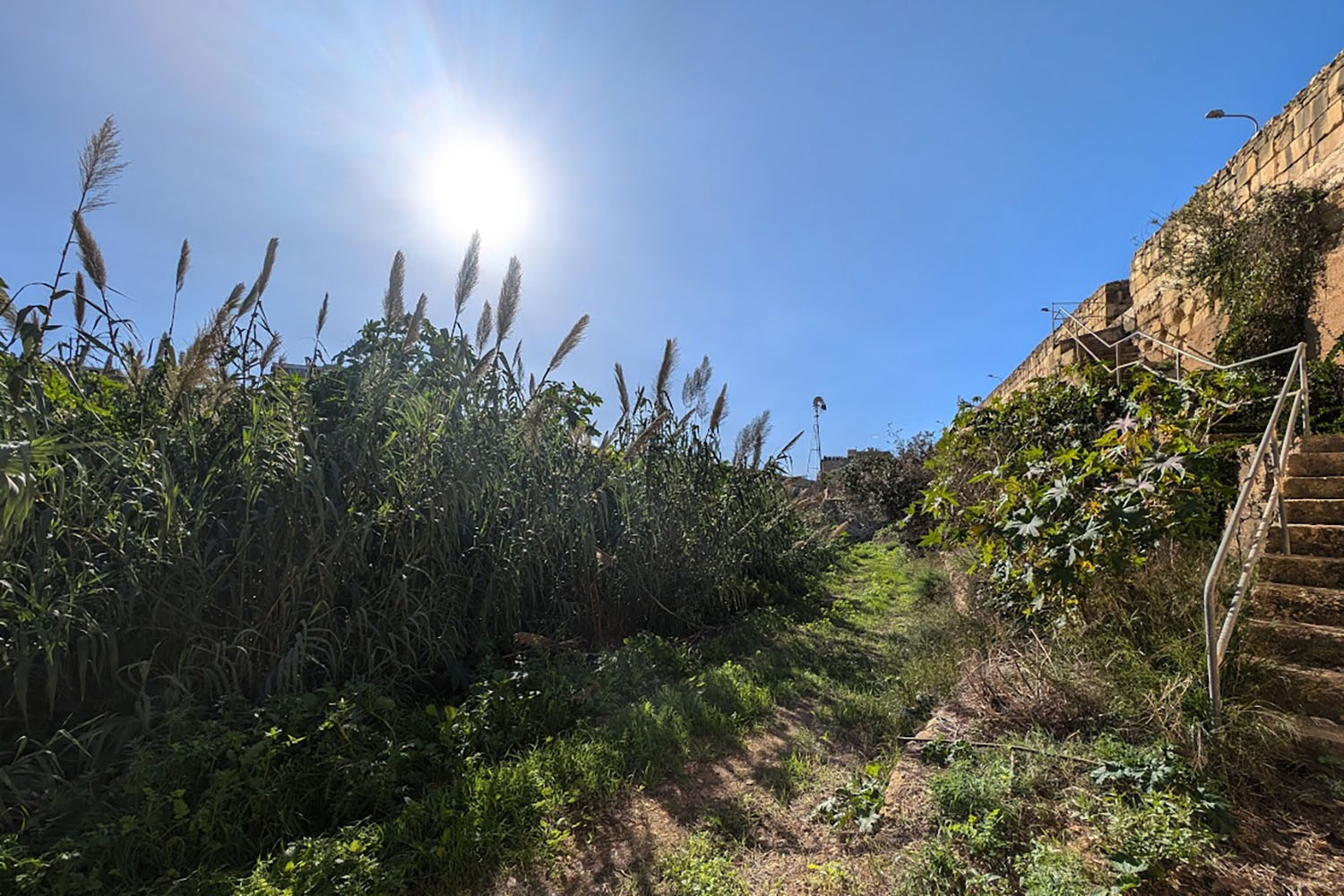
Attempts to remove invasive reed species in Xlendi, Gozo, may have destroyed part of the limited areas on Malta’s sister island where the freshwater crab is still able to survive. Bulldozers and heavy machinery were used to remove the giant reeds (Arundo donax), leaving behind a desolate landscape. In these areas, the freshwater crabs have come to depend on the reeds for shelter from the heat, and in turn, the reeds help to prevent evaporation and provide protection to the habitats upon which the crabs depend. Furthermore, the crabs are able to utilise spaces between the roots of the reeds and the soil as a form of burrow and shelter.
A. Vella and N. Vella note that, ‘The crabs preferred going in these hollows around the roots of great reeds to strengthen their burrows. When visiting the site after the project that removed the invasive reed species, a barren landscape was found. The site remained in that state for some time before reverting to how it was before, with the invasive species re-established. Why was this damage inflicted on the freshwater habitat? In the end, it was the freshwater crab which suffered the most.’
While a growing problem across some of Malta’s freshwater sites, the invasive crayfish have not been found in the habitats of freshwater crabs just yet. In other areas across Europe, where the two species do overlap, it is the freshwater crab which emerges as dominant. Under regular conditions, and in their natural habitats, crayfish are therefore not an automatic threat to freshwater crabs. Nonetheless, the crayfish, when in large numbers, has habitat modification abilities and can also carry exotic microorganisms, thus may further threaten the freshwater crab.
Saving Malta’s Freshwater King
While authorities have not taken significant action to halt the loss of the freshwater crab, should they plan to do so, they have a strong basis for action in the National Biodiversity Strategy and Action Plan to 2030. As always with strategy, however, it all comes down to the implementation through the enforcement of regulations and effective conservation management.
When asked what it will take to save the freshwater crab, it would seem that much of the answer lies in reminding people what they stand to lose, and increasing public interest and pressure. To get people invested, one must personalise and evoke vivid imagery. With reference to its role as a keystone species, its aggressive nature and its uniqueness, the academics therefore dubbed the freshwater crab as the King of Freshwater Habitats, particularly in the Maltese Islands.
‘Without the king, ecosystems as we know them today would disappear. The freshwater crab, which is an animal people can see with their own eyes, plays a role as a flagship species for the conservation of the freshwater ecosystem,’ A. Vella concludes.
To save the freshwater crab, the academics believe a greater educational effort is needed, from television to schools. There is also hope that more students will pursue further conservation biology studies, as the need to safeguard species goes beyond the understanding of their ecology. One needs to understand the implications of decisions and know how to use the correct specialised tools.
Whether it be documentaries, newspapers, or social media, there needs to be more engagement between policymakers and conservation scientists to communicate accurate knowledge and to maintain the emotional connection with the increasingly threatened freshwater crab and its fragile freshwater habitat.
To learn more about the work carried out by the Conservation Biology Research Group (CBRG), kindly contact Prof. Adriana Vella at adriana.vella@um.edu.mt
Further Reading
Vella, A. & Vella, N. (2020). First population genetic structure analysis of the freshwater crab Potamon fluviatile (Brachyura: Potamidae) reveals fragmentation at small geographical scale. Genetics of Aquatic Organisms 4: 49-59.
Vella, A. & Vella, N. (2022). The mitochondrial genome of the freshwater crab Potamon fluviatile, the first sequenced representative of the subfamily Potaminae and its phylogenetic position within Potamidae. GenAqua 6(3): GA460.




Comments are closed for this article!