
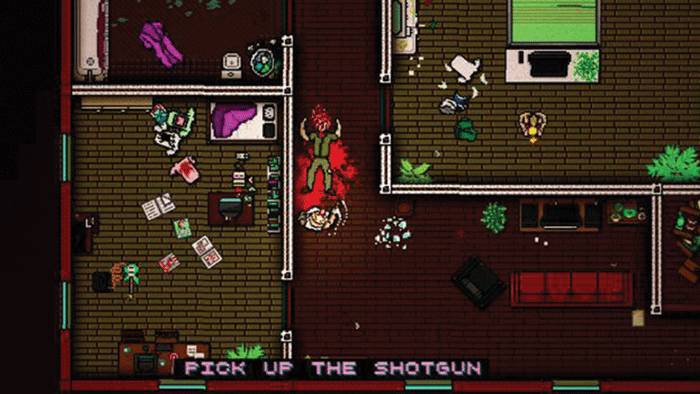

Indie games have allowed a new generation of creative developers to experiment. Nostalgia is a leading trope: defunct genres are being resurrected, and the 8-bit aesthetic is a stylistic trademark. Adhering to this practice, the first episode of Hotline Miami chewed-up old-school arcade games and nineties ultraviolence, mixing it up with a contemporary, psychedelic audiovisual blend.
Hotline Miami 2 keeps all of that with a set of new mechanics: players can now shoot sideways, roll under enemy fire, and brandish katanas. The game’s greatest merit is to carefully balance unabashed mayhem with careful strategy. You will need to memorise patterns and act quickly at the right time. And then, do it again and again.
As a sequel, Hotline Miami 2 feels rather conventional. As expected, every part of the game has been expanded and the game mechanics have been completely exploited. Its narrative has been exhausted and lost sequential logic. It now serves as a backdrop for yet another suicide assault.
Hotline Miami 2 is undoubtedly a joy: a well-crafted, ultrafast ride, with a fantastic, inspired soundtrack. The game is designed to satisfy its fanbase. The struggle continues between innovation and conservatism.




Comments are closed for this article!