
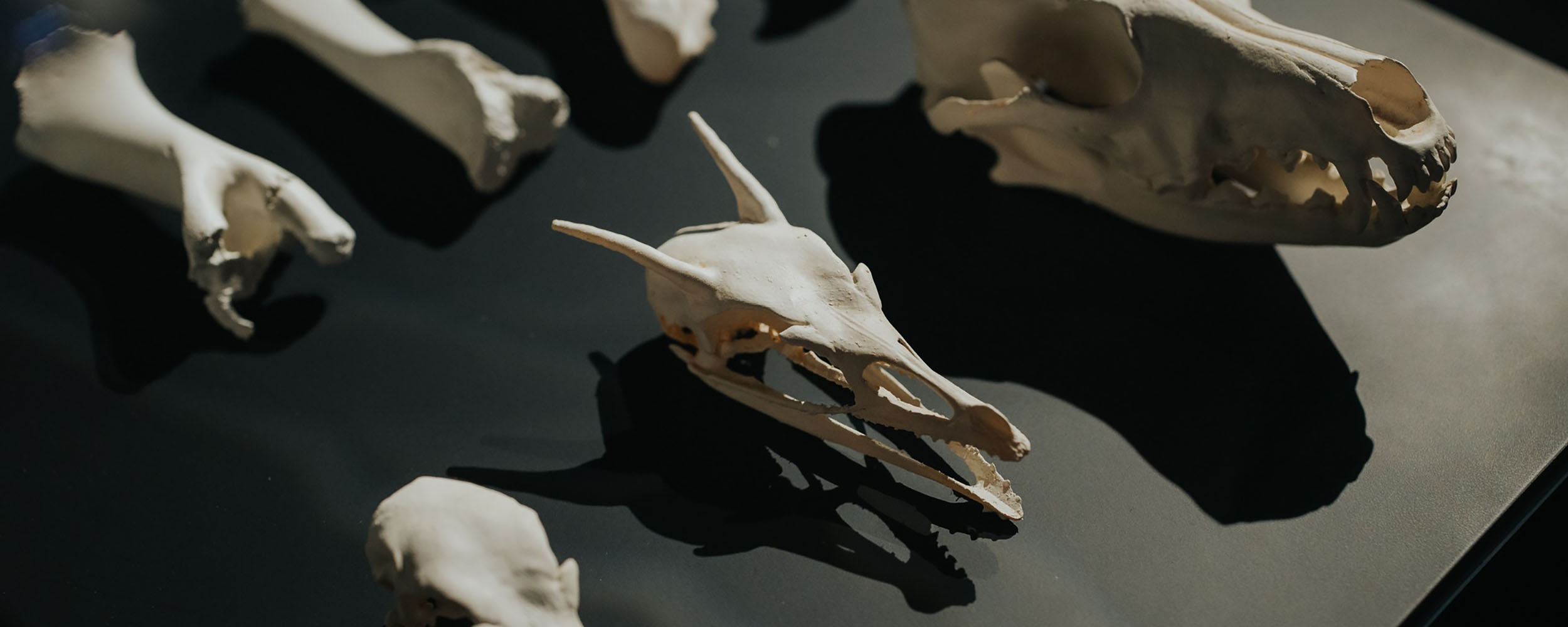
Celebrating Maltese artists and their work, the Malta Arts Council’s RETOLD initiative brings the MALETH exhibition back from the Venice Biennale to its homeland. Featuring powerful works by Vince Briffa and Trevor Borg, this series invites local audiences to engage with themes of identity, refuge, and belonging through contemporary Maltese art.
To mark its 10th anniversary, Arts Council Malta has launched RETOLD – an initiative that brings home, for the first time, works by Maltese artists and creatives originally showcased at the La Biennale di Venezia and the London Design Biennale. This initiative offers the opportunity for local communities to experience these internationally acclaimed works that not only bring pride to Malta but also reflect its evolving cultural identity.
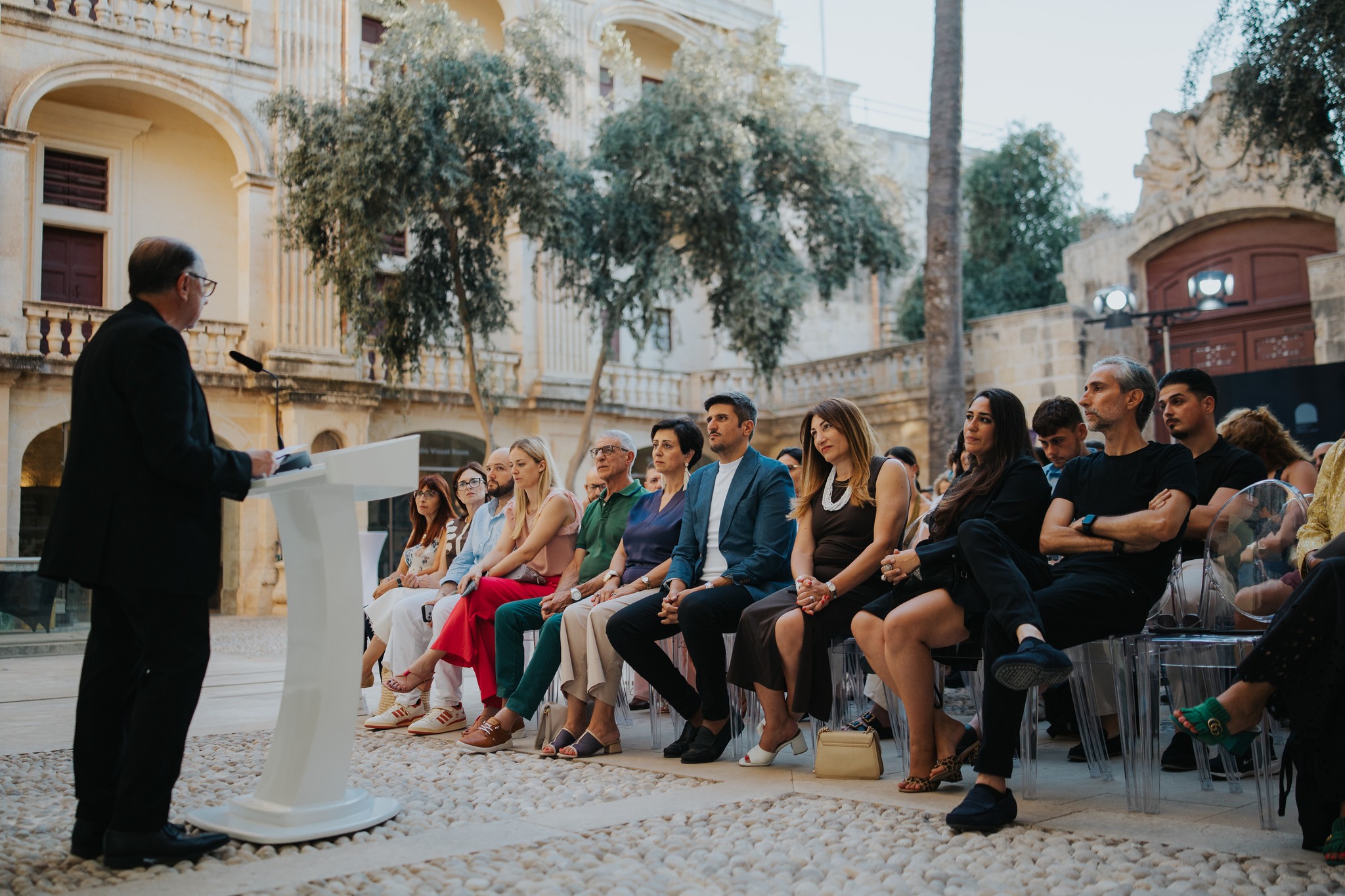
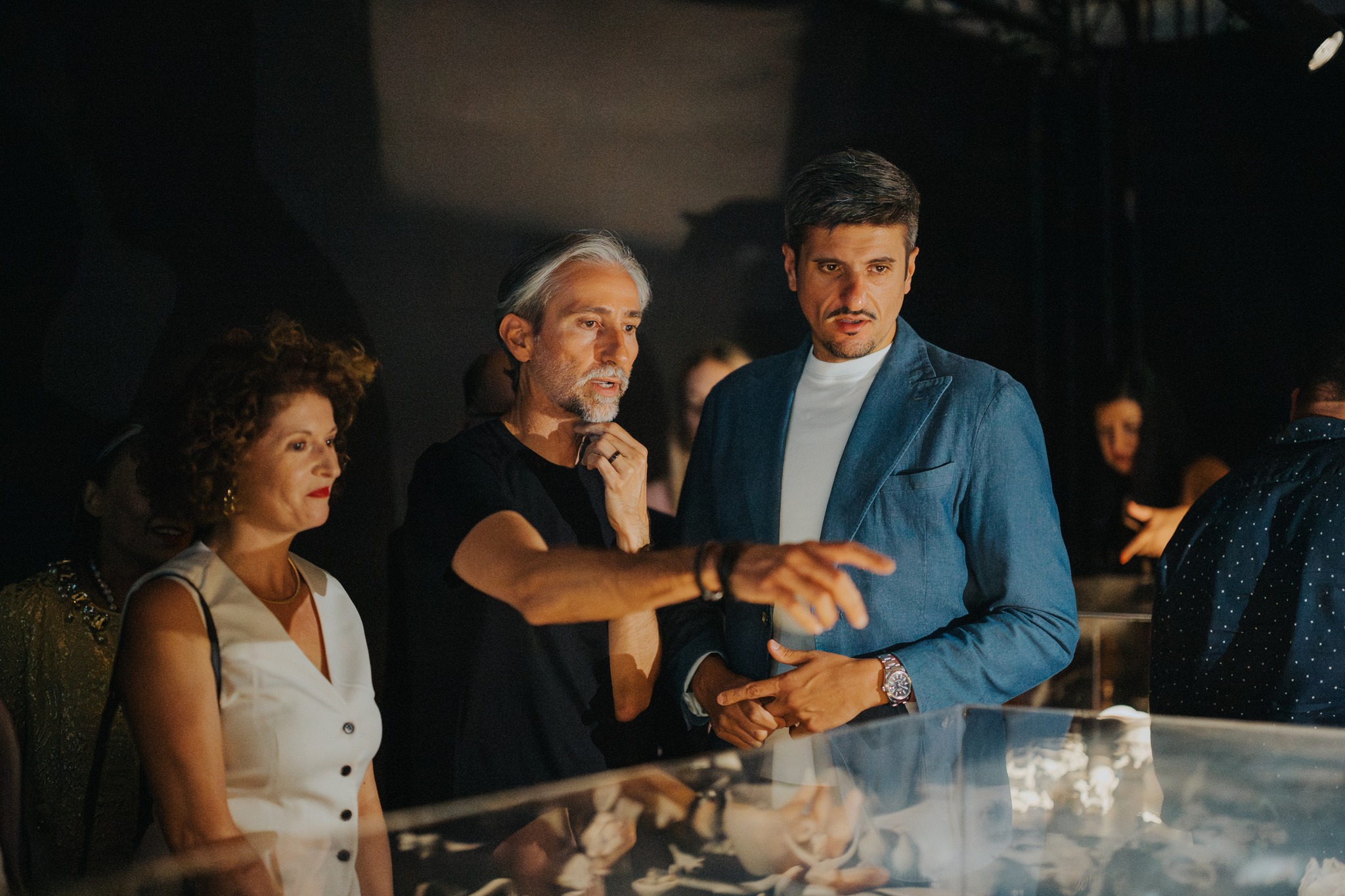
The second project in this series is MALETH, currently being exhibited at the National Museum of Natural History in Mdina. The works of MALETH, created by Prof. Vince Briffa and Prof. Trevor Borg from the UM’s Department of Digital Arts, were originally presented as part of Maleth/Haven/Port at the Malta Pavilion during the 2019 Venice Art Biennale. The exhibition was curated by Dr Hesperia Iliadou de Subplajo-Suppiej and originally included another artist – Klitsa Antoniou.
MALETH draws its name from the ancient Phoenician word for Malta, invoking the island’s rich history as a place of refuge, transition and exchange. Situated at the crossroads of the Mediterranean, Malta has long been a haven for seafarers, traders and migrants. The exhibition explores themes of arrival, displacement and belonging, concepts that echo both Malta’s past and its contemporary realities. In bringing MALETH back to its homeland, the exhibition not only reactivates the conversations started in Venice but also situates them within the local landscape that inspired them.
A Meditation on Longing
Briffa’s film, Outland, is a multimedia film work that engages deeply with themes of human desire, displacement and psychological tension. Drawing on Homer’s Odyssey, particularly the narrative of Ulysses and Calypso, the film investigates the complex dynamics of longing and captivity by positioning the ‘port’ as both refuge and site of internal conflict.
As Briffa explains, ‘Outland is a window to the human soul that reflects our humanity and wishes of where we live.’ This reflective lens frames Calypso as a metaphor for an idealised haven, likened to the island of Gozo, where safety and beauty become simultaneously alluring and alienating. The island becomes a metaphor for desires that simultaneously comfort and confine.
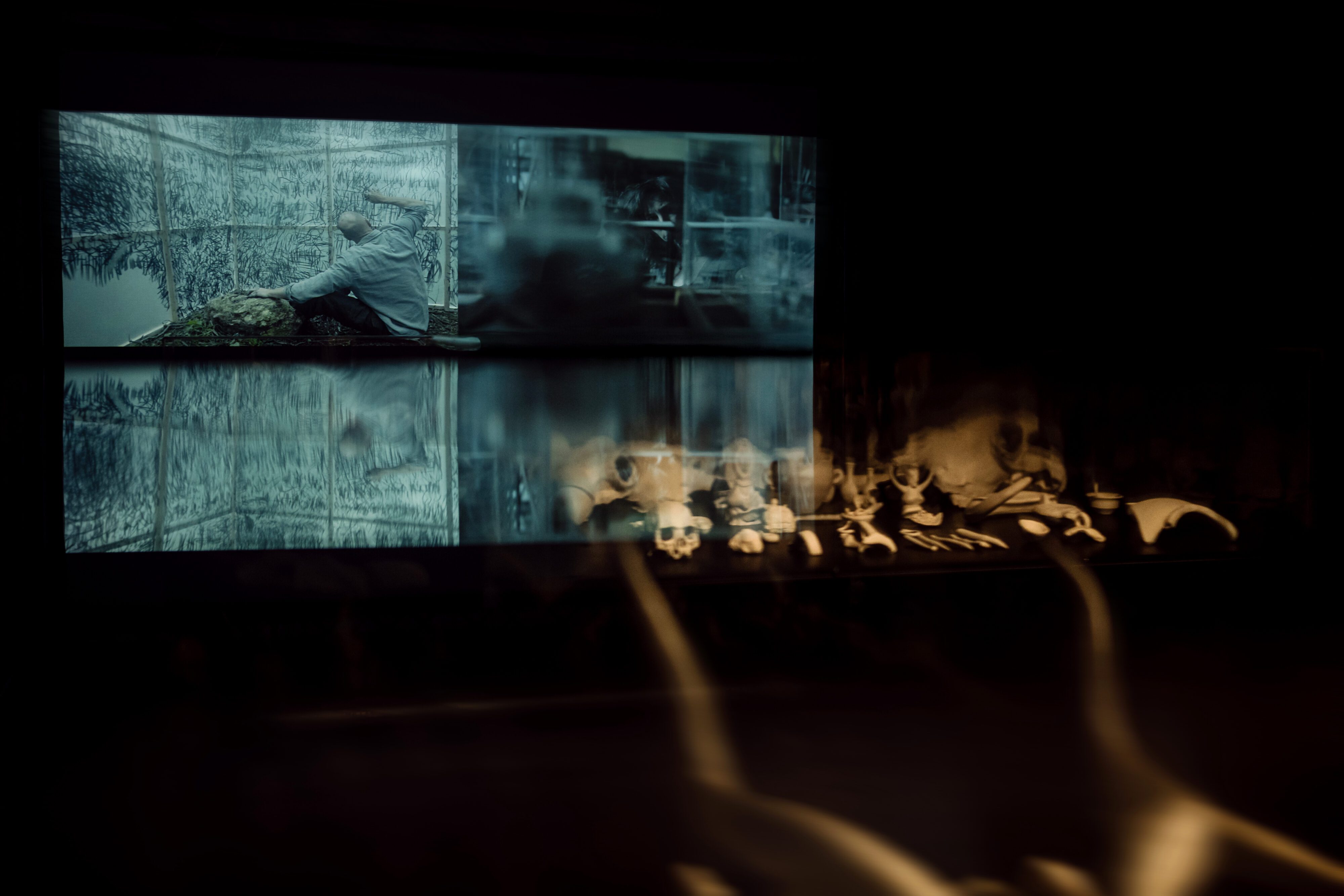
The act of drawing in the film marks a critical turning point. As the protagonist begins to sketch, he retreats from the external world into his imagination. What once captivated him, the lush natural beauty of the island, fades into the background, replaced by the seductive freedom of an internal landscape. Drawing becomes both escape and pleasure, signalling a withdrawal from reality and a forgetting of what once seemed heavenly.
This notion resonates strongly with Jacques Lacan’s theory of desire (1966/2006), by which he argues that we do not truly desire an object itself, but rather the desire it represents. The object of desire is merely a vessel, an illusion; what we long for is the feeling of longing itself. Once the object is within reach or fully possessed, the desire dissipates and with it, our sense of purpose or direction.
Briffa reflects this psychological paradox through the film’s emotional arc, where anxiety, born from the tension between reality and imagination, gives way to sadness and resignation. We become caught in a cycle of defending, reinterpreting and reconstructing our relationship with ourselves and others. As Briffa states, ‘anxiety surfaces when our imagination becomes one with reality.’
The act of drawing in the film marks a critical turning point. As the protagonist begins to sketch, he retreats from the external world into his imagination. What once captivated him, the lush natural beauty of the island, fades into the background, replaced by the seductive freedom of an internal landscape. Drawing becomes both escape and pleasure, signalling a withdrawal from reality and a forgetting of what once seemed heavenly.
This notion resonates strongly with Jacques Lacan’s theory of desire (1966/2006), by which he argues that we do not truly desire an object itself, but rather the desire it represents. The object of desire is merely a vessel, an illusion; what we long for is the feeling of longing itself. Once the object is within reach or fully possessed, the desire dissipates and with it, our sense of purpose or direction.
Briffa reflects this psychological paradox through the film’s emotional arc, where anxiety, born from the tension between reality and imagination, gives way to sadness and resignation. We become caught in a cycle of defending, reinterpreting and reconstructing our relationship with ourselves and others. As Briffa states, ‘anxiety surfaces when our imagination becomes one with reality.’
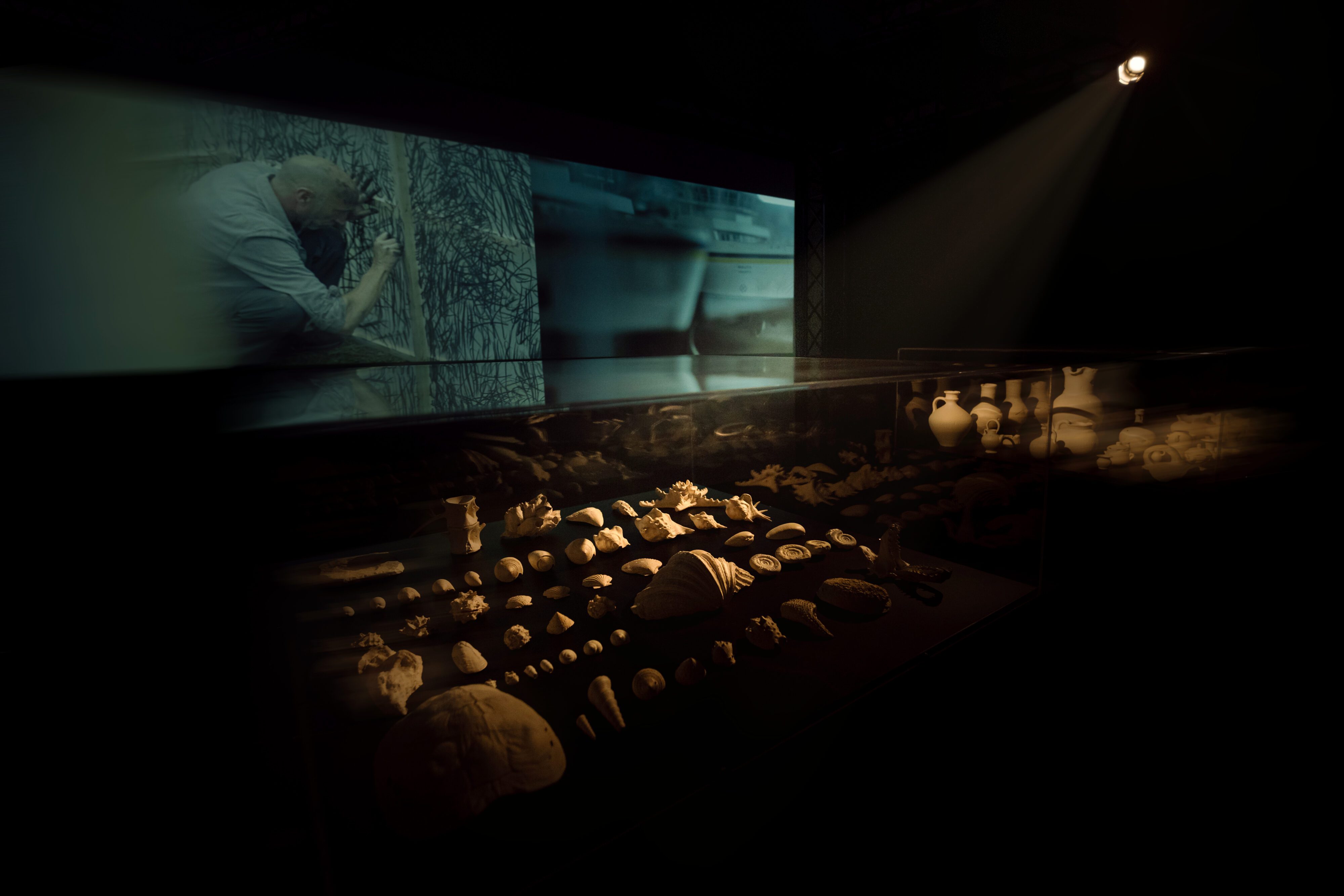
At its core, Outland is ‘a meditation on the human condition and our eternal voyage between “wish” and “appetenza” (meaning longing and yearning),’ concludes Briffa. It confronts the impossibility of ever fully reconciling the two, asking whether peace lies in attaining what we want or in continuing to want what remains just out of reach.
At the 58th Art Exhibition of La Biennale di Venezia, Briffa was honoured with the Omaggio all’Arte ed all’Innovazione a Venezia – a fitting recognition for a film that thoughtfully explores the complexities of human emotion and desire.
Layers of Memory and Myth
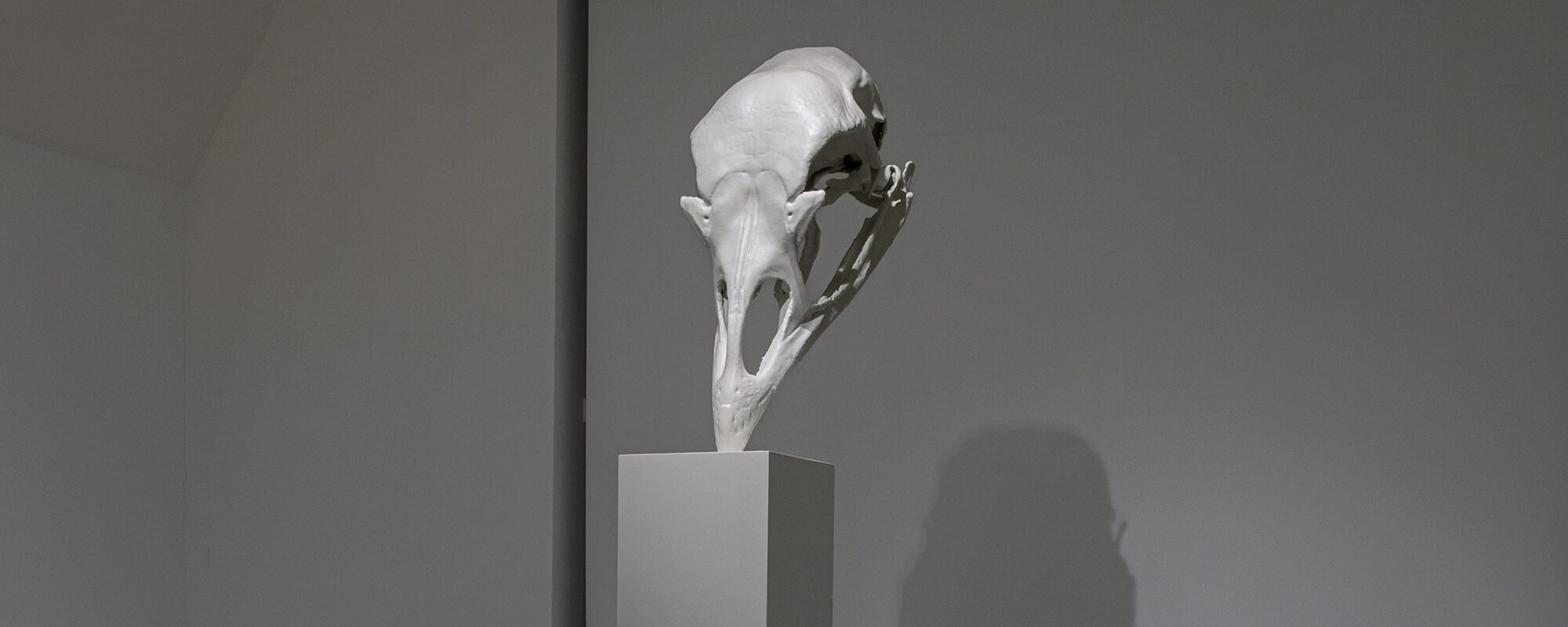
Borg often visited Għar Dalam in his youth, Malta’s oldest prehistoric cave and site at the outskirts of Birżebbugia. It was the place where he and his friends used to go to play. He also grew up watching films like Indiana Jones and always wished to discover something hidden in Għar Dalam that no one else had found. That childhood dream eventually took him back to this cave for this installation.
Cave of Darkness consists of 450 pieces. ‘It’s a homage to the place that inspired me,’ Borg explains. While working on the piece, other interests started to emerge, particularly his fascination with collections, especially how museums arrange and display objects. He began combining these with his imagination, adding pieces that were never actually found in Għar Dalam, but that he wished had existed. ‘I created a collection that I wished to find myself in Għar Dalam.’
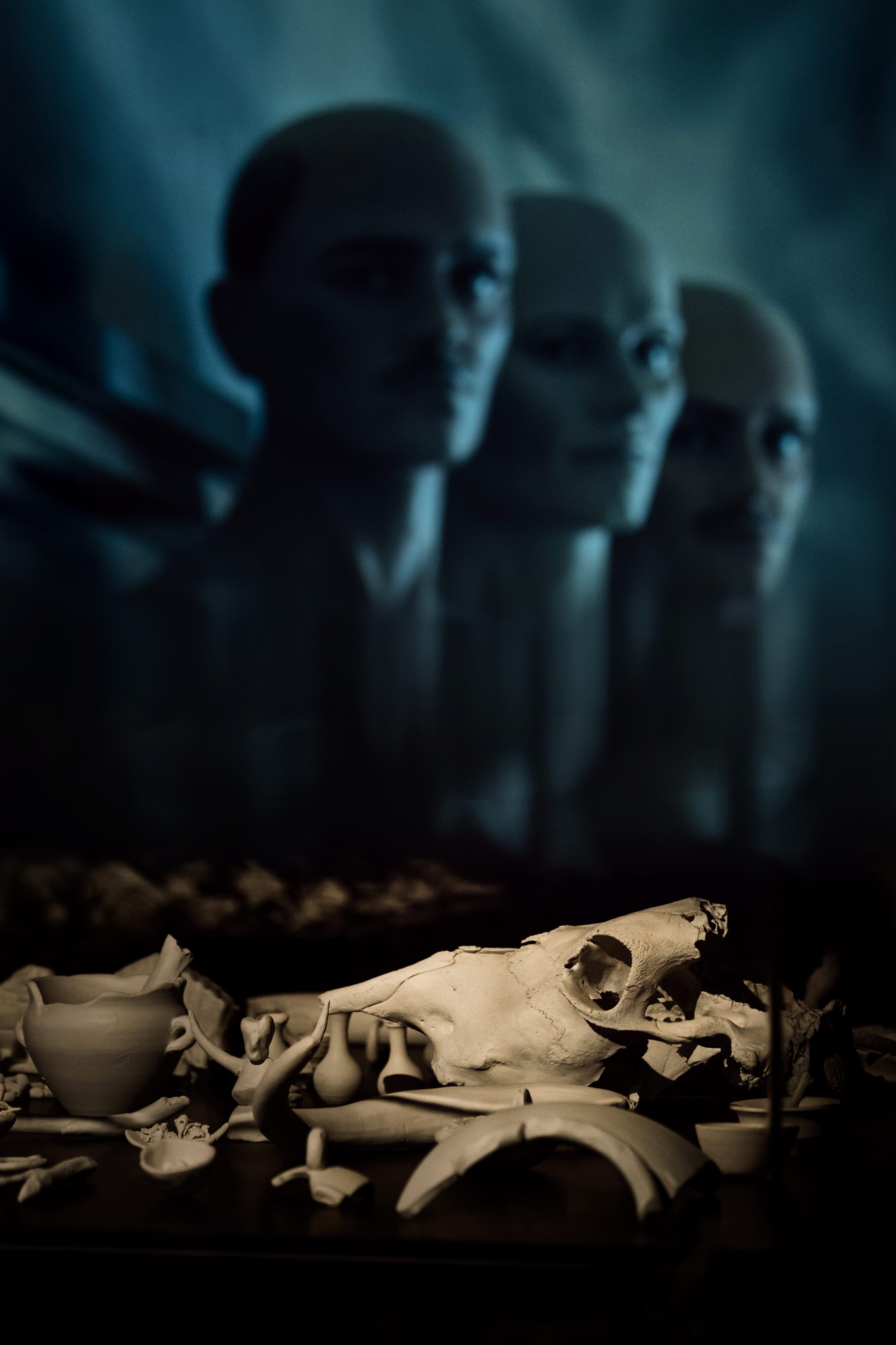
‘The process behind Cave of Darkness was very long and involved a great deal of preparation,’ notes Borg. ‘Over time, it began to build up layers of narratives, stories on top of stories, based on everything that interested me.’
The installation is a metaphor for a cave, a space of refuge, as Għar Dalam once was up until World War II. All the pieces are white, with no indication of whether they are authentic or fabricated, or whether they are bones or something else entirely. Some of the works are replicas of actual objects found in Għar Dalam, scanned and reprinted in resin, while others are purely from the artist’s imagination. As viewers, we are invited to explore which are real and which are invented.
The pieces range widely in age, from the most recent, created by the artist himself, to forms based on fossils dating back millions of years.
This ambiguity ties in with the theme of the 58th Venice Biennale, which focused on the issue of fake news. ‘We’re getting lots of information that is not necessarily true, and we’re at a point where it’s surpassing us. It’s difficult to understand what’s really happening,’ Borg says. This includes white lies in institutions such as museums, which are often seen as places of authority.
The exhibition is accommodated within a space that traditionally presents factual knowledge, yet here it is filled with a story fabricated from fictional facts. ‘This tension between scientific credibility and artistic storytelling echoes the growing difficulty in separating fact from fiction in contemporary life.’
With this work, which gives us, as Borg says, ‘a taste of what went on in Venice,’ he invites us to search for the truth.
Maltese Art’s Journey Home
Head of the International Cultural Relations Directorate at Arts Council Malta, Annabelle Stivala, points out that the wider RETOLD series initiative goes beyond financial investment thanks to the works’ cultural and artistic value.
Arts Council Malta Executive Chairman Dr Luke Dalli highlights the inclusive mission behind the series: ‘Art should be for everyone, not for the few that can afford it, and RETOLD was born for this reason.’ By making these works accessible to the public in national institutions and museums, he believes that ‘the exhibits are finding their natural home’.
Curator Iliadou de Subplajo-Suppiej, who also lectures internationally, notes how she regularly presents the MALETH works in global art capitals like New York, Miami and Dubai, where they continue to leave a lasting impression. Now based in Venice, Iliadou de Subplajo-Suppiej also shared how the Malta Pavilion remains memorable years later. She describes Malta as ‘a refuge, a home for cultures in the middle of the Mediterranean,’ capturing the spirit that runs through the projects being exhibited.
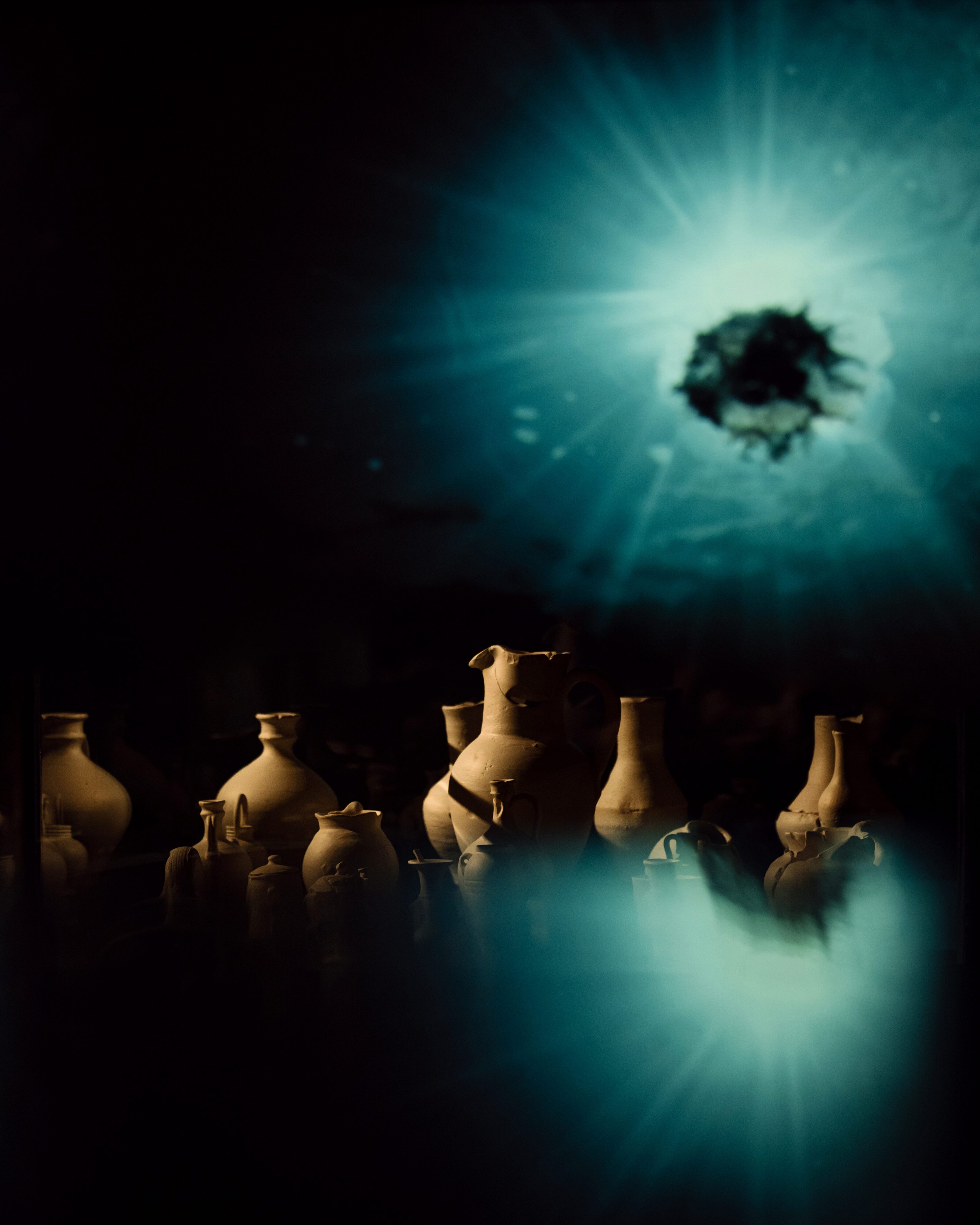
Building on the success of the original exhibition in Venice, which was ranked among the top 10 pavilions of 2019, MALETH remained open to viewers until 15 August. Following this, more projects from the RETOLD series will be showcased at various locations across Malta over the next six months.
References
Lacan, J. (2006). Écrits: The First Complete Edition in English (B. Fink, Trans.). W. W. Norton & Company. (Original work published 1966).
Maleth/Haven/Port: Heterotopias of Evocation. (2019). Mousse Publishing.


Comments are closed for this article!