
A once significantly smaller arts and culture sector is stepping out of the shadows. At a recent Vision 2050 consultation, policymakers, artists, and academics explored how creativity can shape the nation’s future, balancing heritage, innovation, and economic growth. From theatre to publishing, gymnastics to urban design, the long-overlooked Cinderella sector is finally being recognised as central to Malta’s social and economic story.
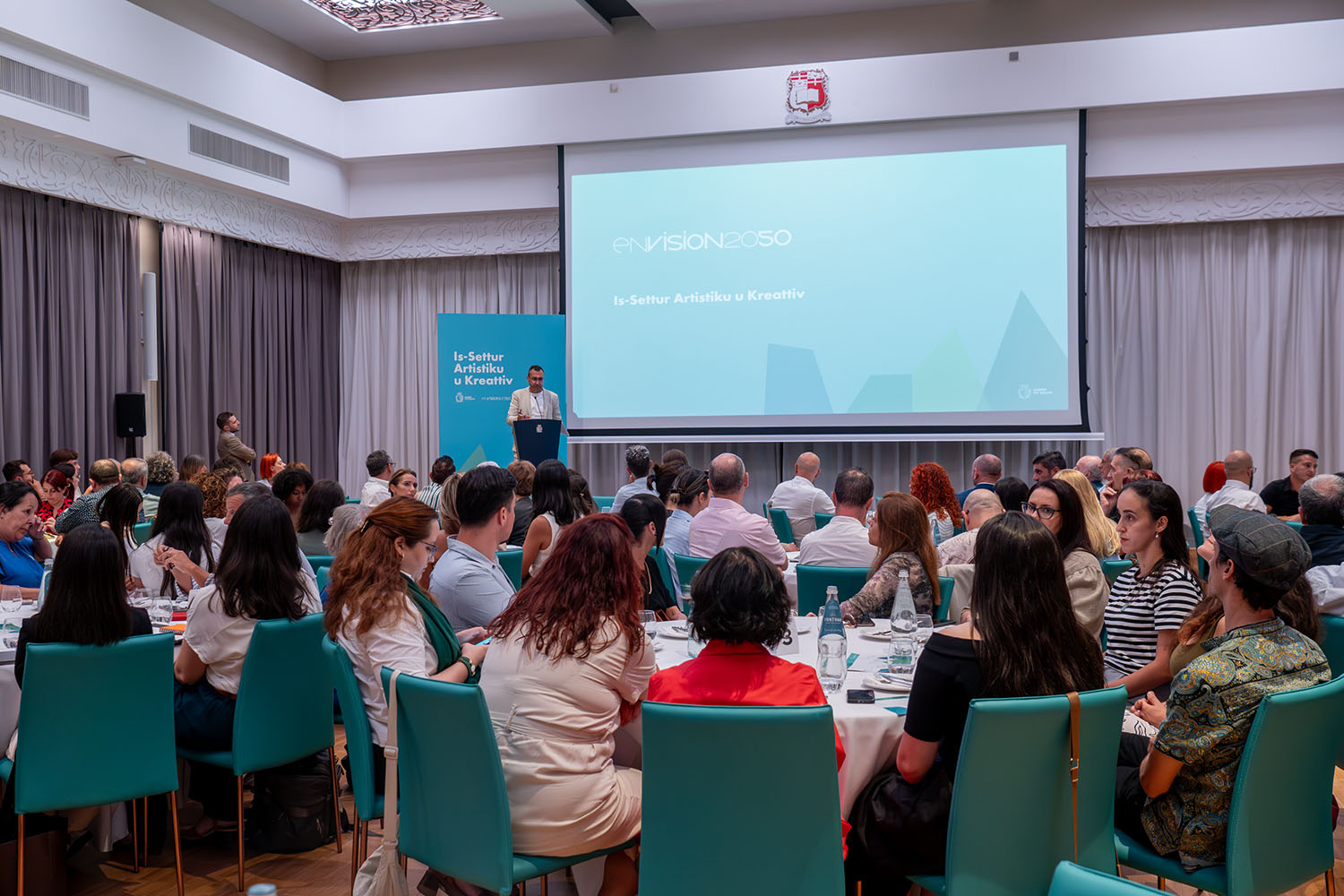
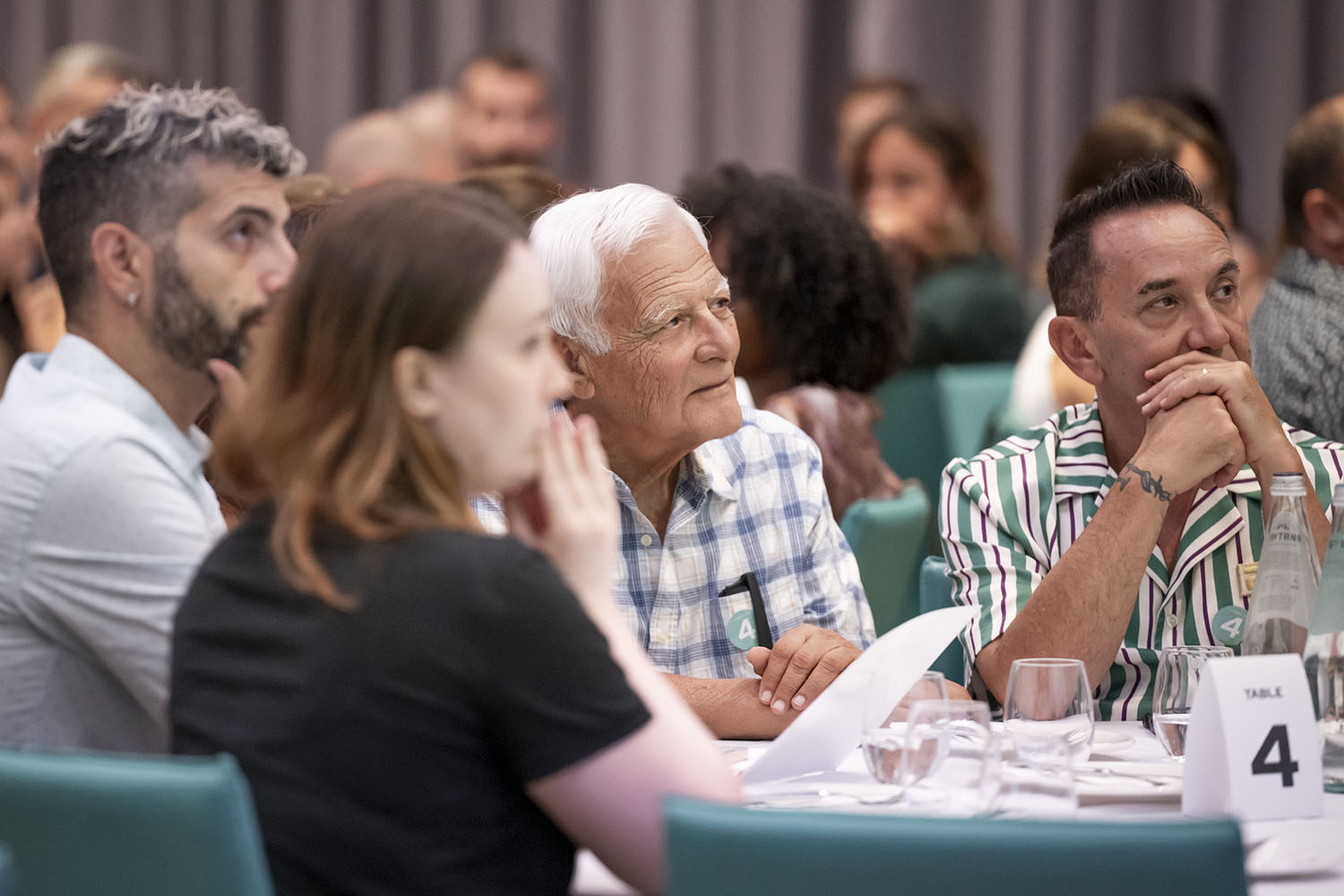
The government’s new Malta Vision 2050 is not short on ambition. On the cover, it promises a quarter-century plan aiming for a smarter economy and a better life for everyone who calls our limestone islands home. At the University of Malta’s Aula Magna on a warm September evening, the conversation was not about budgets or broadband. It was about brushstrokes, stages, and stories. The stakeholder session brought the cultural imagination to the forefront, taking the strategy beyond the remit of the usual sectors associated with the economy. While a draft of the strategy was published for public consultation in April 2025, stakeholder outreach has continued since then.
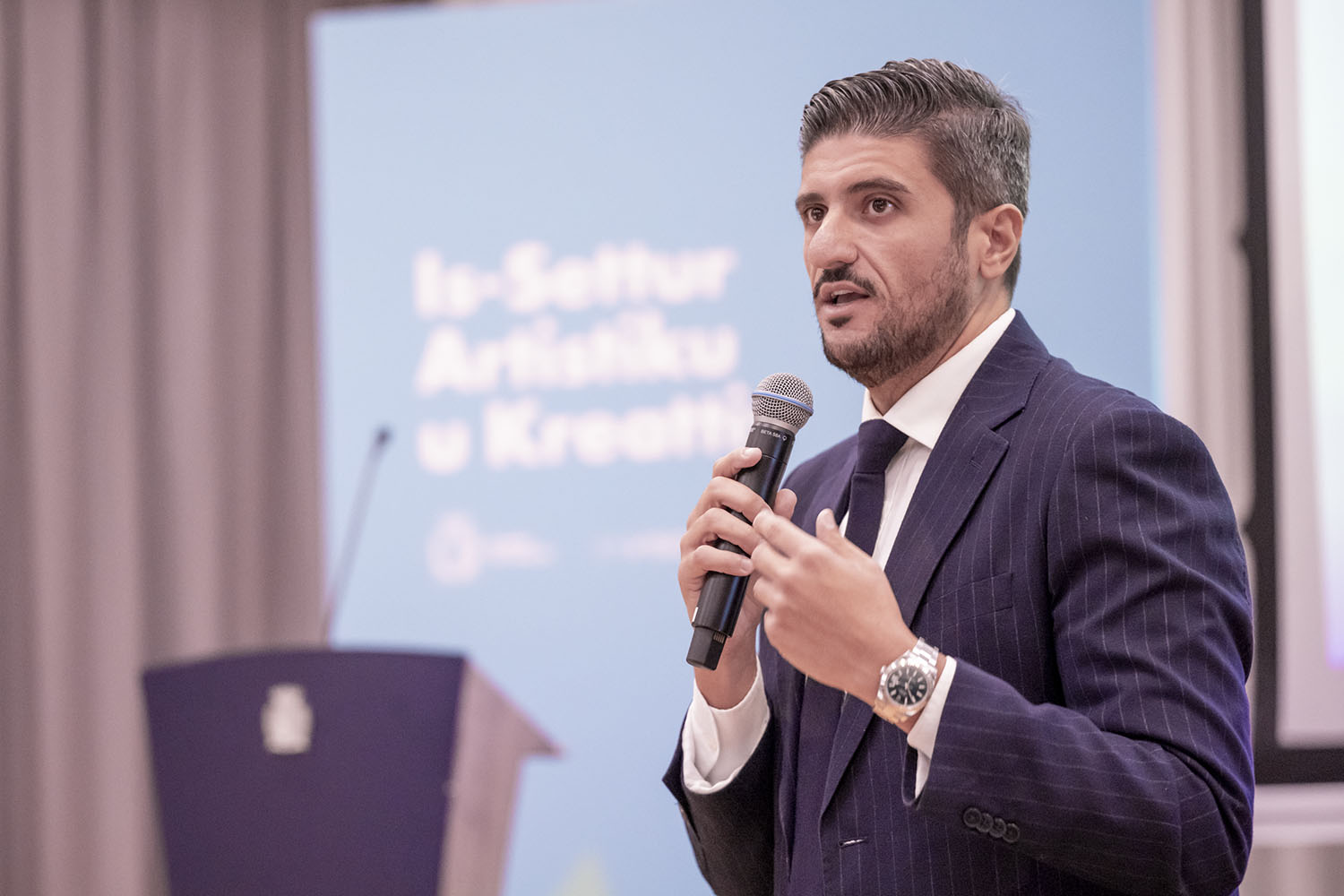
This consultation focused on culture and the creative sector, gathering policymakers, artists, and academics to ask how Malta can build its future while enriching its soul. Principal Permanent Secretary Tony Sultana framed the vision as a national compact beyond five-year cycles. Speaking during the event, Minister Owen Bonnici claimed that the arts and culture had long been the Cinderella of government policy, left to languish while other sectors received all of the attention. The potential and promise, therefore, was to continue guiding the arts towards being a keystone of the economy.
A Broad Understanding of Arts and Culture
The session was organised around thematic pillars and offered breakout sessions with industry experts for a broader interpretation. According to the Ministry for the Economy, Enterprise and Strategic Projects, the themes that will ‘guide Malta toward a future-ready, inclusive, resilient, and competitive society’ are:
- Sustainable Economic Growth – High-value sectors (tourism, finance, gaming, aviation, high-end manufacturing, maritime), green & blue economies, innovation, productivity-led growth.
- Accessible, Citizen-Centred Services – Healthcare, housing, transport, digital services, social inclusion.
- Resilience & Education – Infrastructure, national defence, energy, environment, education reform, skills development.
- Smart Land & Sea Usage – Land/marine resource management, heritage, green infrastructure, biodiversity.
Within those themes, there was room for discussion and interpretation throughout the subsequent breakout sessions.
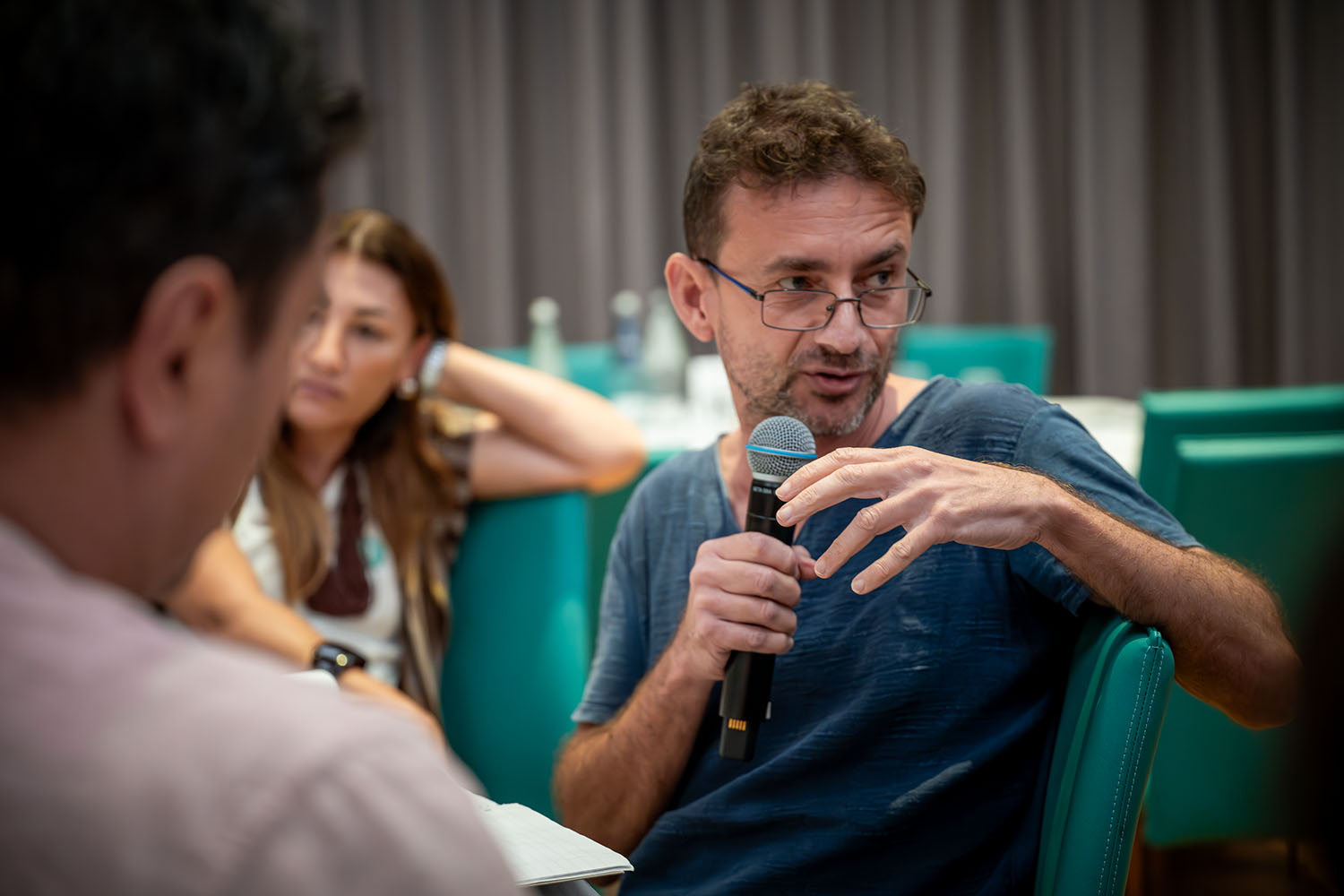
One of Malta’s leading publishers, for example, lamented that the whole concept of publishing in Malta, and the printing of books, especially in Maltese, was grouped with the theme or idea of education, which undervalues or forgets the artistic merit and value of books, or the importance of Maltese literature beyond its role in the education system. When it comes to tendering, Maltese publishers were losing out to companies based abroad, too. A gymnast around the table pointed out that there are no proper practice spaces in Malta, reminding everyone that artistic ambition often clashes with physical reality. Given the danger inherent in the performative art, entailing great heights, proper practice spaces are required to ensure safety and security. Furthermore, gymnastics needed to be seen beyond the context of a circus.
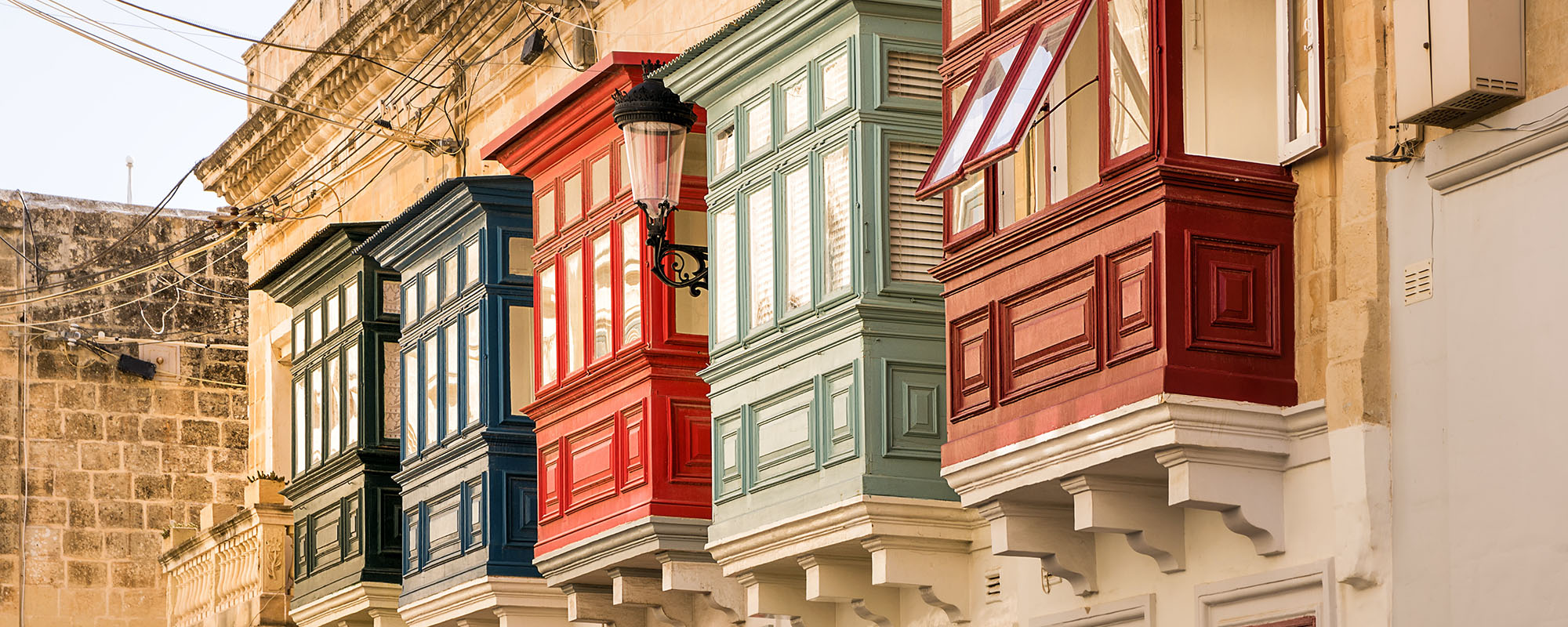
Another dimension of the discussion revolved around the role and importance of the built environment. Aesthetic architecture and the heritage behind a traditional Maltese streetscape are inherently tied to the practice of arts and culture. The daily lived experience of one’s built environment is intrinsically tied to the sector, since the quality and design of the spaces we inhabit shapes both creativity and well-being. What will the mindset of future generations be when most Maltese people will never even have the experience of living inside a traditional townhouse or house of character?
There is a risk that Malta will become just like any other global metropolis if Vision 2050 does not lead to Maltese heritage being promoted, protected and valorised, with an aesthetics policy that forces new builds in Malta to respect Malta’s character and identity. These discussions highlighted a central tension of Vision 2050 – balancing modernisation with preservation, economic growth with cultural integrity.
From Policy to Practice: Building the Creative Economy
Arts and culture are no longer peripheral luxuries, but are also engines of social and economic vitality. In putting the arguments during the conference to the test, one finds that the Central Bank of Malta calculates Sector R, which is officially classified as Arts, Sports and Recreation, as one of Malta’s fastest-growing economic pillars, contributing around €1.52 billion in 2023, or roughly 10.5% of national output. These match the narrative behind the National Cultural Policy.
At first glance, these numbers suggest a booming creative economy. Yet the picture requires further scrutiny. Nearly 90% of Sector R’s value comes from the gambling and betting industry, a reality that inflates the headline figures while masking the contributions of artists, cultural institutions, and community recreation. Malta’s official statistics group creative arts, museums, performance, sports, and gaming together under Eurostat’s NACE Rev. 2 classification, a structure designed for consistency across Europe rather than cultural clarity.
Despite its smaller scale, Malta’s authentic cultural and creative economy produces far-reaching benefits. It employs mostly local workers, nurtures skills-intensive professions, strengthens community connections, and generates spillovers into education, tourism, and urban development. Unlike gaming, which depends on foreign digital transactions, Malta’s arts and culture circulate money domestically, reinforcing microenterprises and embedding creative value in local communities. Vision 2050 frames this creative economy as central to national resilience and identity alike.
Malta’s actual arts and culture scene, while thriving on its own merits, walks a fine line between growth and decline, particularly in the face of a fast-changing digital world. The challenge therefore remains: can Malta chart a course where heritage, creativity, and economy flourish together on their own merits? It is with this in mind that stakeholders around the table in Vision 2050 highlighted the areas for investment and attention required to sustain the sector’s growth, while maintaining awareness of the need to adapt and digitise.
Arts and Culture in Future
Two organisations representing Malta’s creative workforce, Solidarjetà and the Malta Entertainment Industry and Arts Association, have raised alarm over the growing use of generative AI by major broadcasters, warning that it threatens jobs and undermines the quality of local media. They cautioned that ‘the use of generative AI, not as a tool in a creative worker’s arsenal, but as a replacement of competent creative workers, leads to a poorer product and further devalues Malta’s creative industry.’ President of the Malta Entertainment Industry and Arts Association, Maria Galea, further warned that people need to see beyond art as a product. Art is a connection between humans, made authentic by emotional and cognitive experiences.
Recognising the challenges posed by AI, stakeholders in the conference emphasised that Vision 2050 must underscore the importance of integrating technology without displacing human creativity. They advocated for regulatory frameworks and skills development to ensure digital transformation strengthens rather than erodes Malta’s creative sectors.
The discussion around Malta’s Vision 2050 offers the potential for the Cinderella sector to further its glow-up. By embedding arts, heritage, and innovation into policies which go beyond education, into urban planning, and even digital transformation, the plan might ensure that Malta’s identity and quality of life flourish alongside its economy. The challenge for policymakers is to implement Vision 2050 in ways that safeguard creativity while embracing technological change and growth. If this harmony can be established, then economic growth might foster a resilient, culturally rich Malta for generations to come.
To learn more about Malta Vision 2050, read the Executive Summary here.



Comments are closed for this article!