
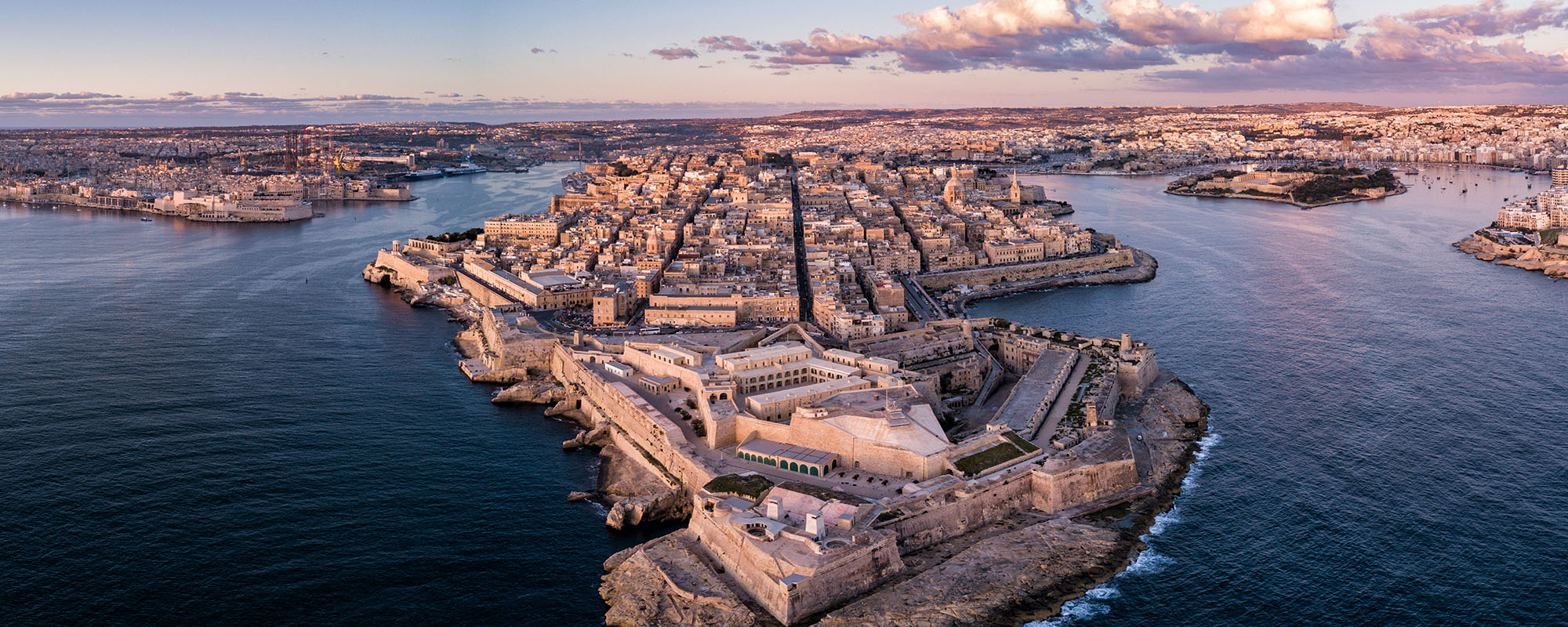
Exhibited for only the second time in Malta, at the Grand Ambitions exhibition at the Co-Cathedral of St John, Francesco Laparelli da Cortona’s 16th-century drawings provide us a rare opportunity to glimpse the architectural process behind the creation of Valletta. THINK traces back the journey of these drawings, from their birth in post-siege Malta to their return home, and uncovers the indelible mark Laparelli left on the city we know today.
Have you ever stopped to think how an entire city like Valletta was born from a few initial sketches on paper? Believe it or not, some of history’s grandest ideas start small, with careful planning, bold vision, and maybe a dash of pressure to get it all just right.
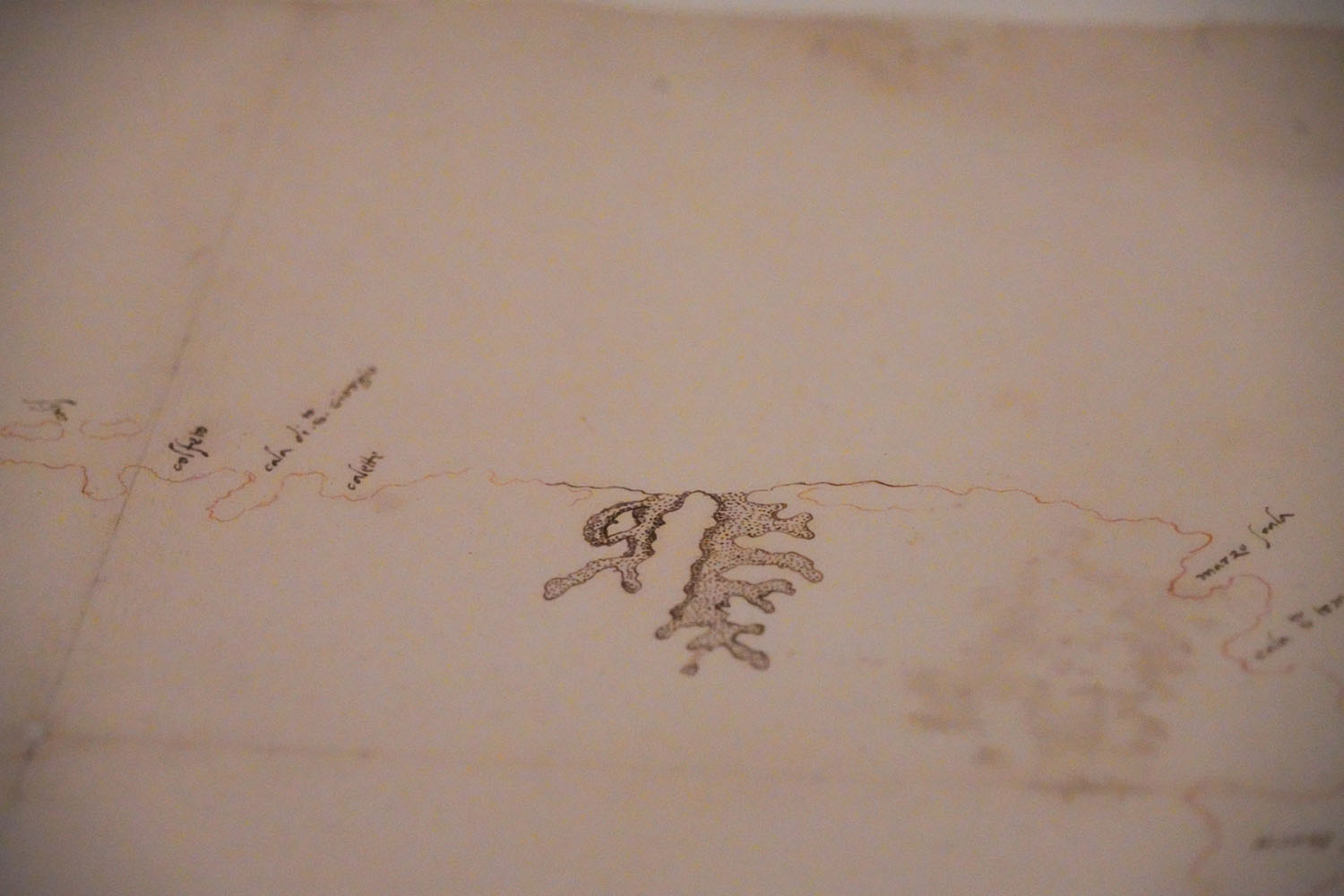
The Caravaggio Wing at St John’s Co-Cathedral has recently played host to Grand Ambitions, an exhibition featuring original 16th-century drawings by Francesco Laparelli da Cortona. The drawings include a map of Malta and four architectural plans of Valletta, loaned from the Accademia Etrusca di Cortona in Italy. These rare documents give us a front-row seat to the architectural genius who reimagined a fortress city from the ground up, an effort born out of crisis and strategic necessity in the wake of the 1565 Great Siege.
(Photo credit: St John’s Co-Cathedral, Valletta)
History on Paper
Valletta was born from a vision, one of response to ruin and a blueprint for resilience. In the aftermath of the 1565 Great Siege, the Order of St John aimed to assert control through architecture. To lead this effort, Pope Pius IV dispatched Francesco Laparelli da Cortona, a seasoned papal engineer with experience fortifying Rome’s most important structures.
‘The idea of building on the Sciberras Peninsula was already being shaped by the Order, with early proposals by Bartolomeo Genga and Baldassare Lanci, hinting at the city’s future form,’ explains Adriana Alescio, the Chief Conservator and Curator for the St John’s Co-Cathedral Foundation. However, it was Laparelli who gave that vision architectural substance.
Laparelli arrived in Malta in late December 1566, just four months after the end of the Great Siege, in a period of intense pressure. ‘There was a lot of expectation and a great sense of urgency,’ remarks Prof. Conrad Thake from UM’s Department of Art and Art History. This was especially true given fears of another imminent Ottoman attack and the Order’s limited time and resources.
Laparelli himself articulated this pressure in his plea: ‘donami tempo che ti do vita’ – give me time and I will give you life (Codex Laparelli, fol. 44 as cited in Thake, 2024). It was during this pressured moment that Laparelli began developing a series of detailed architectural plans and a written treatise that would later become known collectively as the Codex Laparelli. Sadly, Laparelli never saw the city completed. He died in 1570, and his work was continued by his assistant, the Maltese architect Girolamo Cassar.
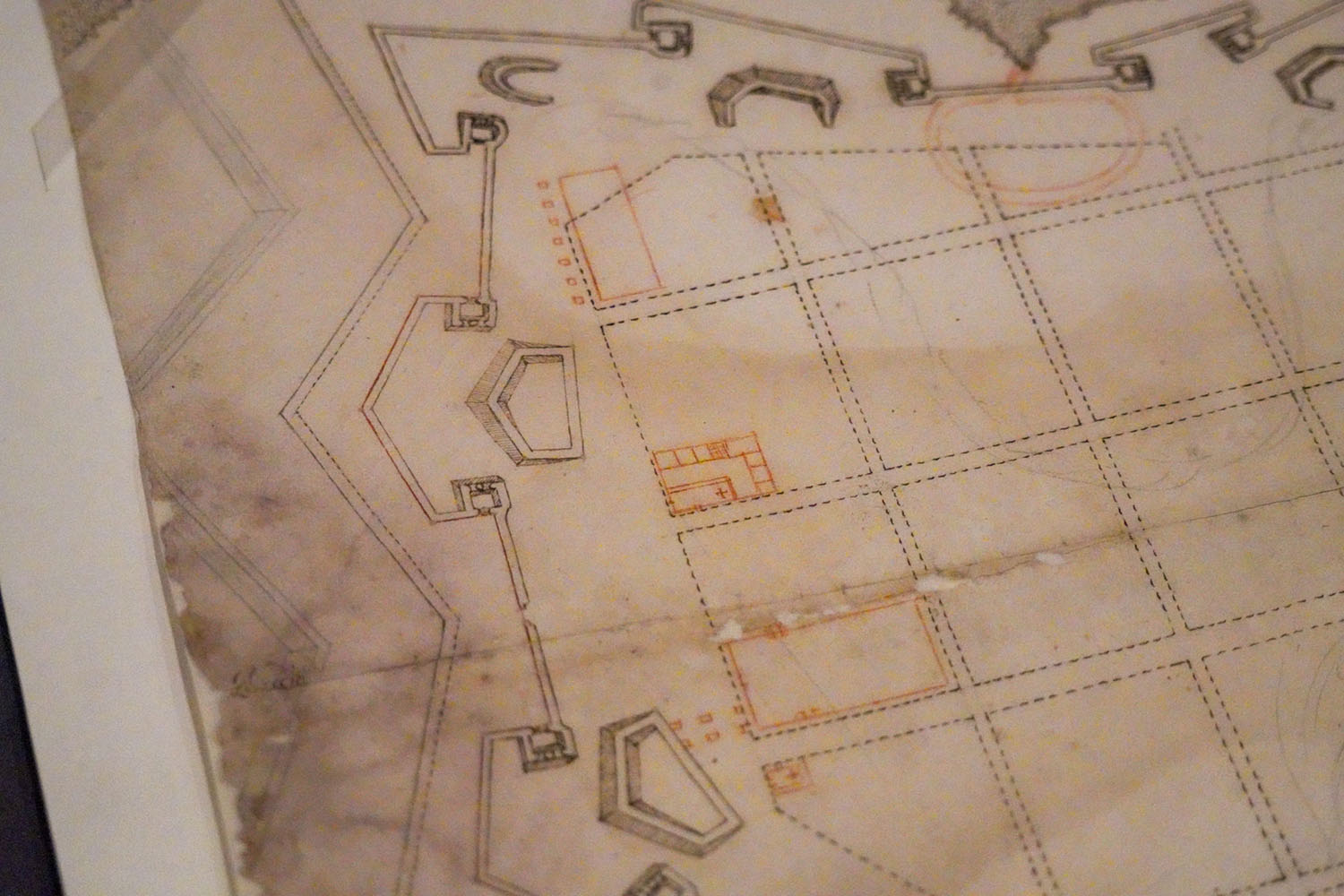
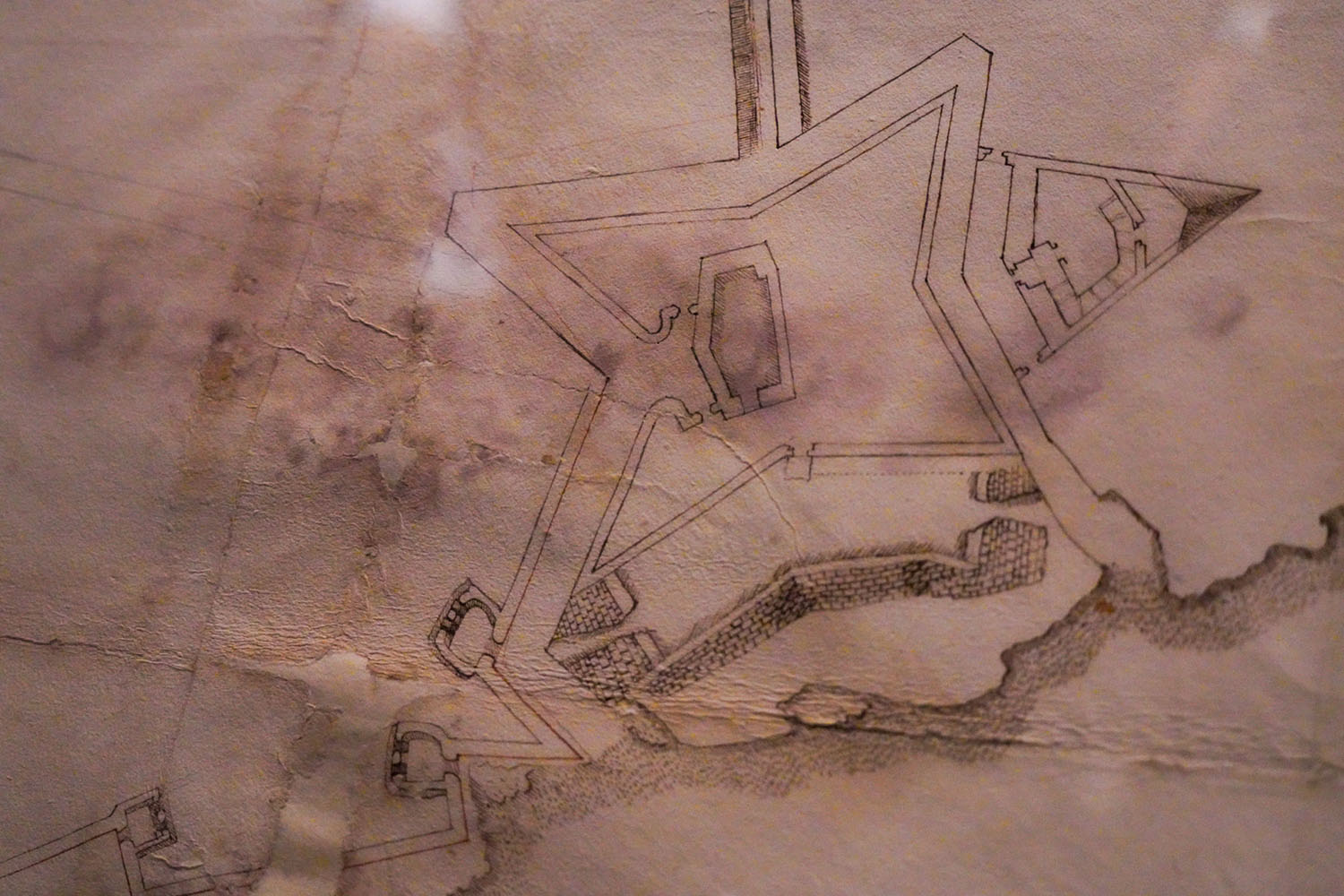
Today, the drawings are permanently housed at the Accademia Etrusca di Cortona, but for centuries, they remained hidden in the private archives of the Laparelli-Pitti family. Its existence was dramatically revealed during an international conference held in Malta in 1967, when architectural historian Paolo Marconi stunned the audience by producing the drawings. Until then, scholars knew Laparelli had planned Valletta, but few had seen the actual documents. At that point, the drawings were still within the possession of the Laparelli-Pitti family.
The Grand Ambitions exhibition marks the second time that these drawings have been loaned to be exhibited in Malta, the first being in 2013.
Curating Laparelli’s Return to Malta
The curatorial vision for Grand Ambitions began with the clear objective to reintroduce Laparelli to the public not just as a name in architectural history, but as a visionary who conceived the very identity of Valletta. ‘The idea of having it here started last year in early September,’ Alescio explains. ‘We wanted to restart the process of cultural events at St John’s, and it all started with a conversation between institutions.’
The loan required months of preparation. ‘When you have to organise an exhibition, you need to consider the challenges of moving something from one environment to another, from central-northern Italy to a Mediterranean island,’ Alescio continues to explain, especially with regards to the island’s high humidity rate that causes physical stress on the paper.
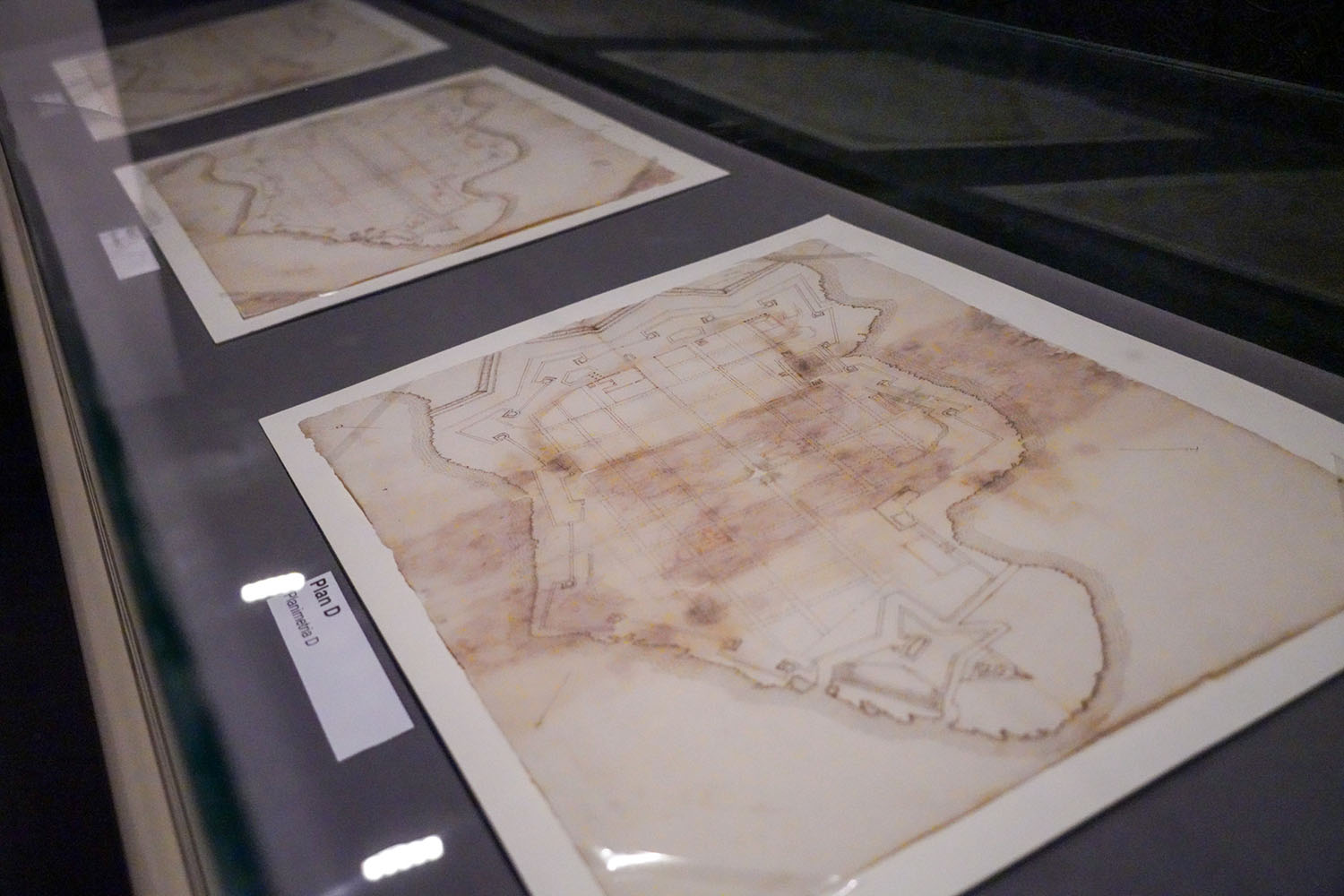
The team worked with a specialist art transport firm to ensure secure packaging, while each drawing underwent a condition report, counter-signed before and after the exhibition. ‘These are 16th-century documents, but still readable and surprisingly resilient. They’ve suffered, but they are in good condition, ready to be appreciated,’ concludes Alescio.
Documents of Lasting Importance
The importance of Laparelli’s plans lies not just in the final blueprint of Valletta, but in the rare opportunity they offer to trace the architect’s thinking process in real time. ‘These are not merely finished plans; they are layered, iterative documents that allow us to trace Laparelli’s evolving ideas,’ expresses Thake.
The four main drawings reveal a step-by-step evolution, from initial sketches outlining defensive encircling fortifications around the Sciberras Peninsula, to the introduction of a geometric street grid, the refinement of block structures, and the incorporation of civic and religious zones, including the conceptualisation of the collachio – the central urban space overlooking the Grand Harbour.
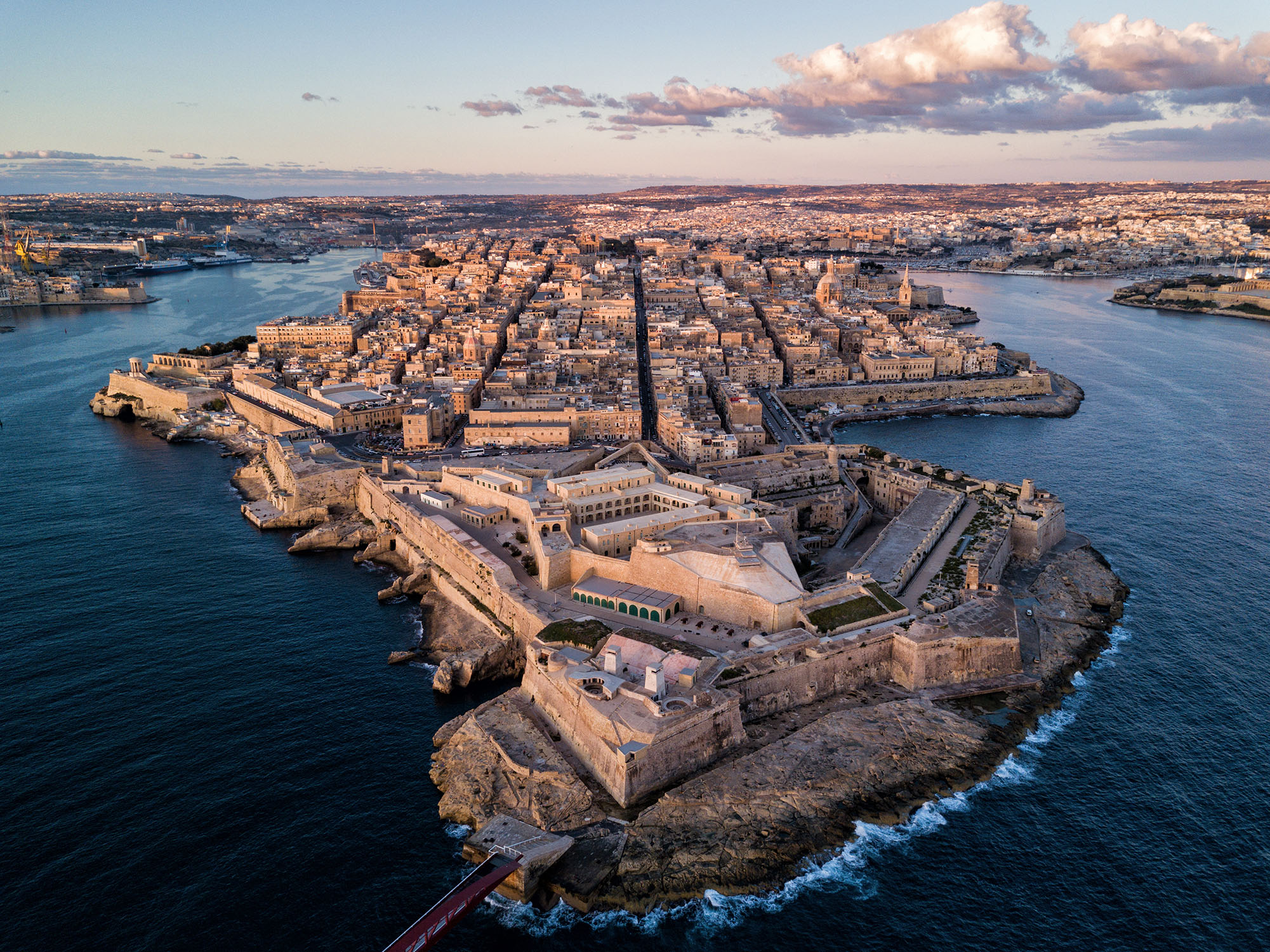
‘These are not just significant on a local level. Internationally, they are among the most important documented examples of a new fortified city designed in the 16th century and representative of fortified cities of that period,’ remarks Thake.
‘This exhibition, in many ways, rediscovered the grand ambitions of a man who could have chosen a life of comfort, born into a noble family, but instead pursued a path of high responsibility and vision,’ declares Alescio.
What distinguishes Laparelli’s plans from other Renaissance projects, Alescio says, is how he adapted the style of Northern Italian architecture to the needs of a Mediterranean stronghold. ‘He didn’t just copy models. He created a functional, context-specific adaptation, something between fashion and strategy.’
Unlike organically evolved cities like Mdina, Valletta was conceived on paper and built from the ground up. As Thake states, this makes it one of the clearest expressions of Renaissance ideals adapted to a Mediterranean context – order, functionality, and symbolic authority embedded in every line.
Beyond the Architect
Tragically, Laparelli never saw the city completed. While overseeing the initial phases of construction, he left Malta in 1569 to join what he believed might be the last crusade and died a year later in Candia (modern-day Crete) during an epidemic. In 1571, the Order officially moved from Birgu to Valletta. ‘It was Girolamo Cassar, his assistant, who gave form to the bones of Laparelli’s vision,’ states Thake. The work by Girolamo Cassar, including several palaces and St. John’s Cathedral, would come to define Valletta’s streetscape.
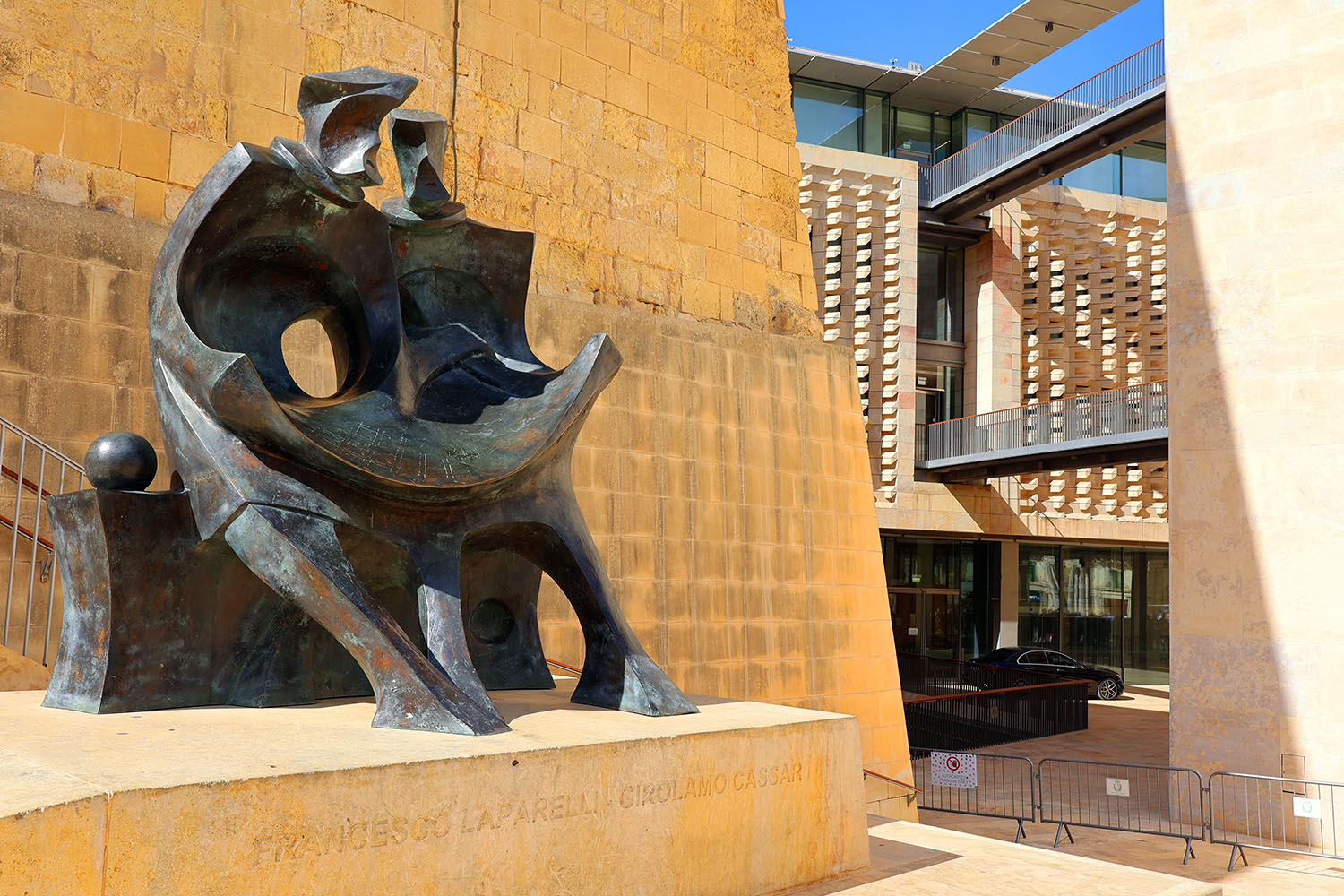
The contributions of Laparelli and Cassar interact as part of a dynamic process rather than a seamless harmony. Plans evolved, ideas were adapted, and some concepts, like the proposed mandraggio, a small inland harbour shown in early plans, were eventually abandoned due to unsuitable stone quality.
Through his recent doctoral dissertation, Christian Mifsud, a UM alumnus of Baroque studies, helped reposition Laparelli not just as a planner, but as a creative architectural force. Mifsud links the architect to several important Valletta buildings once attributed solely to Cassar, including the Eustachio del Monte (later integrated into the Grand Master’s Palace) and the Auberge de Provence. As Thake notes, ‘a city is not static like a painting. Buildings are remodelled, adapted, and reinterpreted across time,’ thus making the analysis of Laparelli and Cassar’s work as much about evolution as authorship.
The past 25 years have seen massive investment in Valletta’s restoration, especially during its tenure as European Capital of Culture in 2018. But the city now faces a new kind of challenge. ‘The big problem we’re facing is how to manage Valletta,’ Thake says. ‘It’s becoming over-commercialised. So many buildings have been turned into restaurants and B&Bs. The residential population is at an all-time low. There’s a real danger of it becoming a city only for visitors, a cultural set piece overflowing with tourists, as is the case in Venice or Barcelona.’
Laparelli built a city of stone, but a city is more than its walls. It’s made of people, stories, rituals, daily life. ‘Public space needs protection. Planners and politicians must hear the voices of the people,’ Thake added. ‘Cities must remain places to live, not just to look at.’
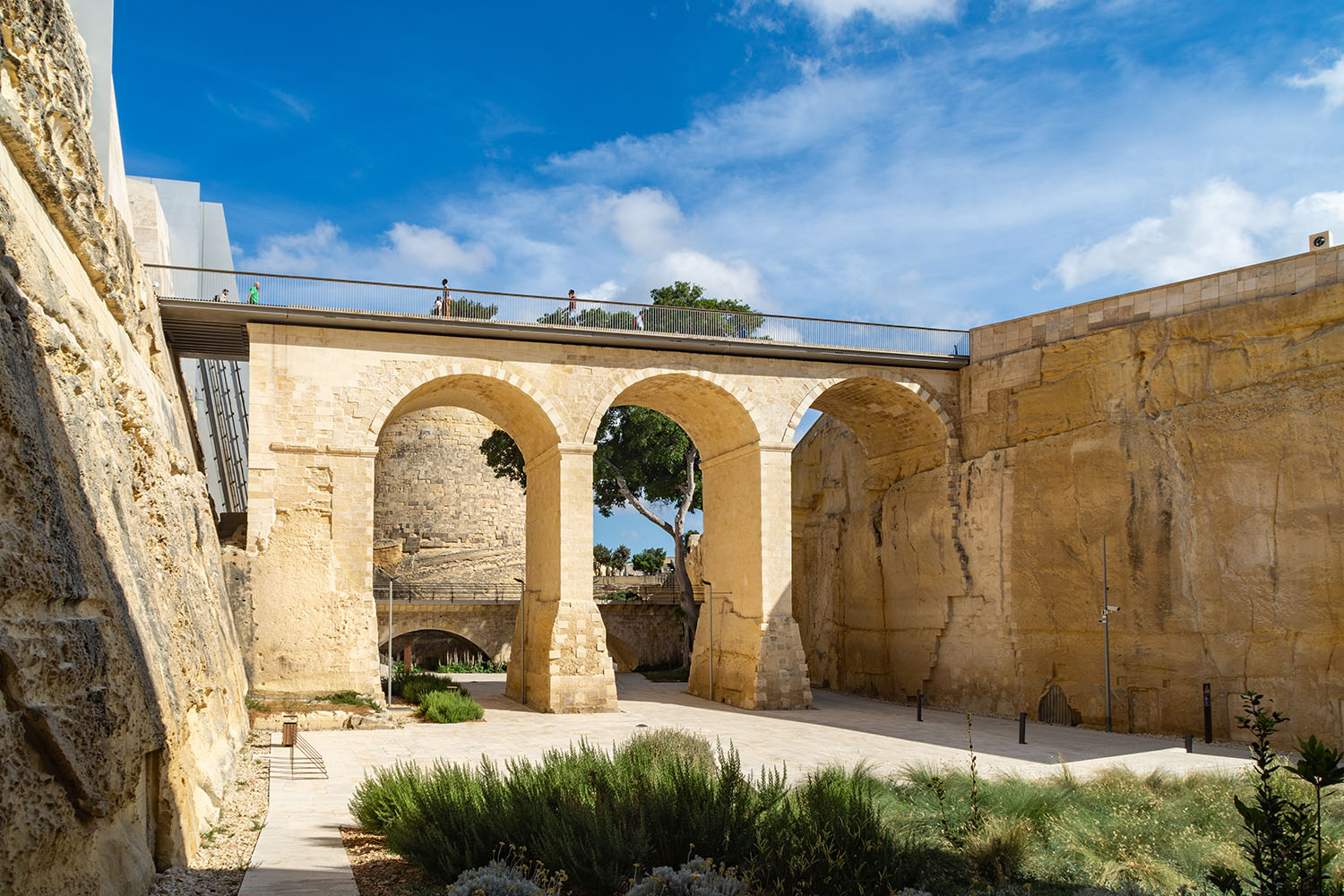
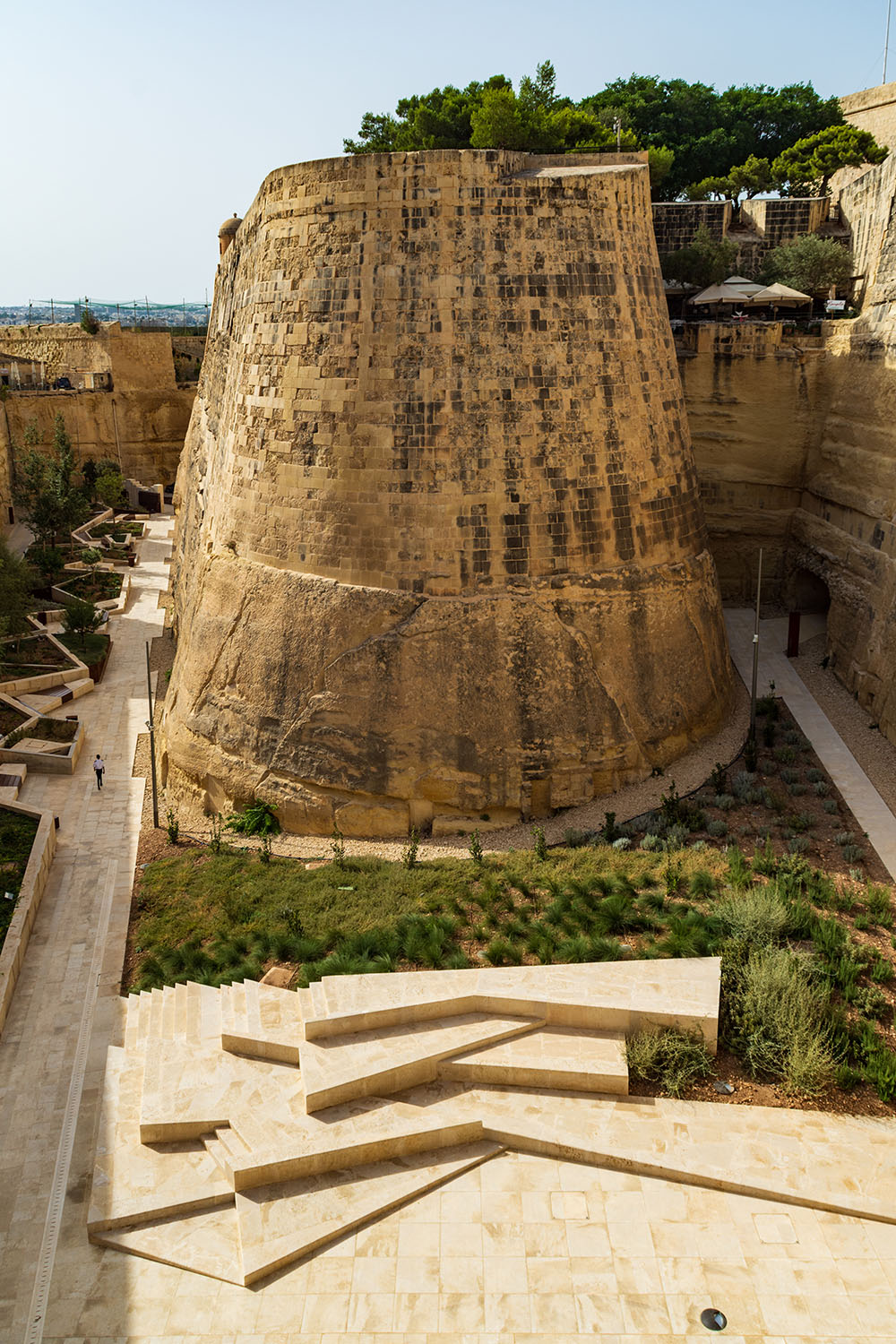
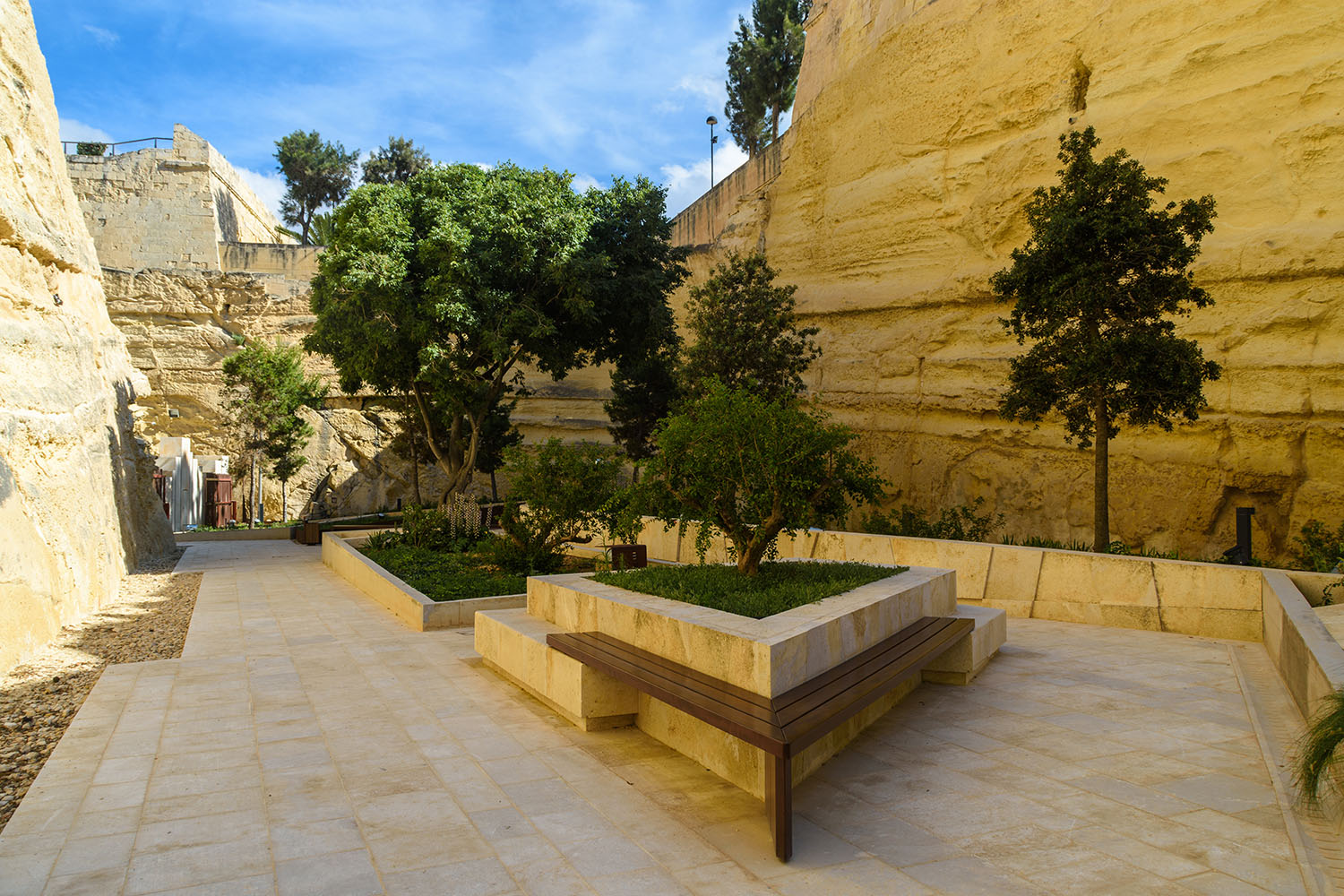
As Grand Ambitions so clearly reminded us, Valletta was never intended to be a static museum. It was a vision drawn under intense pressure, built with urgency, and meant to endure. Its survival depends not just on conservation, but on care of memory, meaning, and the lives that still move through its grid.
Further Reading
Thake, C. (2024). The genesis of Valletta as the new ‘City of the Order’. Proposals by Bartolomeo Genga, Baldassare Lanci, and Francesco Laparelli. In P. Matracchi (Ed.), Laparelli 500: Francesco Laparelli (1521–1570) architetto militare: Atti del convegno internazionale Cortona, 1-2 ottobre 2021 (pp. 153–174). Didapress.
Mifsud, C. (2015). A historical interpretation of religious architecture in baroque Valletta [Master’s Dissertation, University of Malta]. OAR@UM.



Comments are closed for this article!