
Medical diagnosis relies on data. A physician observes and analyzes a patient’s vital signals to assess their condition and prescribe adequate treatment. The more accurate and reliable the data, the better the treatment. Through the use of technology, digital health allows both physicians and patients real-time access to medical data.
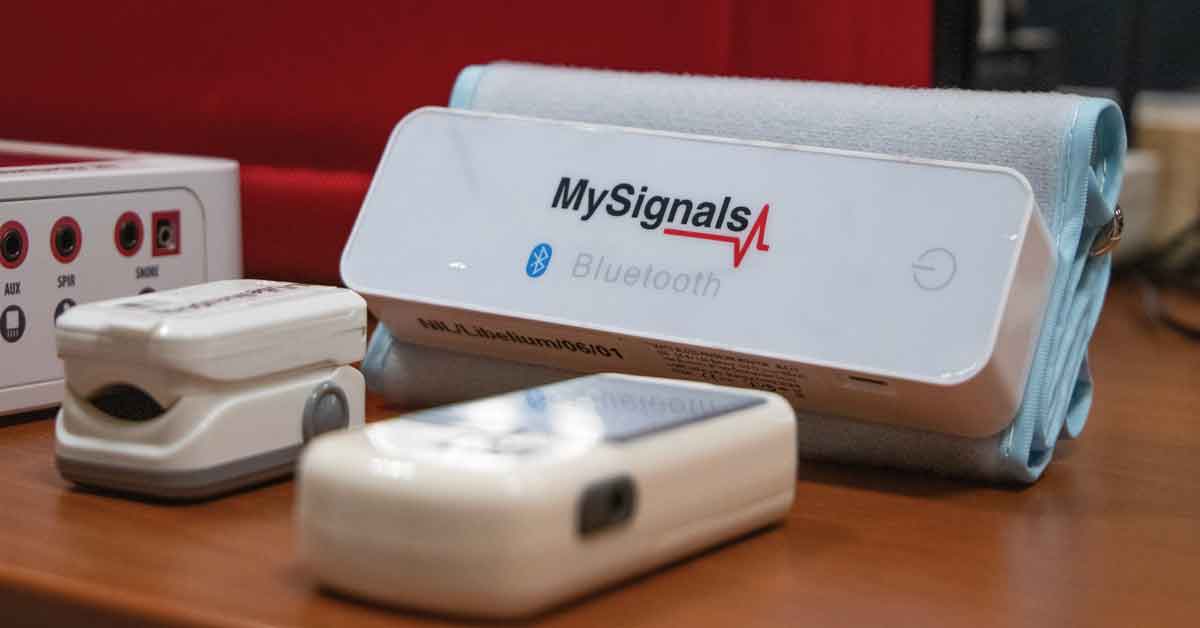
For the Faculty of Information and Communication Technology at the University of Malta (UM) digital health is the future of health care. In this regard, newly-procured sensors, namely the Shimmer3 ECG and MySignals, deserve attention and a deeper insight.
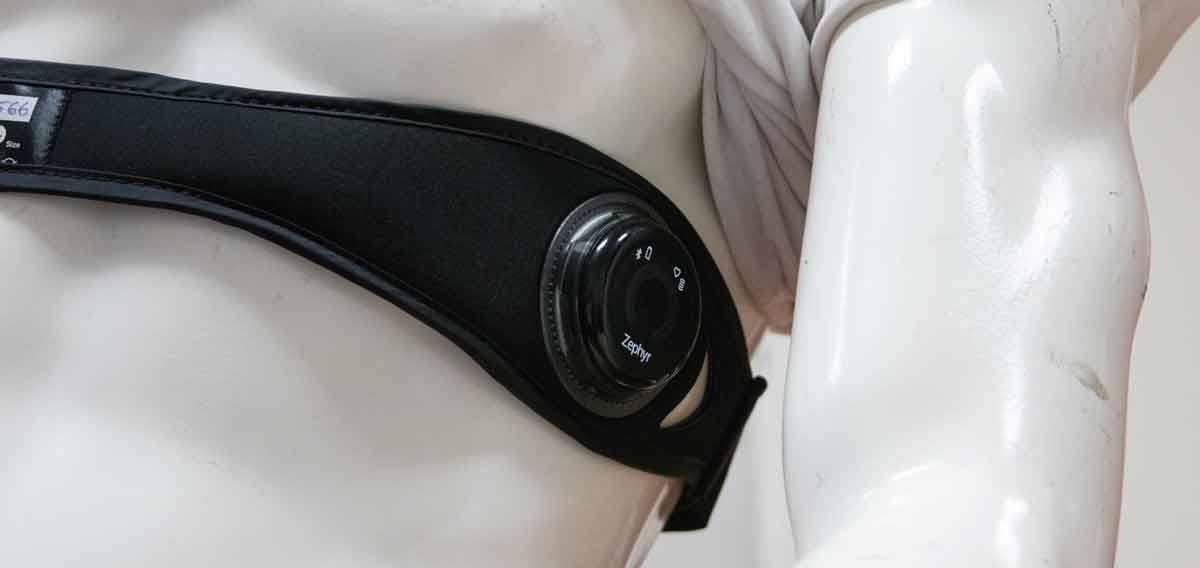
Dr Conrad Attard (Faculty of ICT, UM) claims that the faculty has mainly focused on activity recognition sensors such as the Zephyr and Shimmer ECG. These devices allow the team to measure the heart’s electrical activity and activities such as walking. Shimmer ECG is able to measure ECG (electrocardiography) on all 4 limbs, which provides a more accurate reading. The leads are connected to the measuring site through the use of the supplied electrodes, which are attached to the skin at the desired site. The small size of the device (65 x 32 x 12mm), allows people to move freely during data collection.
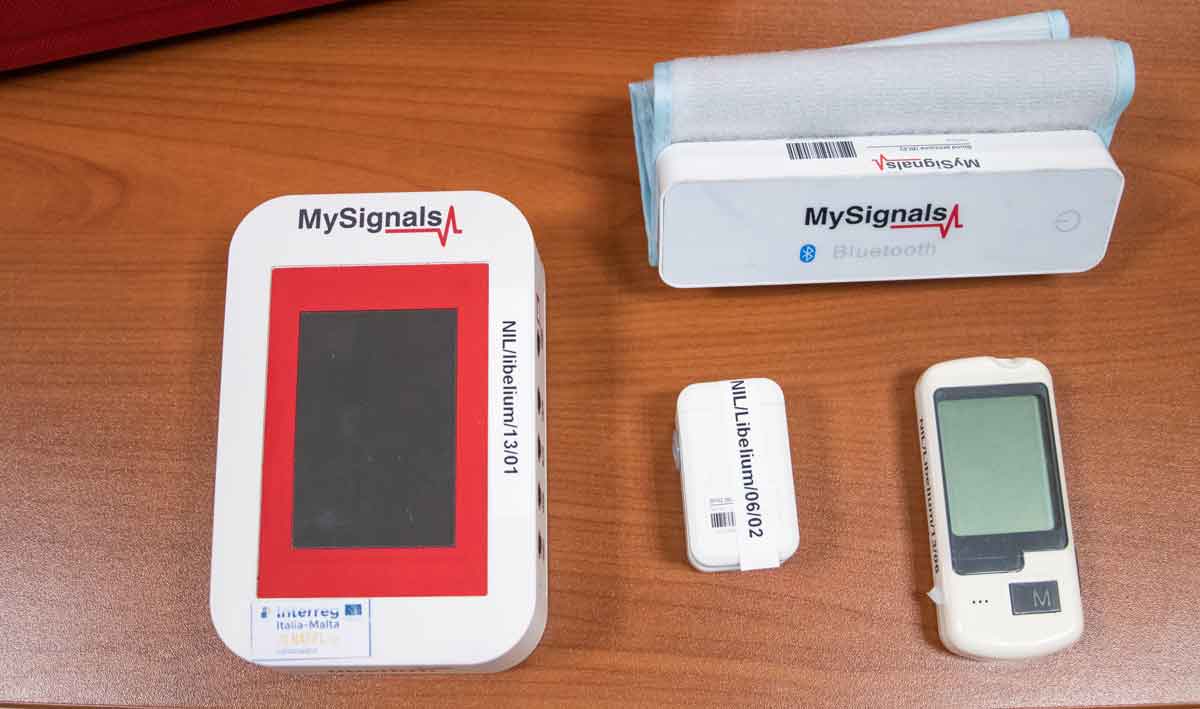
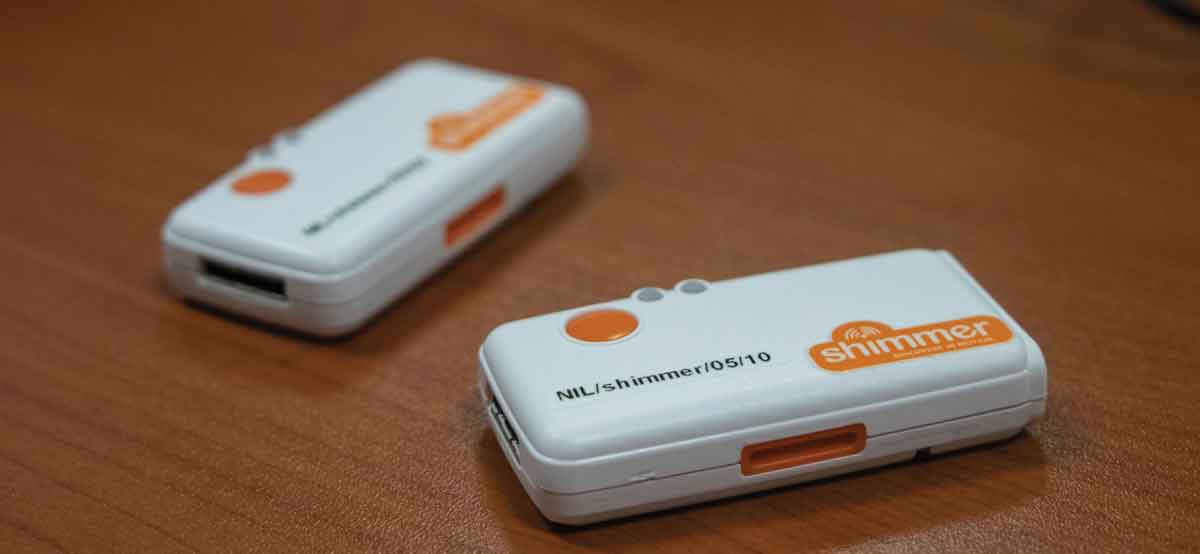
The Faculty of ICT is using the Shimmer ECG for another purpose: tracking stress in the workplace — a common problem. People may not be aware of it or know when it happens until it becomes a big issue. By using controlled experiments to replicate real-life situations, these sensors allow the team to identify what causes stress and, with help of mental health professionals, develop a solution. By monitoring tensions and certain activities, sensors allow us to take actions to tackle stress at workplaces. By analysing and measuring vitals, the team is better able to understand a person’s state.
According to Attard, the faculty’s dauntless contribution to narrowing the existing gap in research in digital health has gained the university international recognition, allowing them to work with a larger network to perform research in this area.
‘The gap and problem has been around us for a long time,’ says Attard. The main reason for addressing the problem now is that there have been considerable advancements in AI and information technology. ‘Thanks to funding [by the Research Innovation & Development Trust and Malta Information Technology Agency], we have been able to acquire more reliable sensors. These developments accelerate research and development in digital health.’
Education can transform the field and narrow gaps in digital health; the Faculty of Health Science and Faculty of ICT have joined forces to deliver a new study program, a ‘Masters in Digital Heath’. Being multidisciplinary, the course is expected to give a deeper insight into digital health. With the right tools, the future of health can become truly digital.



Comments are closed for this article!