Skip to content

Come ‘Here’!

Facebook
Twitter
LinkedIn

A pointed index finger can mean many things. It can direct our attention to something, show us which way to go, or demand silence. It all depends on context—the situation in which it is used. This is what philosophers refer to as ‘indexicality’. And yes, you guessed it, the word ‘indexicality’ comes from the name of that particular finger.
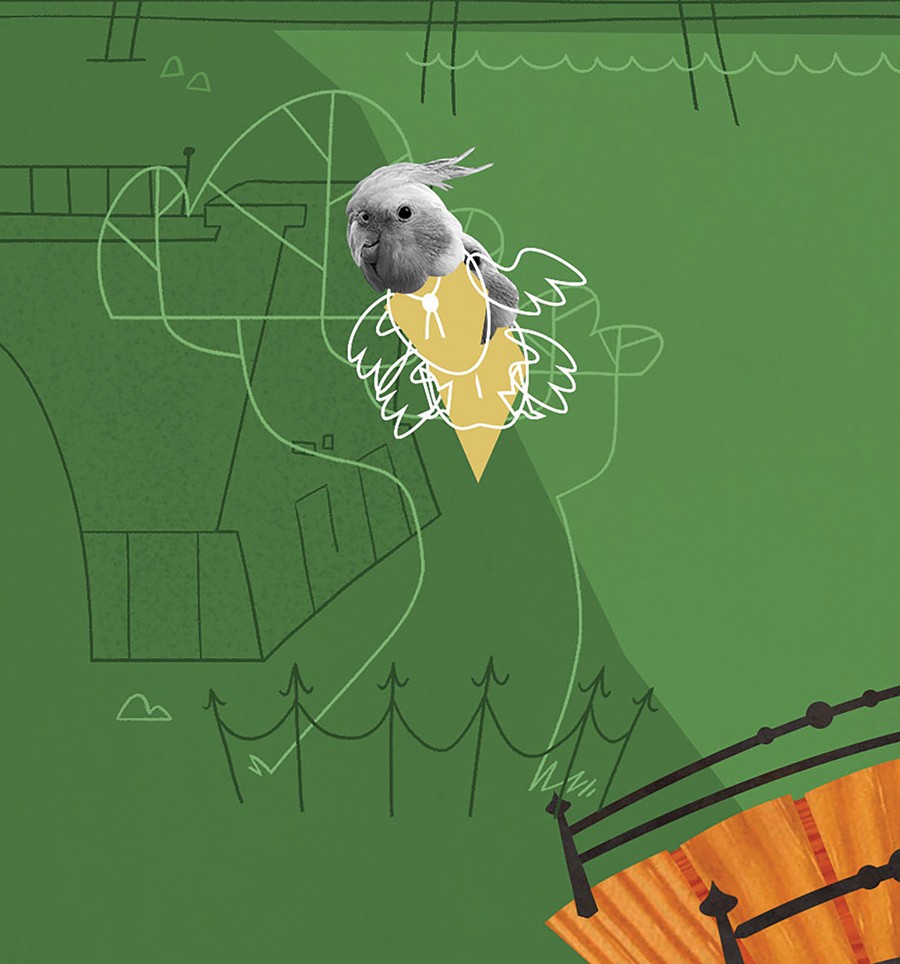
Birdy from ‘Here’ game
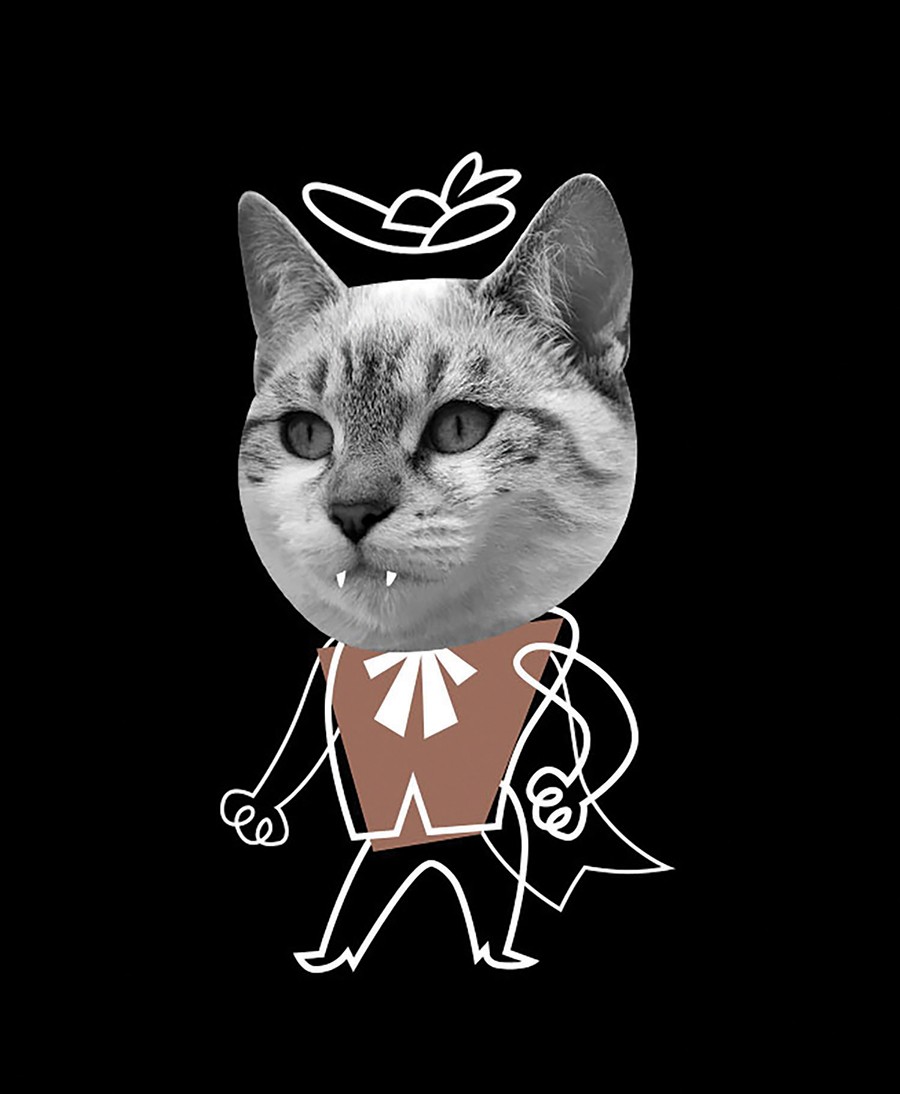
Wessel the cat from ‘Here’ game

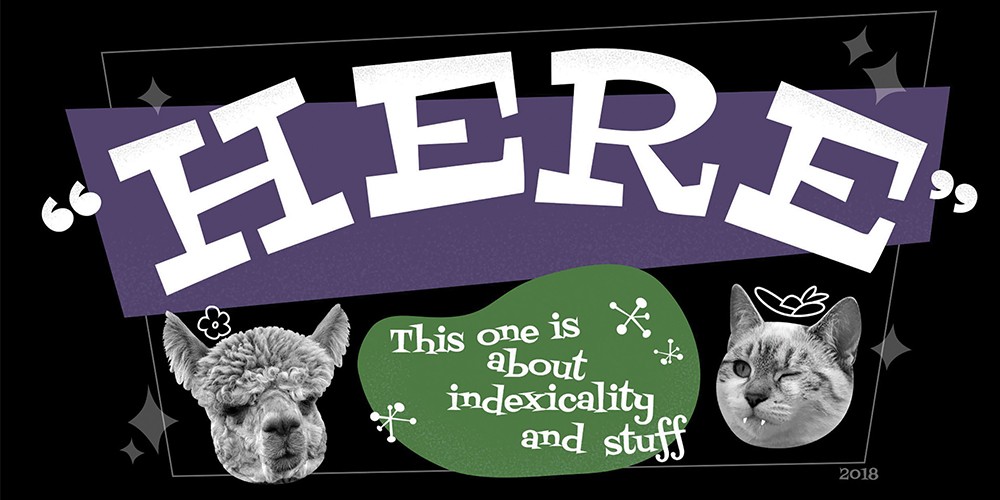
At the University of Malta’s Institute of Digital Games, Prof. Stefano Gualeni has been playing around with this concept. Featuring the voice acting talents of independent game developers Emily Short and Pippin Barr, Gualeni has created a video game called Here, designed for players to engage with (and get confused by) the concept of indexicality. 

Here’s gameplay poses the question of what it means when we say ‘here’ in a game world, and how many meanings of ‘here’ can exist side-by-side in a video game. It uses the trope from Japanese Role Playing Games of going on quests to retrieve bizarre items from classic locations. Spooky caves and castles are all part of the repertoire of locations that players can explore. But then, where do you go if ‘here’ is your instruction? What if ‘here’ isn’t where you think it is? What if you’re supposed to go upside down instead?   

To try the game yourself, visit www.here.gua-le-ni.com

Author: Cassi Camilleri

Author

More to Explore

Squeezing Out Waste: Transforming Malta’s Olive Waste into Green Goods

While olive oil production generates vast amounts of nutrient-rich waste, approximately 98% of the antioxidant-rich phenolics in olives are lost during oil extraction. To combat rapid degradation, the OliveGREEN team is exploring a novel strategy using sulphur dioxide and enzymes to stabilise olive pomace. THINK speaks with Dr Frederick Lia to learn why saving this discarded byproduct makes a difference.

More Than Four Walls: The Influence of the Library Space on Student Wellbeing

Academic libraries are often framed as quiet repositories of knowledge, but their influence runs deeper. As student mental health concerns intensify, these spaces are emerging as critical environments for connection, comfort, and care. Beyond books and databases, the design, atmosphere, and activities of a library can shape how students feel, cope, and belong within the wider university experience.

The Limb That Learns

A prosthetic limb is always a work in progress. Even after fitting and adjustments, the body keeps changing. Weight shifts. New pressure points show up. A socket that feels fine one month might cause irritation the next. For many people, comfort relies on a device that cannot sense what is happening.

Comments are closed for this article!