
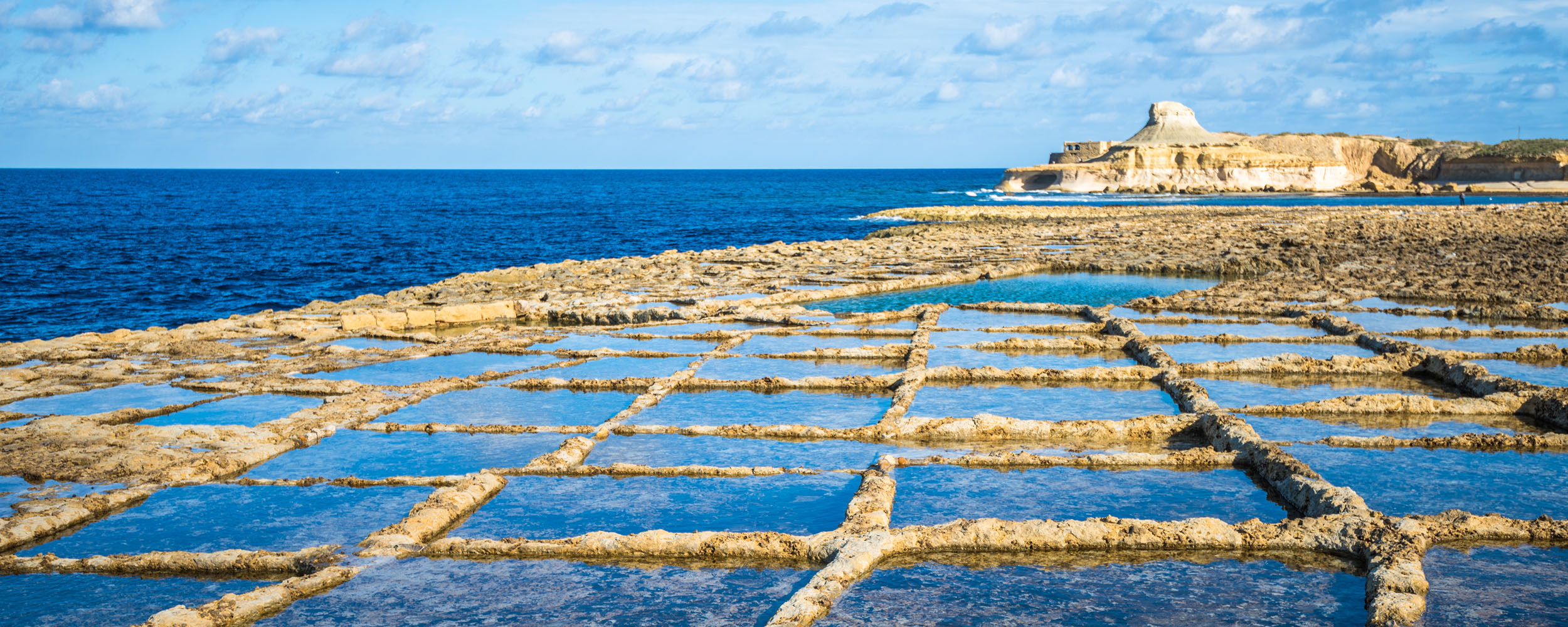
How much is Comino worth? €2,000,000? €20,000,000? Surely it is priceless? Yet, when it comes to economics and policy, priceless often means worthless. THINK examines how putting a price on the environment could actually protect it.
Putting a price on a monumental piece of our cultural heritage or a natural wonder sounds like a late-stage capitalist’s wet dream. However, the idea behind this isn’t to turn the UNESCO World Heritage List into an online shopping catalogue for the ultra-wealthy; instead, the idea is to help protect the environment.

At first glance, using economics to protect the environment might seem counterintuitive. ‘However, economics isn’t necessarily about money,’ explains Nicholas Ellul, an applied economist and alumnus of UM’s Department of Economics (Faculty of Economics, Management & Accountancy). ‘It deals with money because money is a common denominator.’ Unfortunately, unless a natural resource, such as groundwater or a cultural artefact, has a fiscal value, it is often ignored by policymakers. ‘If we don’t ascribe a value, the risk is that “priceless” becomes “price-less” or worthless. It has an impact on the human psyche, which in turn feeds into policy,’ Ellul says.
Nicholas Ellul is an applied economist and alumnus of the University of Malta (Photo courtesy of Nicholas Ellul)
The Price is Right
Let’s imagine a luxury hotel is being built in a coastal zone. During the impact assessment or policy development, costs are weighed against benefits. Economists calculate the value gained from building versus the value lost. Will the hotel generate more value than the coastal zone? If nature is left out of the equation, then the analysis is skewed in favour of development. ‘The “how” comes down to an environmental evaluation,’ explains Ellul. ‘For example, the Millennium Ecosystem Assessment classifies four services that the environment provides.’ You have provisioning services, such as food, water, and fuel. Regulating services, including water purification, as well as climate and flood regulation. Cultural services: spiritual, aesthetic, or recreational aspects. And supporting services, like soil formation and habitat provision.
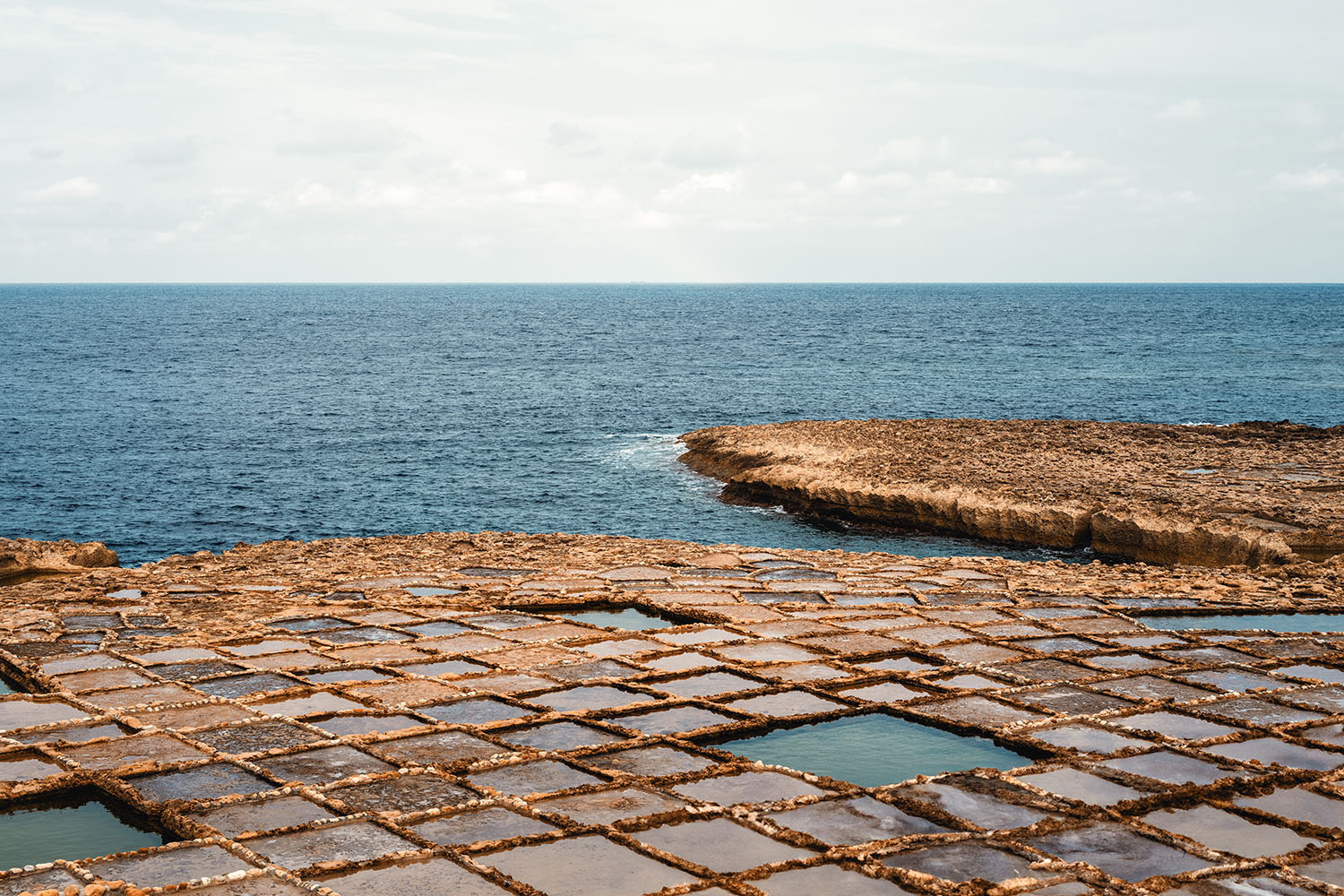
‘In economics, we “dare” to give all of these services a numerical value, in this case, money. Why money? Because money is widely acknowledged.’ This shows, in black and white, why environmental protection is the economically smart decision, without getting into moral back-and-forths. For example, the logic would be applied as follows: this coastal zone offers €X in tourism value, €Y in natural flood defence, and €Z in biodiversity protection annually. Constructing this project here would eliminate X, Y, and Z.
Different Types of Value
Granted, the above is a gross oversimplification. ‘The financial value is not the final value,’ Ellul clarifies. ‘We also need to make a distinction between different types of value. We have “Use Value” – the value we get from using a resource. This includes “Direct Use Value”, which refers to the benefits we get directly from using the resource.’ For example, groundwater being used to irrigate crops. ‘Then, there is “Indirect Use Value” – the benefits we get from the resource, even if we’re not directly using it.’ For example, an aquifer helps to regulate the water table, and so it indirectly helps agriculture and ecosystems. ‘Finally, we also have the “Option Value”. Essentially, the “I might want to use it someday” value.’
There is also “Non-Use Value”, or the value derived even when the resource is not used. Such as “Existence Value” (knowing something exists, like a rare species or protected coastline), “Bequest Value” (value from preserving it for future generations), and “Altruistic Value” (knowing others in the present can enjoy it, even if you don’t).
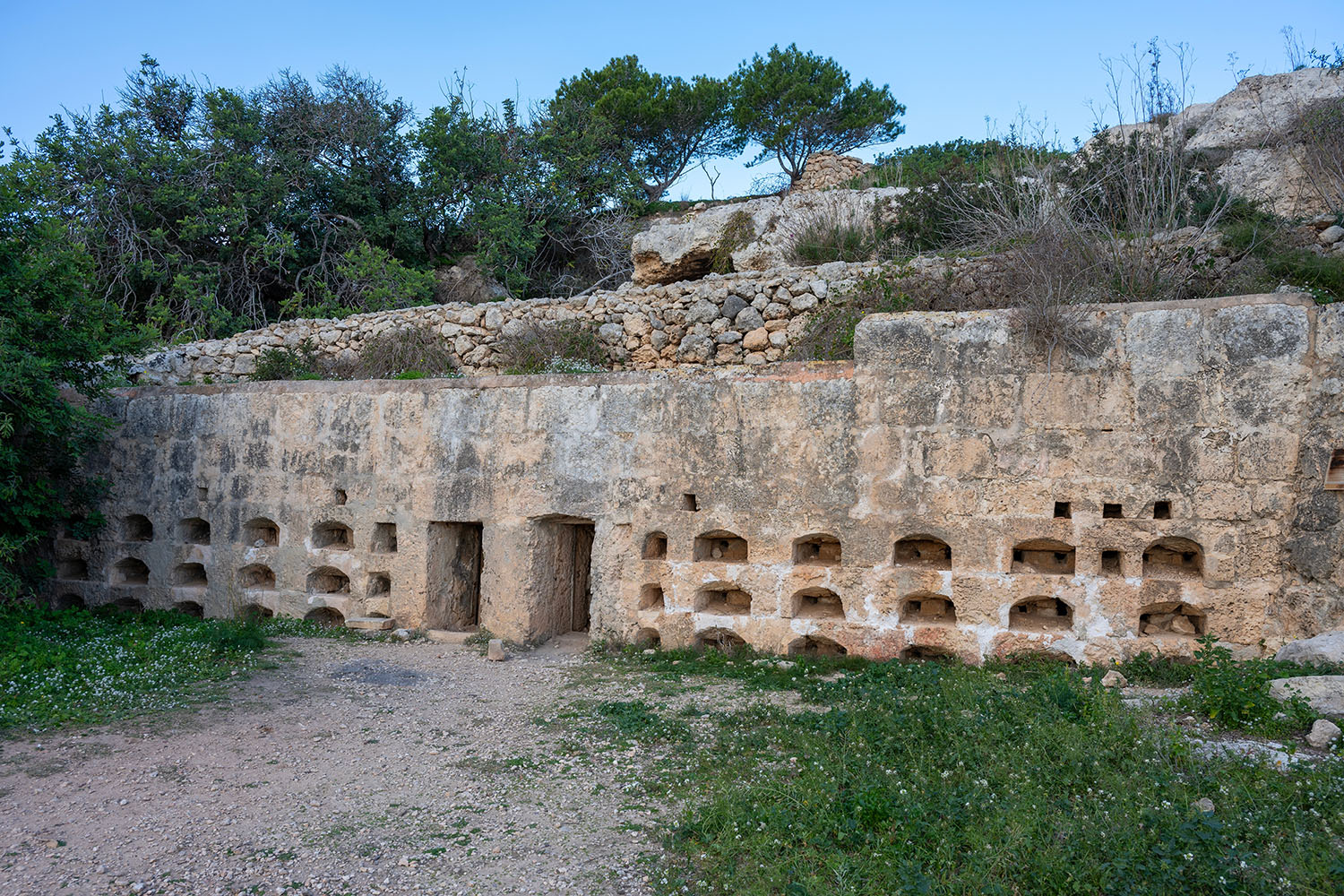
The value of something, especially something like a natural resource or cultural wonder, is not just that ‘economic’ value. ‘There are other elements that cannot be easily quantified, that’s why it’s important to scrutinise,’ explains Ellul. ‘It comes down to the integrity of the economist. They might say during an assessment, “Hey, I’ve given you a value which accounts for provisioning, but I could not provide a direct value for the cultural aspect (because it’s priceless or destroying a natural heritage site. While some might be tempted to fudge the numbers so the project can be approved,’ he adds.
But, it also goes the same way for policymakers. Policymakers must be able to accept values given by economists, even if they ultimately render projects unfeasible. ‘Ideally, they should be able to say that the economist helped us realise that while there is a fiscal price for provision, the value for the cultural aspect is effectively infinite, so we cannot proceed with this site,’ Ellul says.
$25,000,000? Sold!
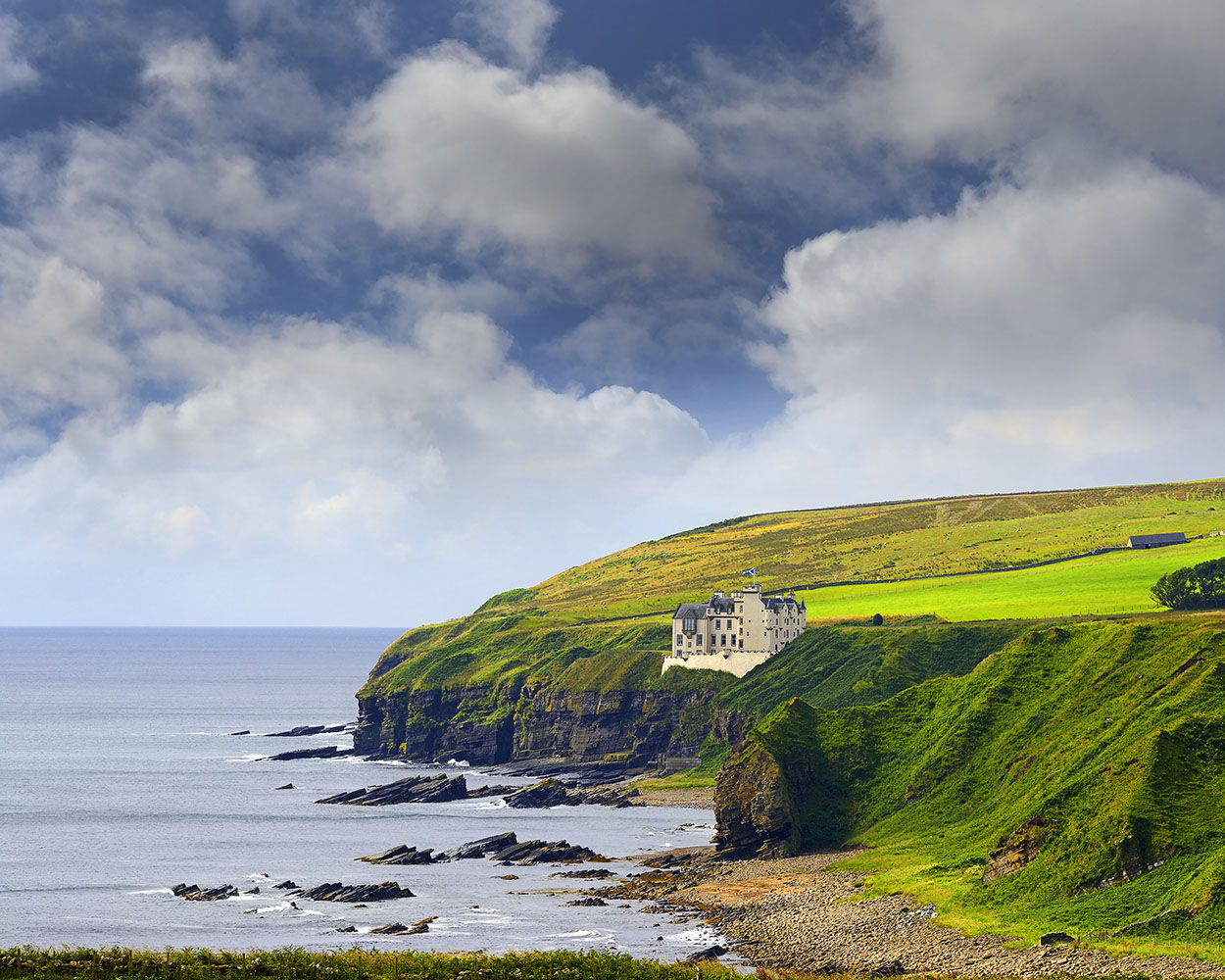
Yet, when something has a price, it implies that it can be bought. If a natural site is deemed to have a value of say $25 million, what’s stopping an ultra-billionaire from flat-out buying it? This summer, Jeff Bezos, a man whose daily expenses rival the GDP of a small country, has rented out half of Venice for his second marriage, all for the low price of $20 million. If someone can rent an entire city, someone buying a natural or cultural site isn’t much of a stretch either. In fact, in April 2024, a mysterious buyer purchased the historic Dunbeath Castle in Scotland for a princely £25 million.
In theory, valuation is meant to protect the environment. However, these numbers can be twisted. If a coastal zone is said to be worth €60 million a year, what’s stopping a developer with €100 million from treating that as a green light? Ultimately, it risks creating a pay-to-pollute mindset.
‘It comes down to the responsibility of the economists helping form these policies. There are good economists, those who are misguided, and those who have an agenda,’ Ellul argues. ‘Then it goes beyond economics. Education gives people the tools to fact-check, critique, and scrutinise. Economics is not the be-all and end-all. It is wide-ranging, but we cannot expect one discipline to make an entire judgement,’ he adds.
As Ellul’s first economics teacher, Mr Paul Borg, put it, ‘if economics cannot make the world a better place, it’s useless.’ These economic tools, if used with integrity and as part of a robust framework, can certainly protect the environment. They effectively make the value of a natural resource or cultural landmark visible to policymakers. Yet, without integrity and political will, these tools are as useful as a bulldozer at the Blue Lagoon. Just because you have the environmental assessment doesn’t mean that it will stop all environmentally damning projects.
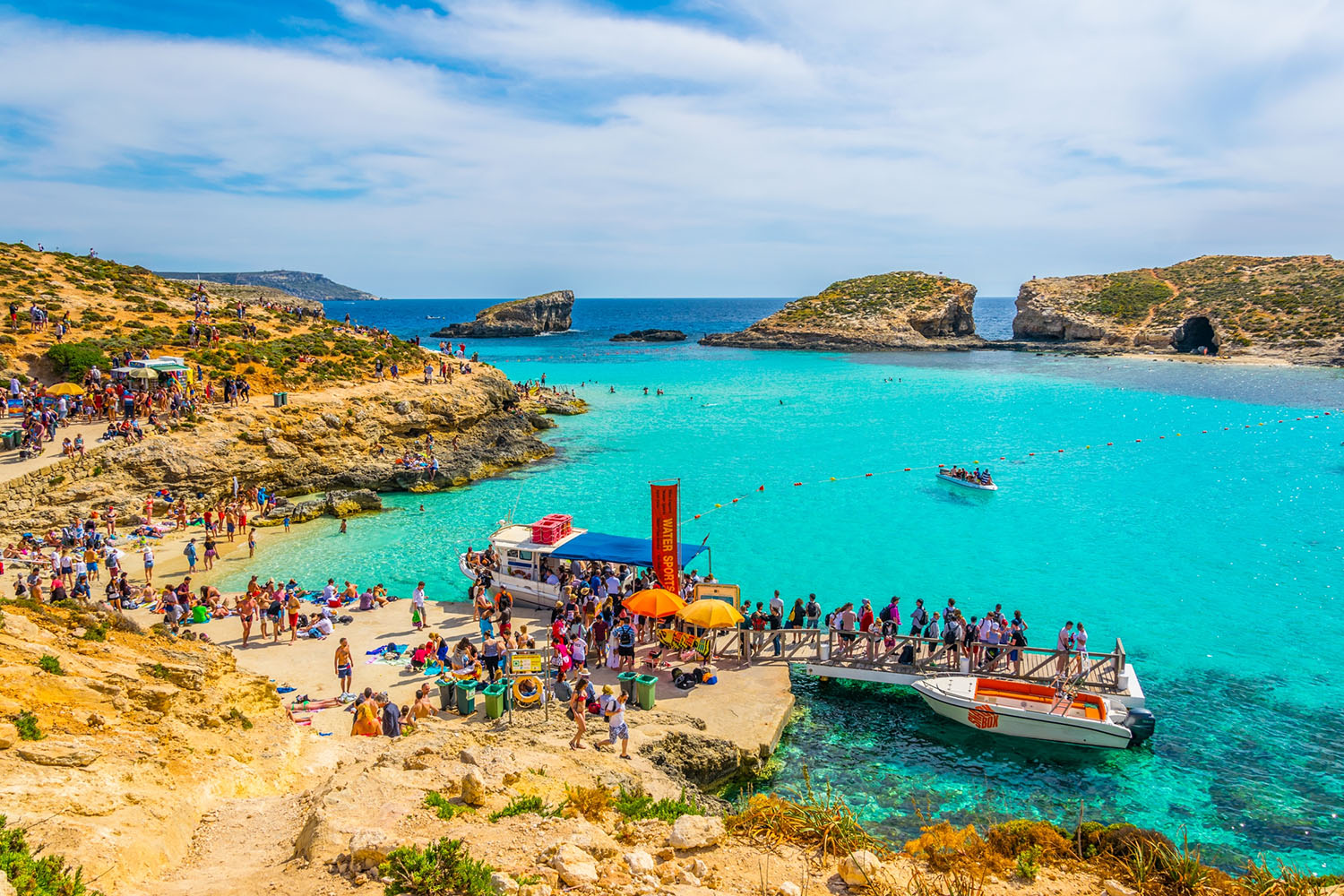
Jumping back to Comino, in 2020, local Master’s student Claudia Dalli conducted an economic valuation of Comino for her Master’s. She found that Comino’s provisioning services are valued at €17.4 million per year, national historical monuments found on Comino have an estimated combined value of €1.3 million, while its ecotourism and recreational benefits amount to over €62.6 million per year. Not to mention the biodiversity and heritage which are, effectively, priceless. So what’s the more worthwhile investment? A €170 million luxury resort that risks irreversible damage, or a site that gives over €80 million in natural and cultural value every year, not to mention what can’t be priced? The real question isn’t what Comino, or the environment more broadly, is worth. It’s whether we’re willing to value it.
Further Reading
Ellul, N., Spiteri, J., Gravino, D. (2025). An applied methodology for the quantification of socio-economic valuation of groundwater resources in Malta. In: A. Sefelnasr, M. Sherif, V.P. Singh (Eds.) Water Resources Management and Sustainability (Water Science and Technology Library, Vol 114). Springer. https://doi.org/10.1007/978-3-031-80520-2_16


Comments are closed for this article!