
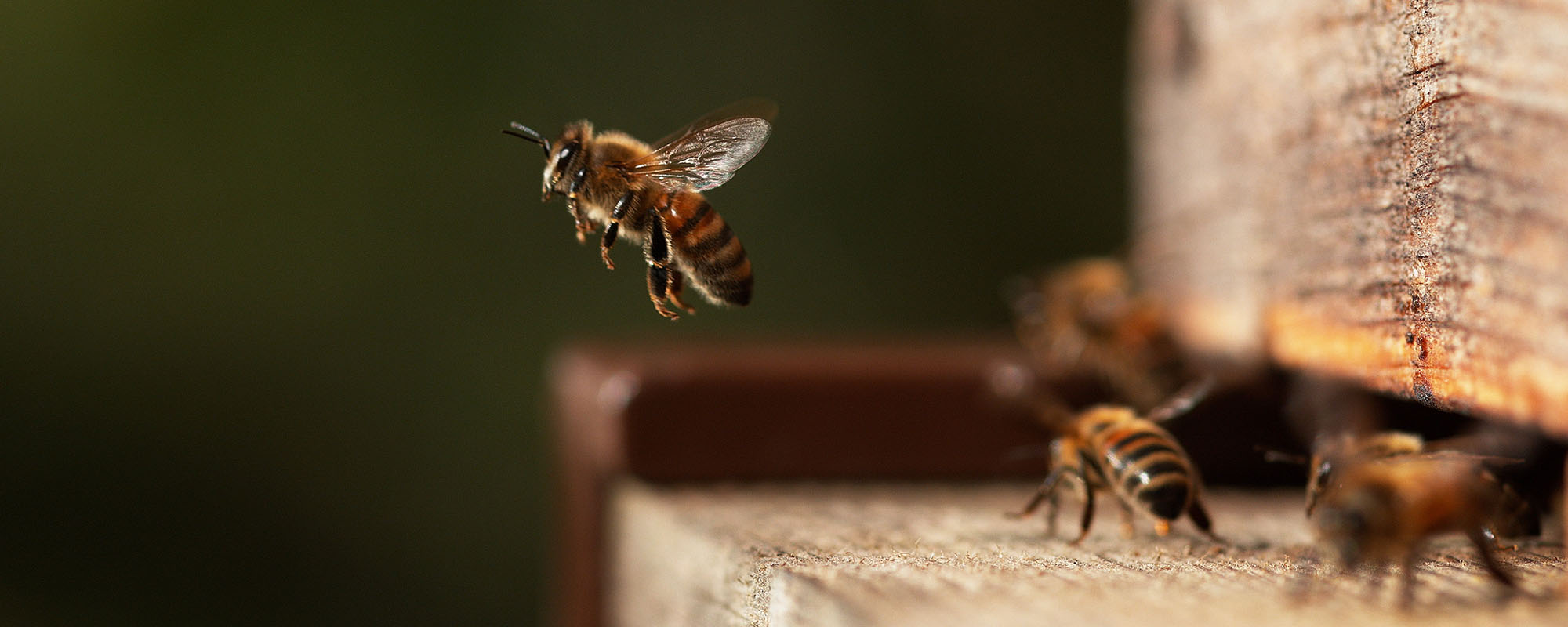
As part of the BEE-OPTECH4Honey project, master’s student Matthew Calleja is seeking to demonstrate that Maltese thyme honey is worthy of a protected status. In discussion with THINK’s Jonathan Firbank, Calleja shares how best to prove it and the benefits PGI status can bring.
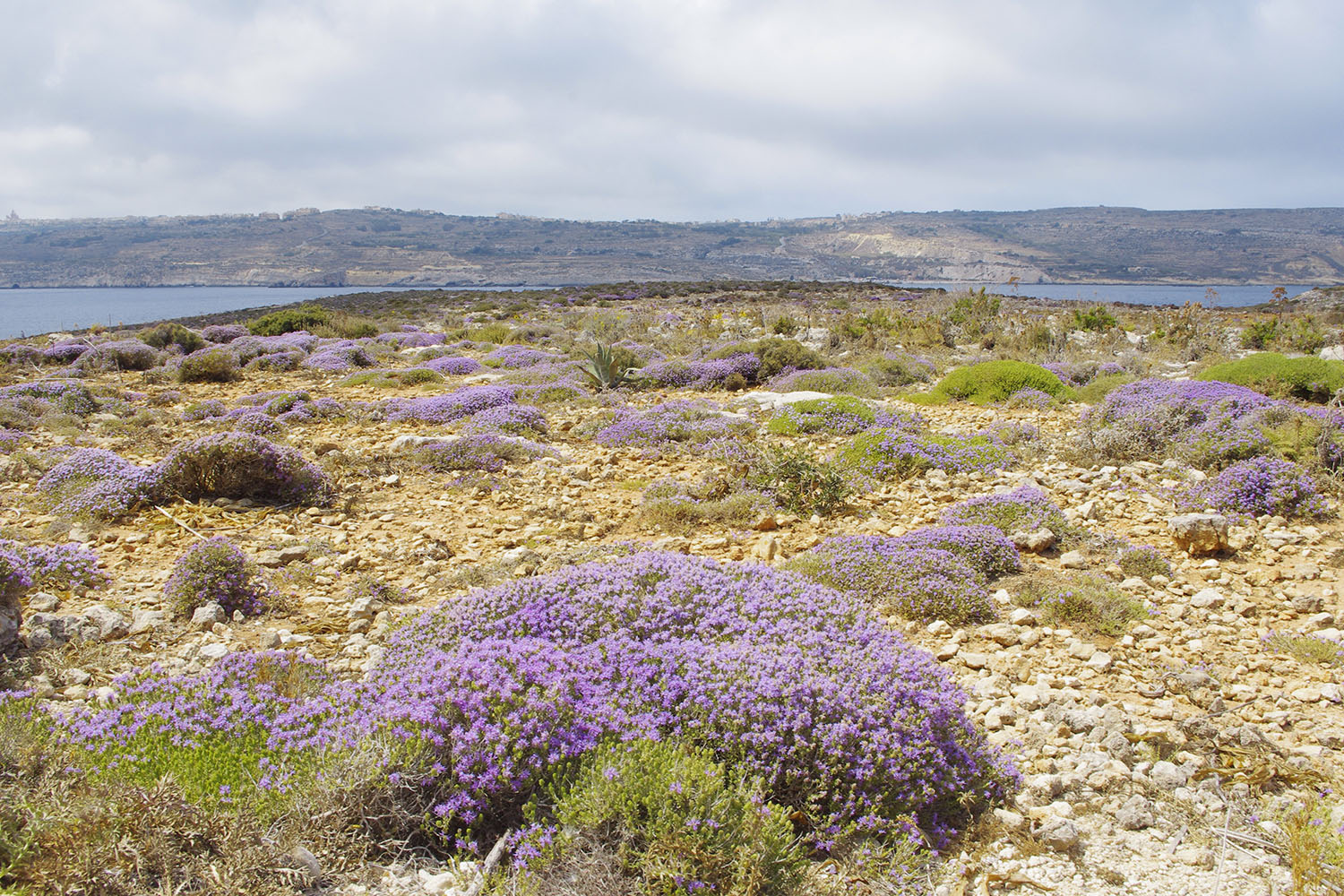
Malta is the land of honey. Its heritage of beekeeping extends, likely, for a millennium or more. Its classical name, Melite, appears to be derived from meli, the Greek word for honey, and its cultivation was well documented in the centuries since. Malta’s unique honey, għasel tas-sagħtar, is made distinct by wild thyme. This flowering herb is itself a protected species. Its nectar lends a complexity to Malta’s honey, bringing a broad range of aromatic and even slightly-savoury notes that balance what is normally pungently sweet.

As Matthew Calleja (RSO at the Institute of Earth Systems) states, the taste is unique – ‘I wouldn’t even be able to describe it, it simply tastes like thyme honey.’ In addition to conducting research for a master’s thesis on bee parasites, Calleja is contributing to Prof. David Mifsud’s BEE-OPTECH4Honey project. Their work is laying the groundwork to establish protected status for Maltese honey to help safeguard its future.
Matthew Calleja is an RSO at the Institute of Earth Systems, contributing to Project BEE-OPTECH4Honey.
Protected Geographical Indication (PGI) status has been awarded to honey from only two regions thus far. In France, this includes varieties under the umbrella of miel d’Alsace, which were granted PGI status in 2005. In 2025 the mêl grug Cymru of Wales became the second example. These honeys are physicochemically distinct. Their uniqueness can be measured with empirical science rather than through subjective assessments of taste and aroma. Calleja and Mifsud’s task is to investigate whether għasel tas-sagħtar meets the same criteria.
Prof. David Mifsud is a Professor at the Division of Rural Sciences and Food Systems and the Lead Investigator for Project BEE-OPTECH4Honey.

Why Protect Honey?
PGI status, as Calleja describes it, ‘means that the honey from a particular region is unique, or rather, that you can only get that honey from that region.’ He draws attention to Parmigiano Reggiano, which must be made in a specific area of Northern Italy. This is just one of many products whose protected status preserves cultural heritage, prevents imitation, and guarantees an economic lifeline for their home countries. In the case of honey, PGI status has an even deeper impact.
The label for Protected Geographical Indication (PGI) designation
As already mentioned, Maltese wild thyme is being protected against threats of extinction. But Maltese bees are no less distinct. ‘They are an endemic subspecies of honey bee, which has developed unique characteristics from Malta’s unique environment. This might, for example, impact the way they make honey. If their honey were to get PGI status, it would become harder for people to import foreign bees and provide more incentive to work with the Maltese subspecies.’ Essentially, protecting Malta’s honey protects both the bees and the thyme that make it special. And, of course, it protects Maltese beekeepers. ‘Not only does it protect the heritage of Maltese beekeeping, but it makes their work more financially lucrative,’ as the allure of such a unique product draws customers.
Sweet Chemistry
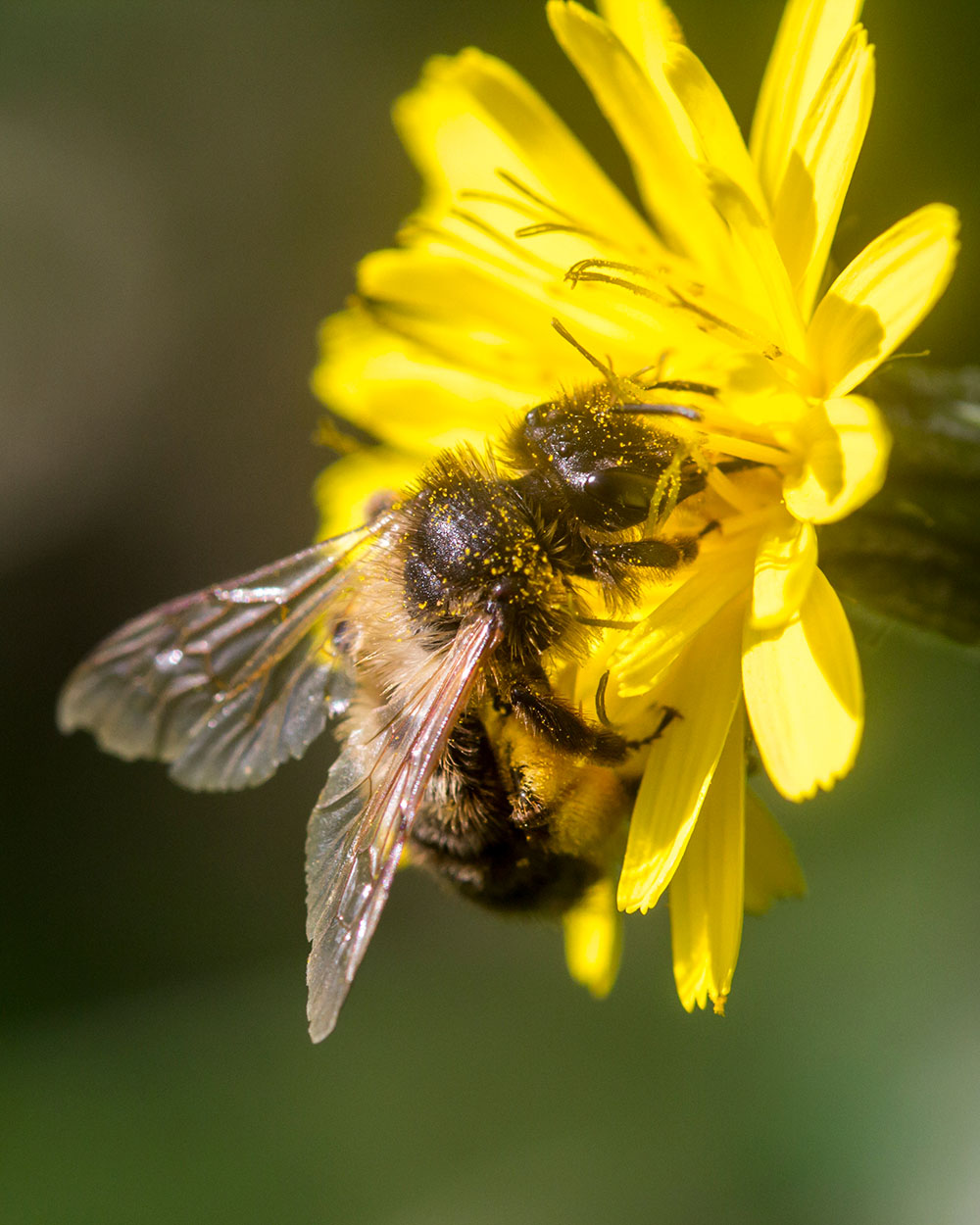
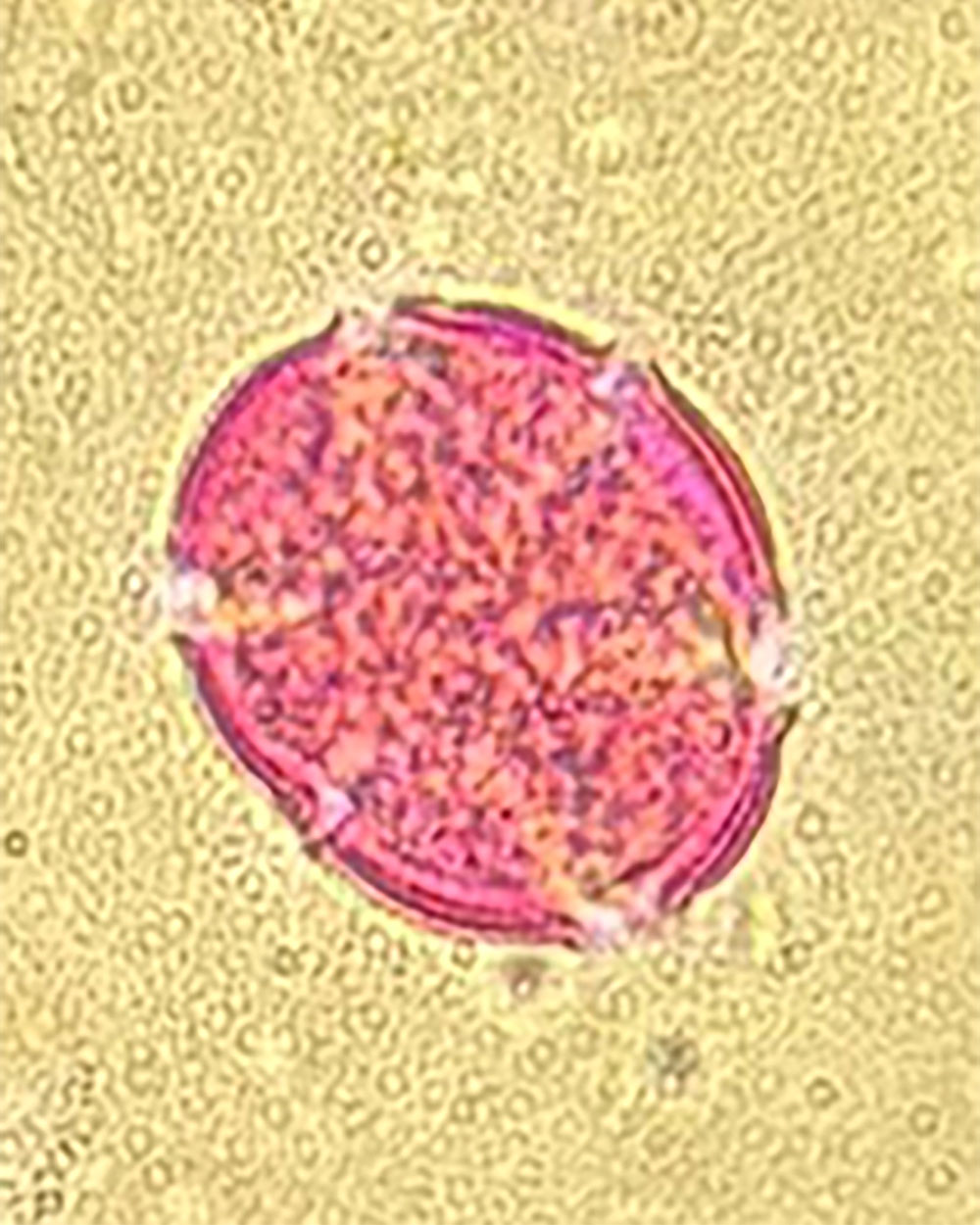
Honey combines sugars, acids, enzymes, minerals, antioxidants, and plant-derived compounds. And so, its taste, tint, and aroma reflect the flowers that the bees have access to, as well as how the honey has been harvested and stored. Its complexity gives any honey strain a unique “fingerprint”. This is made more distinct by pollen that can be traced to a specific location. In the cases where no pollen is involved, in imitation or honeydew-based honey, there will be a marked difference in electrical conductivity.
The Maltese Honey bee (Apis mellifera ruttneri) covered in pollen
The majority of Calleja’s samples were of high quality, reflecting good beekeeping practices. Its organic acids weren’t high enough to negatively impact taste or risk fermentation, and its levels of bee-derived amino acids were high, indicating authenticity. But demonstrating that għasel tas-sagħtar is not only good but also unique demanded an even deeper investigation. Thyme honey, unsurprisingly, must be largely derived from thyme, making it monofloral. As Calleja states, ‘You discover if a honey is monofloral by analysing two things. First, its physicochemical characteristics, which include moisture levels, the percentage of dissolved solids and chemical makeup.’ This is in addition to analysing ‘the colour and viscosity of the honey, among many other things. But then you couple that with a pollen analysis to demonstrate the honey’s dominant pollen types.’
Of course, bees will happily make use of most flowers in their ecosystem. So, definitively monofloral honey will still have fringe pollen. ‘Rather than demanding 100% of pollen from a single floral source, the cutoff point tends to be around 45%. In some cases, monofloral honey will have less than that, but still considered monofloral because its physicochemical properties match those of the nectar of a particular flower species. This highlights the fact that honeybees make their honey from the nectar of the flower, and although pollen analysis will give an indication of botanical origin, it will not always be enough,’ notes Calleja. It’s intuitive, therefore, that prestige monofloral honeys tend to draw from particularly aromatic plants, whether that be lavender, manuka, or thyme. In the case of the latter, the bulk of Calleja’s samples proved to indeed be monofloral honeys.
Preserving Malta
Putting a PGI label on Maltese honey is a daunting task. The rare and infrequent examples of it happening thus far each have unique circumstances. France benefits from incomparable culinary prestige and passionate domestic support. Nonetheless, these powerful forces had to overcome serious European opposition in order to get PGI status. Welsh honey, on the other hand, is particularly chemically distinct, to the point where it has a notably different texture in certain conditions. In addition to this stark point of uniqueness, it was classified with a post-Brexit, British PGI label. This meant that the status could not be contested by inter-European challenges.
It seems that geopolitics is another unique element of each kind of honey. But honey has a deeper connection to Malta than it does to these two precedents. That depth extends to its flowers, its bees, and to those that tend them. The strength of that connection is being demonstrated in Calleja and Mifsud’s work. But perhaps the best proof, for the archipelago of Melite, is in its name.
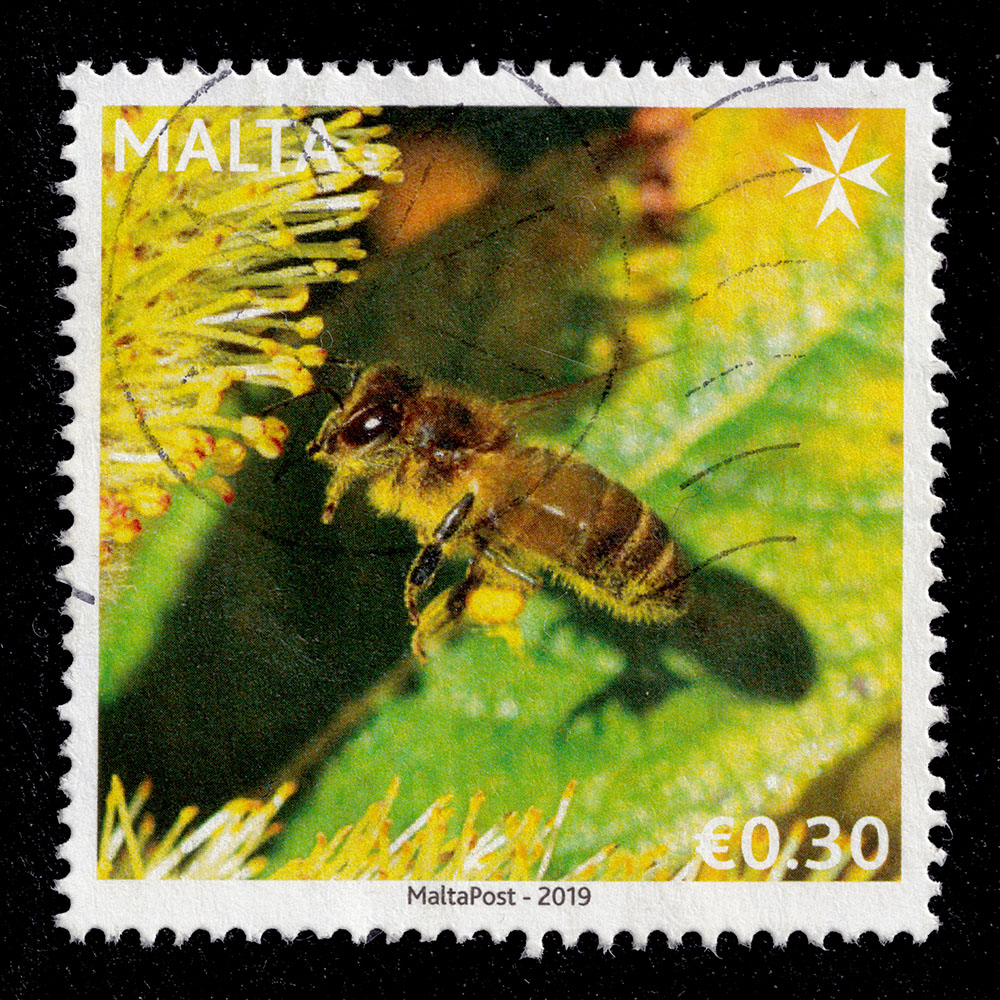
A postage stamp printed in Malta circa 2019, depicting a Maltese Honey bee (Apis mellifera ruttneri) in flight
Project BEE-OPTECH4Honey is funded by Xjenza Malta and the Scientific Technological Research Council of Türkiye (TÜBİTAK) through the MCST-TÜBITAK 2023 Joint Call for R&I projects. This initiative is part of the PRIMA Programme supported by the European Union.
Read more about Project BEE-OPTECH4Honey in our past edition: Issue 46, pp 18–21




Comments are closed for this article!