
Author: Gail Sant
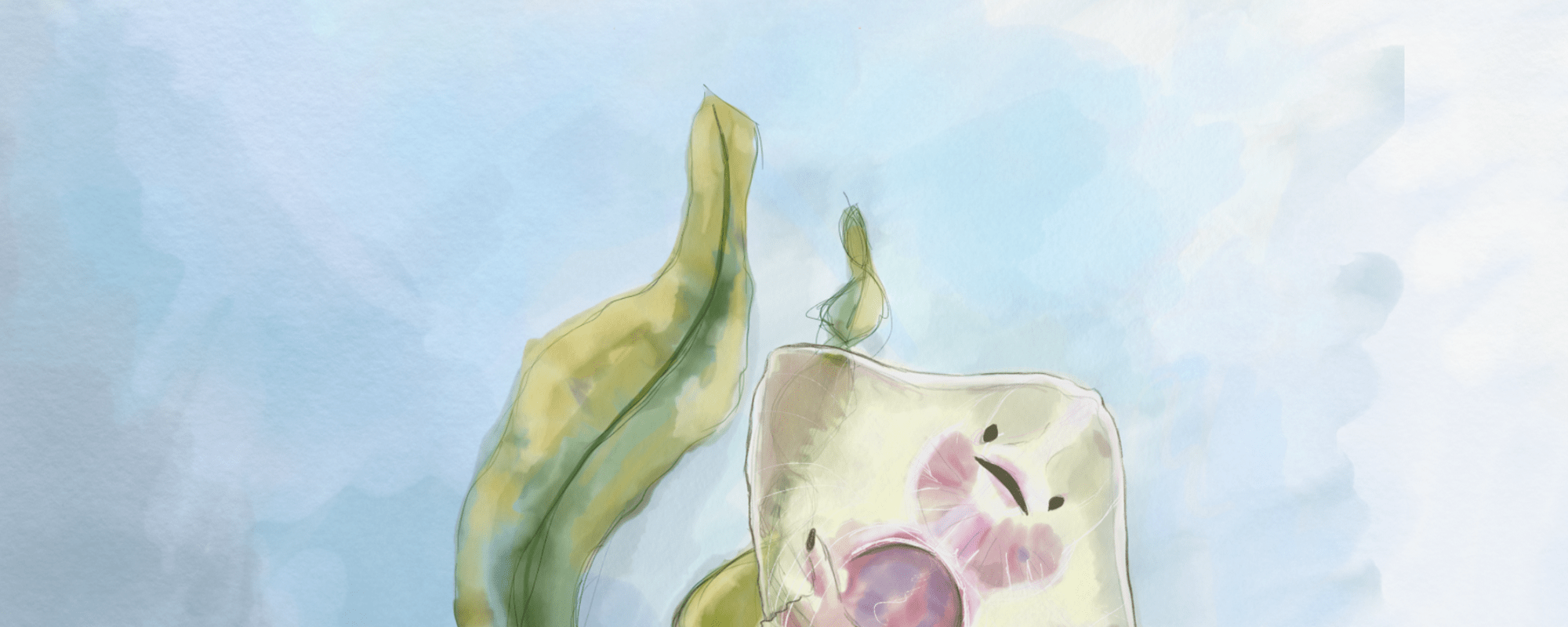
They’re called ‘skates’. Yes, like the shoes. Like sting rays, but less popular.
If I had a penny for every time I uttered those words throughout my dissertation years, I’d be a rich woman. You’d think that skates, a regular at the daily fish market, would be part of people’s general fish-knowledge. But it came to me as no surprise, considering how culinarily, environmentally, and economically unappreciated they are.
My dissertation year was entirely focused on the Raja clavata (English: Thornback Ray, Maltese: Raja tal-Fosos), and its sister Raja montagui (English: Spotted Ray, Maltese: Raja tal-għajn). Guided by Dr Leyla Knittweis-Mifsud and Prof. Patrick J. Schembri, the study’s aim was to see whether the scientific and non-scientific sources used to identify and distinguish these two species do so effectively. Spoiler alert: They don’t. I found that the characteristics listed in identification guides weren’t enough to recognise them, and the implications of this are as unknown as the fish themselves.
The Thornback Ray is usually caught and sold as bycatch (unintentional fish catch). The Spotted Ray’s presence is less clear. Information is lacking about its occurrence and use in the Maltese fishing industry. But if we have no reliable means of telling the two species apart, there’s no way of knowing which is truly which. Because the Thornback Ray has never made a splash in the fishing industry, there has only been a single failed attempt to study its population. Despite the study never being completed due to a lack of data, it indicates that the fish is being overexploited.
Having unreliable monitoring data creates a ripple effect of misinformation throughout a hierarchy that ends with poorly implemented regulations and inaccurate conservation statuses. The experience has made me aware of a situation that’s becoming increasingly urgent, spiralling me into a mini-scientific existential crisis. What’s the point of having so many laws and regulations about registering, studying, and identifying caught fish if we may be doing it all wrong?
But I soon came to view this more positively, as something that motivates rather than disheartens me. There is still so much we don’t know! We need research to help answer our questions and in turn help us live more sustainable lives. And as for the skates, through scientific studies and increased awareness, these finned friends can enjoy the fruits of better-fitting fisheries regulations that will see them survive and flourish in the ecosystem.



Comments are closed for this article!