
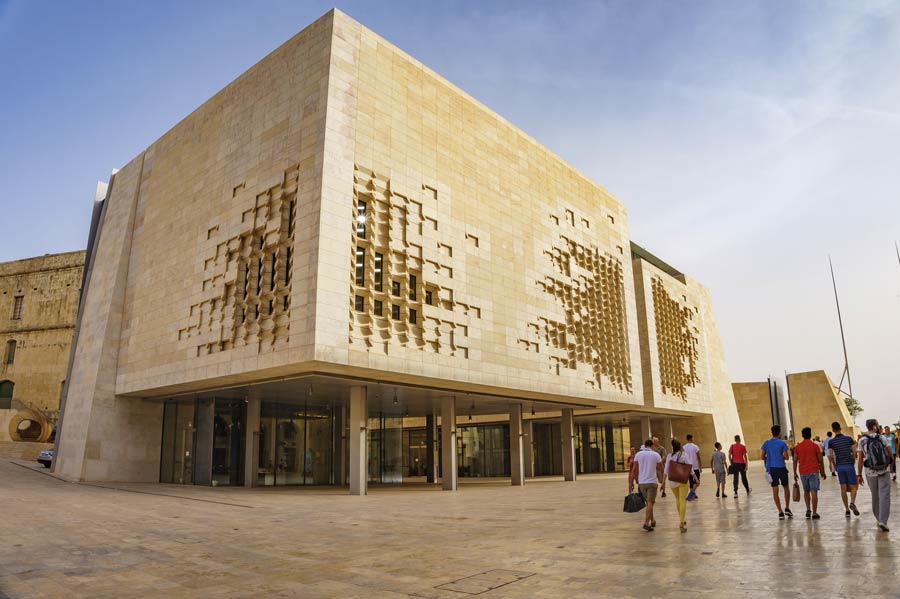

The Maltese people are known for being generous, hospitable, and passionate. They jump into any argument, mind, body, and soul… especially when it’s about politics.
The tripartite political scene, which recently evolved into a quadripartite one, captivates the Maltese population’s interest to the point where its following is quasi-religious. On occasion, parliament sees politicians confront each other, debate, and in the end, legislate. In the process, a huge amount of information is generated. To put things into perspective, during every parliamentary session, backbench politicians and those of the opposing parties pose questions to ministers and parliamentary secretaries to scrutinise the government’s work. In this current legislature alone, almost 30,000 Parliamentary Questions (PQs) have already been made. The problem lies not only with its bulk, but also with its indiscernible format.
How so? EU legislation requires this information to be made accessible for citizens’ consumption. This opens up governments’ work to scrutiny and increases accountability. But while the Maltese parliament does provide access to collections of documents through different media, including its online portal and the recently launched TV station, the data’s format and its sheer size makes it impossible for it to be used effectively. In an effort to make parliamentary data more open, Dr Charlie Abela and Dr Joel Azzopardi from the Department of Artificial Intelligence (Faculty of ICT, University of Malta) are working with the Office of the Speaker on a project called apps4Parliament.
apps4Parliament seeks to create a number of apps which can in turn make collections of parliamentary data more open, searchable, and accessible. The first app created as part of this project is called PQViz. The app exploits the PQ data by capitalising on the interaction between Members of Parliament (MPs) from different parties and presents an interesting, interactive visualisation through which users can more intuitively understand questions like: who asked whom about what, who asked the most PQs, and who answered them.
Through the apps4Parliament project, the general public will be able to analyse parliamentary processes, monitor MPs’ and committees’ activities, and seek accountability. It is intended to help people understand how parliament works, clarifying law-making logic and involving them in the parliamentary process. The face of political culture is in for a change, and accessibility is going to play a major role.




Comments are closed for this article!