
Skip to content

Science, art, academia: Star Trek

Facebook
Twitter
LinkedIn

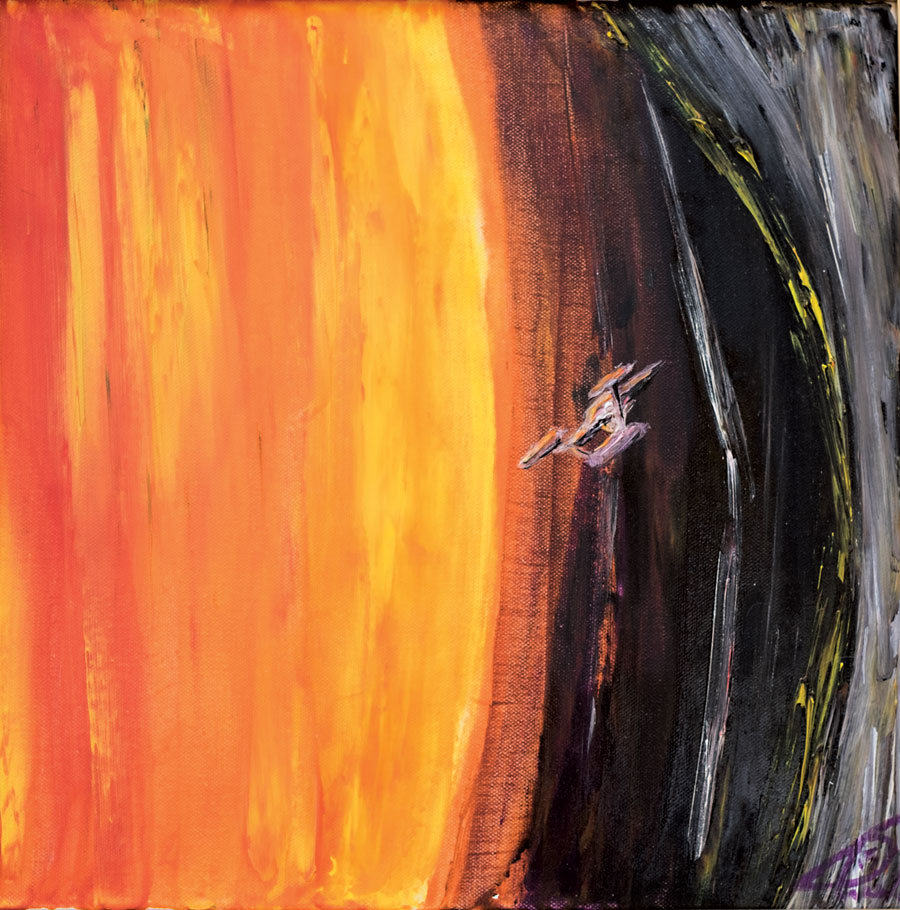
The Star Trek academic symposium will be held at the Faculty of ICT, University of Malta, on 15 and 16 July 2016. This event will be a platform for both academics from various disciplines as well as Star Trek fans to meet and explore the intersection between the humanities and the sciences. There will be inspirational presentations from national and international speakers, with the programme tailored to attract a wide audience. Contributors will be encouraged to explore contemporary issues in medicine, science, and technology as well as philosophical, psychological, and sociological issues connected with the science fiction entertainment franchise Star Trek.

A similar symposium was held in 2014 and which proved to be a worldwide first that successfully drew participation from many international scholars including American philosopher Jason Eberl, UK-based neonatologist and ethicist Neena Modi.

As a result of its success, this second event that marks the 50th anniversary from the launch of Star Trek: The Original Series is being organised. The event will be held under the auspices of the Humanities, Medicine and Sciences Programme (HUMS), a University of Malta programme set up to explore and encourage the interfaces between the humanities, medicine, and sciences. The Science Fiction Symposium will appeal to scientists and fans of science fiction alike..

For more information, visit the website.

Author

More to Explore

These Insoles Are Made for Monitoring: A Step Towards Preventive Healthcare 

What if healthcare could learn more about our health between appointments? Wearable technology is opening up new possibilities for continuous monitoring, and researchers at UM’s Centre for Biomedical Cybernetics and Department of Podiatry, in collaboration with Tarsos, are making significant contributions in this area. THINK went to learn more about a research project investigating how smart insoles could improve foot health monitoring for people with diabetes.

The Chosen One? Adoption Beyond the ‘Happy Ending’

You look at your reflection in the mirror. Your face tells a story of the generations that came before you. A familiar smile, or a shared eye colour, a resemblance that has probably been pointed out more than once. For most, such observations are brushed off with a smile and quickly forgotten. But what if your reflection raised more questions than answers?

Molecular Mail: Tiny Parcels for Tracking Tumours

Tumours are not discreet. As cancer cells grow and change, they release microscopic particles into their environment. Some of these particles enter the bloodstream. They are small, abundant, and, as researchers are beginning to realise, potentially informative. A Maltese research project is testing whether extracellular vesicles can provide a less invasive source of cancer information.

Comments are closed for this article!