
Pancreatic cancer is notoriously elusive. Early on, it offers few clear symptoms, and those that do emerge are often ambiguous. Consequently, diagnosis typically occurs only once the disease has progressed, making treatment more challenging. Maltese research project, PANEXO, led by Dr Laura Grech, is investigating whether tumours leave useful molecular clues in circulation. The short answer? They very well might!
Researchers at the University of Malta suspect that clues to pancreatic cancer may already be present in the bloodstream. PANEXO, a project led by Dr Laura Grech at the University’s Faculty of Health Sciences, is examining whether a combination of molecular signals can yield a clearer picture of the disease. Of particular interest are extracellular vesicles, or EVs: minute packages released by cells.
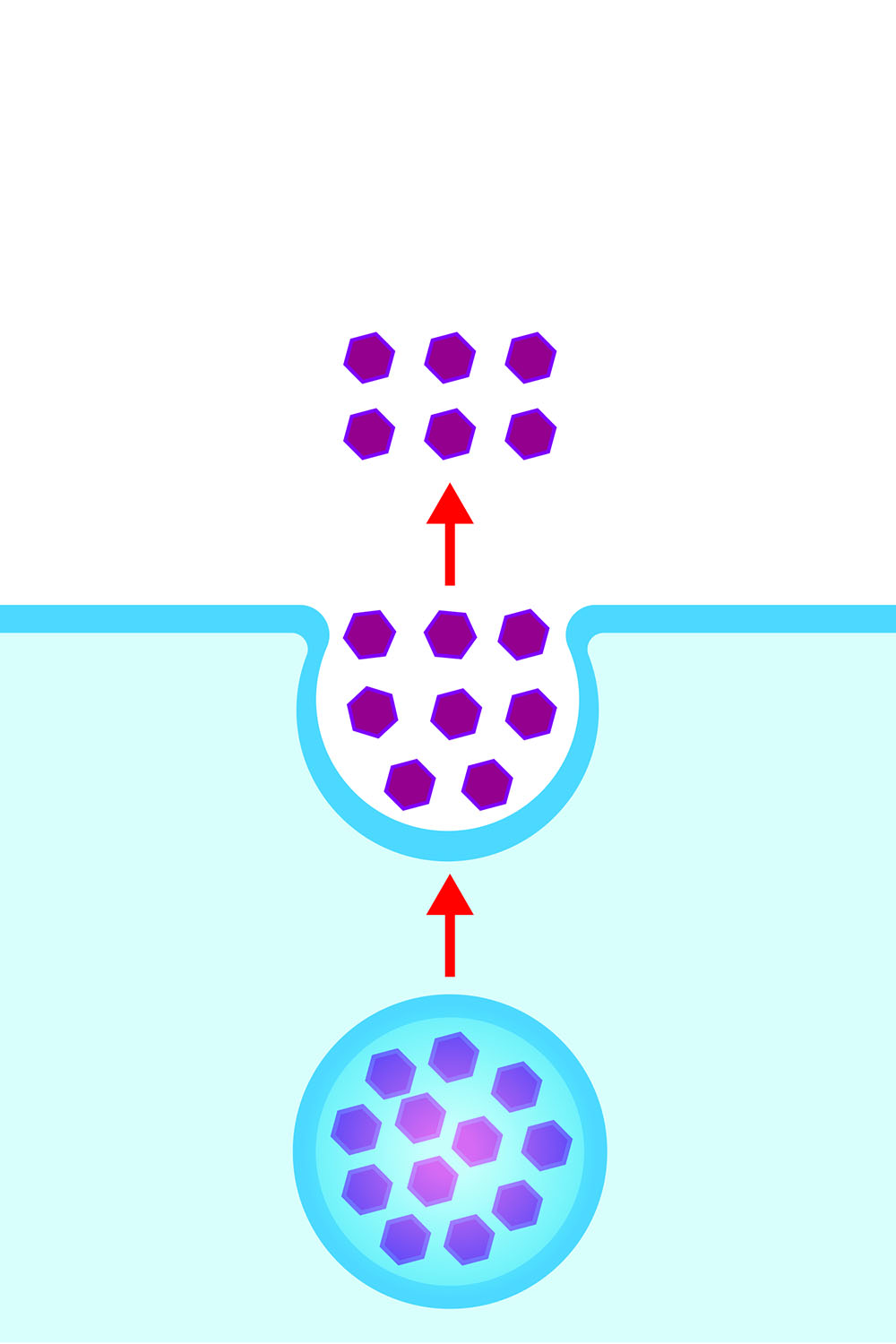
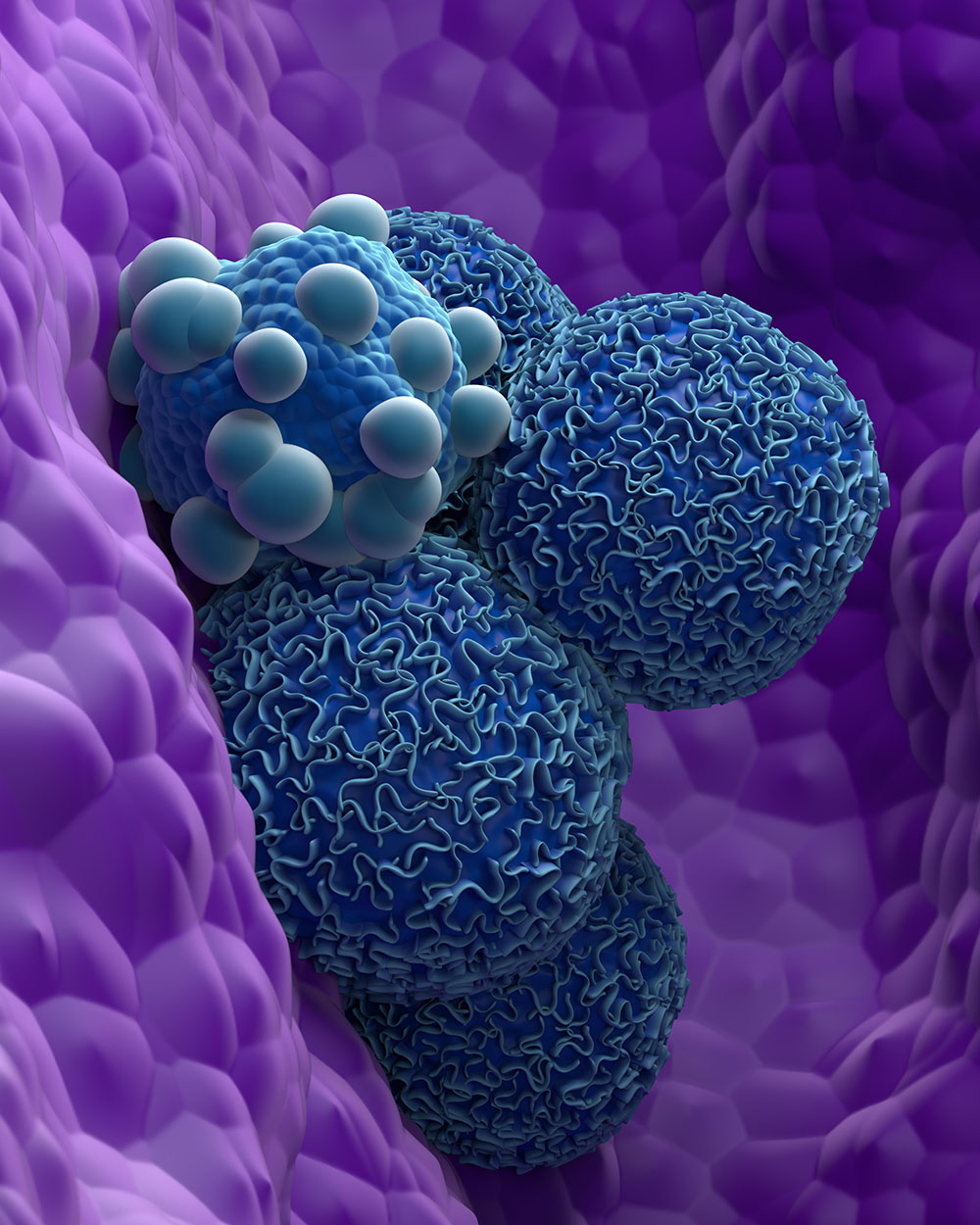
Cells routinely shed EVs into their environment. These small, membrane-bound parcels can carry proteins, genetic material and other molecules from their cell of origin. Cancer cells are no exception. Should their vesicles enter the bloodstream, they may carry molecular traces of the tumour itself.
Grech describes them as ‘tiny biological packages carrying information from the tumour into the bloodstream’. PANEXO is investigating whether particular patterns in these packages can distinguish pancreatic cancer from healthy individuals or people with non-cancerous pancreatic conditions.
A blood test for early pancreatic cancer remains distant. PANEXO does not yet have a validated test that can detect the disease before symptoms appear, and no standard screening test exists for the general population. The project’s aim is more basic: to determine which biological signals merit attention.
The project also does not rely on a single molecule. PANEXO adopts a multi-marker, multi-omics strategy. In addition to EVs, the team examines tumour-derived DNA in the blood, molecules linked to vesicles, tumour tissue when available, and other molecular data. The team then compares these results with existing clinical knowledge.
The rationale is straightforward. A lone biomarker can be equivocal; multiple independent signals converging on the same conclusion are more persuasive. PANEXO seeks to assemble these disparate clues into a coherent picture.
Messages in Bottles
The project did not start from scratch. It follows V-MELD, an earlier project in which Grech and colleagues studied EVs released by lung-cancer cells grown under controlled laboratory conditions (read the THINK article on V-MELD here). That work helped the researchers develop methods to isolate and characterise vesicles and detect surface markers.
PANEXO applies this approach to pancreatic cancer, but with a broader remit. Rather than focusing solely on molecules displayed on the surface of EVs, the researchers are also probing their internal contents. The cargo may offer further insight into the biological state of the originating cell.
The research proceeds in stages. Initial experiments use pancreatic-cancer cell lines, where conditions are tightly controlled. This lets the team refine their methods and characterise the appearance, surface markers, and internal contents of EVs from these cells.
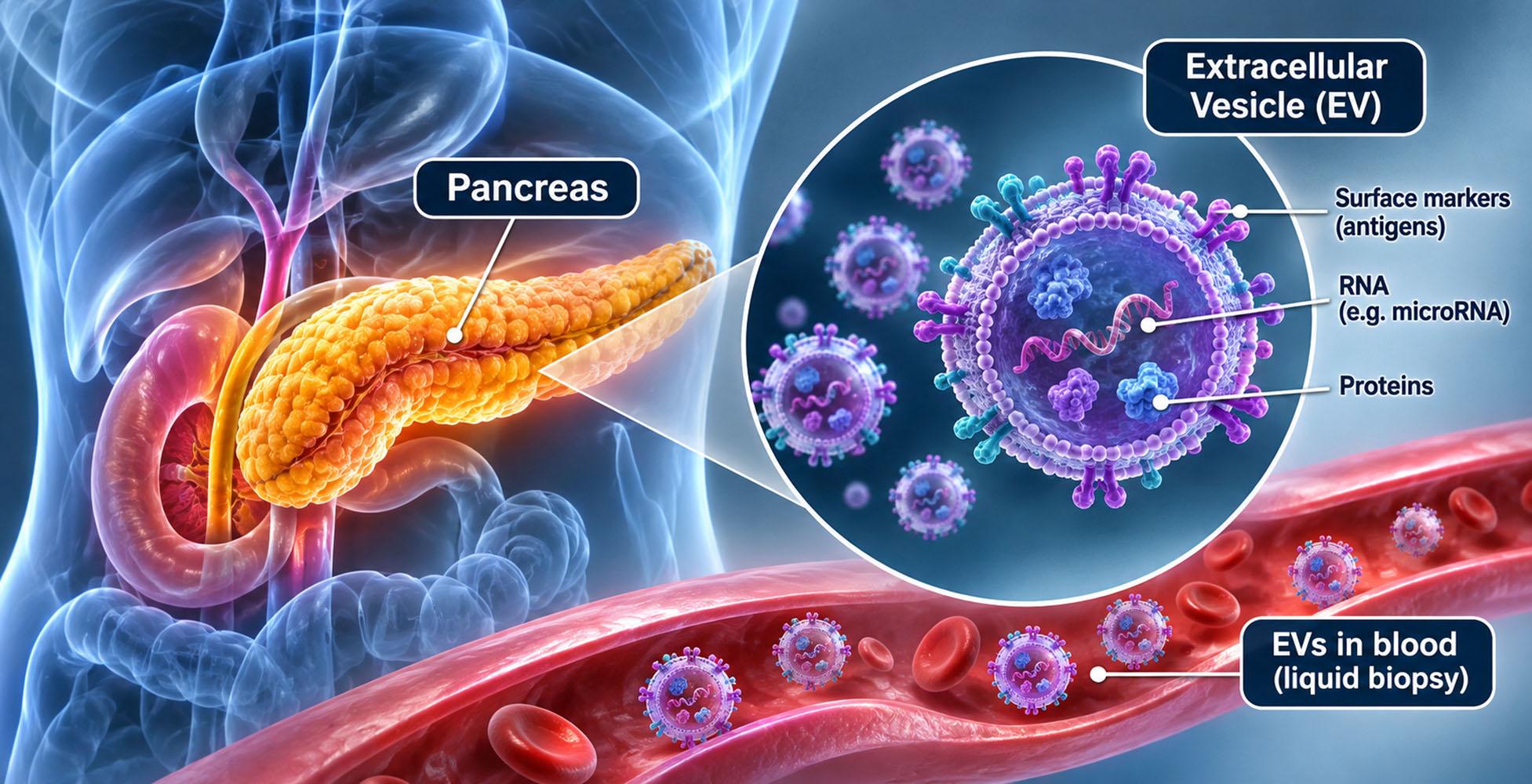
The more difficult task follows: searching for these patterns in patient blood samples. Blood is a crowded environment, teeming with cells, proteins, lipids, and myriad other particles. Isolating EVs from this molecular traffic is a prerequisite for study.
One technique available to the PANEXO team is size-exclusion chromatography, which separates particles according to their physical properties. Fractions enriched in EVs can then be characterised and their surface molecules and contents analysed.
The challenge is not merely to detect vesicles, but to do so reliably. Variations in blood collection, processing and storage can influence results, as can the techniques used to isolate and analyse EVs. PANEXO adheres to international guidelines to ensure reproducibility. This distinction is crucial. A finding that succeeds once is an experiment; a clinical biomarker must perform reliably and repeatedly.
Watching a Tumour Change
EVs may ultimately serve purposes beyond detection. Tumours evolve, altering their molecular characteristics. As the disease advances and during treatment, their vesicle contents may shift accordingly. PANEXO will examine whether such changes correlate with treatment response or the emergence of resistance. In principle, if a molecular pattern consistently appeared in tumours that stopped responding to therapy, it could help clinicians interpret disease progression.
But that remains a research question. PANEXO cannot currently use an EV profile to tell a doctor which chemotherapy a patient should receive, and Grech is careful not to suggest otherwise. Such associations would need to be demonstrated and then validated in patients before they could support clinical decisions.
The appeal lies in the blood sample itself. Tumour biopsies yield valuable information, but sampling pancreatic tissue is invasive and often difficult. Repeated procedures to monitor molecular changes are even less attractive. Blood, by contrast, can be collected relatively easily and repeatedly.
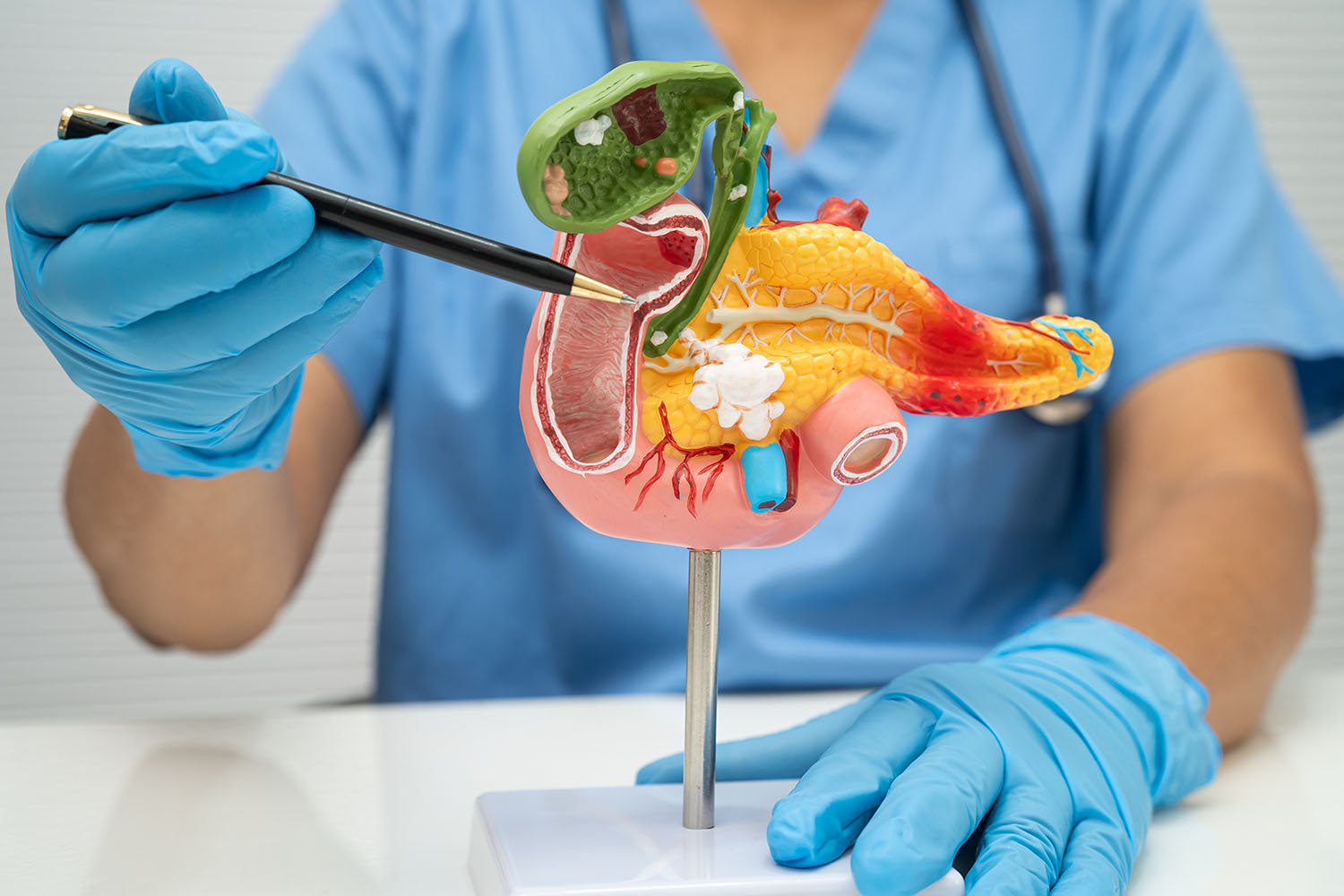
If tumour-derived EVs can be reliably detected in blood, liquid biopsy could provide a series of snapshots over time, rather than a single image at diagnosis. However, that if remains significant.
Translating a promising laboratory signal into clinical practice demands more than mere detection. Candidate biomarkers must be evaluated in larger patient cohorts and appropriate controls. This is especially pertinent in pancreatic disease, where non-cancerous conditions can resemble cancer clinically. Researchers must demonstrate sensitivity, specificity, and, importantly, that a new test provides information beyond existing diagnostic tools.
Equally important are the less visible challenges: standardising sample handling, ensuring laboratory accreditation, navigating regulation, managing costs, and integrating new tests into clinical workflows.
Beyond Malta
For Malta, collaboration will therefore be important. Xjenza Malta funds PANEXO under its Thematic Programme. At the same time, the country’s involvement in European cancer-research initiatives, including the Cancer Mission Hub under CRIHM, offers researchers and clinicians routes abroad.
This becomes critical when promising biomarkers are identified. A signal observed in a single laboratory or patient group cannot be presumed to generalise. Independent replication across diverse populations and healthcare systems is essential before claiming clinical value.
Malta can contribute patient cohorts, biobanking resources and expertise in areas such as EVs, genomics and liquid biopsy. International partners can provide larger patient groups and complementary technology and expertise.
PANEXO’s ambition is not to supplant existing diagnostics with a single blood test, but to determine whether the bloodstream holds additional information that could enhance diagnosis.
Pancreatic tumours can be difficult to detect and difficult to sample. Yet they release biological material into the bloodstream. PANEXO aims to determine whether some of those signals can be read, and whether, in time, a blood sample might reveal more about a tumour hidden deep within the body.
The PANEXO project is ongoing and led by Dr Laura Grech (Principal Investigator), together with Prof. Nikolai Pace. It is funded by Xjenza Malta under the thematic programme portfolio in collaboration with Cancer Research Innovation Hub Malta (CRIHM).




Comments are closed for this article!