

Manufacturing has come a long way since Ford’s production lines. Modern manufacturing is becoming smarter. But making food package manufacturing smarter presents a host of challenges that the SMARTSPACK project needed to navigate through.
Manufacturing is changing. Factories are no longer just about machines repeating the same task again and again. Today’s most advanced production systems are becoming smart, i.e. able to collect data, learn from it, and adapt in real time.
This shift, known as smart manufacturing, is especially important in the packaging sector, where safety, quality, and sustainability are critical. But what is smart manufacturing exactly?
What is Smart Manufacturing?
Traditional automation relies on fixed instructions: machines execute their programmed tasks, and humans intervene to improve efficiency or resolve issues. Smart manufacturing goes further. Machines continuously collect and share data, anticipate faults before they occur, and automatically adjust processes in response to real-time conditions. The result is faster production, more efficient resource use, improved quality, and greater flexibility to customise products, all while maintaining high safety standards. However, shifting from automation to smart manufacturing is hardly as straightforward as plugging in a camera and asking ChatGPT to do it for you.
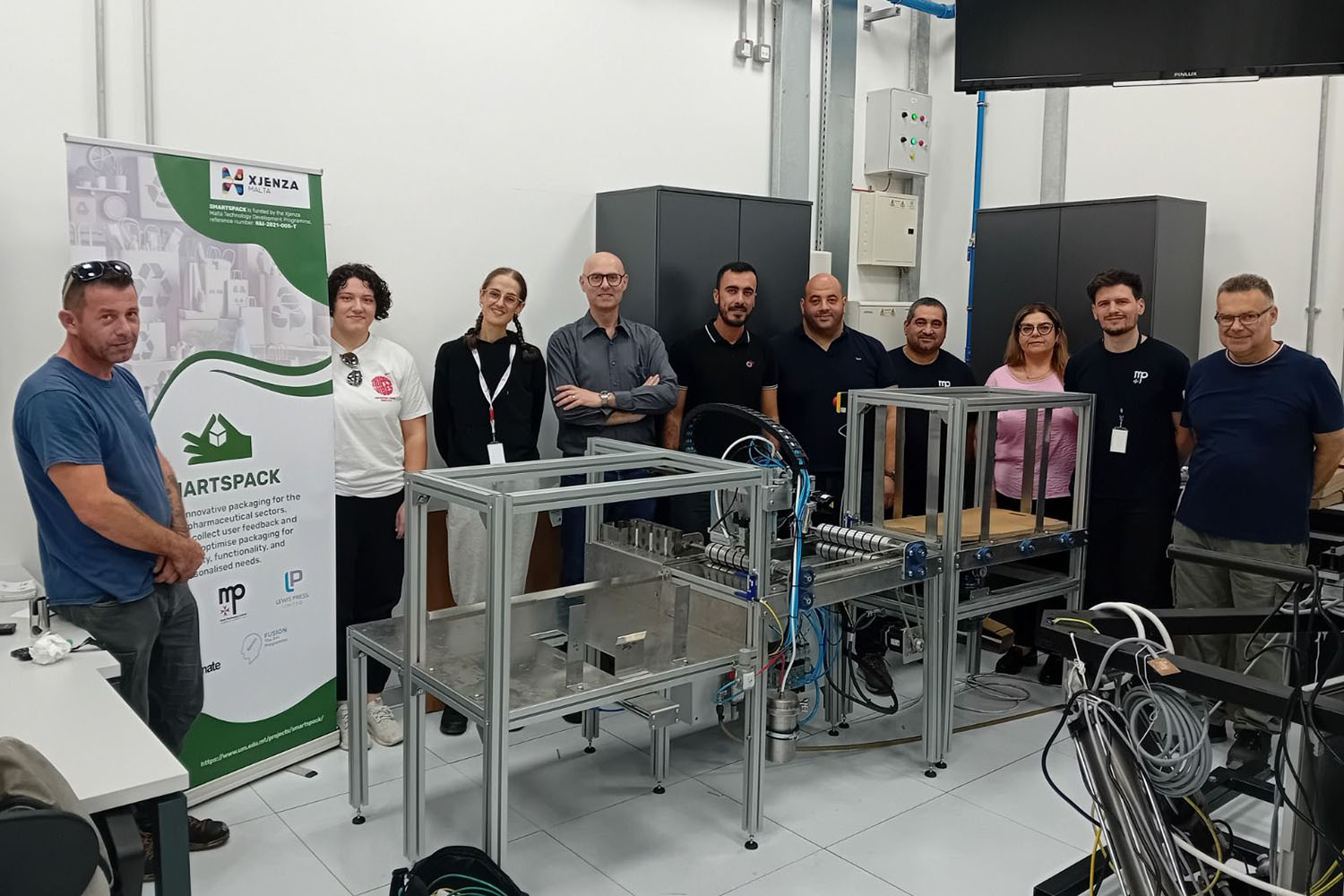
SMARTSPACK is a research initiative that integrates smart manufacturing with innovative food-packaging solutions that feature integrated tamper-evidence and sanitising means. But making food packaging manufacturing smarter presents a host of challenges.
Investing in Data
For all the hype around ‘smart’ technology, there is a reason why it hasn’t become widespread. There is a huge upfront investment – new sensors, data-collection technologies, as well as the development of machine-learning algorithms. While larger packaging manufacturing companies can absorb the cost, small and medium-sized enterprises don’t have that kind of financial flexibility. For SMARTSPACK, the first challenge was predicting how quickly these investments would pay off. Ultimately, manufacturers need to balance innovation with financial feasibility.
But why are new sensors and algorithms even needed? The main idea behind SMARTSPACK’s packaging concept is to continuously monitor customer preferences for sanitising solutions and key production parameters. New sensors and data-collection technologies are necessary to train algorithms to understand these customer preferences. However, training the algorithms effectively requires large volumes of real-time data. It’s not just about efficiency, given that SMARTSPACK is working with food packaging manufacturing, quality and safety are paramount. A mistake or fault in food packaging could prove financially devastating, especially for smaller enterprises. Training the algorithm robustly and reliable record-keeping ensures traceability and safety.
Risks and Regulations
Food packaging operates in one of the most tightly regulated manufacturing environments. This required SMARTSPACK to adhere to strict regulatory and compliance requirements. Creating a smart manufacturing system also meant creating a secure manufacturing system.
Connecting machines, sensors, and cloud-based platforms is all necessary to ensure a connected, smart manufacturing ecosystem. Yet, increasing the digital footprint of the manufacturing environment also introduces cybersecurity risks. The project needed to ensure that production and customer data could be securely stored, tracked, and audited, while complying with food safety standards and data protection regulations. This added an extra layer of complexity to the design of the smart manufacturing platform.
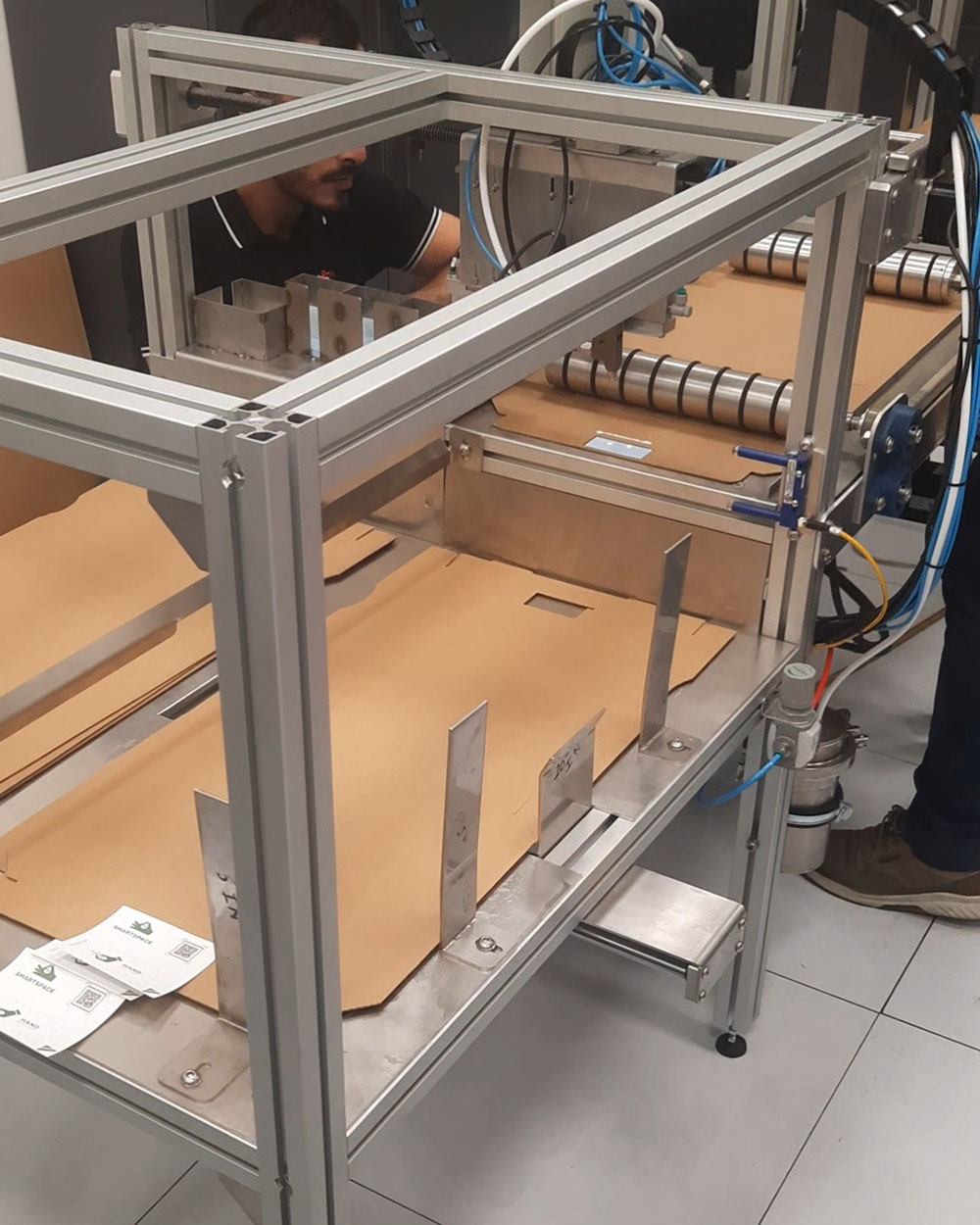
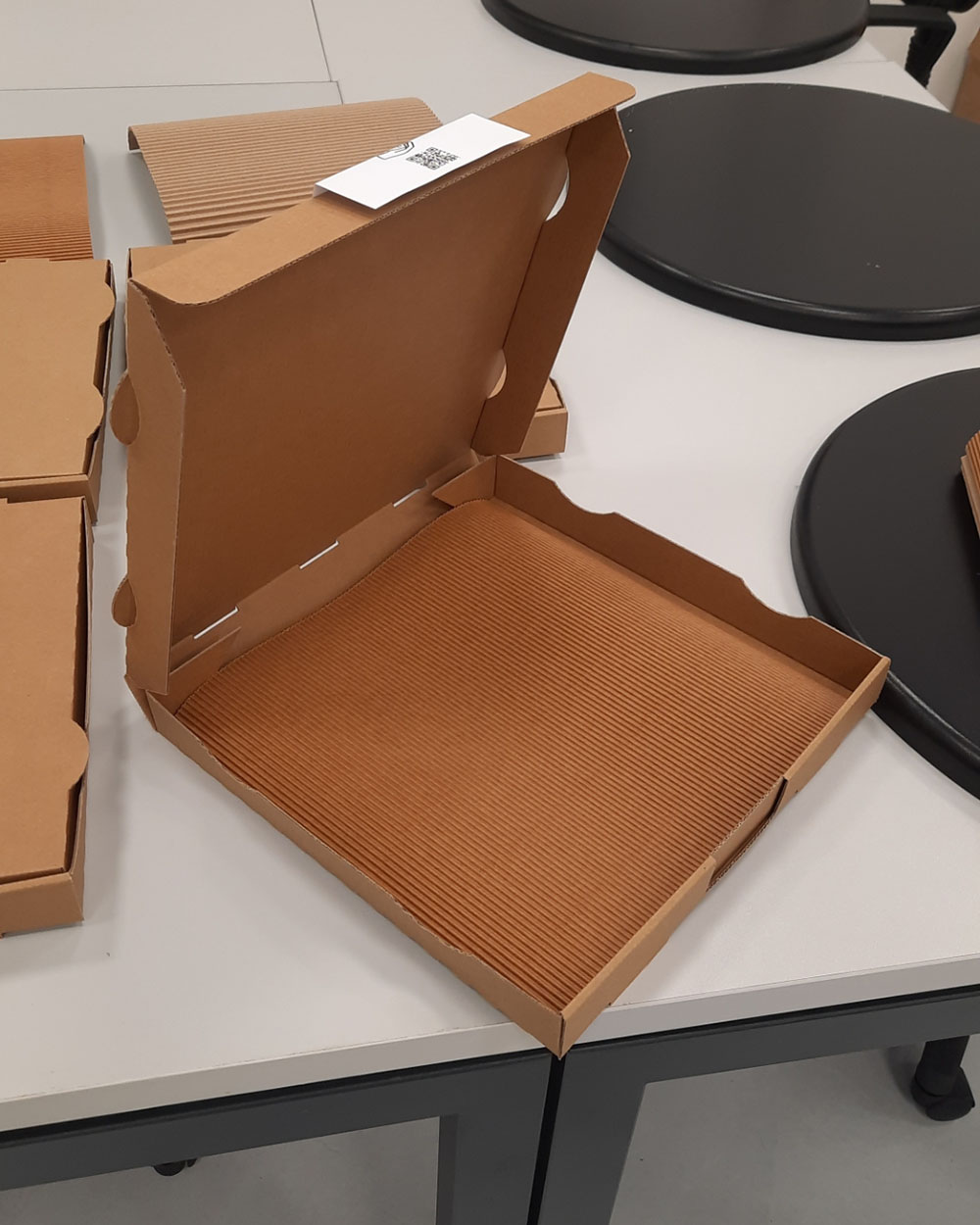
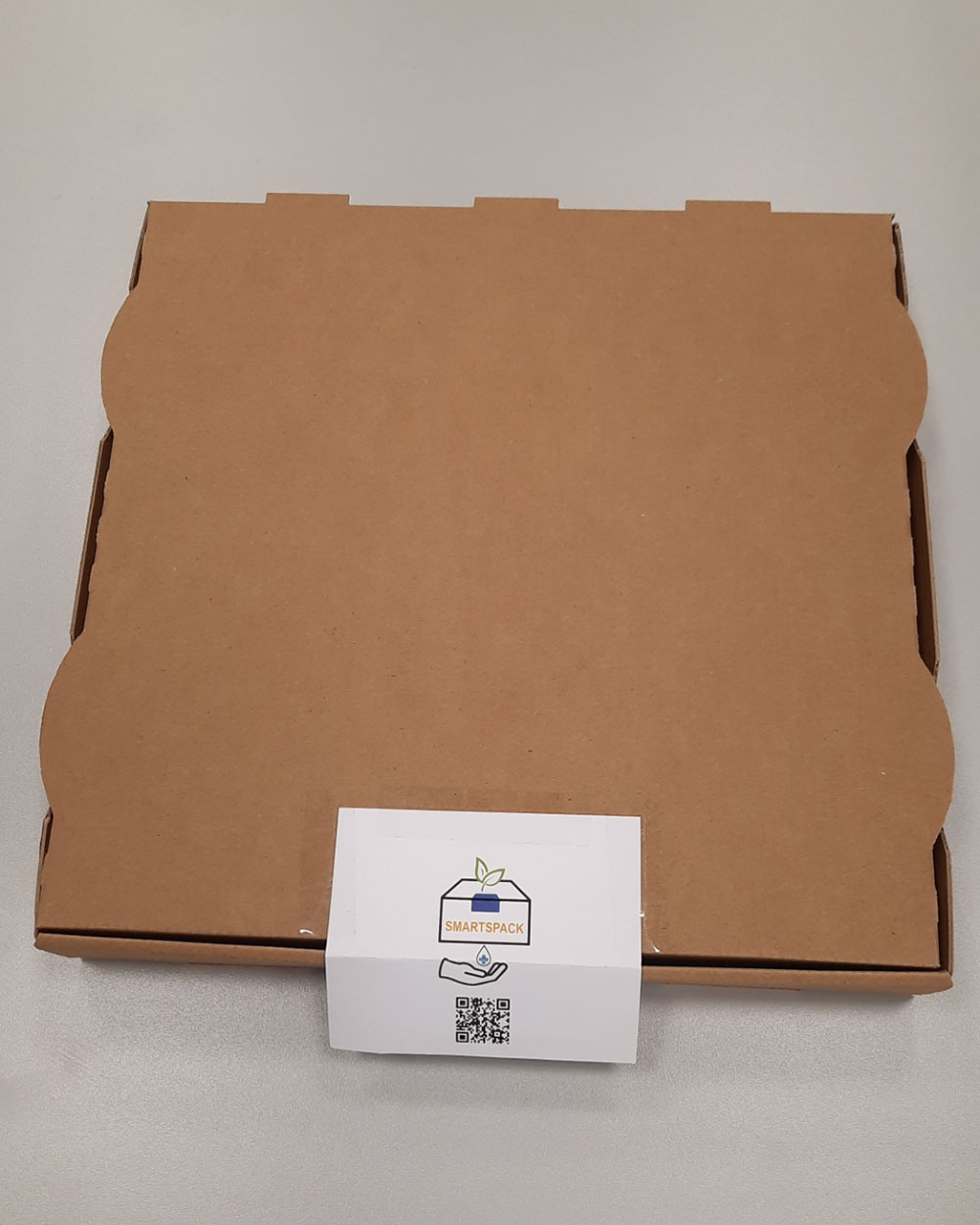
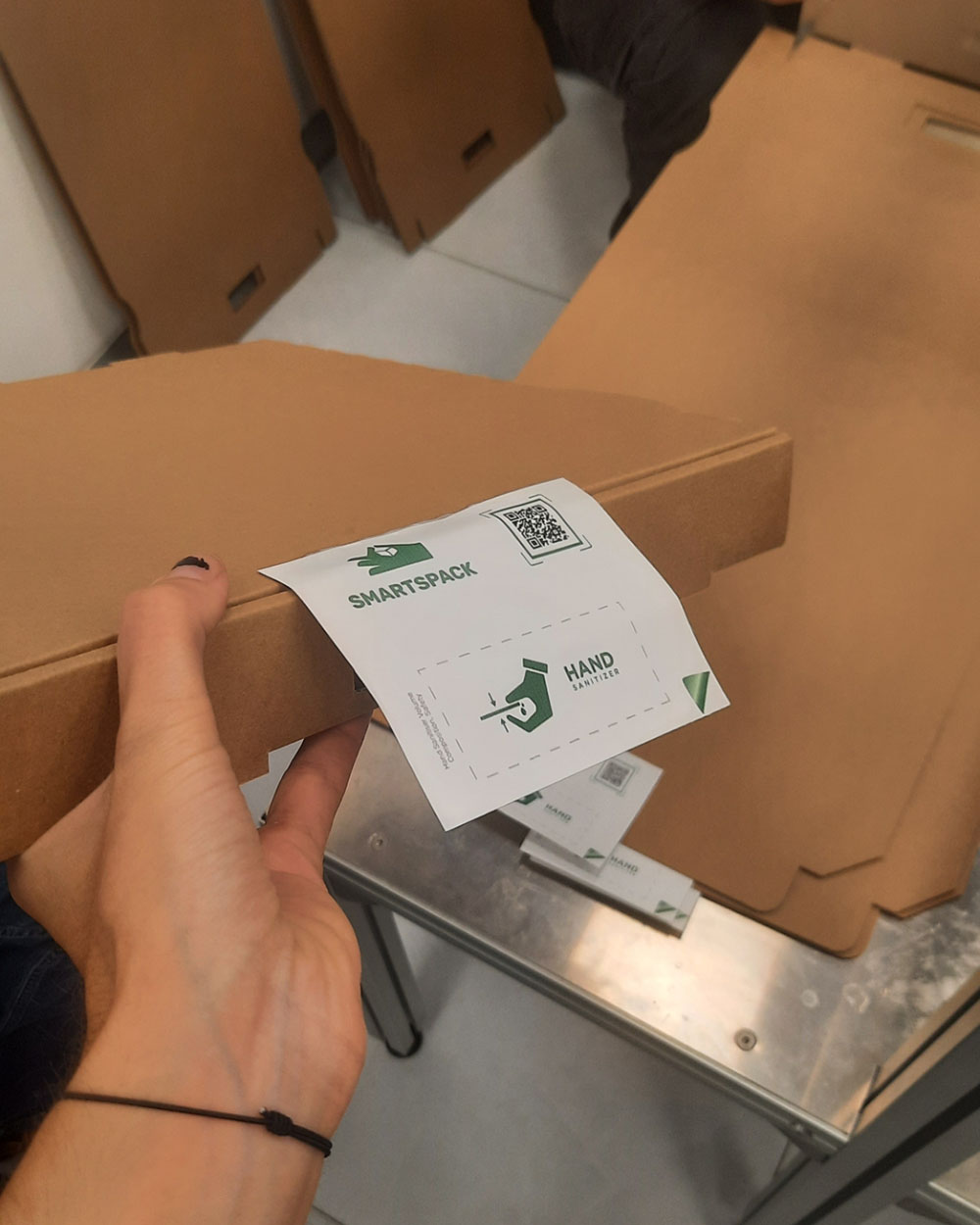
(Photos courtesy of the SMARTSPACK Team)
However, technology alone is not enough. While some herald automation and smart systems as the future of work, they also raise concerns about job security. This is especially true in traditional environments, such as manufacturing. The project showed that smart manufacturing works best when machines collaborate with, rather than replace, humans. This means introducing training, reskilling, and upskilling programmes that enable workers to operate, interpret, and improve intelligent systems.
Ultimately, smart manufacturing is not merely a technological upgrade; rather, it is an organisational and cultural shift. Success depends on strong leadership, a clear digital strategy, and a collaborative approach that values both technological innovation and human expertise.
By embracing intelligent automation responsibly, manufacturers can take a meaningful step toward the factories of the future by creating safer, more sustainable, and more competitive production systems.
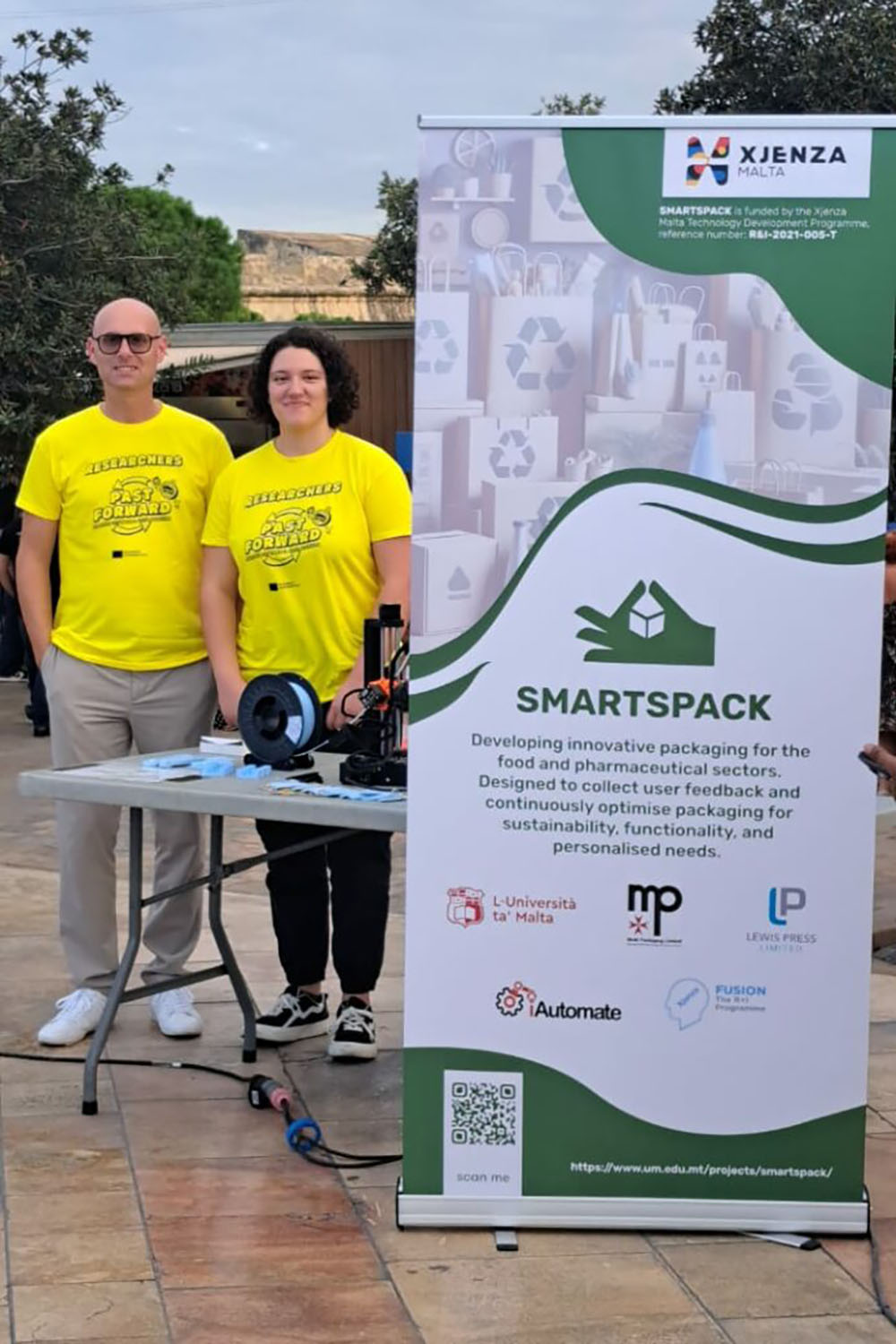
SMARTSPACK is led by Prof. Ing. Philip Farrugia from the Department of Industrial and Manufacturing Engineering at the University of Malta, together with research team members Ms Tamasine Camilleri, Ms Alessandra Bianco, Ms Svetlana Mifsud, Prof. Ing. Marvin Bugeja, Dr Maresca Attard Pizzuto, and Dr Margaret Camilleri Fenech.
The project consortium includes the University of Malta, iAutomate (Malta) Ltd, Multi Packaging Ltd, and Lewis Press Ltd. SMARTSPACK is funded by the FUSION R&I Technology Development Programme 2022, managed by Xjenza Malta (Project R&I-2021-005T).
More information: https://um.edu.mt/projects/smartspack
Alessandra Bianco (RSO) and Prof. Ing. Philip Farrugia (PI) representing SMARTSPACK at the Science in the City 2025 Festival: Past Forward (Photo courtesy of the SMARTSPACK Team)





Comments are closed for this article!