

Long hailed as a spiritual practice, yoga is finally being recognised by scientists for its numerous benefits on our physical health. Drawing on insights from Prof. Renald Blundell, this article explores how stretching, breathwork, and meditation don’t just soothe our souls but also regulate hormones, keep our bodies in shape, and manage chronic stress.

First mentioned in the Rig Veda, an ancient and sacred text, yoga originated in northern India around 5,000 years ago. Traditionally practised as a path to spiritual insight and inner harmony in both Hindu and Buddhist traditions, yoga has long been known for its benefits to the soul. But what if its benefits go far beyond the spiritual? According to Prof. Renald Blundell, an expert in physiology and biochemistry, yoga also offers profound advantages for our physical health. He explains that stretching, breathwork, and meditation can not only reshape our mindset, but also our biology!
The Rubber Band Metaphor
Inflammation is your body’s short-term response to injury, infection, or irritation. Although our instinct is to associate it with severe injuries, such as breaking a bone or having gastric flu, inflammation can result from much simpler predicaments. For example, leading a sedentary lifestyle will most likely cause inflammation in your joints, states Blundell.
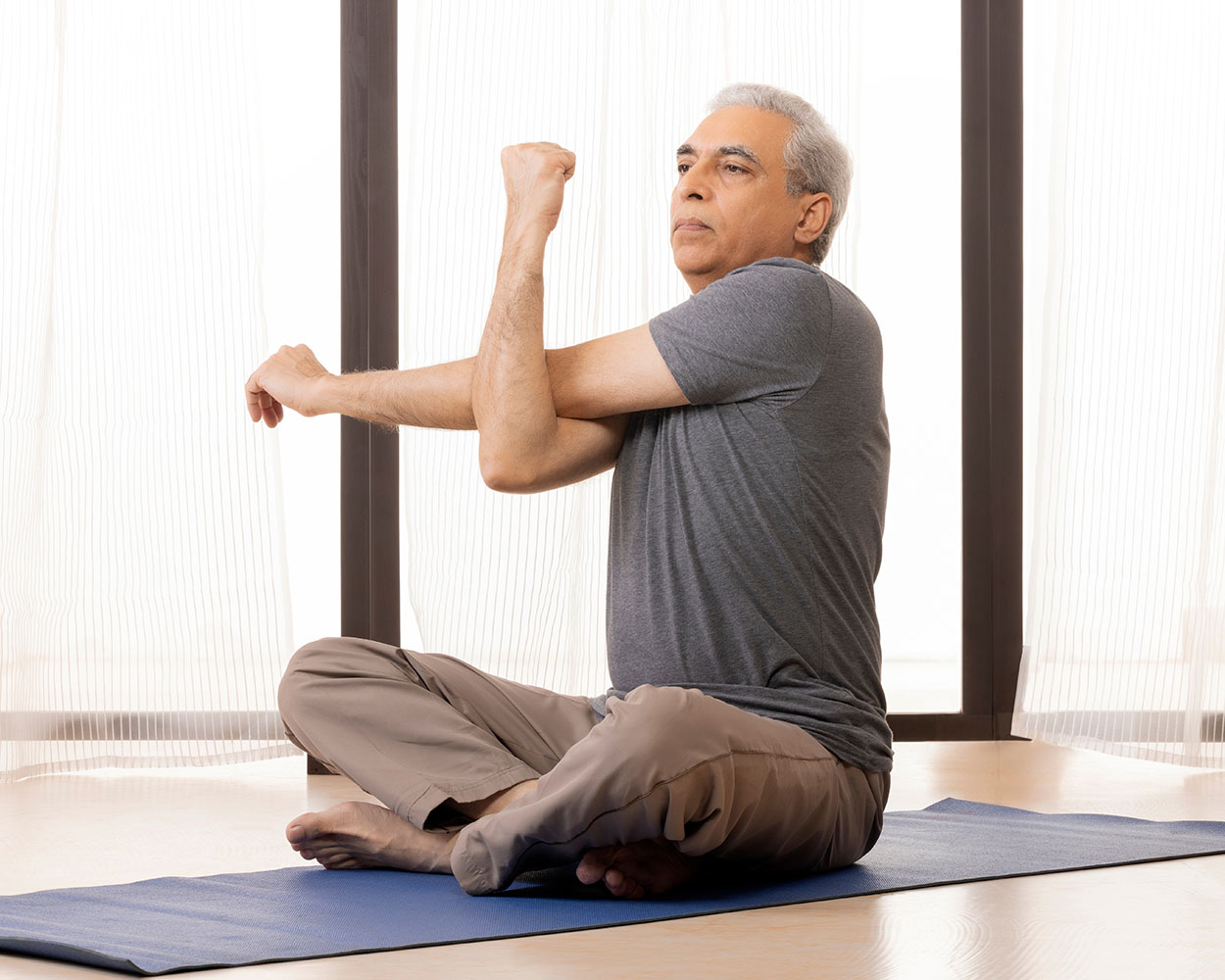
‘Imagine you have a rubber band; you put it in the sun, and you leave it there without stretching it. What would happen – it will start to crack,’ Blundell describes. This is how prolonged periods of sitting without stretching may lead to joint inflammation. If you spend a lot of time at a desk or hunched over a computer, this daily inflammatory response may develop into a chronic issue, increasing the risk of joint pain, muscle stiffness, and conditions like arthritis. For these reasons, carving out time in the day to move our bodies is essential to our overall health.
If done correctly, any form of exercise can help combat chronic inflammation; however, yoga offers some unique benefits. It requires slow, intentional stretches that improve flexibility and strength. Blundell explains that this kind of movement helps the lymphatic system circulate fluid, optimising our immunity. Referring once again to the rubber band example, he notes that compared to harsh cardio or weightlifting, yoga is more effective due to these slow movements. Stretching the rubber band slowly is safer than pulling it quickly, which can cause it to snap.
Yoga is also incredibly beneficial in improving our mental health. Its practice is grounded in mindfulness – a form of meditation that promotes being present in the current moment and heightening your awareness of the senses and feelings you’re experiencing. These benefits can even be seen in our physiology. Gamma-Aminobutyric Acid (GABA) is a central inhibitory neurotransmitter – a chemical we produce that calms the nervous system.
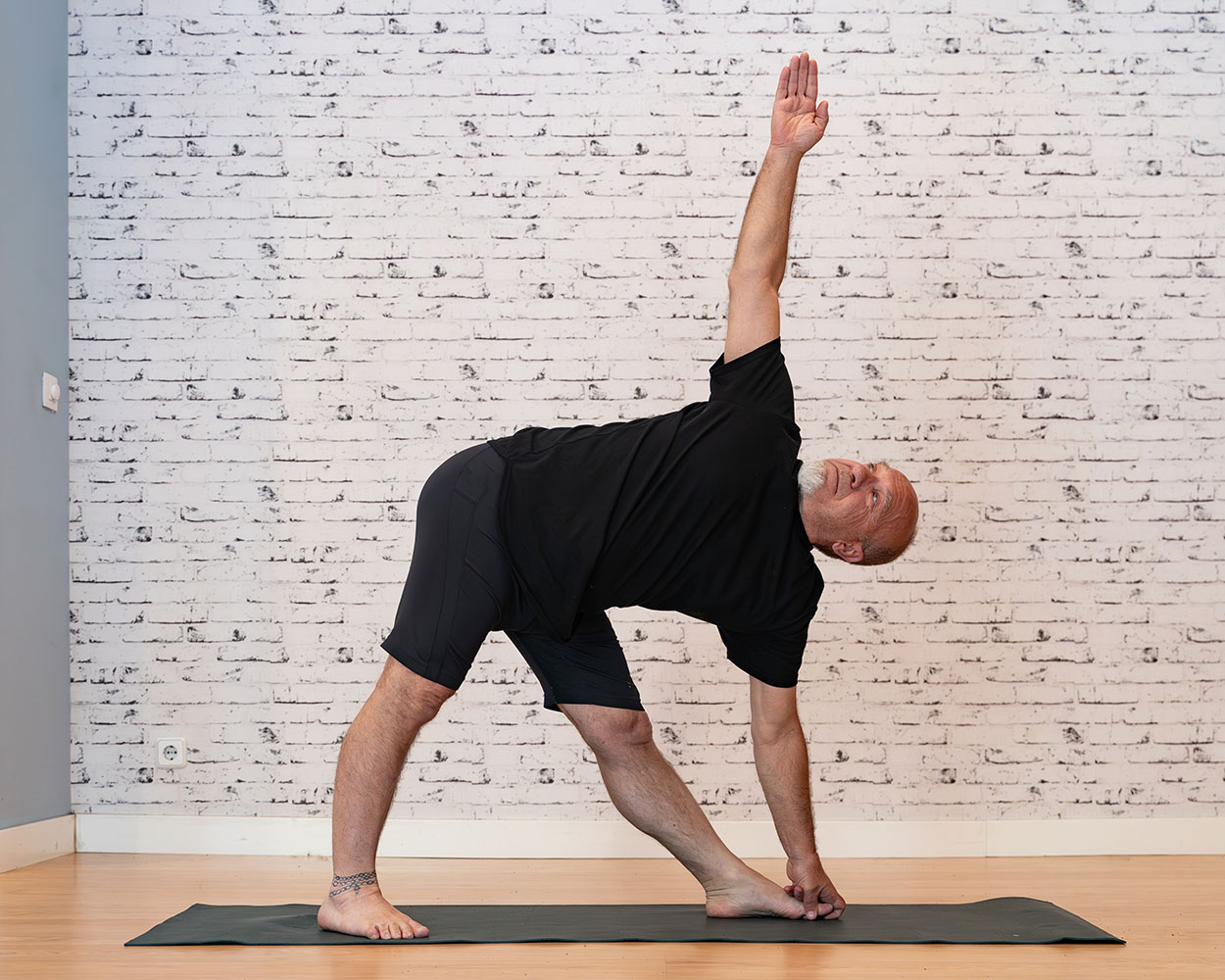
Certain medicines used to treat severe anxiety, such as Diazepam, and others used to treat epilepsy, work by increasing the effect of GABA. Interestingly, you can also naturally increase your GABA production with yoga. A study in the Journal of Alternative and Complementary Medicine found that individuals who participated in a 60-minute yoga session experienced a 27% increase in GABA levels compared to those who sat and read for the same amount of time.
Pranayama and Cortisol Levels
When faced with panic or anxiety, the human body responds with several physiological changes, all governed by the sympathetic nervous system. An increased heart rate, faster breathing, and muscle tension are all examples of your body’s stress responses. Another is the production of cortisol, a hormone released by your adrenal glands.
A randomised controlled study found that regular participation in Bhramari Pranayama improves a person’s response to acute stress, leading to a drastic drop in their cortisol levels. Pranayama is a vital practice within the discipline of yoga, centred entirely around the ability to control one’s breathing. ‘Prana’ translates to life force, whilst ‘ayama’ means control or restraint. Blundell highlights the importance of breathwork, stating that when a person controls their breathing, they are simultaneously ‘easing some of the hormones, like cortisol, which causes distress’.
Cortisol is typically considered our primary stress hormone. It helps the body repair tissue while also increasing blood sugar and enhancing the brain’s use of glucose in the face of stress. Yet, as with many of the chemicals produced by the body, excessive amounts can have adverse effects, with elevated levels playing a role in some types of cancer. At present, the relationship between cortisol and cancer remains an area of ongoing research. Some studies indicate that persistently high levels of cortisol in women may contribute to the development of breast cancer, especially in those who are genetically predisposed to the condition.

Interestingly, another study published in the Journal of Clinical Endocrinology and Metabolism concluded that patients with endogenous Cushing’s Syndrome – a constellation of symptoms caused by an unregulated release of cortisol – have a higher incidence of cancer. It is important to note that the development of Cushing’s Syndrome is caused by certain tumours or the consumption of particular medications. Therefore, yoga and physical activity cannot prevent or cure it. Nevertheless, this research reinforces the association between elevated cortisol levels and cancer risk, foregrounding the importance of practices like Pranayama in supporting hormone balance and mitigating the effects of chronic stress.
Cardiovascular Health
Cardiovascular regulation is a process that involves regulating heart rate and blood pressure, as well as controlling vessel dilation or constriction. Blundell explains that practising yoga keeps this system ‘controlled’. When a person’s heart rate is elevated, their heart works overtime to circulate blood throughout the body: ‘The heart starts to pump even more, and blood pressure usually goes up, meaning that your heart is getting tired.’
Although most people with high blood pressure are asymptomatic, chronic hypertension can get dangerous quickly, increasing the risk of conditions like stroke or heart disease. It may also result in the development of a condition known as atrial tachycardia – a condition in which abnormal electrical impulses arise from the atria rather than the sinoatrial node, leading to a rapid heartbeat. Due to consistent strain on the organ, atrial tachycardia may lead to a condition known as atrial fibrillation, where the heart’s upper chambers beat irregularly and chaotically. ‘This form of arrhythmia, the medical term for an abnormal heartbeat, is another risk factor for stroke,’ explains Blundell.
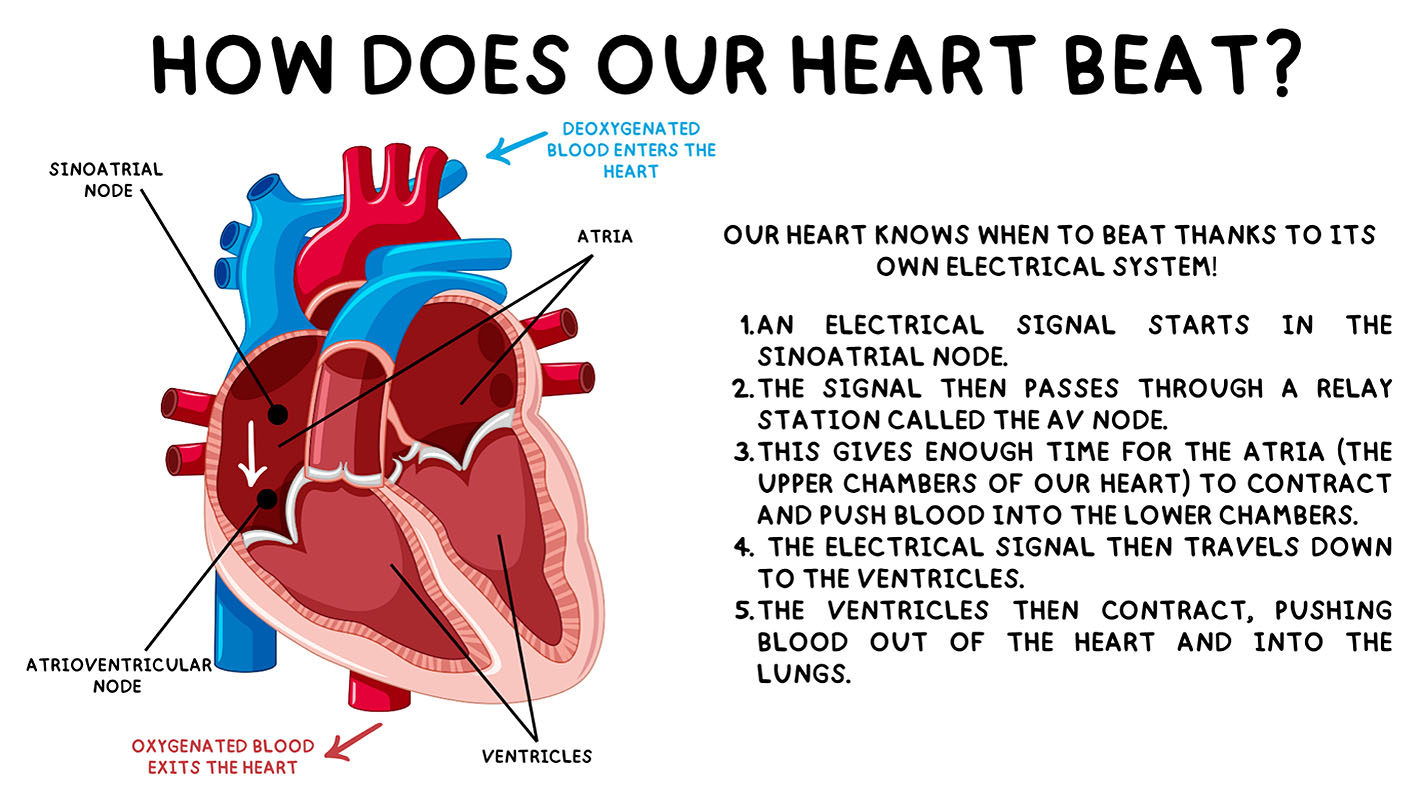
Yoga employs deep, diaphragmatic breathing, which activates a person’s parasympathetic nervous system, leading to a lower heart rate and blood pressure. Therefore, practising yoga, especially forms like Pranayama, results in lower levels of stress hormones like cortisol and adrenaline, and better cardiovascular health. However, Blundell emphasised that simply doing some physical activity is not enough to take care of our heart: ‘If you eat a lot of fats or ultra-processed foods, heart rate and blood pressure will increase as the body’s veins and arteries become blocked.’
General Wellness and a Sense of Community
Along with reducing inflammation, improving cardiovascular health, and physiologically reducing anxiety by lowering stress hormones, like adrenaline and cortisol, and increasing levels of the GABA neurotransmitter, the effects of yoga on our overall well-being extend much further than this.
Participating in yoga offers individuals a sense of community, which can help reduce loneliness and depression. In Asian countries, many people practice yoga together outdoors. Blundell mentions that in Japan’s blue zones, where yoga is regularly practised in nature, there is an increase in the ageing population, and ‘very low anxiety and suicide rates.’
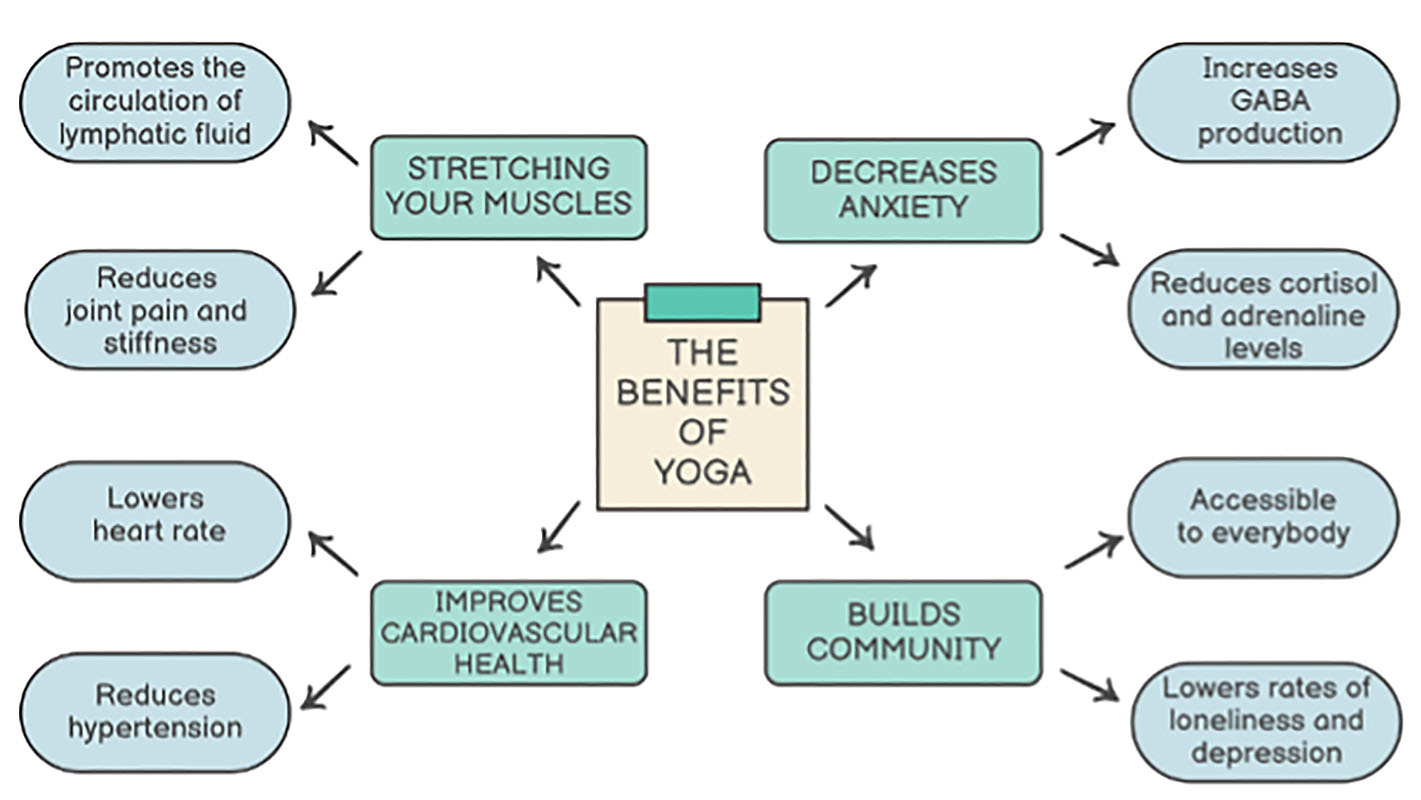
The characteristic that makes yoga so beneficial is that it can be practised anywhere by anyone. ‘Even individuals with mobility issues or wheelchair users can benefit from practising yoga through specific exercises catered for them. If you compare a 90-year-old and a 20-year-old, the flexibility would be different, but they can still practise yoga within their limits,’ Blundell remarks. Breathwork can be done at any moment when you feel the need to reduce anxiety. Blundell believes that yoga could be a viable complementary treatment option in traditional medicine, especially for anyone who experiences fear surrounding hospitals or doctors.
As science continues to uncover the physiological benefits of yoga on our bodies, the bridge between ancient wisdom and modern medicine continues to be built. Insight from experts and scientific research frames yoga as an accessible, evidence-based solution to improving both our physical and mental health.
Carla Galea is a student with UM’s Department of English. This article was prepared in partial fulfilment of Creative Writing 2 under the supervision of Dr Aaron Aquilina.



Comments are closed for this article!