

Every September, Valletta opens its doors to stories from across Europe, told not through policy documents or speeches, but through the universal language of cinema. The EUNIC European Film Festival has become a fixture in Malta’s cultural calendar, bringing films that would otherwise never appear on local screens. At its heart lies a belief that cinema can transcend borders, spark dialogue, and foster empathy.
EUNIC – the European Union National Institutes for Culture – is a global network that champions cultural exchange and collaboration. With 136 clusters in over 100 countries, it brings European cultures into conversation with the broader world. The Malta Cluster, established in 2021, undertakes this mission locally. Its work reflects European diversity and shared values, while also contributing to achieving the Sustainable Development Goals through collaborative events and projects.
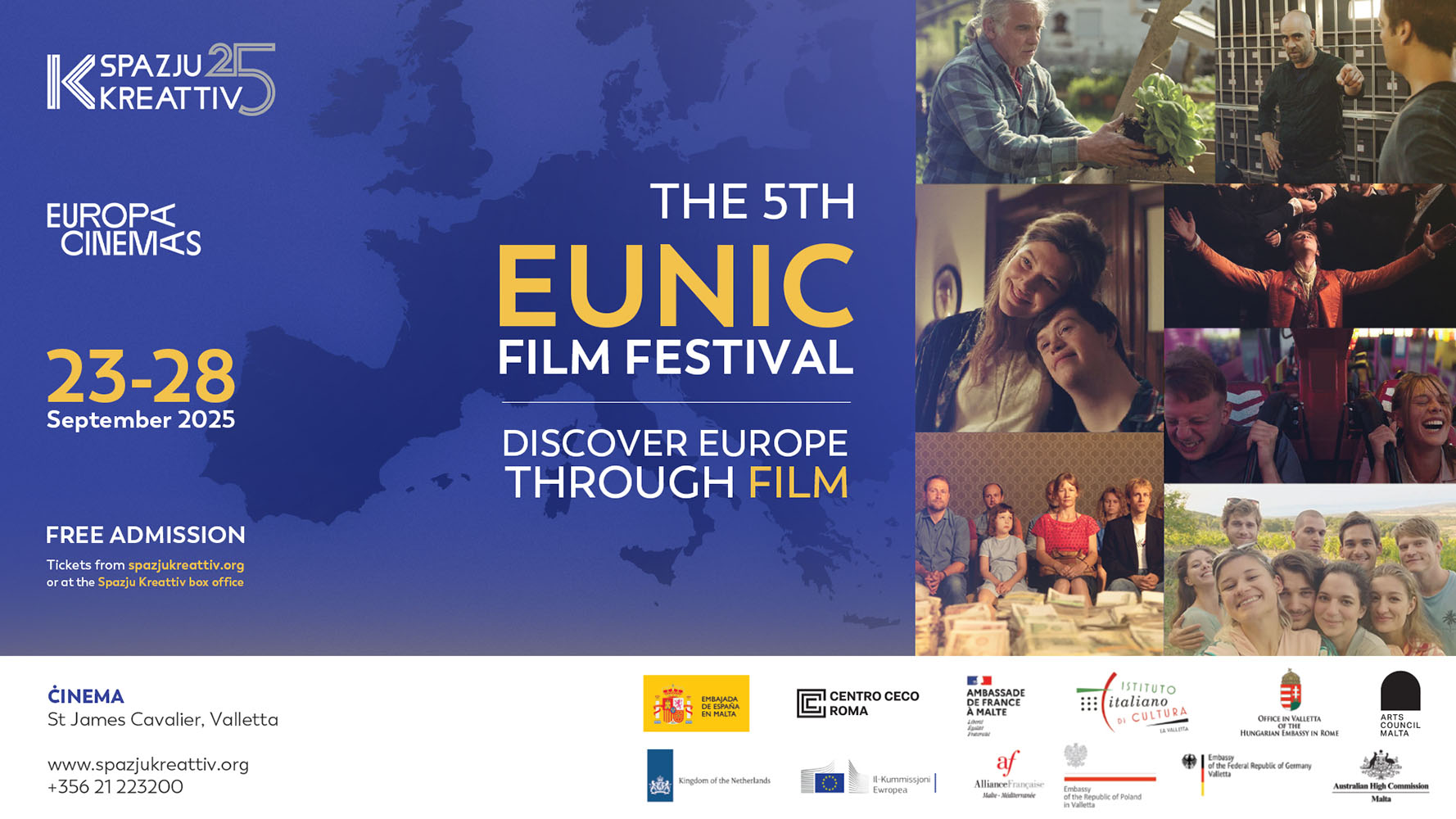
Among its flagship initiatives is the annual European Film Festival, now celebrating its fifth edition. From 23 to 28 September 2025, audiences in Valletta will be treated to eleven screenings over six days. Each film offers a different lens on contemporary Europe – its landscapes, its people, its challenges, and its triumphs – reminding viewers of the ties that bind across borders.
Festival Without Borders
This year’s programme is deliberately wide-ranging. Rather than limiting entries to a single theme, the organisers have encouraged each participant to bring forward a film that speaks to Malta in its own way. The result is a mosaic of perspectives, from intimate character studies to sweeping cultural narratives. In total, 11 members and partners are contributing to the line-up: the embassies of the Czech Republic, Germany, Hungary, the Netherlands, Poland, France, and Spain, together with the Alliance Française, Arts Council Malta, the European Commission Representation, the Istituto Italiano di Cultura, and, for the first time, the Australian High Commission.
The inclusion of Australia as a guest country marks a significant evolution for the festival, signalling that while its roots are firmly European, its outlook is increasingly global. Screenings take place at Spazju Kreattiv Cinema – a venue renowned for hosting international titles that are rarely available in Maltese theatres. Tickets remain free of charge, underlining the festival’s commitment to accessibility and cultural openness.
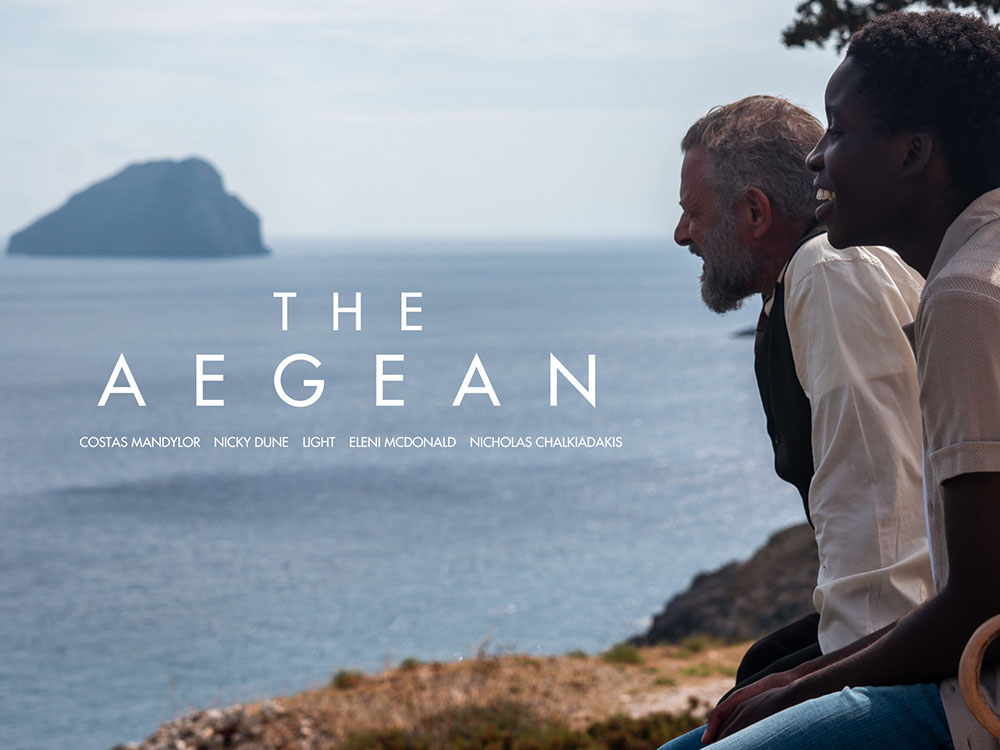
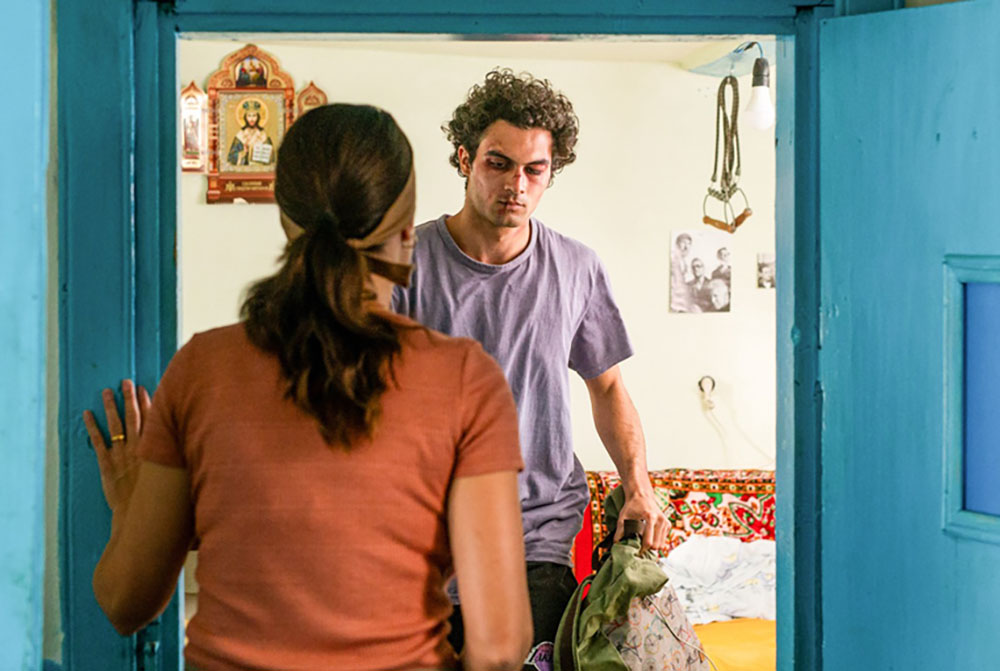
Right: ‘Three Kilometres to the End of the World’ (European Commission Representation)
Cinema in the Digital Age
Malta has proved an ideal setting for this experiment in cultural dialogue. Despite its small size, the island is outward-looking, curious, and receptive to diverse voices. Cinema here functions much like travel: it offers audiences the chance to step into unfamiliar settings, to see the world through different eyes, and, in the process, to reflect on their own place within it.
The festival also stands as a counterpoint to the dominance of short-form video culture. While social media clips can raise awareness of particular issues, full-length films demand and reward deeper engagement. They reveal the complexities of human character, the weight of decisions, and the interwoven nature of personal and collective stories. The organisers see this as cinema’s unique strength: the ability to serve both as a window into other realities and as a mirror of our own.
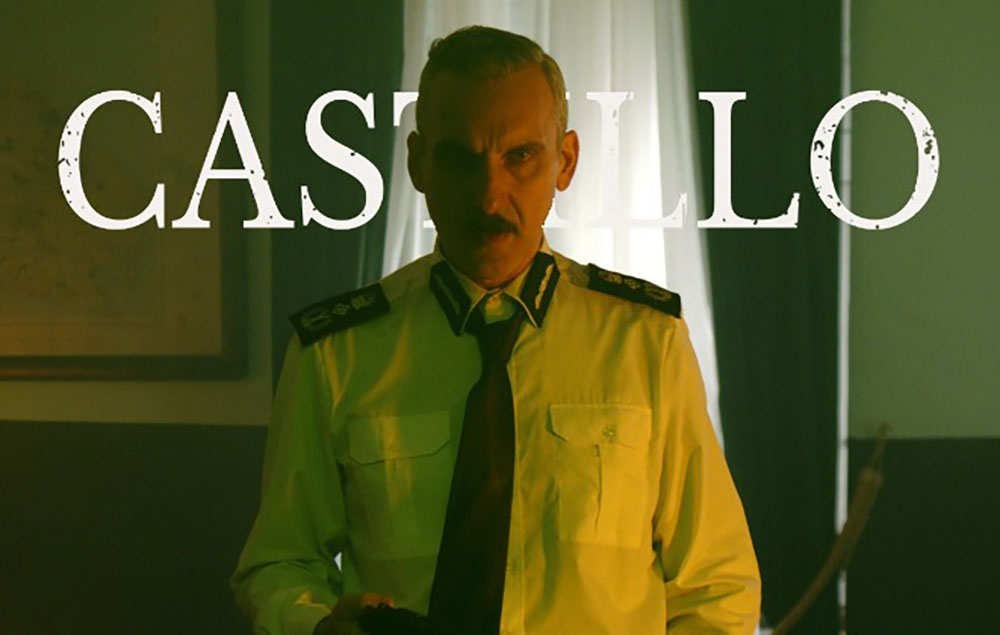
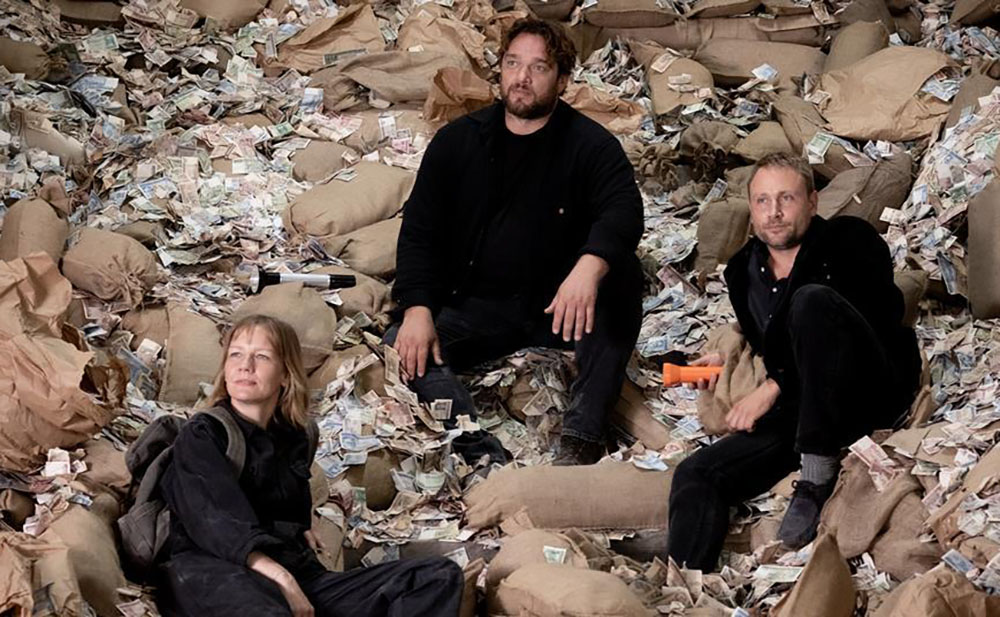
Right: ‘Two to One’ (German Embassy)
Beyond the Screen
Screenings are accompanied by introductions that provide historical and cultural context, helping audiences situate what they are about to watch. When resources allow, filmmakers and actors are invited to participate in discussions, creating a space for exchange between creators and viewers. Previous editions have also featured partnerships with Maltese institutions, tying the festival to larger cultural milestones such as EuroPride Valletta 2023. Looking ahead, the organisers hope to expand this aspect further, incorporating workshops, talks, and even cross-disciplinary collaborations with theatre and dance.
A fifth anniversary signals not only a milestone achieved, but also the sense of a beginning. The EUNIC Malta European Film Festival has already grown into an event that attracts wider audiences each year, but its ambitions extend even further. Its organisers imagine a platform that continues to connect Malta to Europe and Europe to the world, all through the prism of film.
In the end, the festival is more than just a celebration of cinema. It is a reminder that diversity is not something to be managed or endured, but something to be valued and shared. Through the stories told on screen, audiences discover new perspectives, recognise common struggles, and ultimately see that they are part of a broader, interconnected narrative.
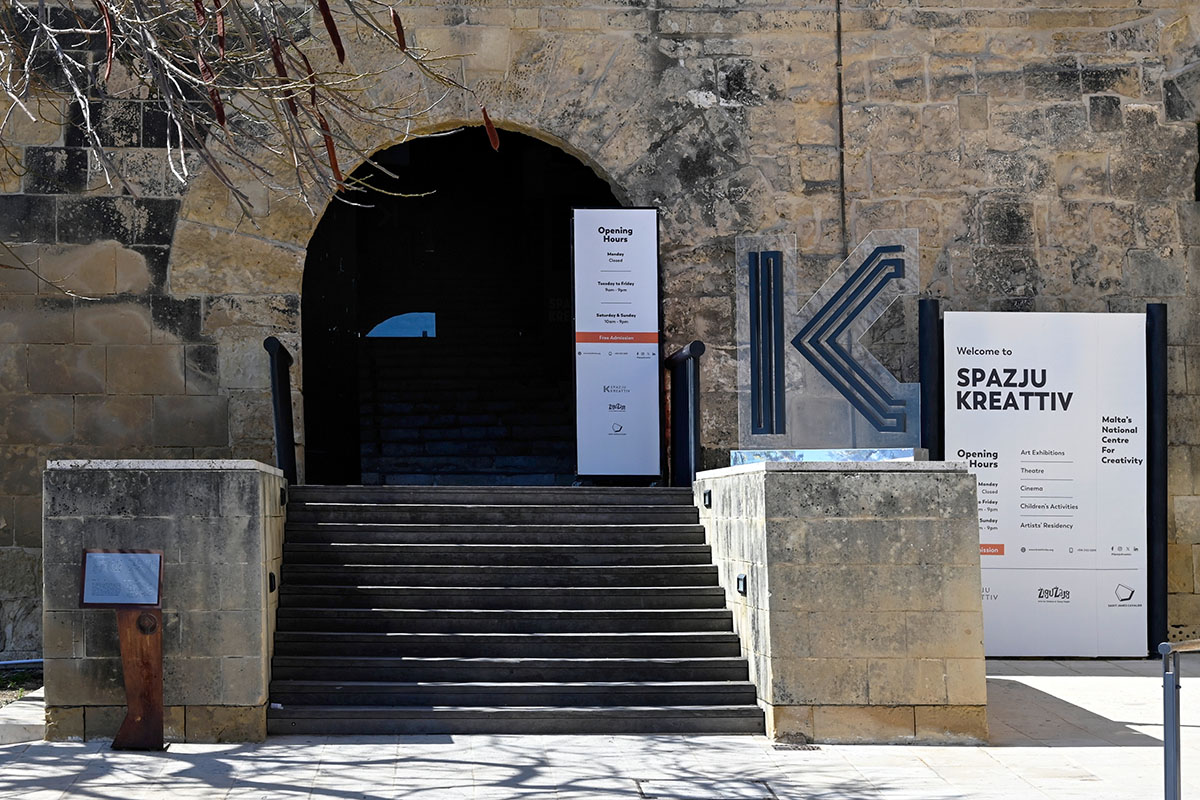
Read the full programme and attend the free screenings at Spazju Kreattiv Cinema here.



Comments are closed for this article!