
Skip to content

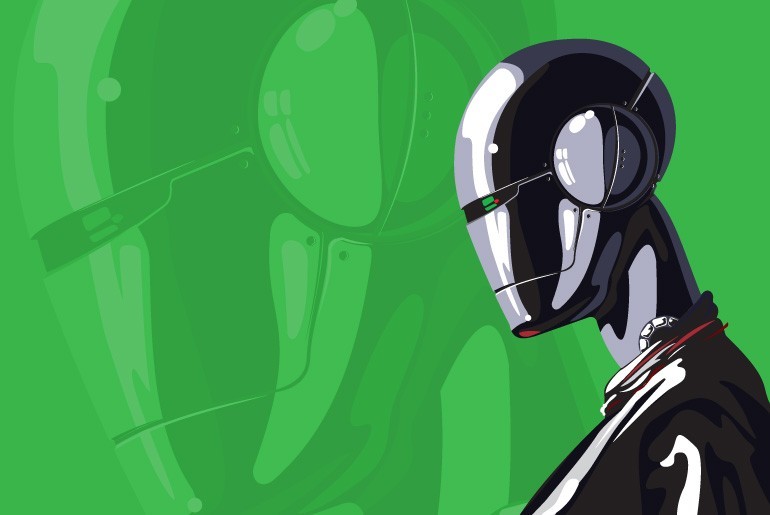
Will robots take over the world?

Facebook
Twitter
LinkedIn

Unlikely, for the next 100 years. Academics and sci-fi writers take three rough approaches. We will become one with the bots by integrating computers into our body achieving the next stage of evolution. Or, robots will become so powerful so quickly that we’ll become their slaves, helpless to stop them — think the Matrix. Or, robots have certain technological hurdles that will take ages to overcome.

Let’s analyse those hurdles. Computing power: no problem. Manufacturing expense: no problem. Artificial intelligence: could take decades, but we are already mapping and replicating the human brain through computers. Energy: very difficult to power such energy-hungry devices in a mobile way; battery or portable energy generation has a long way to go. The desire to enslave humanity: would require Asmiov’s trick or a mad computer scientist to programme it into the bot’s code. Conclusion: unlikely, sleep easy tonight.


Author

More to Explore

From Cinderella to Centre Stage: Malta’s Creative Sector and Vision 2050

A once significantly smaller arts and culture sector is stepping out of the shadows. At a recent Vision 2050 consultation, policymakers, artists, and academics explored how creativity can shape the nation’s future, balancing heritage, innovation, and economic growth. From theatre to publishing, gymnastics to urban design, the long-overlooked Cinderella sector is finally being recognised as central to Malta’s social and economic story.

Radiation in Medicine: Balancing Benefit and Risk

What if an invisible energy could both reveal disease and help cure it? From diagnostic scans to targeted cancer therapy, radiation drives some of medicine’s most powerful tools. Understanding how this force can both benefit and harm patients is key to using it safely, responsibly, and to its greatest clinical advantage.

Comments are closed for this article!