
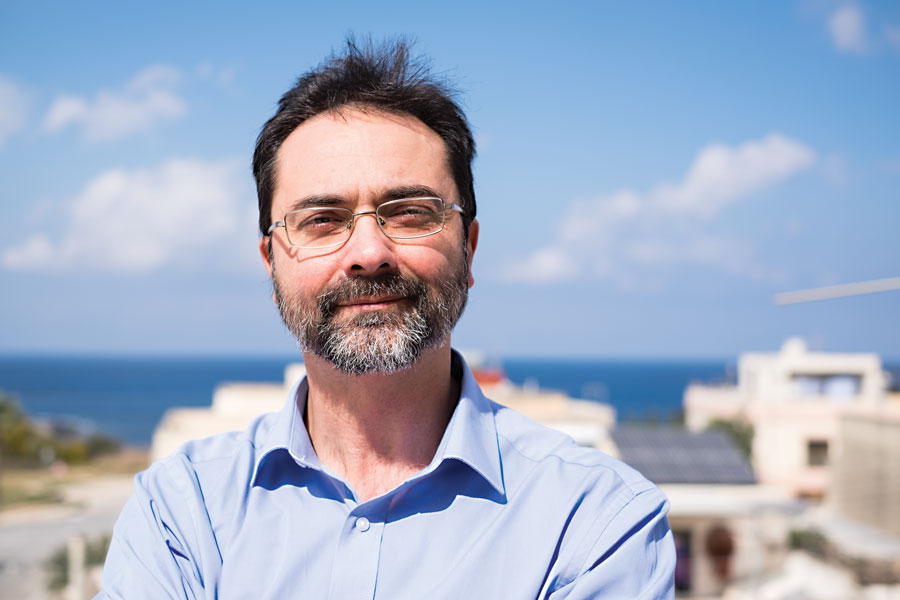
By Prof Victor Grech
All academics are constantly encouraged to share their research with the world through journals. Furthering knowledge is the aim, providing colleagues far and wide with a building block on which to potentially further their own work. But are these noble motivations what really drive researchers to publish? According to a study by Bryan Coles (1993), the short answer is no.
It has been shown that authors in the sciences publish primarily to disseminate their own work (54%). Other reasons are the furthering of career prospects (20%), improving funding opportunities (13%), ego (9%), and patent protection (4%).
Clearly, there are huge personal motivations to publish, and with good reason. Globalisation has seen job competition rocket. Today, finding a job opening is hard enough, let alone climbing the career ladder. The term ‘publish or perish’ takes on a more threatening and terrifying overtone as this is now literal and no longer a metaphor.
Careers depend on publishing.I research is conducted without being written up as a paper and accepted in a reputable journal, then it is almost as if it has simply not been done at all. It has not been given official public recognition. Not only this, but even if one has a worthwhile research project to investigate and write up, there are many intervening steps that must be negotiated before a paper can be completed; from drafting a proposal for ethics and data protection, to opting co-authors, all the way to dealing with rejections, editors, and resubmissions, the road to publication is a rocky one.
Understandably, the process can be daunting for many. Thankfully, there are people and courses specifically tailored to help researchers with this. How to Write a Scientific Paper (WASP) is one of them: this is a three-day intensive course being held in London at the Royal College of Paediatrics and Child Health, with formal lectures and interactive sessions that will help researchers not only start their journey to publishing, but also see it through.
The organisers are also tentatively planning to hold another of these courses in Malta in 2017.
For more information, visit the Maltime website and the event on Facebook.



Comments are closed for this article!