
 Research — that would be the simplest way to answer the question above. Really and truly this answer would only apply to a small niche of individuals throughout the world.
It is a big challenge to explain to people what you do with a science university degree. The questions “Int għal tabib?” (Are you aiming to become a doctor?) or “Issa x’issir, spiżjar?” (Will you become a pharmacist?) are usually the responses. The thing is, people have trouble understanding non-vocational careers — if you are not becoming a lawyer, an accountant, a doctor or a priest, the concept of your job prospects is quite difficult to grasp for the average Joe.
In truth, it is not really 100% Joe Public’s fault — research is a tough concept to come to terms with, ask a good portion of Ph.D. students about that. There seems to be a lack of clarity in people’s minds about what goes on behind the scenes. If you boil it down, everything we use in our daily lives from mobile phones to hand warmers are the spoils of research — a laborious process with the ultimate goal of increasing our knowledge and, consequently, the utility of our surroundings.
“People need to stop feeling threatened by big words and abstract concepts they cannot grasp”
So, then, why exactly is it such an alien concept? I think the reason is that research is very slow and sometimes very abstract. Gone are the days when a simple experiment meant a novel, ground-breaking discovery — research nowadays delves into highly advanced topics, building on past knowledge to add a little bit more. I have complained about this to many of my colleagues on several occasions — and it is more complicated when you are studying something like Chemistry and Physics, or worse, Maths and Statistics — people just do not get it!
Research is exciting. The challenge is how to infect others with this enthusiasm without coming off as someone without a hint of a social life (just ask my girlfriend). It is nice to see initiatives like the RIDT and Think magazine trying hard to get the message out there that research is a continuous process with often few short-term gains. It can be surprising when you realise how much is really going on at our University, despite its size and budget.
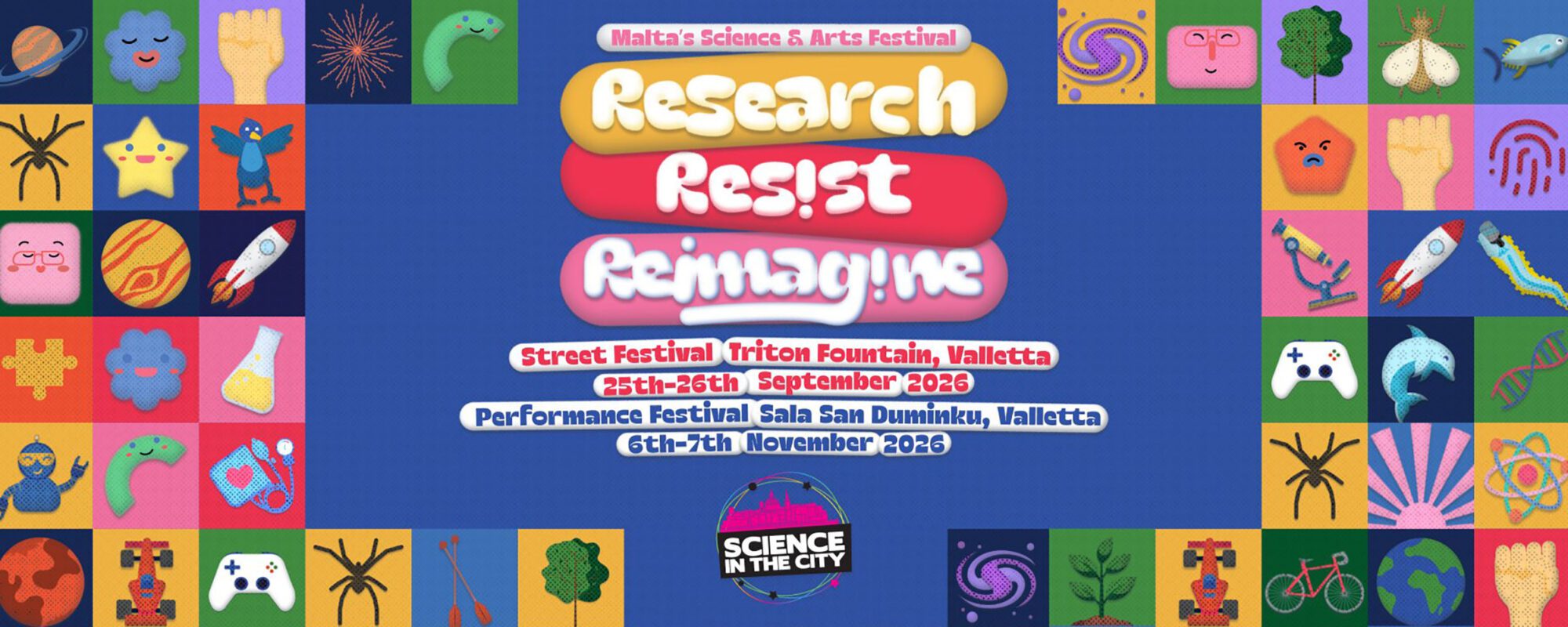
To befriend the general public researchers still need to do more. The first step is relaying the message in the simplest terms possible — people need to stop feeling threatened by big words and abstract concepts they cannot grasp. There also needs to be increased opportunities for interaction with research — Science in the City is the perfect example. Finally, I think MCST needs to start playing a larger role — it must work closer to University and take a more coordinated role at a national level. Only then can we begin to explain what us researchers do.



Comments are closed for this article!