
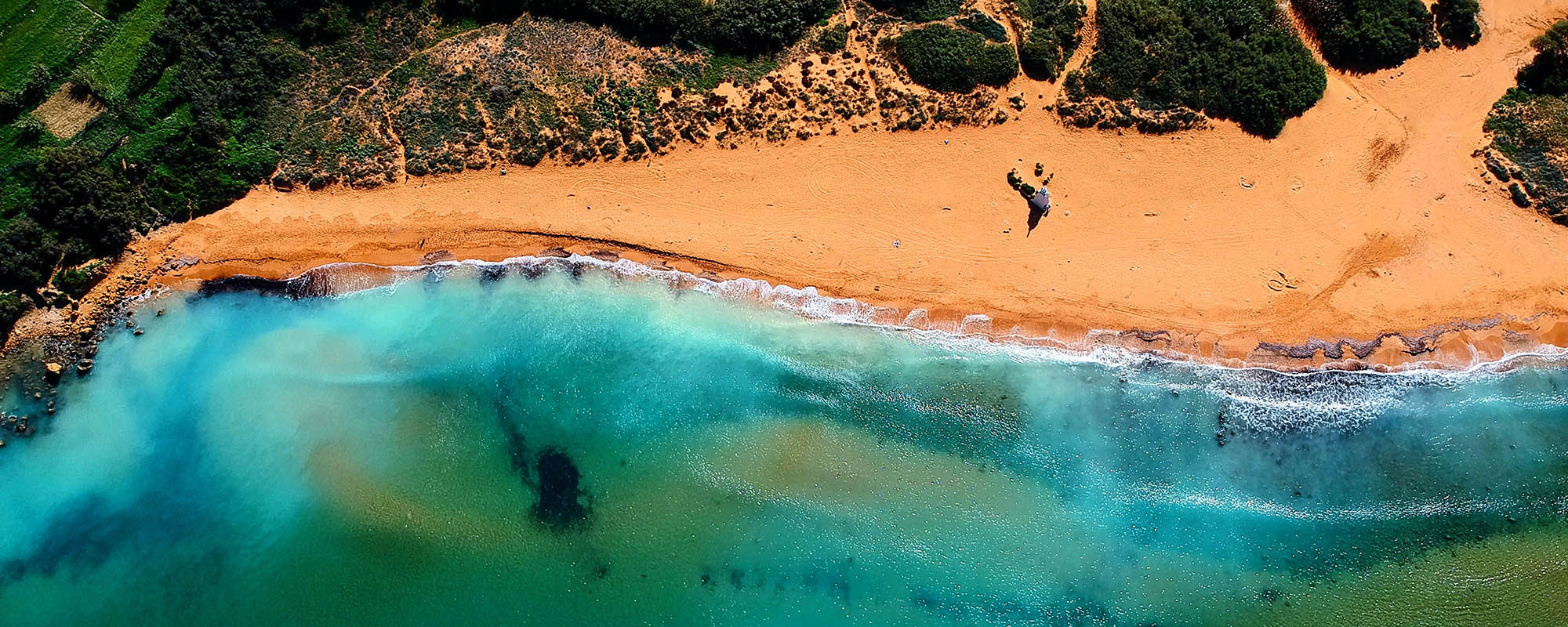
The University Maritime Platform (UMP) serves as a platform bringing experts from various backgrounds together to work on marine and maritime issues. This year, UMP is organising an international conference to foreground and discuss such concerns.
The sea is a connector and a separator, a source of nutritious food, and a perilous region where many lose their lives. It acts as a source of tranquillity, a place of leisure, and it is essential to the continuously grinding wheel of commerce. About 70% of the surface of the Earth is covered by seawater, and in Malta, you are never more than a twenty-minute drive away from it. The ever-expanding frontiers of technology facilitate longer periods out at sea and under the sea. We are also able to collect more data with increasingly sophisticated instruments that we could only have dreamed of just a few decades ago. All this means that the number of researchers looking at various aspects of the marine world, from biologists to geographers to engineers and lawyers, is increasing.

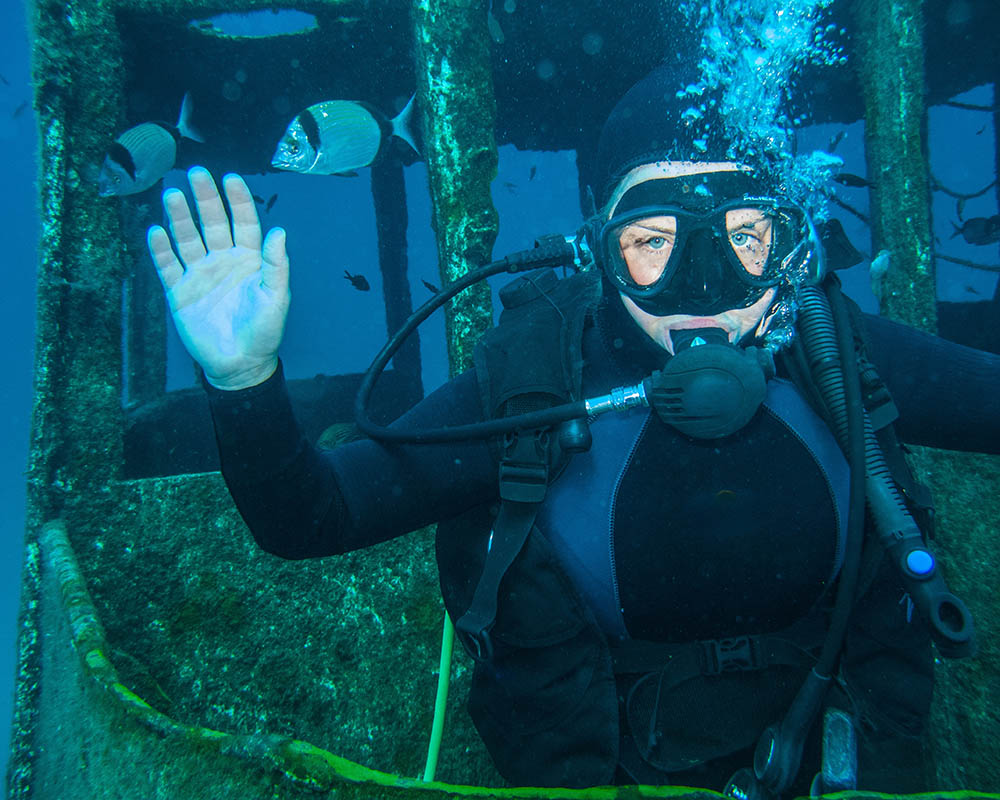
While the regional and global economies depend on shipping, and while the future of green energy could lie in marine resources, scientists are still making groundbreaking discoveries, especially in the deep sea. As scientists rush to understand the mechanisms of marine life, we are changing the fragile equilibrium that has allowed marine biodiversity to evolve and thrive for millions of years. The impacts of climate change are coming faster than expected and becoming exponentially more impactful, especially on the coast. Knowledge-based solutions towards effective, sustainable, and long-term use of our seas have become one of humanity’s main goals. The socioeconomic well-being of many nations and island states depends on this.
The University of Malta’s Role in Maritime Affairs
UM is no exception to the surge of marine-related disciplines, which include fisheries, commercial transshipments, coastal management, and seabed exploration. The University of Malta Maritime Platform (UMP) supports UM researchers to engage in an effective dialogue on the various interdisciplinary issues affecting our seas. In view of Malta’s maritime heritage, the UMP committee provides a platform for collaboration in local marine and maritime considerations by working alongside government bodies and non-government organisations to pragmatically aid progress. Essentially, the UMP believes that a diversity in approaches to address maritime challenges is needed and this requires a diversity of perspectives. In fact, the committee helps bring these perspectives together and apply knowledge toward real solutions while proactively identifying gaps in knowledge. This is reinforced by their upcoming international conference held at the UM Valletta Campus from 7–9 May 2025. The conference will feature ongoing marine and maritime work and research while serving as a platform to encourage further collaboration and dialogue among entrepreneurial, creative, and scientific minds. People with backgrounds in industry, technology, academia, environmental protection, and governance will showcase their work and find ways to collaborate towards the common goal of developing low- to no-impact maritime-related activities.
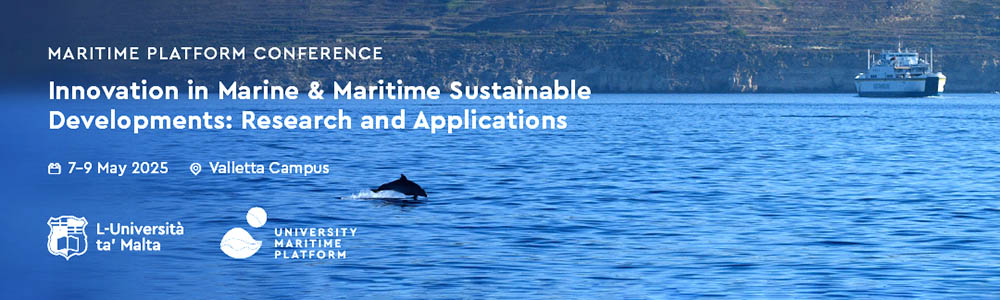
If you are working in the marine or maritime sector in any capacity, you are encouraged to attend the UMP conference for the opportunity to meet experts and practitioners in different fields. This will be a chance to widen your knowledge and learn about the latest advances made toward the required sustainability goals at a regional level. As the full effects of the climate crises continue to unfold, maritime and coastal businesses and activities must become greener, not just more competitive. The problems of mitigation and adaptation have many facets, and the UMP conference will touch on science, technology, environment, socio-economic and governance targets for a more sustainable future.
Register your interest to attend the UMP conference until 30 April here. Early bird registration is open until 7 March.
UMP Committee Members: Prof. Adriana Vella (Chair), Dr Ritienne Gauci (Vice-Chair), Dr Thérèse Bajada, Prof. Michael Briguglio, Prof. Ing. Simon Fabri, Prof. Matthew Montebello, Prof. Luciano Mule’ Stagno, Prof. Patricia Vella de Fremeaux, Ing. Elisa Vella, Angie Mifsud, Miriam Camilleri, and Prof. Norman A. Martinez Gutierrez.
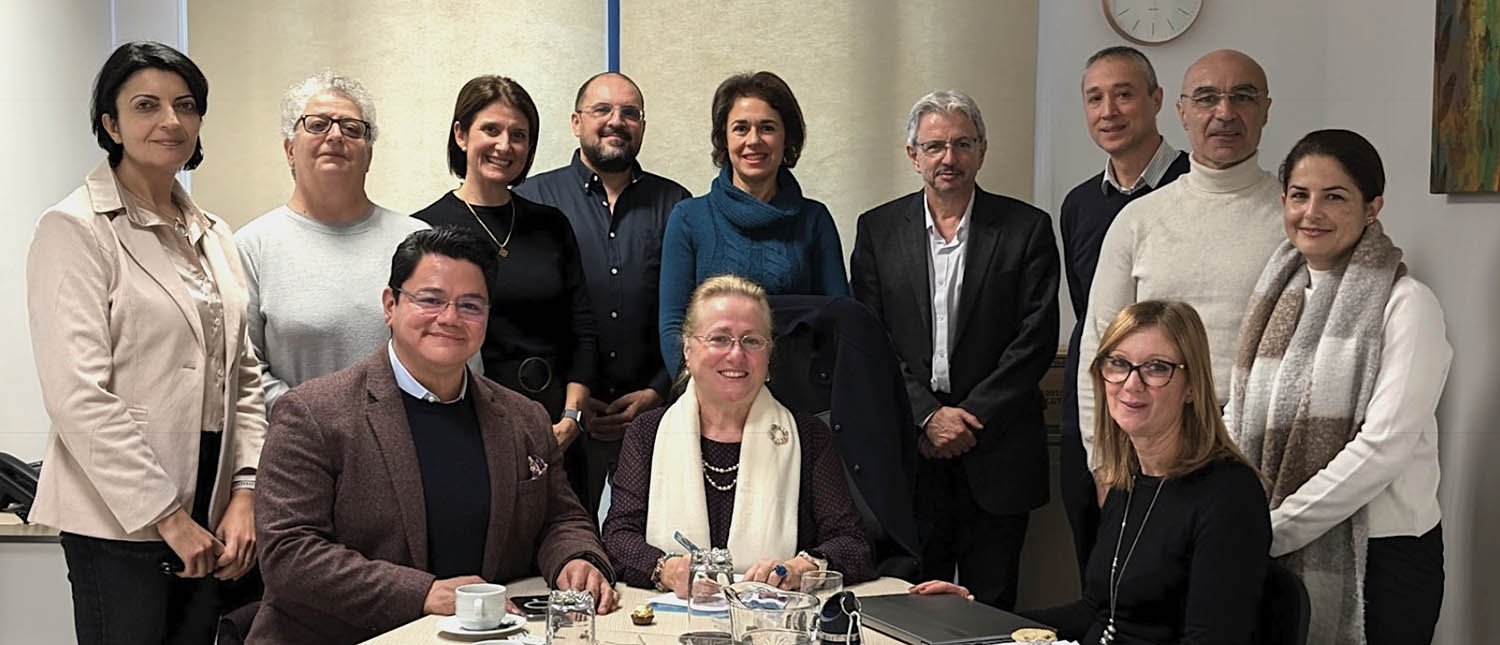
(Photo courtesy of the UMP Committee)


Comments are closed for this article!