
Skip to content

Think Critically, Think Malta

Facebook
Twitter
LinkedIn
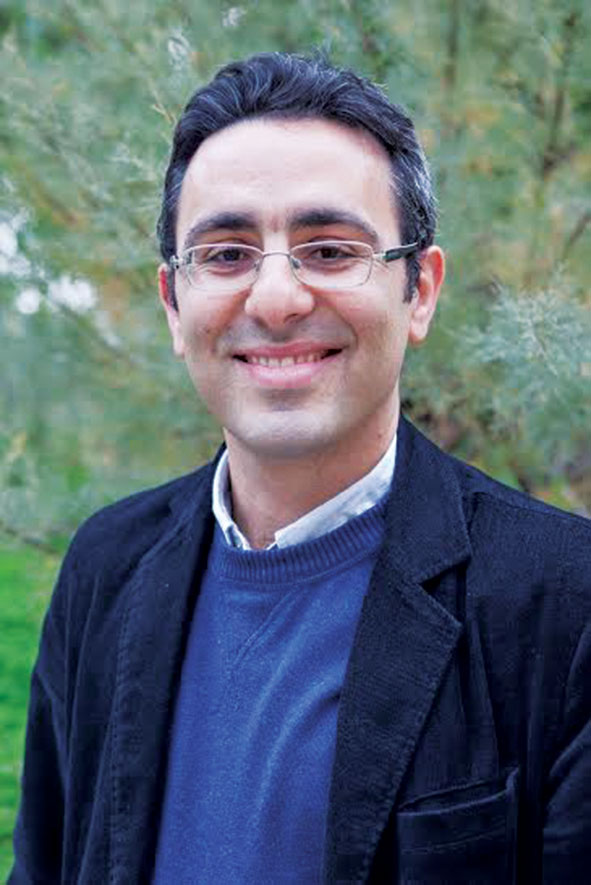
Dr Mario Aquilina
Dr Mario Aquilina

Let us strengthen Malta’s democratic system by thinking critically. We need to learn how to avoid blindly accepting or rejecting ideas and opinion based on our political affiliations or unquestioned, long-held beliefs. Let us actively go against the dualistic thinking that dominates local public debate. Let us, for example, phase out media outlets financed by political parties; amend the constitution to facilitate the entry of a third political party to parliament; and put critical thinking at the centre of our educational system by strengthening subjects that enhance it (literary and rhetorical analysis, logic, philosophy and the scientific method).

Author

More to Explore

Malta and Uzbekistan: A Tale of Two Countries

A joint effort between UM’s Department of Translation, Terminology and Interpreting Studies and Prof. Gulnoza Odilova, who heads the Department of Theory and Practice of Translation at Kimyo International University of Tashkent, has led to the production of Rakkonti mill-Bogħod, Stejjer Qosra mill-Użbekistan, published by Kite Group in March 2025. Funded by the 2024 Malta Book Fund, Prof. Sergio Portelli and Dr Claudine Borg edited the translation of ten classic stories of Uzbek heritage and folklore into Maltese.

Xjenza Malta and TÜBİTAK Support Five New Transnational R&I Projects

A kick-off meeting, organised by Xjenza Malta on 28 July 2026, marked the launch of five new research and innovation (R&I) projects that foster greater collaboration between Malta-based researchers and partners in Türkiye. The projects, awarded funding under the fifth Xjenza Malta–TÜBİTAK Joint Call for Research and Innovation R&I Proposals (2025), cover a range of research areas, including aviation, health, water management, and farming systems.

Should Universities Cross-Pollinate Subjects in an Uncertain World?

Technology is seeping into research and academic writing, and the shift towards labour-market facilitation rather than academic curation is changing the knowledge and learning landscape. Such shifts, however, are set against cultural biases in subjects and traditional, outdated academic structures, even as universities try to evolve.

Comments are closed for this article!