
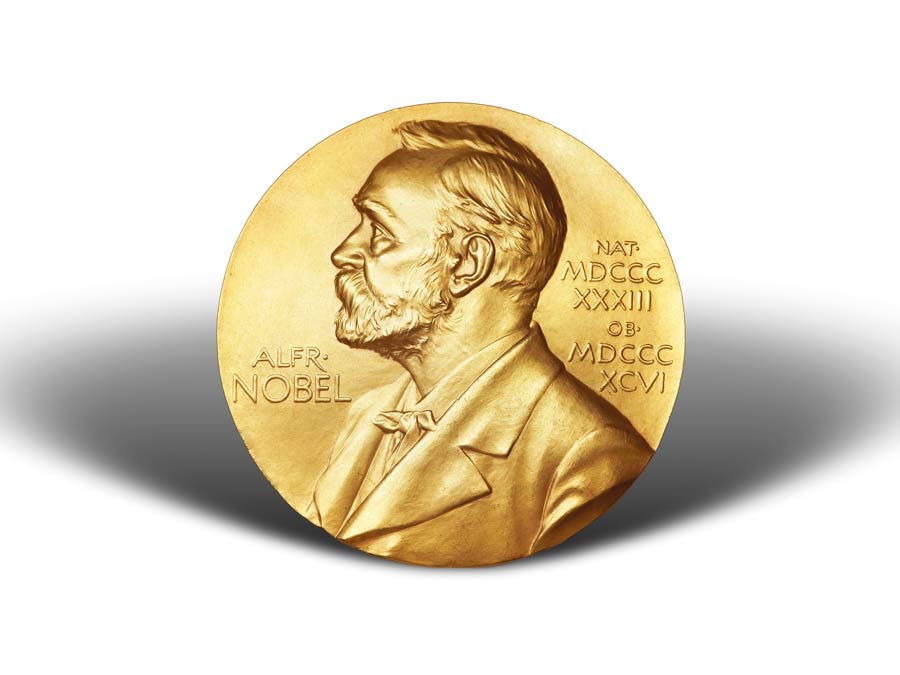

Iceland (population: 320,000) is proud of writer Halldor Laxness; the even smaller Faroe Islands (pop: 50,000) celebrates its physician and scientist Niels Ryberg Finsen. The combined population of these countries is smaller than Malta’s, yet they have each managed to secure Nobel Laureates: Laxness in Literature in 1955; Finsen in Medicine in 1903. Small size may be a handicap, but—as the Iceland and Faroe examples attest—it is not an insurmountable obstacle. Small size should not prove to be a cheap excuse. So the question is: can Malta produce a Nobel Laureate?
Thinking big can be a powerful motivator. Grand ideas can push publics, enterprises, and governments to achieve the unthinkable. Believe in the impossible, advised the historian Max Weber, and then the possible might just become true. Landing a man on the moon before the end of the decade inspired the US Space Programme in the 1960s. The Live Aid Concerts in 1985 delivered £150 million in famine relief. And the One Laptop Per Child (OLPC) Initiative has equipped 2.5 million children, and counting, across the world.
Malta needs ‘think big’ projects to galvanise the nation. Securing a Nobel Laureate could be one. Developing an underground subway system (and linking Malta to Gozo in the process) could be another. Such projects need not be mutually exclusive. Their trademark would be their ability to engage public opinion, foster national pride, and raise the game to the next level. Naturally, people will continue to talk about politics, the weather, the traffic, the guy or gal next door… but also about these grand accomplishments. Of course, these projects will be controversial; they will have as many sympathisers as dissenters and critics. So? What’s new? That is how it should be.
Securing our political independence was one such dream for the 1960s. Bringing an end to our fortress economy was another aspiration for the 1970s. Joining the European Union was a third. Valletta Capital of Culture for 2018 may be a fourth and is an active project. What’s cooking in the Kitchen of Big and Bold Ideas for Malta for the next few years?
We need to think ahead. Apathy is dangerous, and we need big ideas to keep it at bay.
By the way, St Lucia (population: 150,000) has not one, but two Nobel Laureates: Arthur Lewis for Economics in 1979 and Derek Walcott (born in 1930, still alive at the time of writing) for Literature in 1992.




Comments are closed for this article!