
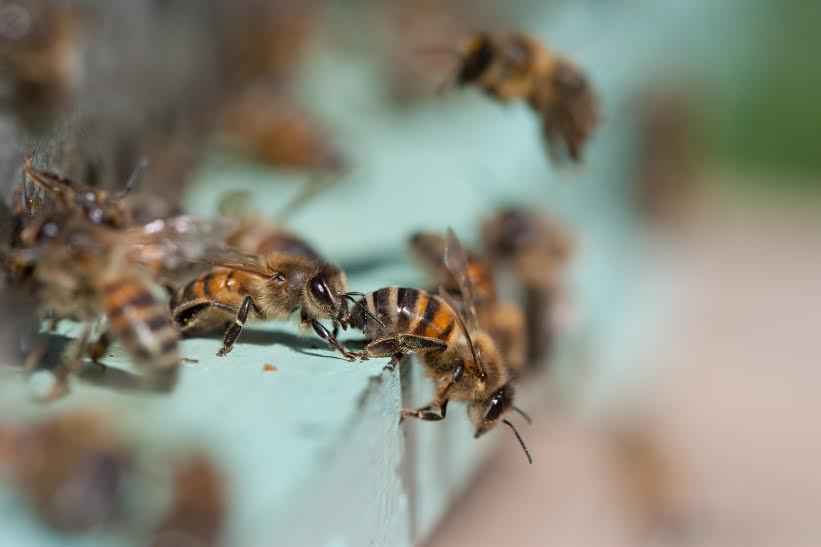
 What do bats, bees, wasps and flies all have in common? They are providing humans with pasta sauce for free. These organisms all pollinate our fruit on a daily basis needed to fill the grocer with all the things we love.
For plants to reproduce, the most important step of the process is pollination. During pollination, pollen grains (the male cells needed for sexual reproduction) fertilise the female egg cell. This leads to seeds around which form the fruit and vegetables humans love to eat. The male and female cells are found on different parts of the flower, this is where pollinators like bees and bats come into play. They transfer pollen from one plant to another fertilising them.
Bees and other pollinators are needed for food security and economic resilience. These creatures help pollinate 87% of plant species that we use for food, material, feeding livestock, and medicine. They are essential for human diets since 70% of the world’s crops need pollinators. In Malta, crops such as tomatoes and green pepper would not grow. Bees and pollinators affect the economy, with a worldwide estimate of €153 billion. Pollinators encourage biodiversity; they pollinate crops and wild plants helping to keep the environment healthy.
The decline of bees has serious consequences for the world. So important that it was a main issue discussed by the Commonwealth countries during CHOGM (Malta, 2015) at an event organised by Friends of the Earth. Paul de Zylva (Friends of the Earth, UK) outlined the main causes as habitat loss due to urbanisation, pesticides, and climate change.
 So how do we save the bees ?
Politicians, researchers, and citizens must work together to reverse bee decline. Some actions are already being undertaken. Clive Harridge (secretary general of the Commonwealth association of planners) indicated that the UN member states must include 17 sustainable development goals (SDGs) in their political policies, three of these address ecosystem threats. One of these (SDG 2) emphasises the need to end hunger by achieving food security and improved nutrition through sustainable agriculture. Another, (SDG 11) states the need to make cities and human settlements inclusive, safe, resilient, and sustainable. While a third (SDG 15) indicates needing to protect, restore, and promote sustainable use of terrestrial ecosystems, sustainably manage forests, combat desertification and halt and reverse land degradation and biodiversity loss. Bees play a part in all of these goals.
Across the Commonwealth, national case studies are trying to understand the situation with pollinators to figure out how to save them. Ideas include areas where agriculture and wildlife are merged, creating habitats such as green roofs (green roofs are being built both at MCAST and the University of Malta), while some companies are even building bee hotels. Bee hotels are places where solitary bees can make nests and lay eggs without producing honey. These bees tend to be much less aggressive and thrive as long as there is enough wildlife for them to obtain food.
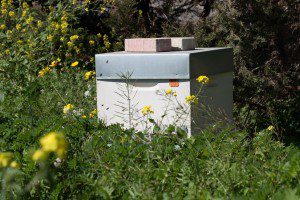 Citizen engagement is needed to encourage participation to collect data and evidence. By working with researchers and policymakers real change can be achieved to save bees. Considering Malta’s situation, lecturer Dr Mario Balzan (MCAST) said at the CHOGM event that studies he was involved in showed that wild flowers growing near tomatoes helped increase their yield. Insects living on these flowers helped pollinate the tomatoes and may have acted as natural pest controls. By planting flowers in gardens and balconies bee habitat would be expanded.
There are many reasons for bee decline from uncontrolled pesticide use to widespread infections. Only by researching the problem then creatively addressing these issues can bee decline be reversed. This will require all sectors of society from citizens to researchers and policy makers to work together to save the birds and the bats.
This article featured in the Sunday Times of Malta.



Comments are closed for this article!