
This year, THINK explores the concepts of space, specifically cyberspace, personal space, and natural space. However, recent events have led us to examine another type of space: public space.
In the Western World, the concept of a public space started with the Greek Agora. The Agora served as a social gathering spot, open to any member of the public. For a brief moment, slaves, commoners, soldiers, statesmen, and philosophers rubbed shoulders in this space, equally, as members of the public. If Ancient Greece is the birthplace of democracy, the Agora is the hospital bed on which democracy was born. The public would gather at the Agora to discuss and debate politics and the issues of the day. It was an integral part of the democratic process.
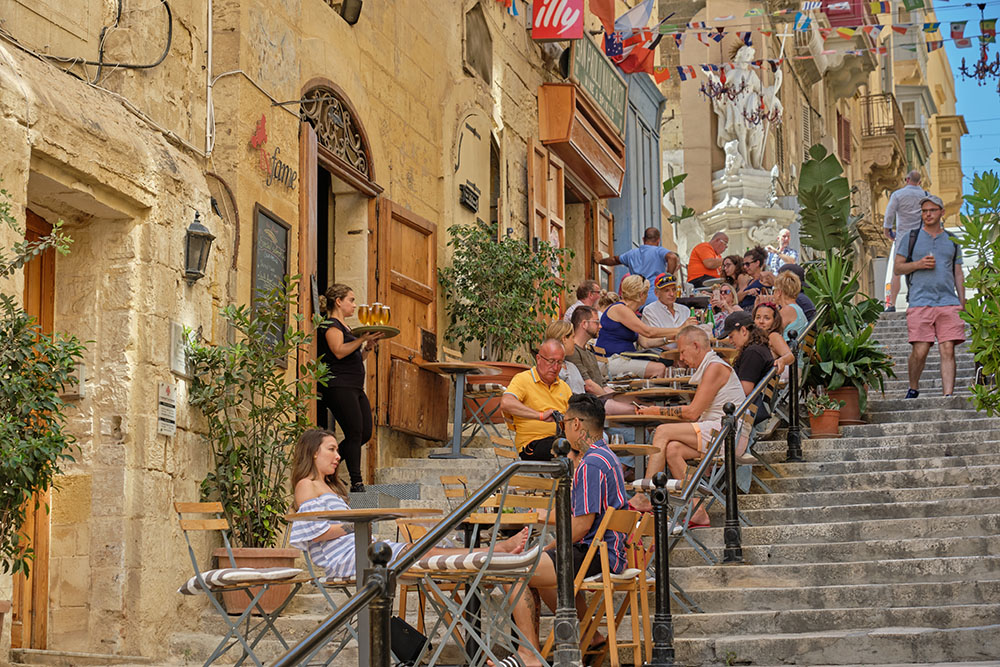
Against this backdrop, the erosion of public spaces takes a worrying turn; private establishments appropriating public squares, lidos and kiosks sprawling their tables and chairs across pavements, not to mention private operators plundering Comino’s coast. The economic and private interests of the few are eating away at the fabric of democracy, our public spaces.
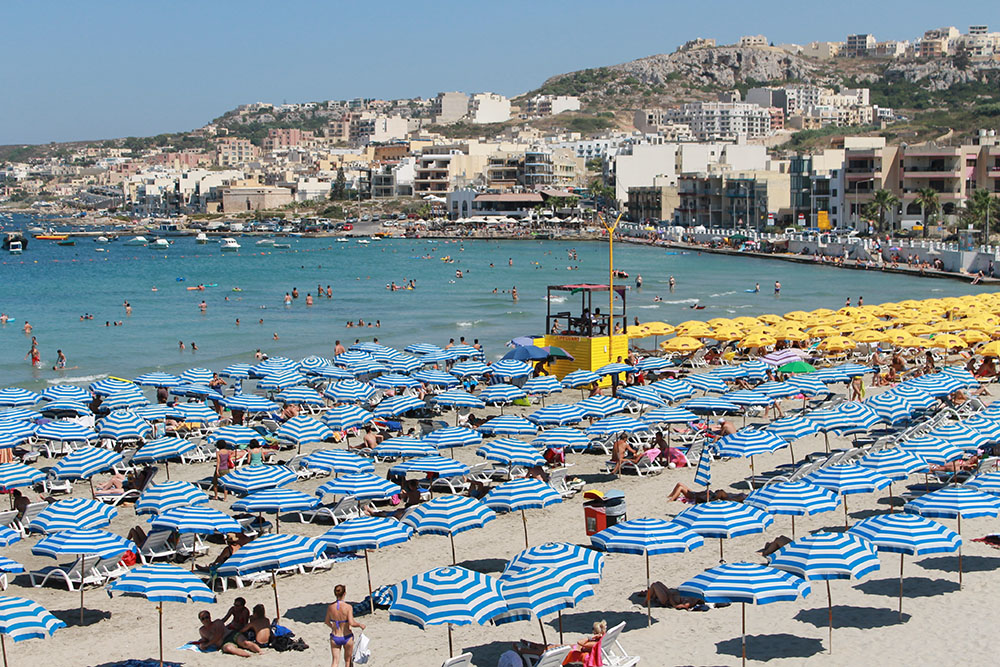
Public spaces shape our neighbourhoods and bolster communities. By giving people a space to meet, these public areas foster a sense of identity. Instead, when private entities usurp these spaces, they demarcate them, as if saying: ‘To use these public spaces, you need to pay, consume, and spend.’ The private is only concerned with their own interests, whereas the public is concerned with the entire nation. You are unable to enjoy a day at the beach as the entire shore is littered with deckchairs. Of course, it might be argued that no one is forcing you to rent a deckchair. Yet, somehow I doubt that you’re allowed to move the deckchairs out of your way. The theft of public space by private entities not only robs the public of its right to public space, it impacts the historical, artistic, and educational value of these spaces.
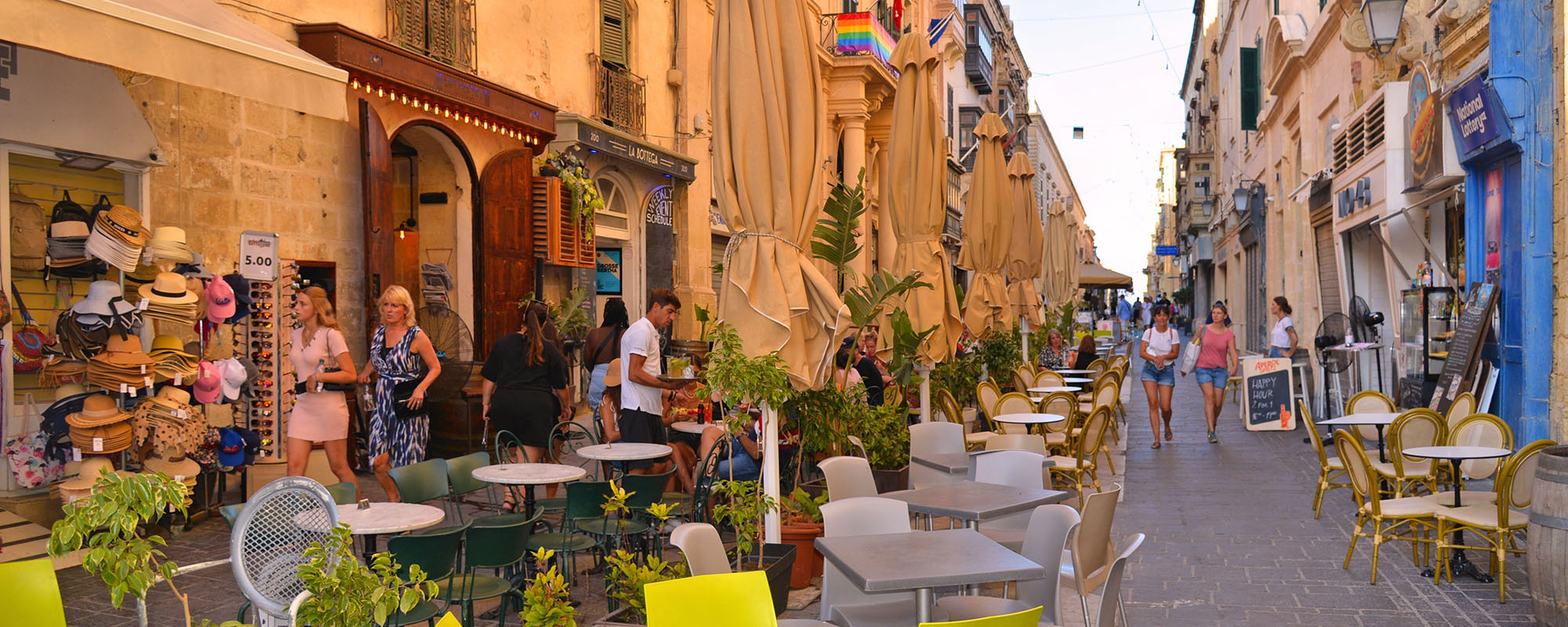
Perhaps the strongest embodiment of this arrogance is when walking along the pavement, we are forced to step down to walk along the road because a restaurant or a pub has obstructed the pavement. Even more brazen and shameful is during funerals, when mourners are forced to wade through restaurant tables that obstruct the way into the church. In March, earlier this year (as we are quick to forget), an ambulance – an emergency response vehicle that could mean the difference between life and death – could barely navigate the streets of Valletta. What happens in case of a fire? Are we willing to put public safety at risk just for the sake of someone’s profit margins? Unfortunately, this question has already been answered.
The encroachment of public space is another embodiment of the greed and disregard for public interest that has rapidly proliferated. Private, economic interest supersedes public interest. Our cultural heritage, safety, and democratic values are sold to the highest bidder as what little space Malta does have is slowly consumed before us. Something must be done before it is too late.
Disclaimer: The opinions expressed in this article are solely that of the author and do not necessarily reflect those of the University of Malta

Comments are closed for this article!