
By Dr Rebecca Dalli Gonzi
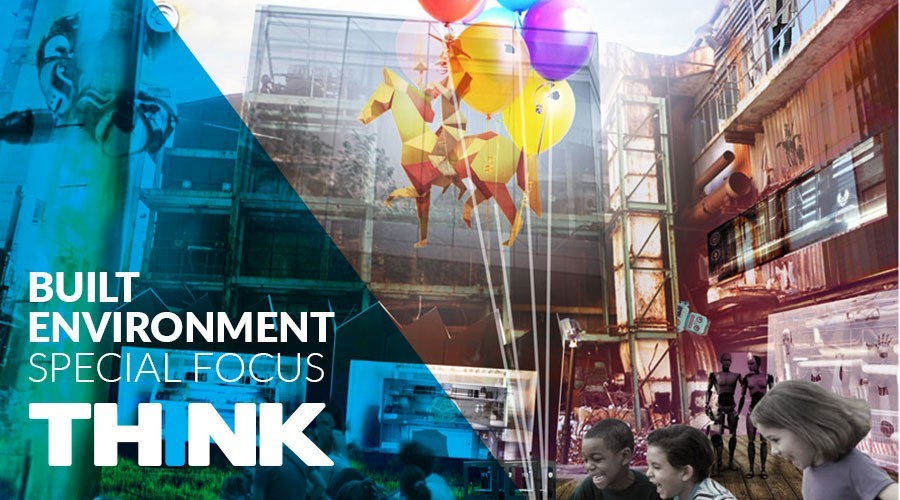
Looking past derelict sites, abandoned warehouses, shifting communities, shipping waste, and ships in disrepair Marsa’s true beauty awaits emergence—a port city with enormous potential. But can we predict what this place should offer by 2050? Final year Master’s students at the Faculty for the Built Environment were asked to produce their vision for debilitated Marsa. Each concept tells its own story fuelled by the analysis of an unravelled quayside. Like Canary Wharf (London)— today a major business district, or the Port of Leith (Edinburgh)—now deindustrialised and refreshed, Marsa will slowly unravel a younger waterside district by peeling layers of grime built up over the years.
The objective is to develop five visionary perspectives. The new spaces are meant to help trade emerge, embrace education, use multiple levels of land, build pedestrian links, and re-think derelict sites to turn them into new architectural masterpieces. Marsa is a calling card for architects and planners to define new uses for spaces to produce their full value for Malta. These projects are entering their second design phase. Expect the extraordinary.
Visit www.um.edu.mt/ben to see the projects unfold.



Comments are closed for this article!