
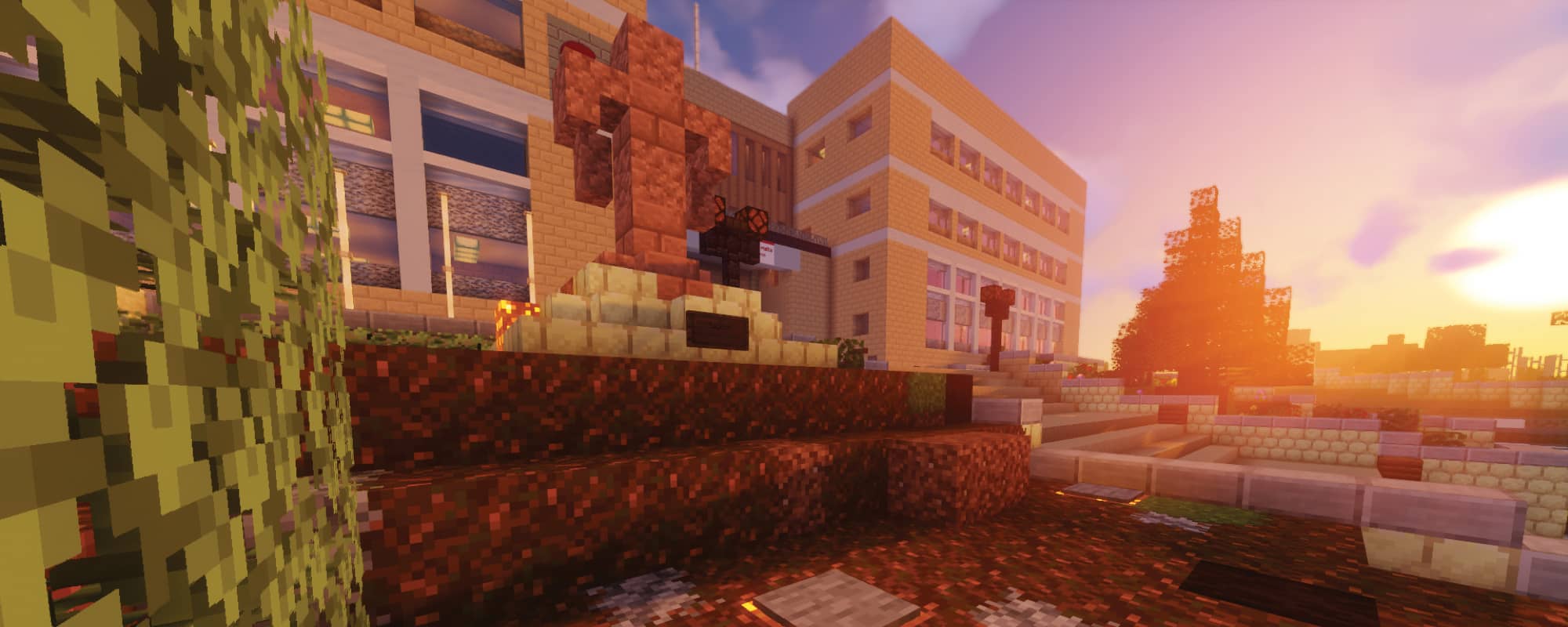
In 2020, many students were unable to go to school due to the COVID-19 pandemic. However, what would happen if you could build your school at home? A group of proactive students at Junior College set themselves the ambitious task to recreate their massive campus block by block in Minecraft.
Jake Camenzuli and Nathaniel Gauci offered us a tour of an incredible Minecraft virtual space. They are members of the core student team that spent hundreds of hours building the college campus in this world of blocks. It is a testament to their hard work and detailed approach that you could navigate your way to the canteen without having ever physically set foot on the college campus.
The idea spawned in response to a call by Roberto Calleja, Youth Worker (Junior College). He suggested using Minecraft, as that was a project the Youthhub could run online, to the students. They quickly took the idea and proposed building their campus, Junior College, in Minecraft.
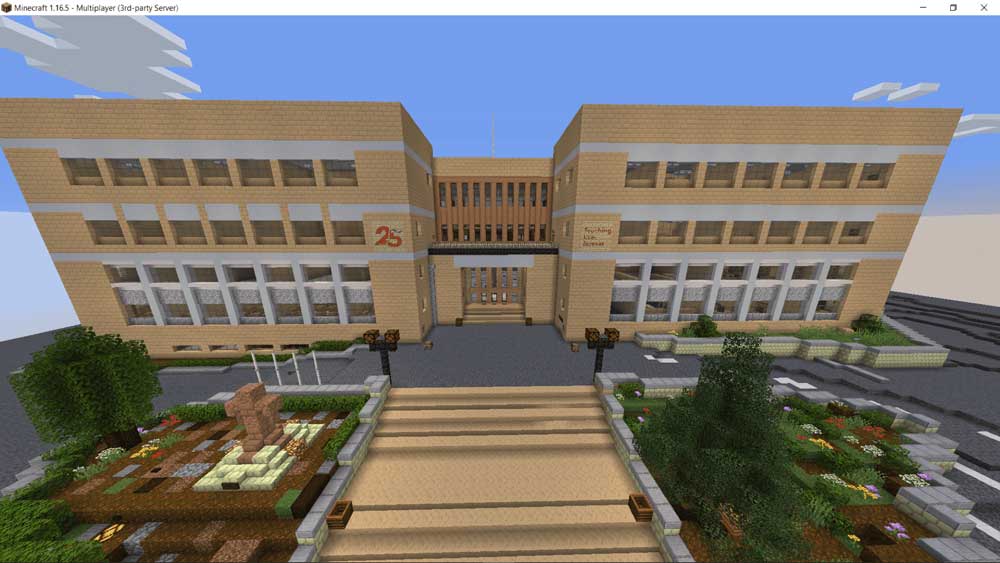
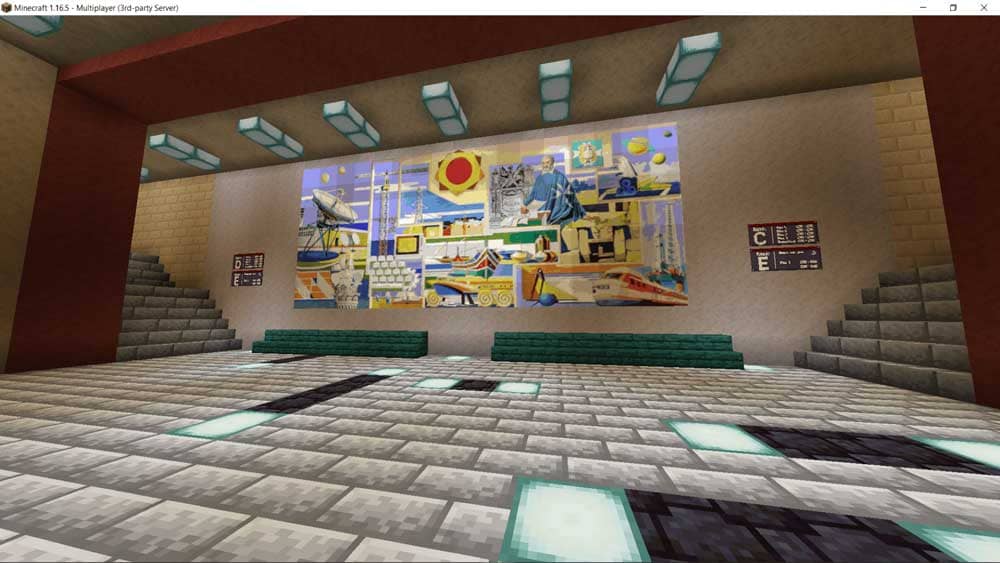
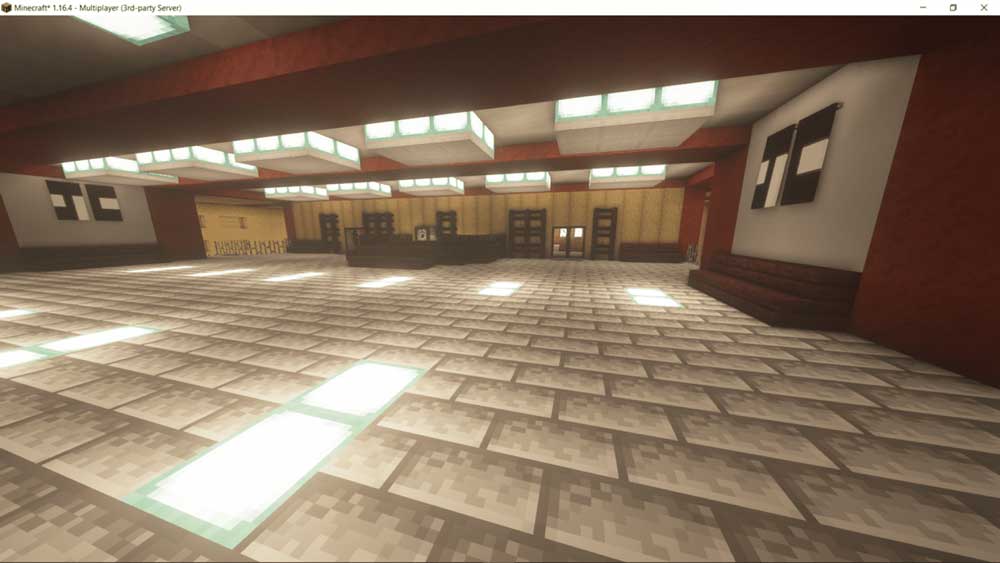
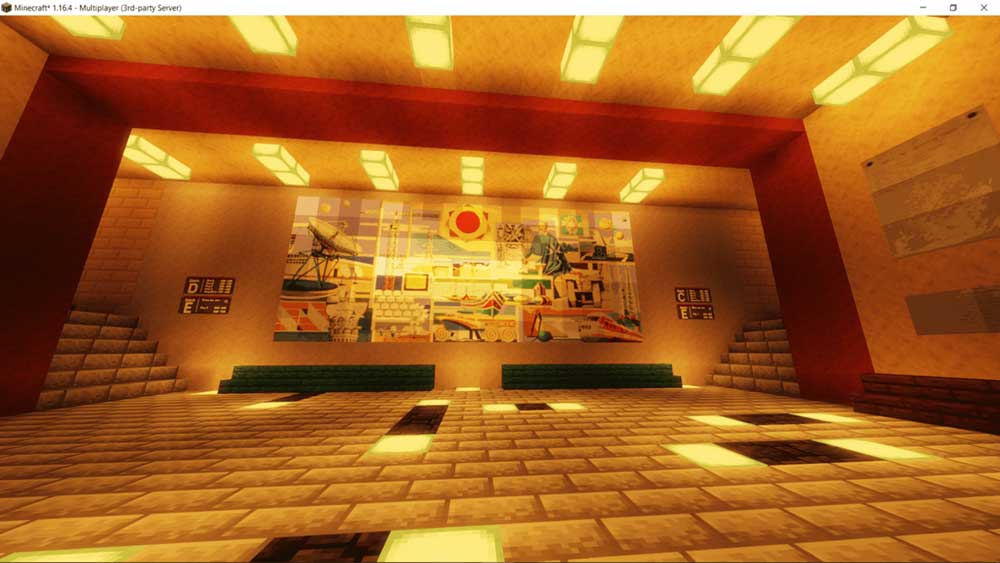
Jake, Nathaniel, and the other team members initially based their Minecraft model on photographs of the school. However, the real breakthrough came when they contacted the school architect for the campus floor plans. Armed with the architectural drawings, the students could correct scaling issues and align windows with walls. Using mods and plug-ins, Jake and Nathaniel could paint tiles and add details — such as the red ’25 years’ that is emblazoned on the school entrance or the giant, colourful artwork in the foyer. Now, even with the limitation of building with 1㎥ blocks, the Minecraft version of Junior College serves as a great online substitute to the real thing for Open Days and tours. ‘It is impressive — once you visit here, it’s like you’ve visited the college,’ said Roberto. ‘Although, it still doesn’t beat the real experience, of course!’ he laughs.
It was not all fun and games for the students. They experienced many challenges and lessons along the way. Roberto reported the toughest challenge was ‘Coordination with others. How to deal with different people.’ The Minecraft builder team fluctuated in size throughout the year, from six students to 17 and back down to three, and team leaders had to cope with the disappointment when students were unexpectedly absent. Nathaniel claimed the most valuable lesson he learned was the ‘importance of planning things — plan things before you jump into it.’ Jake agreed, ‘Planning is number 1! Having a clear idea of the project from the start makes work much easier.’ Jake spent over 124 hours on the project and took photos throughout the whole process.
Whilst the finishing touches are still being made to the virtual Junior College, Nathaniel and Jake have continued to apply their Minecraft expertise in creative pursuits. Collaborating with the Youthhub content creation group, they are producing awareness campaigns in response to the IPCC reports on climate change. They used Minecraft’s WorldPainter program to build a South American inspired rainforest and other threatened environments to highlight the consequences of climate change.



Comments are closed for this article!