
From the MFA in Digital Arts students at the Faculty of Media and Knowledge Sciences, this selection of works showcases how art can turn into research in varied areas, from the concept of re-appropriating gaze to the creation of false memories through photography and much more.
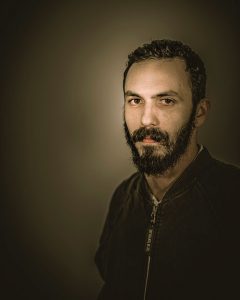
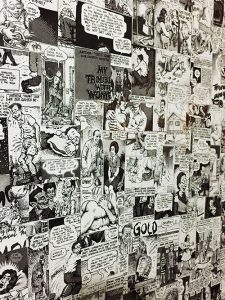
The Adventures of Memories with Trash and the Three Bears of the Sixties – by David Falzon
My research delves into the reinterpretation of meaning present in Robert Crumb’s comix by means of the cut-up technique. The methodology allows for sampling of comics which best portray the shortcomings of the American dream. The cut up technique is therefore used to manipulate form and eventually alter meaning. Hence the fragmentation process can be perceived as a chaotic reinterpretation of a dystopia.

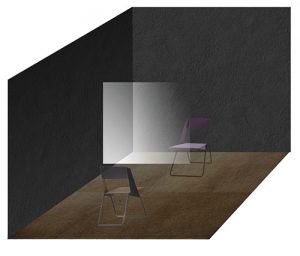
Wait with me – by Gabriele Agius
My research is an investigation of the perception and experience of time as one waits. The wait is typically characterised by the absence of stimuli which are able to distract one from the current condition. The project seeks to develop this emptiness by creating a space which reflects the temporal suspension.
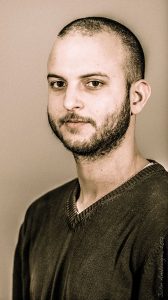
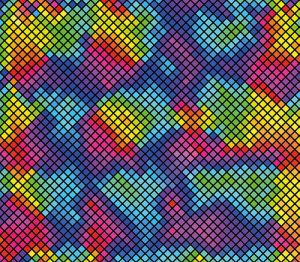
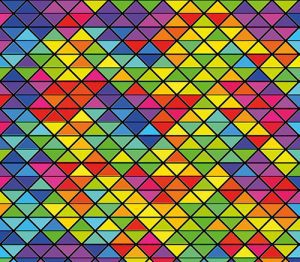
Reinterpretation of Landscape Topography – by Jean Paul Migneco
My project involves extracting three-dimensional coordinates of land terrain and converting them to a red, green and blue (RGB) colour space in order to achieve colours that correspond with elevations of the terrain. The colours that are generated through this process are manipulated in order to obtain chromo-stereoscopic patterns. These are intended to reinterpret colour-field and landscape artworks that are known for displaying illusions of depth through the aid of specific colour applications.

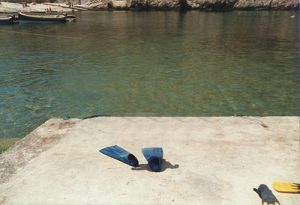
Truthful Inexactness – by Lisa Formosa
Photographs can be an illustration of the story of one’s life, but, they can also distort memories. The project takes on the form of personal photographs which are able to blend into one’s existing memories or alternatively create false ones.
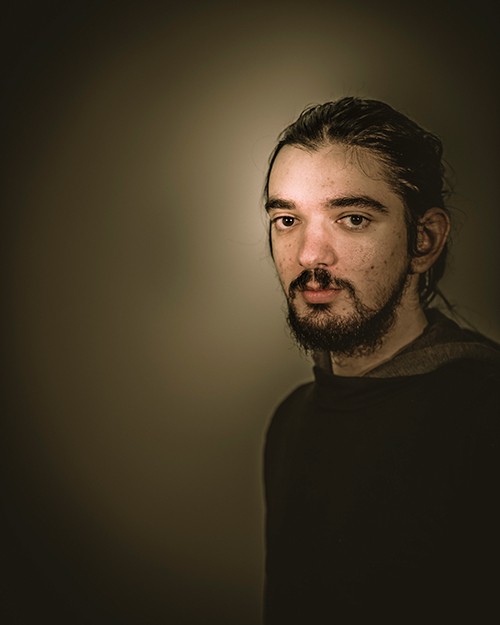
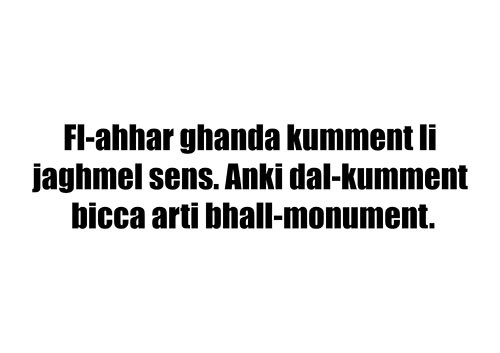
7-9-15-22-1-14-14 4-5-13-1-18-20-9-14-15 – by Matthew Schembri
This project, entitled ARTMENTS (2017), aims to explore the relationship between online comments on contemporary public art, both in the local and international context. ARTMENTS aspires to present this form of artistic commentary as an art in itself through the technique of recontextualization and, eventually, public recirculation.
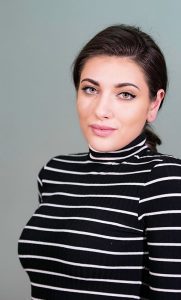
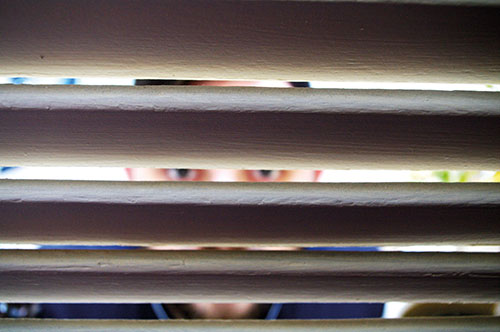
Il-Kixxiefa – by Annalise Schembri
My work deals with the re-appropriation of the gaze and challenges the positions held by the viewer and the viewed and their respective gender associations. The project explores the concepts of stereotypes, voyeurism, and surveillance by means of a satirical interactive installation and performance piece. Ultimately, my work comments on the juxtaposition of power between the seer and the seen from a feminist perspective.

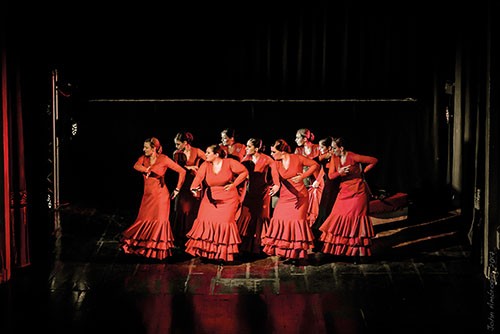
Terpsichore in XML – by John Ambrogio
My work involves a practice-led project to digitally record, archive, and preserve traditional flamenco and contemporary dance as practised by Maltese dance companies. A pragmatic research methodology including personal involvement is used to film, photograph, and textually document a series of practice sessions in dance studios and the public performances of local dance companies.


Comments are closed for this article!