
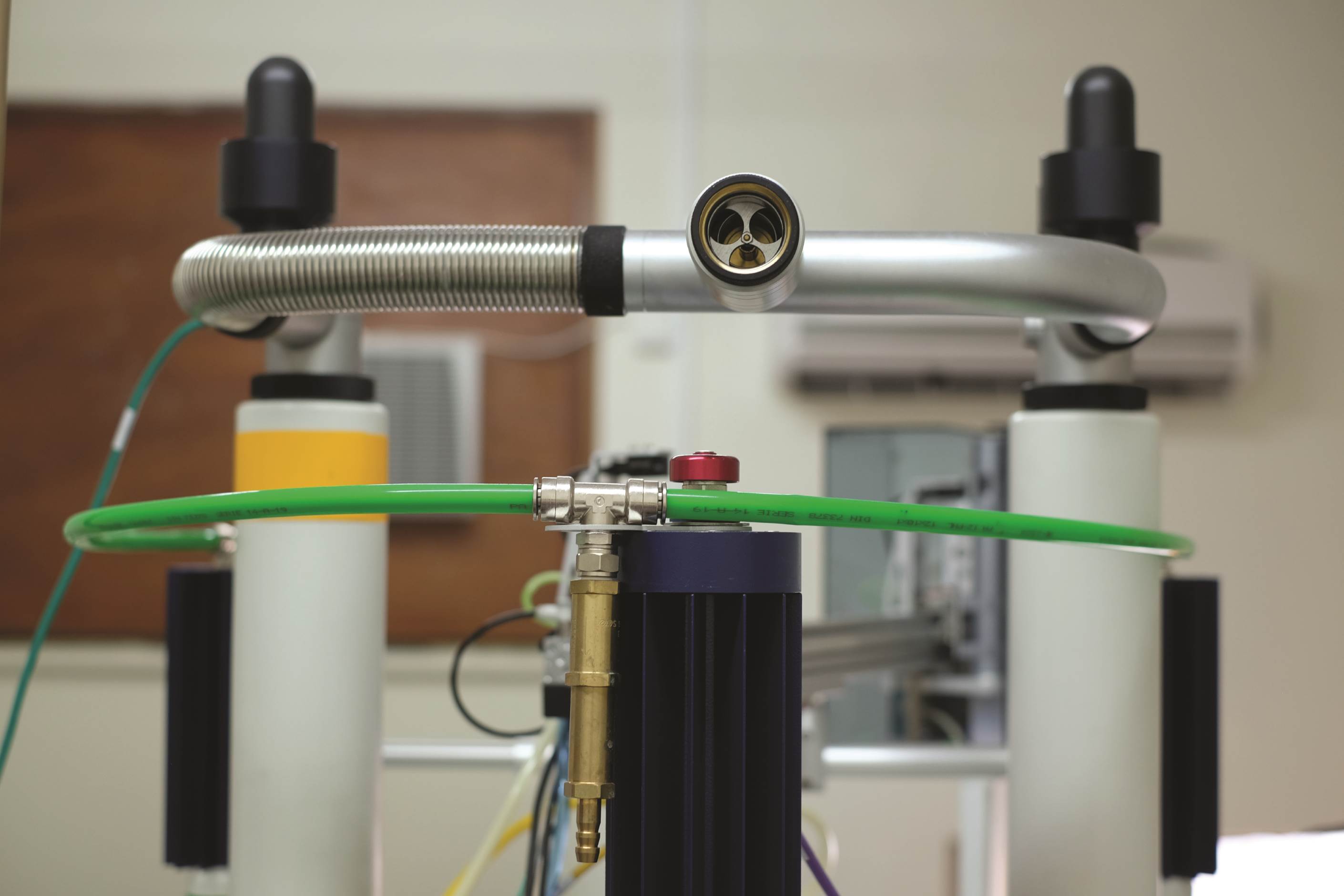
An NMR (Nuclear Magnetic Resonance) spectrometer is a vital machine for the organic chemist. Using its powerful magnet the type, number of atoms, and how they are connected can be figured out. This is key for understanding the structure of organic chemicals such as drugs, pharmaceuticals, and those used in chemical computers.
| The Bruker Advance III NMR Spectrometer |
|
QUICK SPECS
|
Several research groups use this machine at the University of Malta. Prof. Robert M. Borg studies organic photochemistry which is the investigation of how organic molecules react under UV light. NMR helps him understand the structure of the products from these reactions. By figuring out what products are being made he can suggest new ways the molecules are reacting, which can lead to better ways of making more complex molecules.
Prof. Giovanna Bosica and her team use it for green chemistry, the more environmentally conscious side of chemistry. Green chemists come up with new chemicals that are less toxic or make existing industrial processes cleaner. They use NMR to figure out the structure of new products, first to know that they made the right green chemical, second to validate the new green procedure used to make it.
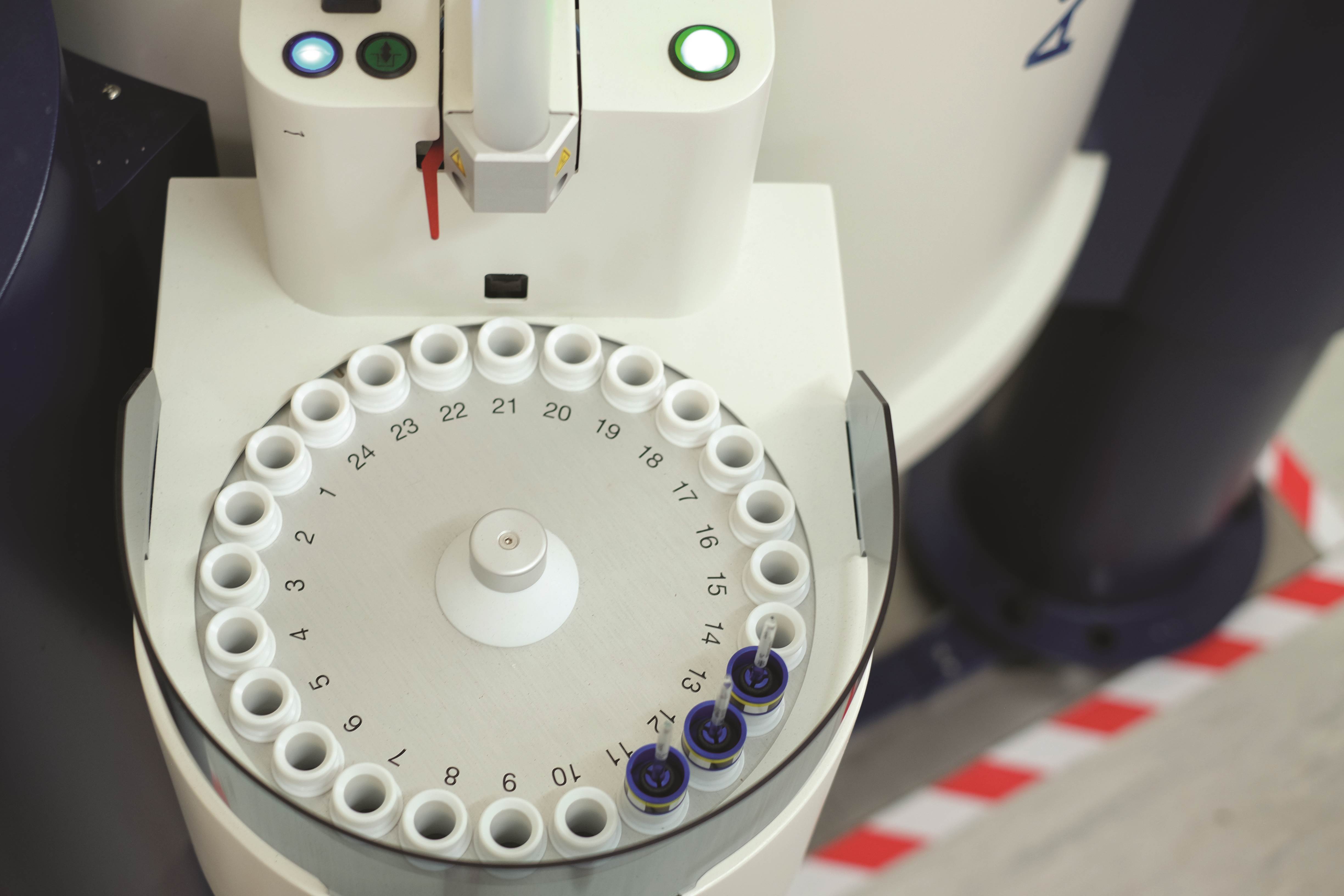
Dr David Magri and his team use the NMR to study new chemicals that can act like parts of a computer. Computers use electronic switches to carry out tasks like play a specific song when a user moves the cursor over the play symbol and clicks. Similarly molecules being studied by Magri’s team can shine if they detect acid and iron levels. These compounds are being used to detect disease conditions and corrossion. The NMR machine is an invaluable piece of equipment for understanding these incredibly useful organic chemicals.
Funding for the instrument was obtained from grant ERDF309 CT 3097/2013 Strengthening of the Organic, Inorganic, Physical Chemistry Facilities.




Comments are closed for this article!