
Skip to content

Do plants feel pain?

Facebook
Twitter
LinkedIn

Alexanderhili

Pain is defined by humans as a highly unpleasant physical sensation caused by illness or injury—something that humans usually try to avoid.

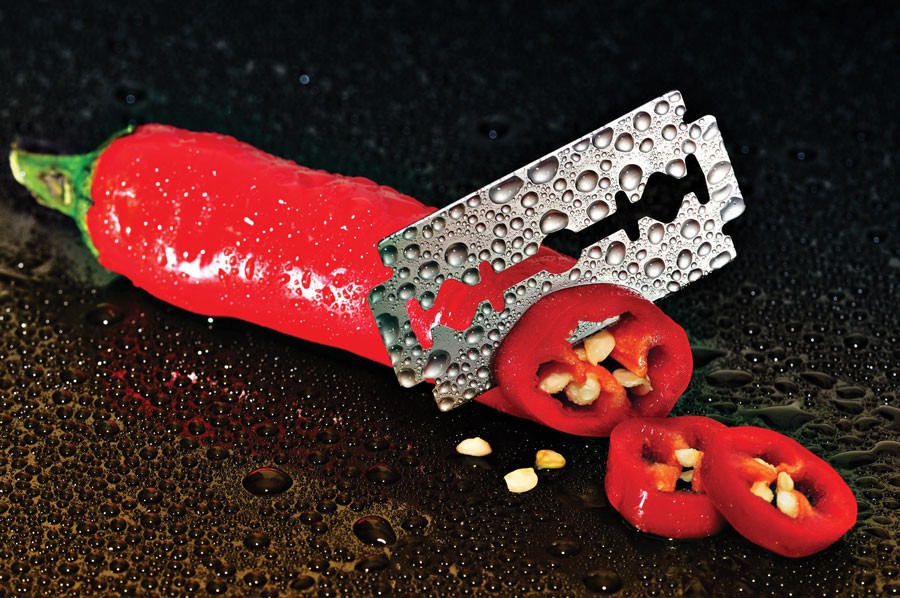
Plants, like humans, want to avoid illness or injury. In the light of this, plants feel pain. They have a defensive mechanism that allows them to secrete compounds that can warn nearby plants that a threat is nearby. These plants respond by defending themselves through, for one thing, the production of sour tasting toxins that cause the herbivore discomfort (meaning, for example, that goats end up with upset stomachs).

So plants do feel ‘pain’ and have evolved to react to it—food for thought.

Author

More to Explore

Should Universities Cross-Pollinate Subjects in an Uncertain World?

Technology is seeping into research and academic writing, and the shift towards labour-market facilitation rather than academic curation is changing the knowledge and learning landscape. Such shifts, however, are set against cultural biases in subjects and traditional, outdated academic structures, even as universities try to evolve.

I Will Continue to Follow the Ship

Curated by Elyse Tonna with artist Dr Matthew Attard, ‘The Ship (Unseen)’ delivers the same brilliance and deep artistic intent which Attard, Tonna, and the rest of the team had been praised for during the 60th Venice Biennale. In 2025, the two sought to continue building on the themes of connection, identity, and memory established in ‘I Will Follow the Ship’, making use once again of that iconic, ever-moving, web-like linework.

AMBER: Stretching the Boundaries of Sustainable Rubber

Think about the rubber parts in your car, your shoes, or your household appliances. Traditionally, making rubber is an incredibly energy-intensive process that relies on ‘vulcanisation’ – a method that uses high temperatures and produces harmful emissions to make the material durable. But what if high-performance rubber could be eco-friendly and 3D-printed on demand?

Comments are closed for this article!