
Crowdfunding has proven to be a revolutionary business-financing phenomenon. From an A to Z list of every indie game, record or publication imaginable, to rebuilding homes, rehoming puppies and sending people to the Olympics, crowdfunding platforms have shown they can be just the right kind of push to get hatchlings to fly the nest. Having a local crowdfunding platform gives entrepreneurs and communities in Malta a unique edge.
Crowdfunding is a place where local ideas, concepts and projects meet and can receive public support. But, in a world of large crowdfunding opportunities across the globe, what does Malta actually stand to gain by having a platform with a local focus?
Financing options on the Maltese Islands are notoriously limited. Over 70 per cent of small-to-medium enterprises (SMEs) resort to traditional lending services like bank loans and overdrafts. Getting a new business off the ground is a daunting task, and 30% of local entrepreneurs admit to finding difficulty in securing investments.
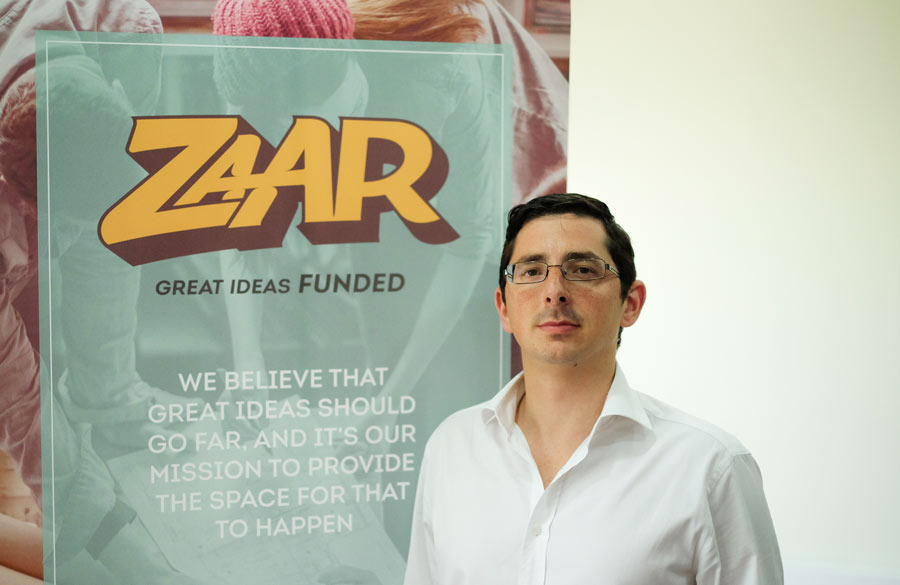
Enter Zaar, the donation and reward-based crowdfunding platform set up by the Malta Business Bureau and the University of Malta [UoM]. The idea initially was to help bridge gaps in the market when it comes to financing for start-ups, innovation, and research projects. A local crowdfunding platform helps local companies by bypassing the legal and bureaucratic obstacles that come with using international platforms. While projects targeting Maltese recipients benefit from local context and backing, backers need not be based in Malta at all. By giving local creators the space to attract funding in the most efficient way, Zaar aims not only to fuel dreams, but to fulfil them.
That being said, Zaar is not just about financing, and one of the company’s core values is about getting good ideas out in the open. In operation for seven months, the platform has managed to fund everything from album launches to charity events. Some of the most successful offspring to date include: a soon-to-be launched Pet Cabin at Mater Dei; eeMod—a modular and multi-functional platform for makers, engineers, and students; funding for the UoM student racing team to build a new formula style car; and a project to bring graphic novels to Malta’s Public Library. Without a little push from Zaar to get public interest going, none of these projects may have made it.
Local crowdfunding also opens up new avenues for researchers and their projects. Governmental and EU funds are becoming harder to come by, but Zaar ensures that every researcher who has ever been told that their field lacks the appeal for funds, at least has the opportunity to try. For the first time, people have the chance to fund studies that they want to see done, and the thought of that is genuinely exciting.
Crowdfunding is going to be a game changer for innovation, and Zaar has the first pin down on the local map.




Comments are closed for this article!