
Performing artists support medical research through the University of Malta’s Research, Innovation and Development Trust
Art is no stranger to science and research. When it comes to raising funds for medical research, artists and art lovers around the world have always been at the forefront. Concerts, art exhibitions, and art auctions have long been effective platforms for raising funds for research, particularly medical research.
Over the past four years, since the inception of the the University of Malta’s Research, Innovation and Development Trust (RIDT), a growth has been observed in terms of support for and contribution towards research from the art industry. This growth in support comes from both the artists themselves as well as the producers of artistic events. It is encouraging to see a culture change whereby research is being recognised as a cause worthy of support.
Noteworthy examples of this are two music events that took place in December 2015. The 18th edition of Teatru Unplugged was held at the Manoel Theatre, Valletta and raised funds for cancer research. The initiative also honoured Nirvana Azzopardi, one of the co-founders of the event, who passed away in 2013.
Jonathan Shaw, the producer of Teatru Unplugged, explains that ‘a part of the proceeds or the money raised through initiatives associated with Teatru Unplugged has always gone to good causes,’ but ever since Nirvana passed away, Teatru Unplugged has focused specifically on cancer-related causes.’ This year the organisers decided to go one step further, and collaborated with RIDT. Shaw adds that ‘we believe that investing in research to help find possible or potential solutions to a problem is just as important as helping those who are currently facing that scenario. It is important to channel support to the long-term solution at the root.’
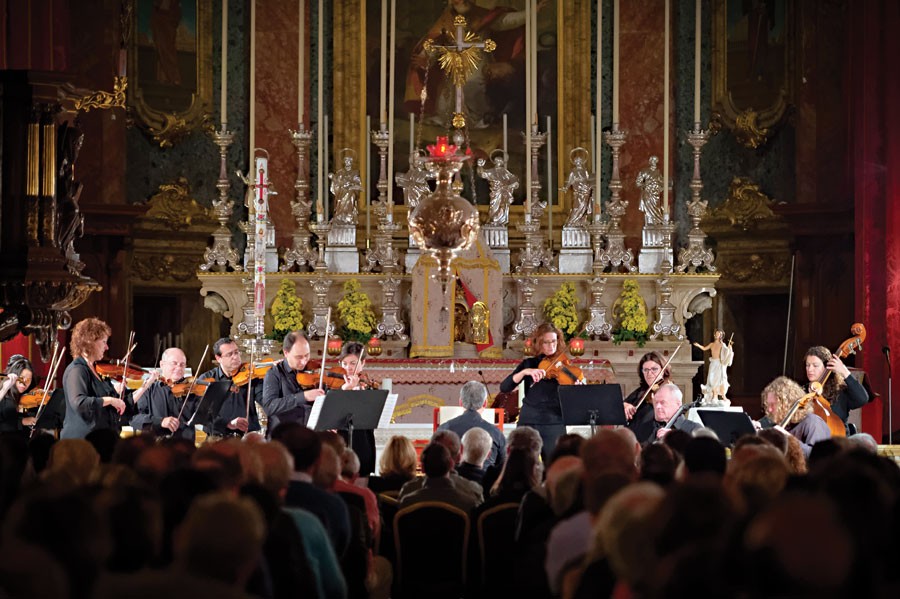
The 25th edition of Prelude to Christmas, a concert for Christmastime held at the Mdina Cathedral by the Amadeus Choir, raised funds for cancer research conducted at the University of Malta. Mro Brian Cefai, director of the Amadeus Choir comments that ‘as a choir we have been raising funds for charitable causes for decades. This year we decided to support RIDT because we recognise the importance of supporting the work that is being carried out in the field of cancer research […], work that may not have an immediate result, but by supporting it we are supporting a long term plan.’
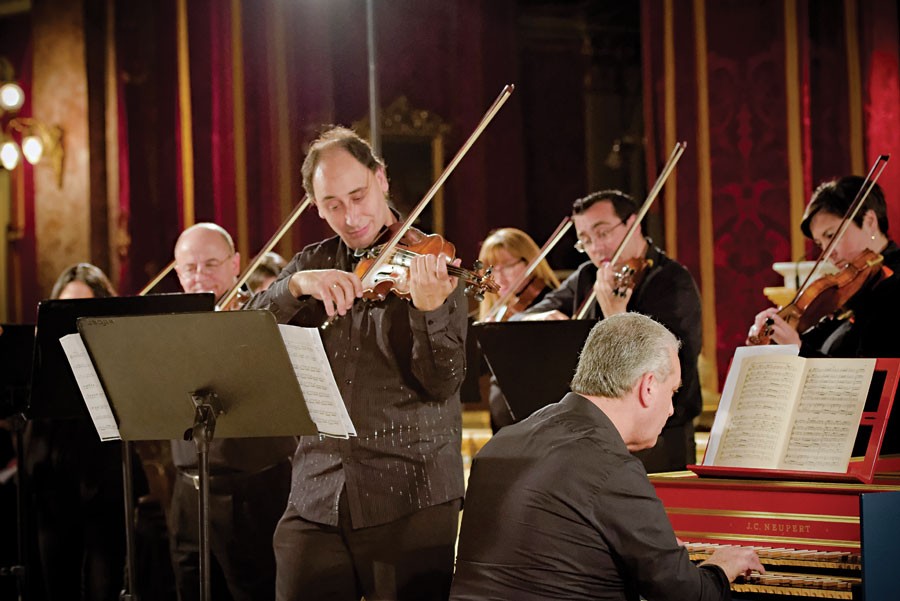
The most recent event was held on Easter Sunday. RIDT presented Vivaldi’s The Four Seasons at St Publius Church, Floriana, featuring internationally acclaimed violinist Carmine Lauri together with a 14-piece string ensemble, under the direction of Prof. Mro Michael Laus. The concert was supporting Brain Awareness Week that aims to raise funds for research in brain-related studies, and was supported by APS Bank and the ADRC Trust.


Comments are closed for this article!