


Maltese summers can be harsh and exhausting. Luckily, this year’s was not a summer to be particularly remembered for its heatwaves or for its breathless nights. Still it is always better to be on holiday, enjoying a sea breeze or, even better, enjoying the beauty of some remote, cool mountainous resort. Some were lucky enough to spend their summer in such manner. Other not so lucky ones, continued with their routine while dreaming of next year’s summer.
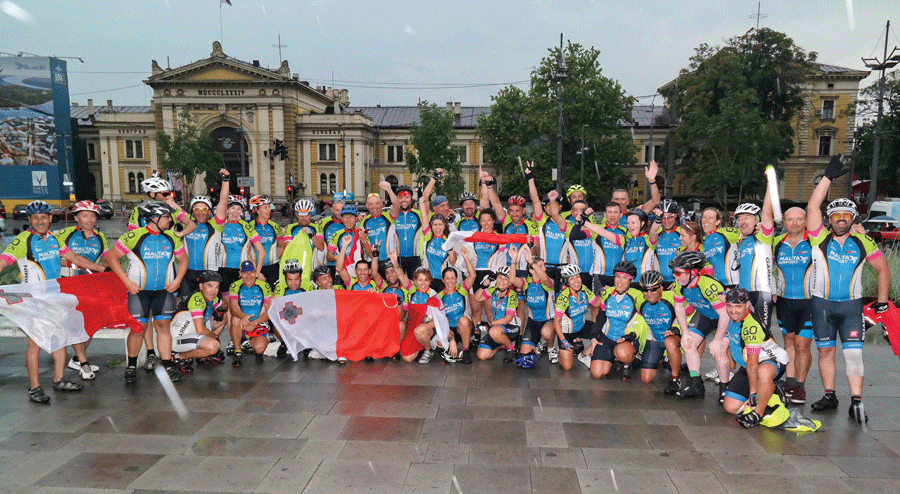
Then there were others, 45 of them, who for seven summer days cycled more than 1000 km for a noble cause. The ALIVE challenge kicked off from Prague on 10 July. The group cycled to Vienna, then through Bratislava, Budapest, and Belgrade covering a daily average of 155 km. This year’s route was notably hilly and much tougher than last year’s with one particular elevation reaching 2,600 m. All this was done to raise over €65,000 to be directed to the Research, Innovation and Development Trust (RIDT) of the University of Malta. Last year these cyclists raised €55,000 for the same purpose and managed to raise the bar this year.
Also in summer the RIDT, together with Action for Breast Cancer Foundation (ABCF), organised a concert entitled ‘A Night for Life’ in memory of the late Mrs Helen Muscat, co-founder of ABCF. Renowned soprano Lydia Caruana entertained a jam-packed Manoel Theatre on the 7th of June, with proceeds going towards breast cancer research and awareness. The concert also presented other established performers including Mro Dominic Galea, Ms Yvette Galea, Mr Ray Calleja, and a much-appreciated guest appearance by cardiac surgeon Mr Alex Manche, who accompanied the soprano on piano. The concert raised over €10,000 and was supported by the Manoel Theatre and by a number of corporate sponsors.
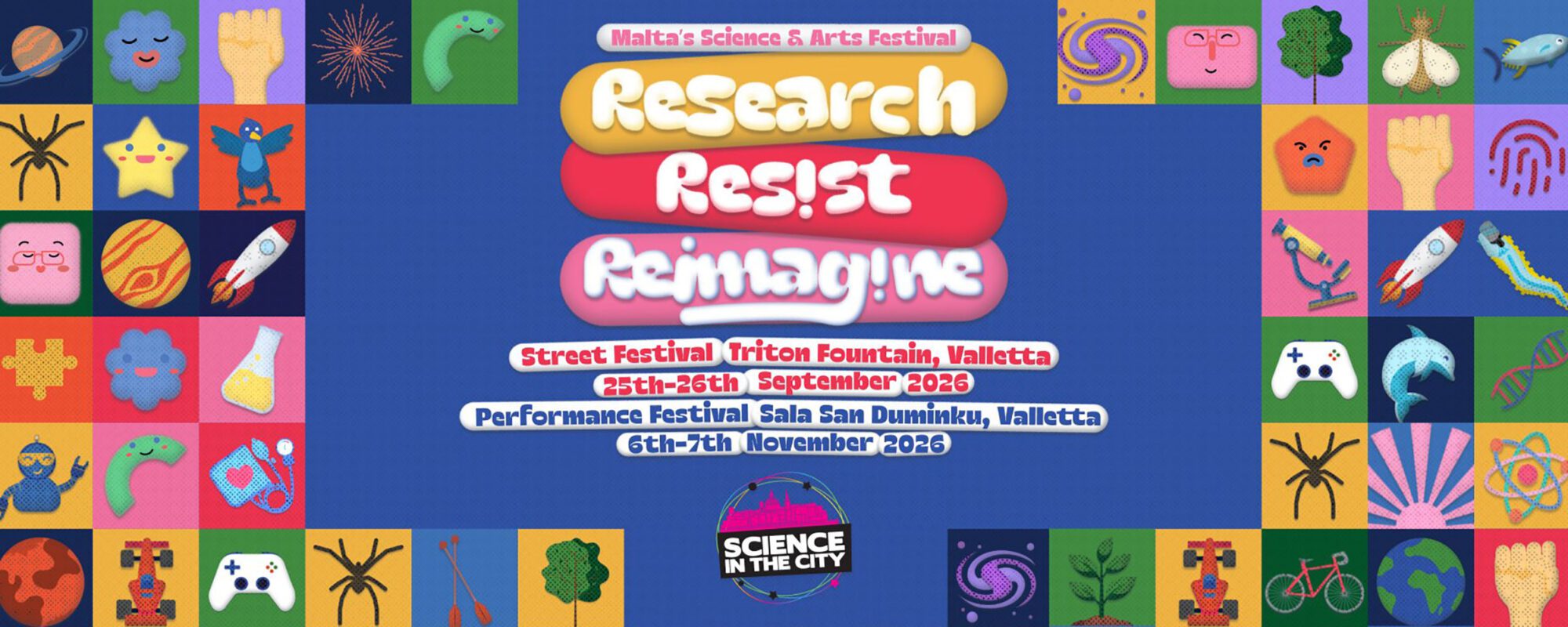
As summer starts to retreat, the RIDT looks forward to September and to our participation in the third edition of Science in the City. This year the event has been beefed up and will include some very innovative ideas which will give it a festival outlook. It will also feature stronger participation by the private sector and will serve as another platform from which the University of Malta can showcase its research activities. The big day is the evening of Friday 26 September and there will be related events on the days before and after that date. A detailed programme has been announced on www.scienceinthecity.org.mt
Following that, the RIDT will be launching a series of new initiatives and schemes starting in October, which will be aimed at raising more funds for research and engaging with more sectors of the Maltese community. Details will be announced in the next issue of SUPPORTER, the RIDT newsletter which will be out at the end of September.


Comments are closed for this article!