
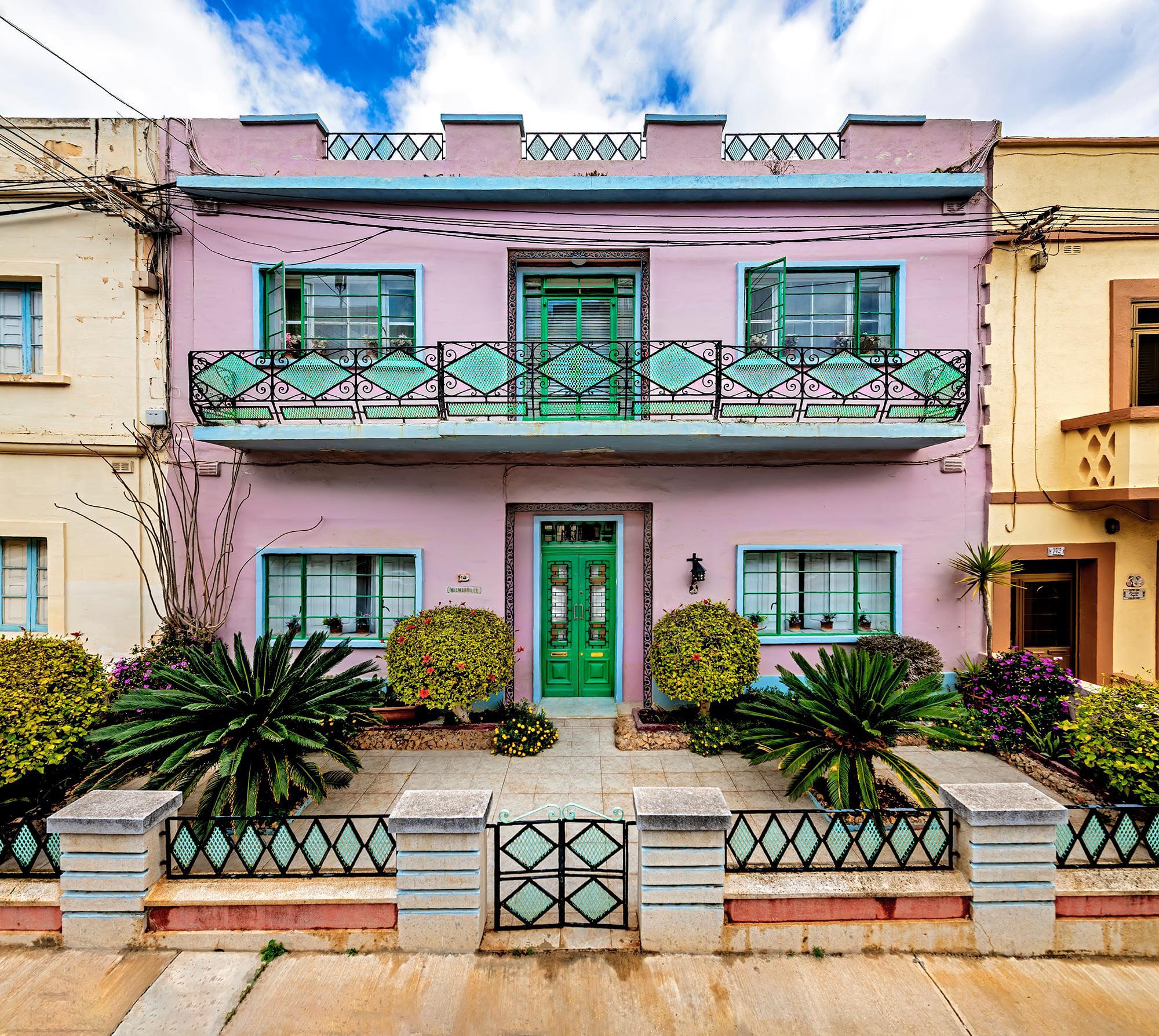
As a Swede with little familiarity with the debate between land developers and conservationists in Malta, I knew nothing of what was coming when I decided to attend HoASAs conference, Maltese Cultural Heritage: A Discussion on Neglect, Preservation and Regeneration. Although the discussion became somewhat one-sided towards the end since no-one really gave a voice to the perspective of land developers, the conference highlighted important issues with the island’s building policies.
Why is it important to preserve the past?
The preservation of the past serves us in many ways. As Miss Giulia Privitelli (University of Malta [UM] Alumni and Postgraduate student at University of St Andrews) put it: the architecture of the islands provides a link between past, present, and future generations. It bestows a sense of rootedness to its population. This was echoed by Dr. Immanuel Mifsud (Senior Lecturer within the Faculty of Arts, UM) in his reading of the poem Ggantija II; not only does each building tell us a story, the sum of these stories helps to form Malta’s identity.
So, what happens when more and more of the historic buildings of Malta become devoured and buried behind pencil-buildings, blank concrete walls, and building projects? The speakers unanimously agreed that something of Malta’s collective self is also disappearing when the population loses sight of the islands’ vernacular architecture.
According to Prof. Keith Sciberras (Head of Art and Art History Department, UM), the policies that the planning authorities follow have to be revised so that caring for vernacular architecture is both the first and last thing that’s considered when new decisions about where, how, and what to build are being made.
I feel a need to both agree and disagree. Rapid development has led to quite a few questionable projects (Google “UglyMalta” and you can see for yourself) which I think indicates issues with the policies as they apply today. At the same time, land development is also important for the islands’ prosperity. With a growing population and a tourist economy that a lot of folks rely on, there is a need for housing development – just not bad housing development.
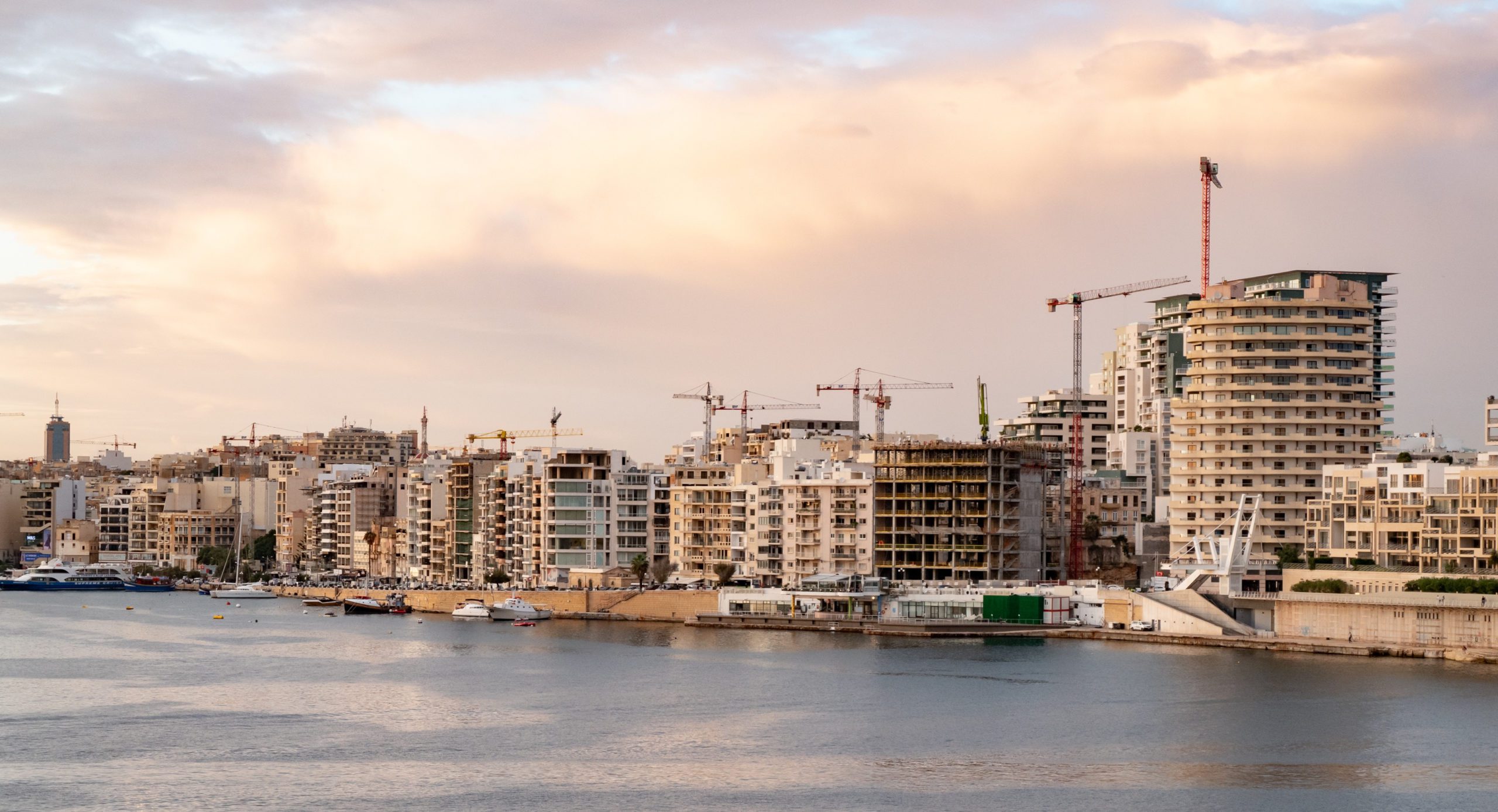
Progress or Preservation?
As Prof. Conrad Thake (Associate Professor within the Faculty of Arts, UM) said at the conference: ‘the development frenzy is destroying the essence of what made the locations attractive to begin with.’ I think this shows that it is bad business for Malta to jeopardize its architectural heritage through bad land development. Malta needs new building projects and vernacular architecture to co-exist. It is unreasonable to think that land development will stop. The old inevitably has to give way to the new. At the same time, giving way to something is not the same as senselessly burying the past.
The development frenzy is destroying the essence of what made the locations attractive to begin with.
Prof. Conrad Thake
Restoration and protection of places like Villa Mystique, Australia Hall, and ancient windmills in rural Malta are not only an homage to the diverse history of the islands but could also be an economic investment. A lot of the why’s and if’s that have to do with conservationism are abstract and emotional – how past and present become connected. But the economic potential of preserving the islands’ cultural heritage is not something that should be left out of this discussion as Dr Joan Abela (Visiting Senior Lecturer at the Faculty of Laws, UM) pointed out. Thousands of tourists visit Malta every non-pandemic year to experience its culture. From this perspective, it is only sound economic reasoning to strive for sustainable conservationism, where both the new and the vernacular architecture can be harmonized.
While land development might seem opposed to conservation, we do need to consider the economics behind it. Who knows, maybe land developers and conservationists have more in common than we think? Prof. Thake proposed forming a non-governmental organization that oversees and lists endangered sites in Malta – a sort of mechanism to highlight what is on the emergency list. Such grassroots initiatives are important to keep up the pressure on politicians.
As Superintendent of Cultural Heritage, Jonathan Borg, pointed out, the office does have a mechanism that enables them to intervene and do restoration on private property, but it lacks the resources. This demonstrates a political inability – or unwillingness – to grasp the issue. How can the Superintendence of Cultural Heritage fulfill its mission: ‘[…] ensuring the protection and accessibility of Malta’s cultural heritage,’ if they only have an advisory role to the Planning Authority and lack the resources to carry out their duties? While the wheels of the political system turn slowly, it is the grassroots initiatives for conservation that keep up the political pressure. The more people that become actively involved in conservation projects, the more this issue will be cast into the limelight, forcing politicians to listen and act.




Comments are closed for this article!