
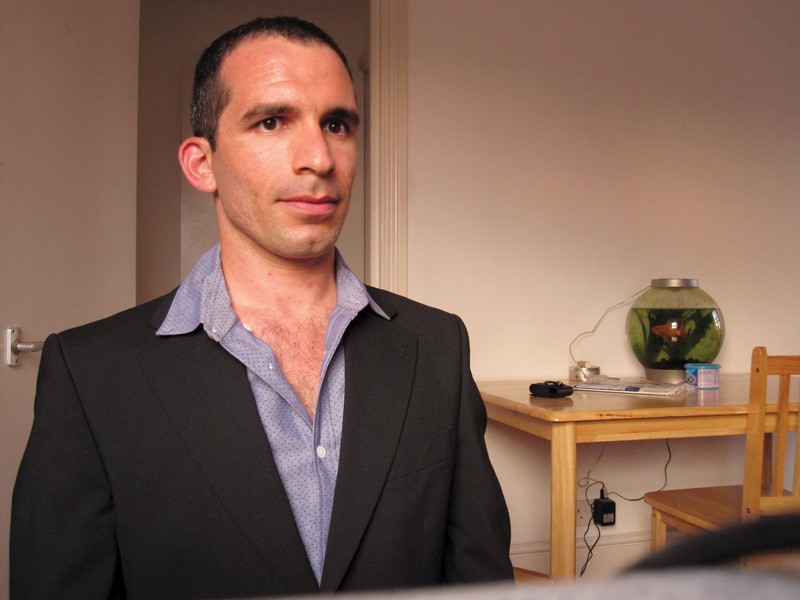
Dr Shawn Agius shares his return to University to combine his interest in sports medicine and neurosurgery
To get a job in neurosurgery, I read for a Masters in sports medicine at University College London. Naively, I thought it would be a piece of cake because I had read an article here and there. I was soon to learn otherwise.
My time in London overlapped with the Olympics that sent my lecturers wild. All they could talk about were injuries and biomechanics as if they were the simplest and most obvious things. This wasn’t the case and the exams were tough. The course absorbed a huge chunk of my time, ironically by studying sports medicine I was not able to train and compete as much as I wanted.
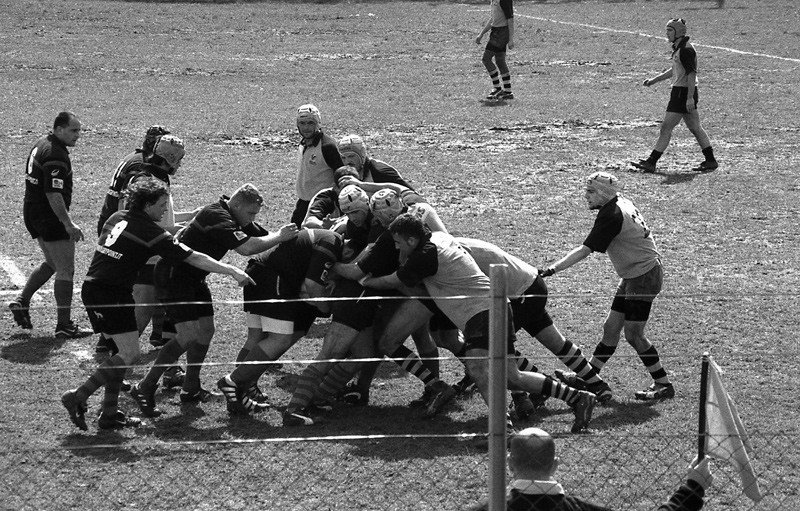
In the meantime, I was working on my research project to complete my course. The project my supervisor convinced me to do was on how heart rate changes after concussions. Rugby players were the ideal test subjects, they practically self-induce concussion. Before any testing took place I read, got in the rugby players good books, and filled a large stack of forms. I needed to assess twenty athletes before and after a rugby game. Seven came for the pregame assessment, two were injured badly, and five came for the post-game assessment. Of these five, most came drunk — 20-year old rugby players after a game; I should have known better.
I pleaded and contacted other teams but had to make do with this data: thankfully I had attended nearly all the statistics and SPSS lectures. So when I compared the data with other similar studies the numbers were similar. My study was feasible, but with difficulty. This pilot study needs to be increased to 200 rugby players, a daunting task — they would probably need to be physically forced.
Through this degree I re-visited university years and met awesome students and lecturers. Halfway through this degree, the job I wanted appeared in Malta i.e. the need for me to do this course vanished. But this was a once-in-a-lifetime chance. I had my moments of ‘I don’t need this, why do I even bother’ and the obvious ‘I will definitely fail this.’ But I had supportive colleagues at work and in the course, so I managed to push myself through.
Now I can combine the job I’ve been wanting in neurosurgery with the passion I’m addicted to. It was fun, it was thorough and totally worth it.


Comments are closed for this article!