
Author: Dr Ruben J. Cauchi
Fruit flies (Drosophila melanogaster) have helped scientists discover innumerable secrets about humanity. Over 1,000 types of these flies are living at the University of Malta’s (UM) Motor Neuron Disease (MND) Laboratory. Each type or ‘stock’ is unique, and UM researchers have generated the majority of stocks through genetic engineering over the last 11 years. Flies need constant care, fly food needs to be freshly prepared, and stocks must be monitored to avoid overpopulation and sudden death. The COVID-19 pandemic has forced universities worldwide to close campuses, leaving researchers to work and teach from home. But research activities, especially the care of living organisms, have to continue even in the face of a shutdown.
Our lab is using flies to model amyotrophic lateral sclerosis (ALS) in humans. Through flies, scientists worldwide have identified how genetic defects can cause neuromuscular problems in patients with ALS – the most common motor neuron disease in adults. Considered as superheroes in neuroscience research, flies share an astonishing degree of genetic and biological similarity with humans. Genetically engineering them involves tweaking the fly’s DNA or inserting pieces of human DNA to create flies that mimic the human disease more accurately.
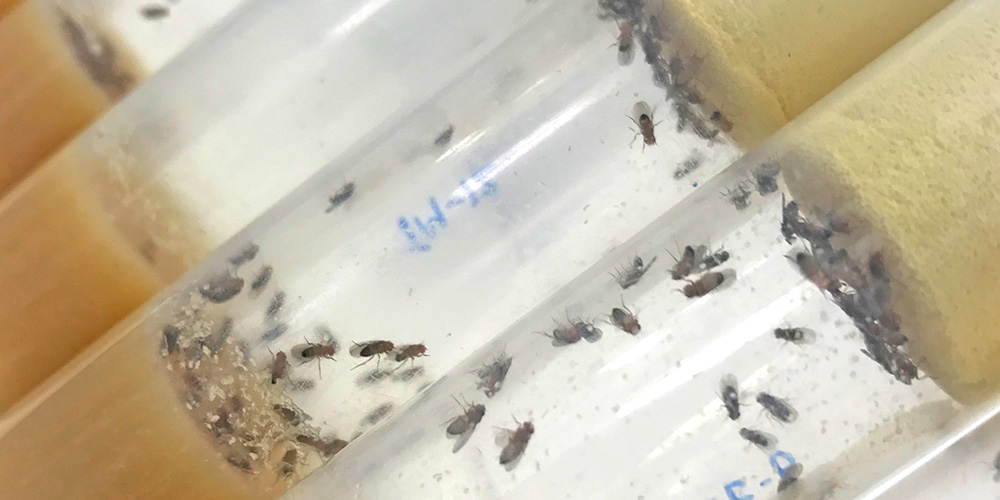
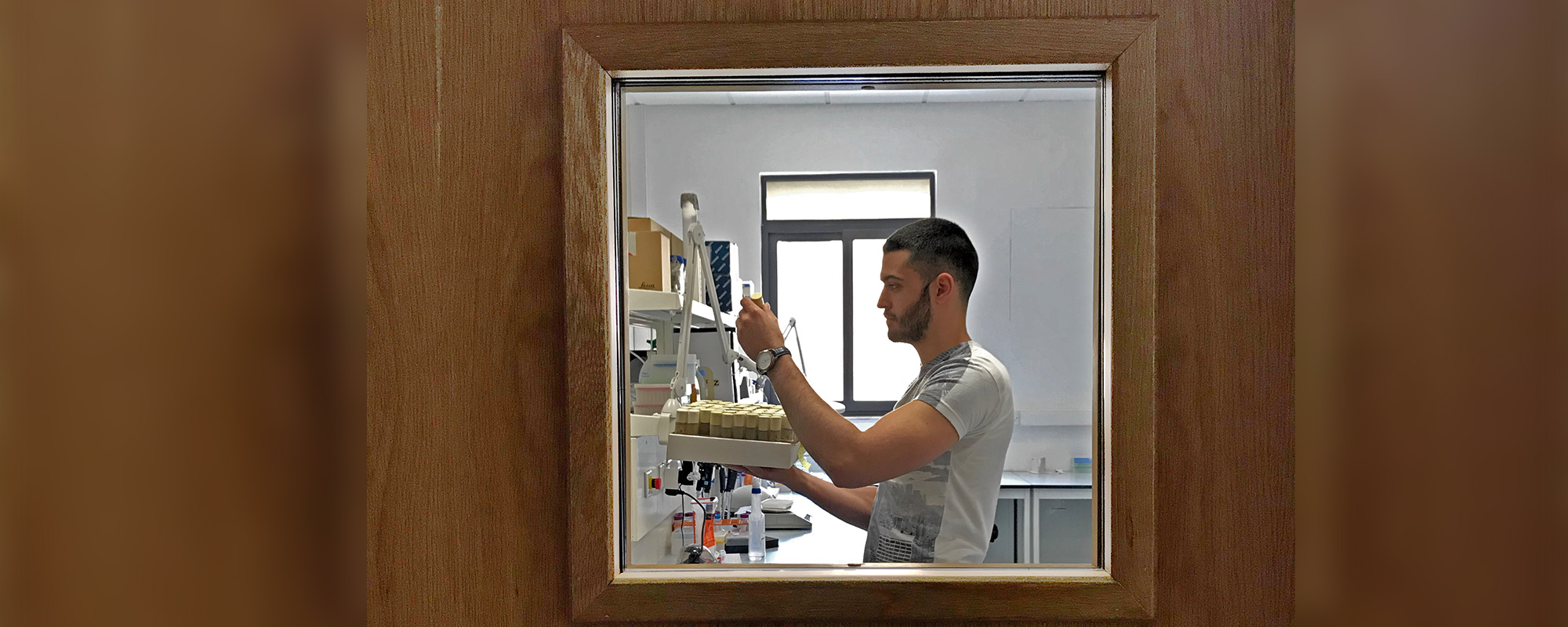
Lab assistant Matthew Camilleri safeguards Malta’s Fly Stock Collection. He continues to come to UM for this essential work: caring for the university’s precious fly stocks. Together with the lab’s team, he has taken steps to curb breeding and scale back long-term experiments. The lab’s focus has turned to maintaining our irreplaceable fly stock library, since our fly lines are not available commercially, and every single line takes years of work and thousands of euros to generate.
Living organisms take time to repopulate and ramp up experiments. The COVID-19 pandemic will set the team back several months. However, knowing that the UM’s fly stock collection is being cared for during these dark months has put the mind of fly researchers, many of whom are PhD students, to rest. The essential work of animal husbandry staff during this unprecedented crisis ensures that flies can continue to be utilised on UM’s lab benches for new research breakthroughs on ALS/MND, once normal life resumes.
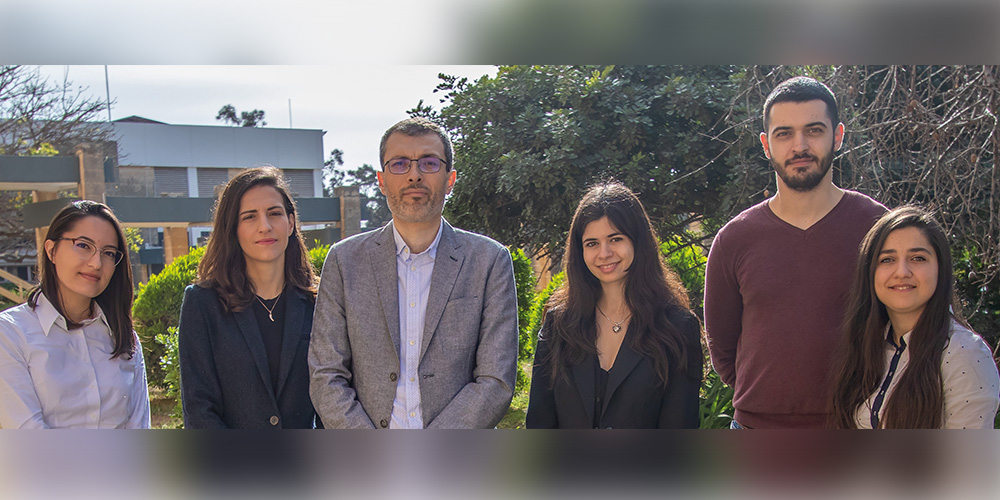
Dr Ruben J. Cauchi leads the University of Malta ALS/MND Lab, located at the Centre for Molecular Medicine & Biobanking and the Department of Physiology & Biochemistry within the Faculty of Medicine & Surgery. The research is funded by the Malta Council for Science & Technology, an Endeavour Scholarship (part-financed by the European Social Fund), ALS Malta Foundation, and the University of Malta’s Research Trust (RIDT).



Comments are closed for this article!