
As I write this article, a box full of 8mm film has just been delivered to our studio. On these tapes is local home footage featuring carnival celebrations from the 1960s, a visit by the UK’s Queen Elizabeth II, and an assorted series of family events recorded around the Maltese Islands. These films are valuable historical records opening a window onto the unfiltered and uncensored perspective of Maltese citizens. Magna Żmien is a Valletta 2018 project coordinated by artistic director Andrew Alamango and a collective of like-minded individuals. The purpose of the project is to collect and preserve historic Maltese content recorded on home sound, image, and video equipment over the past century. Left neglected, these personal documents containing evidence of Malta’s changing landscapes—physical, social, and political—might have been lost and forgotten. Instead, the team is reusing them, reinterpreting them through art.
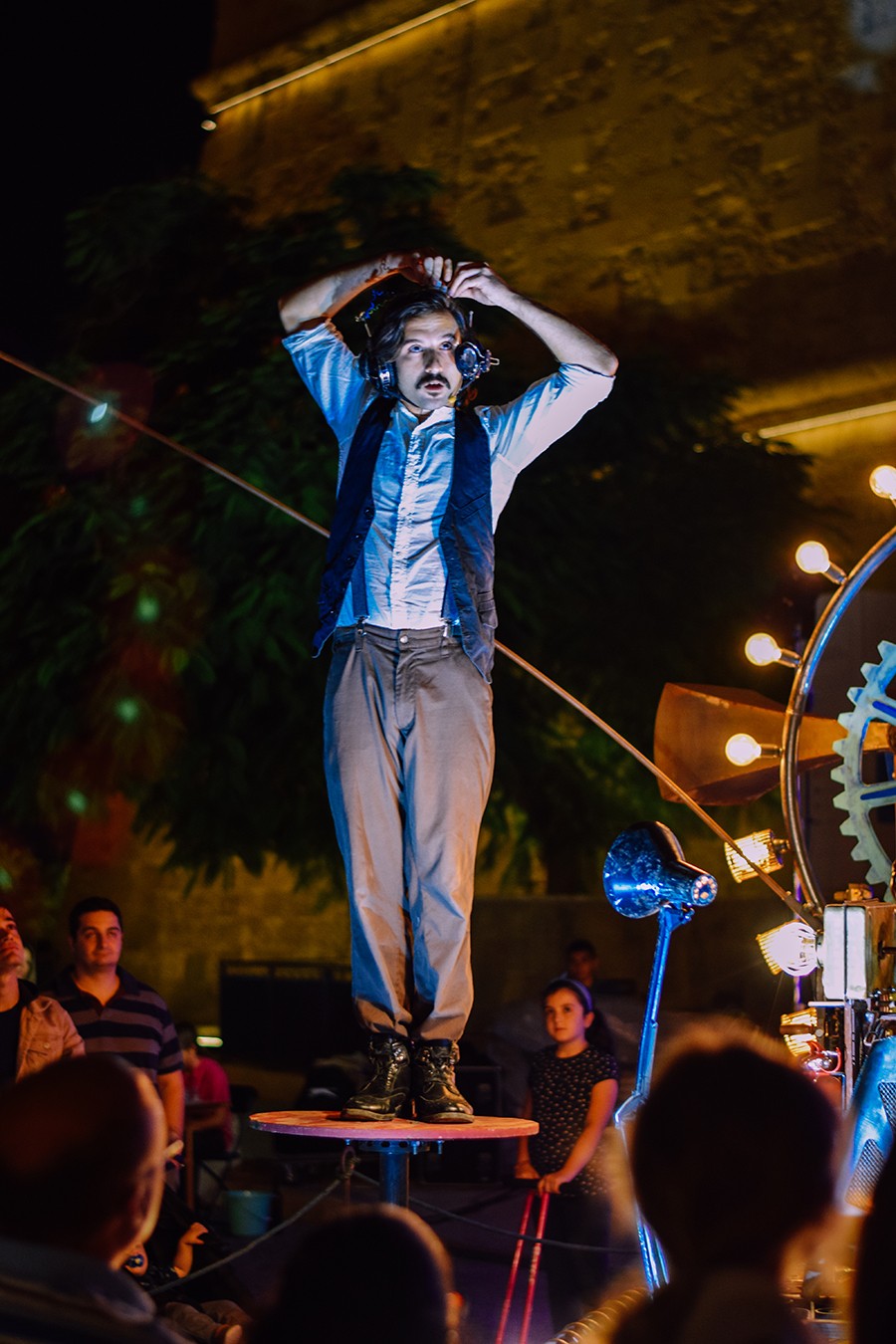
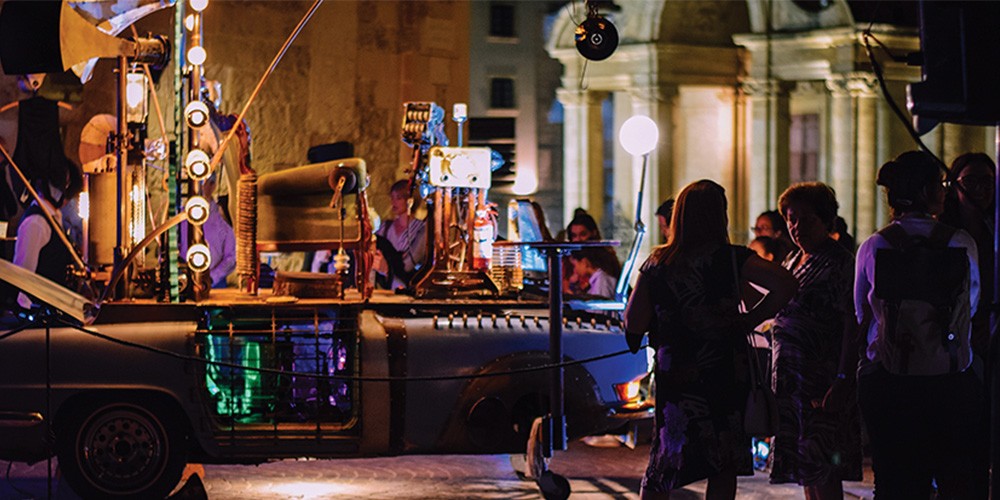
The move to digitise and make available fading analogue memories is physically manifested through ‘The Magnificent Memory Machine’—the Kapsula Merill, designed and built by Matthew Pandolfino, Andre Vujicic and Late Interactive. In the driver’s seat is Armchair Voyager Wistin (Jacob Piccinino). Behind the scenes is the professional studio that makes it all happen, digitising open reel tapes, audio cassettes, vinyl, Super 8 and 8mm film, photographs, negatives, and slides at high resolution. Since February 2018, we have digitised over 2,000 items from 51 different donors, in addition to receiving a further 600 digital files from private collections.
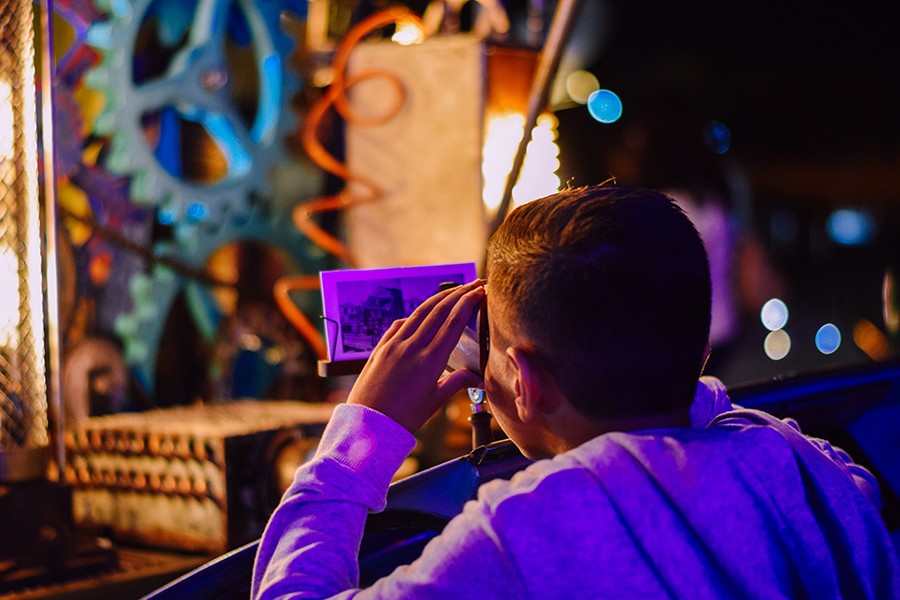
The collected material has many stories to tell. Our performance events throughout 2018, including at Science and the City and Malta Café Scientifique, only scratch the surface when it comes to the sheer volume of material we have been allowed to copy by donors.
One thing we often encounter is the personal voice message—greetings between diasporic Maltese. Dating back to the 1950s, these appear most frequently on open reel and audio cassette tape, but also on special vinyl discs. One particular recording is by a man named Charlie who recorded his message in a Calibre booth on a platform at London Waterloo station. In the message, Charlie sends wishes to his family and regales them with tales of all the football matches he is attending, one of which he is particularly excited about: England vs East Germany. Some minor detective work has revealed that this recording was made on 24 November 1970 when England beat East Germany three goals to one.
Messages such as these may seem inconsequential, but of all the voice recordings we have heard, they are perhaps among the most honest. Recorded in a busy, alien environment under strict time constraints, the speakers didn’t have the luxury of retakes before their voices were forever fixed on vinyl.
Magna Żmien will continue to collect sounds, images, and videos like these, and present its research in innovative contexts beyond 2018. We want to continue engaging citizens in the technical and cultural components at the heart of our project. Agreements are also underway to establish a formal association between Magna Żmien and the National Archives, ensuring the longevity of this material as public documents are accessible to all. What we collect, after all, belongs to the Maltese people at home and abroad. The recordings contain an essence of our national identity that cannot and should not be lost.
For more, visit: www.magnazmien.com




Comments are closed for this article!