
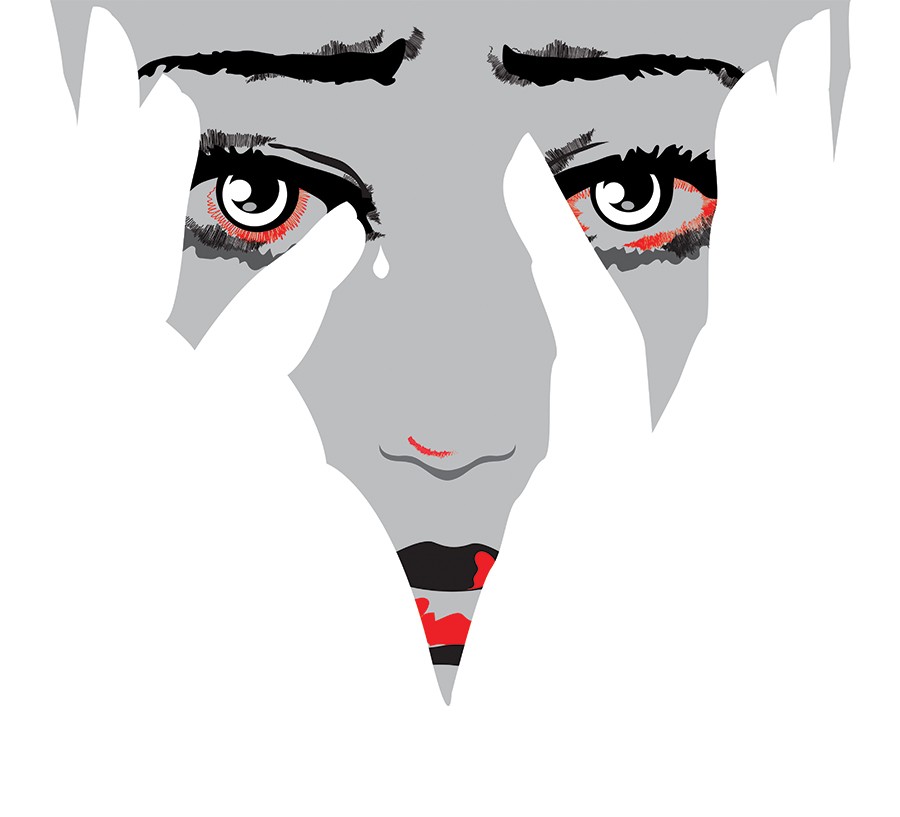
Domestic violence is a social issue scarring our communities. It is also on the rise. According to the CrimeMalta Annual Crime Review for 2016, there were ‘only’ 450 reports in 2008 compared to the 1272 instances in 2016, marking a jump of 183%.
Paradoxically, increasing reports of domestic violence are a good sign. They clearly indicate that people are more aware of domestic violence, that they recognise it, and find it unacceptable. Another positive is that the media is highlighting these cases. Domestic violence against women also has a lasting impact on children. Once exposed to intimate partner violence, the ramifications ripple through their lives both in the short term and when they become adults (Sammut Scerri, 2015).
According to the European Union Agency for Fundamental Rights, one in three European women experience physical and/or sexual violence by a partner. In Malta 15% of women over the age of 15 have experienced physical and/or sexual violence at the hands of a partner. Looking at the National Prevalence Study conducted in 2011 by the Commission for Domestic Violence, 26.5% of women have experienced one or more acts of violence by a partner, which includes, physical, emotional, or sexual violence. Probably one of the most worrying facts, according to the same study, is that 54% of women who have experienced violence did not seek assistance. Domestic violence significantly impacts female survivors who are low income, unemployed, or inactive.
Malta has to act, and the Faculty for Social Wellbeing (University of Malta) has already recommended a number of action points. First on the list is a one-stop-shop with a multidisciplinary response team, specially trained to address the situation holistically. This team involves police working with legal, social work, health, and psychological support. We also suggested a well–resourced National Action Plan, in-line with the Istanbul Convention, that is comprehensive and evidence-based. This would work hand in hand with a national programme on relationship education, targeting different age groups and genders, addressing gender stereotypes and issues around power and control. We also believe that court sentencing needs to be significantly harsher to reflect the seriousness of the crimes. Similarly, protection orders and treatment orders need to lead to significant punishments if broken. Finally, we must also work to alleviate the financial burden of domestic violence victims. Social assistance cheques have to be issued promptly, social housing must be made available, and child support contributions cannot be interrupted.
Domestic violence is no longer a private matter, but a community responsibility. For the good of everyone, it is an issue that needs to be addressed by academia, civil society, and the state in a coherent and well thought-out manner.




Comments are closed for this article!