
Prof. Giuseppe Di Giovanni
Coordinator of the new Malta Neuroscience Network
The human brain is the most complex organ in the known universe. This complexity makes it the last and hardest frontier in medical research. Unraveling the brain’s secrets could change the lives of millions of people of all ages suffering from neurological and psychological conditions, lesions and addictions. Brain diseases can affect anyone.
One in three Maltese people and about one billion people worldwide suffer from some form of condition or disease at some point in their lives. Examples like autism, multiple sclerosis, depression, and dementia are brain disorders that represent the most important challenge to public health in the 21st century. We need to develop new ways to cure these conditions rather than simply treat them.
To find the reasons behind brain disorders needs the collaboration of many different scientific disciplines and clinicians. Researchers also need the participation of patients, families, health workers, and related non-governmental organisations. To encourage this web, I have created the Malta Neuroscience Network with those scientists and clinicians whose shared vision is to solve these issues in the 21st century.
We are currently in a golden age of neuroscience. Now we have a much deeper understanding of the brain’s complexity that has greatly improved human health. Over the last few years, we have made important discoveries like a better understanding of the mechanisms behind human consciousness, the discovery of mirror neurons, and we have created technologies which allow brains and computers to communicate. We have also increased our understanding about the genetic basis behind diseases like autism, schizophrenia, Parkinson’s and Alzheimer’s disease.
These advances are promising, but further steps need funds that allow researchers to tran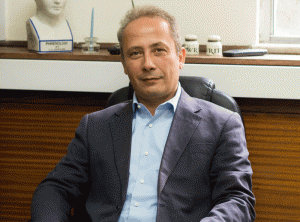 slate these findings into treatments. Basic researchers need to work with clinicians, to ensure that these new discoveries from the lab bench end up on the bedside. This is the only approach that will allow us to understand the brain, protect brain health and benefit patients, their families, and health workers.
These challenges need the strong support of the community (government and society). Global collaboration efforts such as the BRAIN initiative in the USA and the Human Brain Project in Europe have been fundamental in fast tracking discoveries in brain research. Malta is also contributing with many Maltese researchers by publishing high quality research on the brain. This has happened despite the Maltese Government’s small investment in neuroscience research.
A big question in research funding is whether the focus should be on basic research or on research with commercial potential. The answer is logical: both! Unfortunately, Government has blindly decided to exclusively finance research with immediate commercial potential. In truth, one form of research cannot live without the other.
By creating the Malta Neuroscience Network and the University of Malta Research Trust (RIDT) Brain Funding program we want to raise awareness about the brain and what happens when things go wrong. We want the Brain fund to support more excellent and innovative brain research. We hope that the Government of Malta will match private and other donations. The RIDT Brain fund will be the first major investment in brain research ever made in Malta. We want to turn these funds into benefits for the Maltese people and others beyond our shores.
The new Malta Neuroscience Network is a community of researchers (neurologists, psychiatrists, radiologists, biomedical scientists, engineers, psychologists, cognitive researchers, ICT scientists and others). It will launch a Brain Awareness Week (December 1-6, 2015) with prominent neuroscientist Prof. Giacomo Rizzolatti, who discovered mirror neurons and has been nominated for a Nobel Prize in Physiology and Medicine.




Comments are closed for this article!