
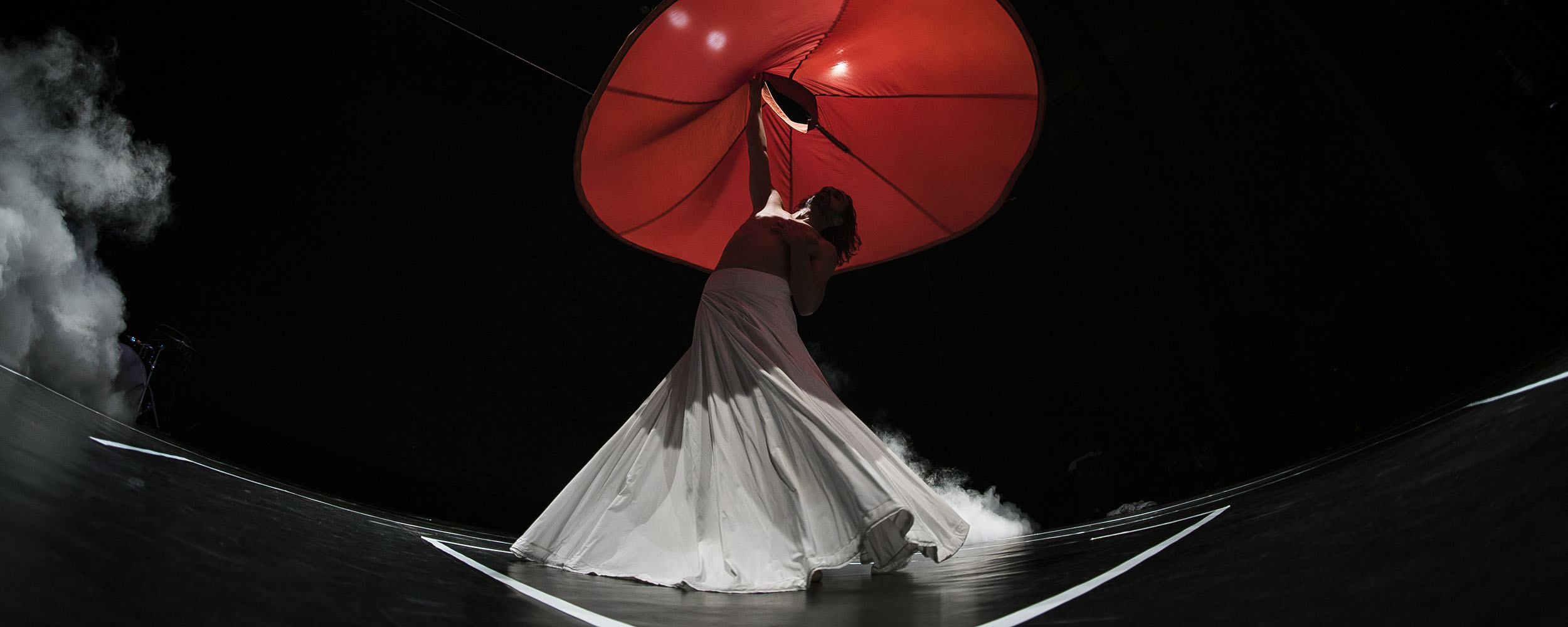
When you think about Islam, do you think about dance? When you think about dance, do you imagine it as a part of meditation? THINK speaks to Ziya Azazi, founder of Dervish in Progress, and Dr Paula Guzzanti Ferrer from the Department of Dance Studies to uncover the fascinating connection between dance and Islam.
Picture Islam and dance: on the one hand, modest clothing, control of physical desires, and strict rules, while on the other hand, creative freedom, expression, and sensuality. Surely, they could not be further apart in concept, right? Yet, in a particular current of Islam, dance is used as a gateway to spiritual enlightenment. For Sufis, dance can guide us to divine experiences.
What is Sufism?
Sufism is a mystical branch of Islam that prioritises the inner dimension of faith over the simple following of external rules. At the heart of Sufism lies the belief that divine love can be experienced beyond the given ego, the sense of self which defines your identity. This experience of unity with the divine is described in Sufism as ‘Wahdat al-Wujud’ (Oneness of Being).
Founder of Dervish in Progress, Ziya Azazi, a professional dancer who practices Sufi whirling, compares Sufism to music. ‘Just as music cannot be fully explained but must be experienced, Sufism is especially understood through its practice, not by its definition. Describing the unknown is hard, maybe even impossible, yet thinkers, mystics, artists, philosophers, and scientists have tried for centuries. We are physical beings, bound to a visible, solid world. So when we try to speak about the invisible, about what is beyond ordinary perception, words can only point in a direction. They cannot replace the experience.’
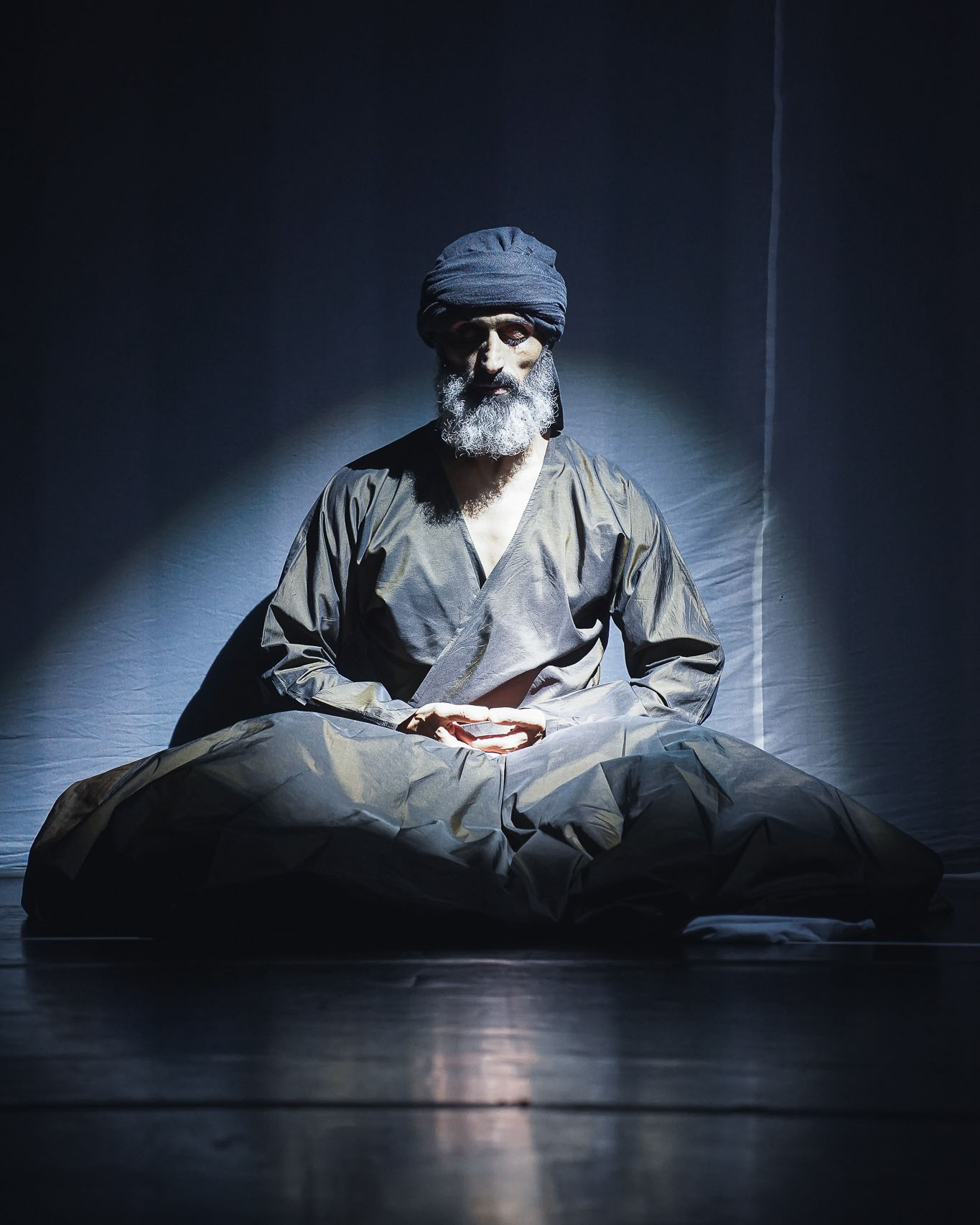
Dance in Sufi Ceremonies
Sufi whirling is one of the most well-known Sufi practices. The whirlings take place during a ritual called ‘The Sema Ceremony’, which is a meditation in the form of dance symbolising the journey of a soul from creation to unity with God. The semazens, or whirling dervishes (Sufi practitioners), aim to overcome the ego and experience a divine connection.
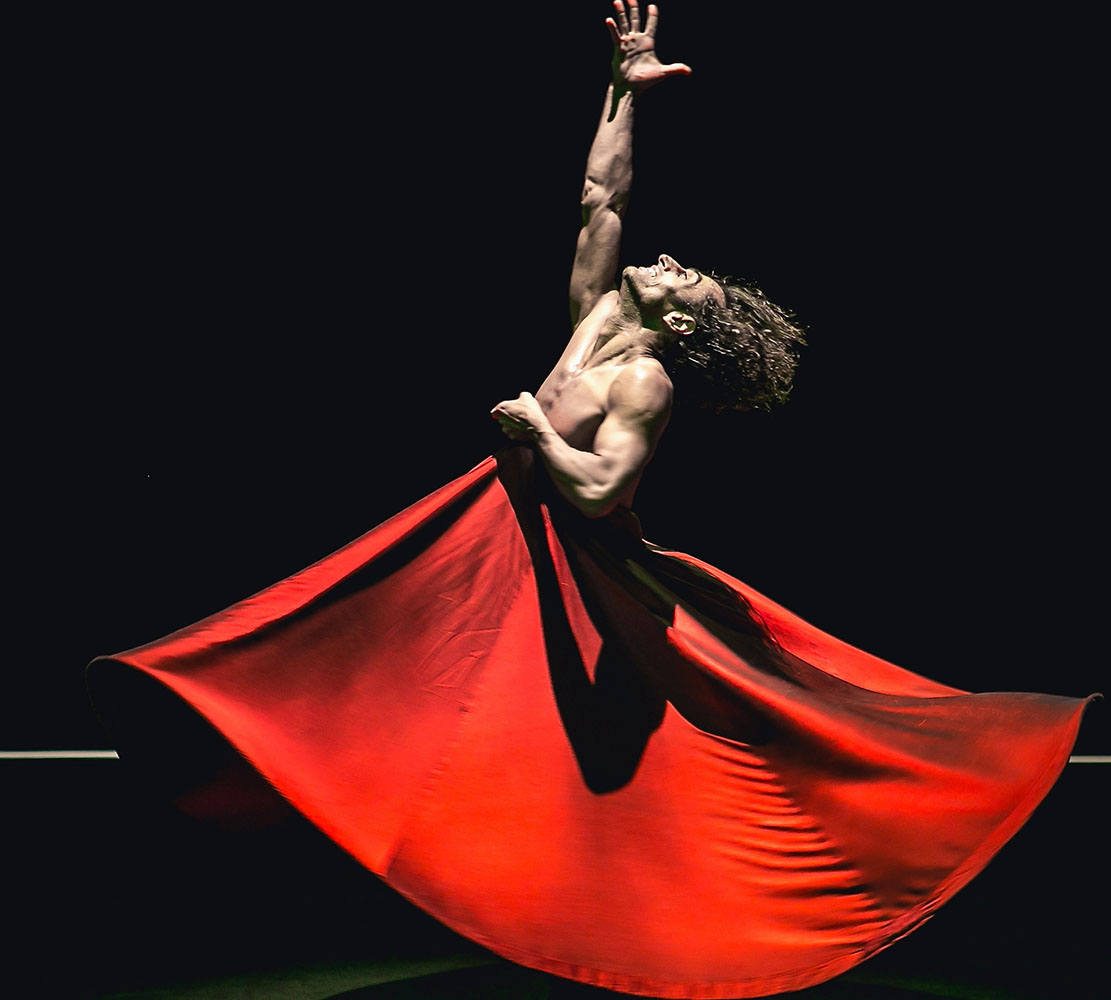
(Photo by Mateusz Bral © Dervish in Progress)
Through continuous spins and unusual physical conditions, such as dizziness and disorientation, normal perception is modified. Azazi explains that under the high pressure exerted on the body during Sufi whirling, the normal sense of vision is lost, and the dancers have to seek balance from within. This inner search becomes part of the spiritual experience.
Azazi emphasises the inner dimension in which transcendent states can be achieved. Paradoxically, the body is used to overcome the physical, and the whirlings in Sufism offer a much broader perception of the enlightenment which can be reached. For Azazi, the body is a tool for overcoming ordinary reality. ‘When the self becomes less heavy, one can sense life as a bigger field.’
What Dance Offers Us as Individuals and as a Society
When asked about the role of dance, Dr Paula Guzzanti Ferrer, Head of the Dance Department at the University of Malta, explains how dance can combine the emotional, the physical, and the mind. Modern life often views movement as something purely functional, but dance can reduce the separation between body and mind. She explains that a major part of dance is acceptance. Through dance, individuals can learn how to accept natural physical processes, such as ageing and sickness. As Guzzani Ferrer puts it: ‘The body can be a source of wisdom. Through it we learn acceptance and reconnect with essential aspects of life such as ageing, illness, our social needs, creativity, and spiritual development.’
For Azazi and Guzzanti Ferrer, dance goes beyond physical activity. While Azazi emphasises the connection with God through the overcoming of physical boundaries, Guzzanti Ferrer explains the transformative power of embodied experience. In the latter case, the body and mind are linked, while in the former, the body and the divine are.
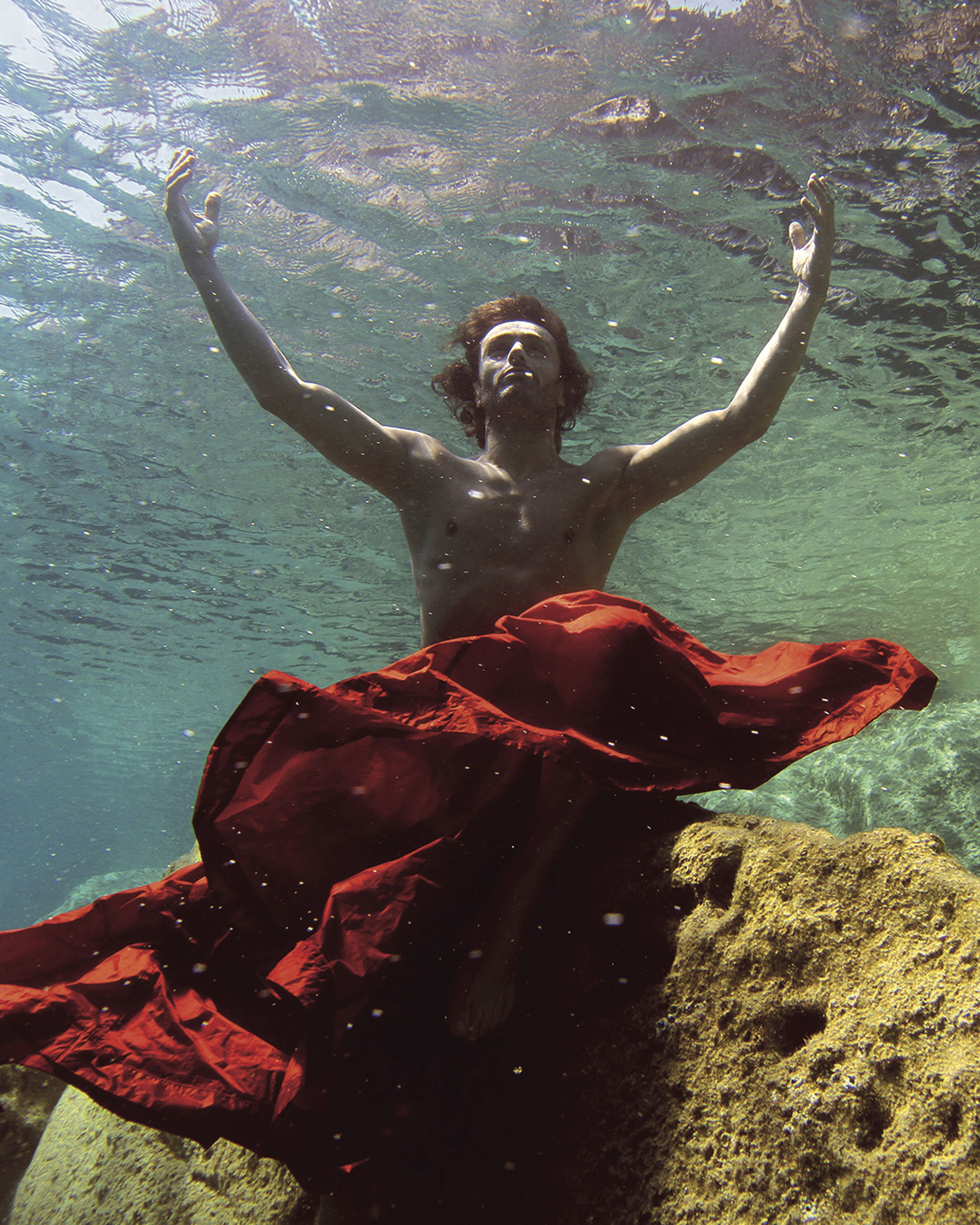
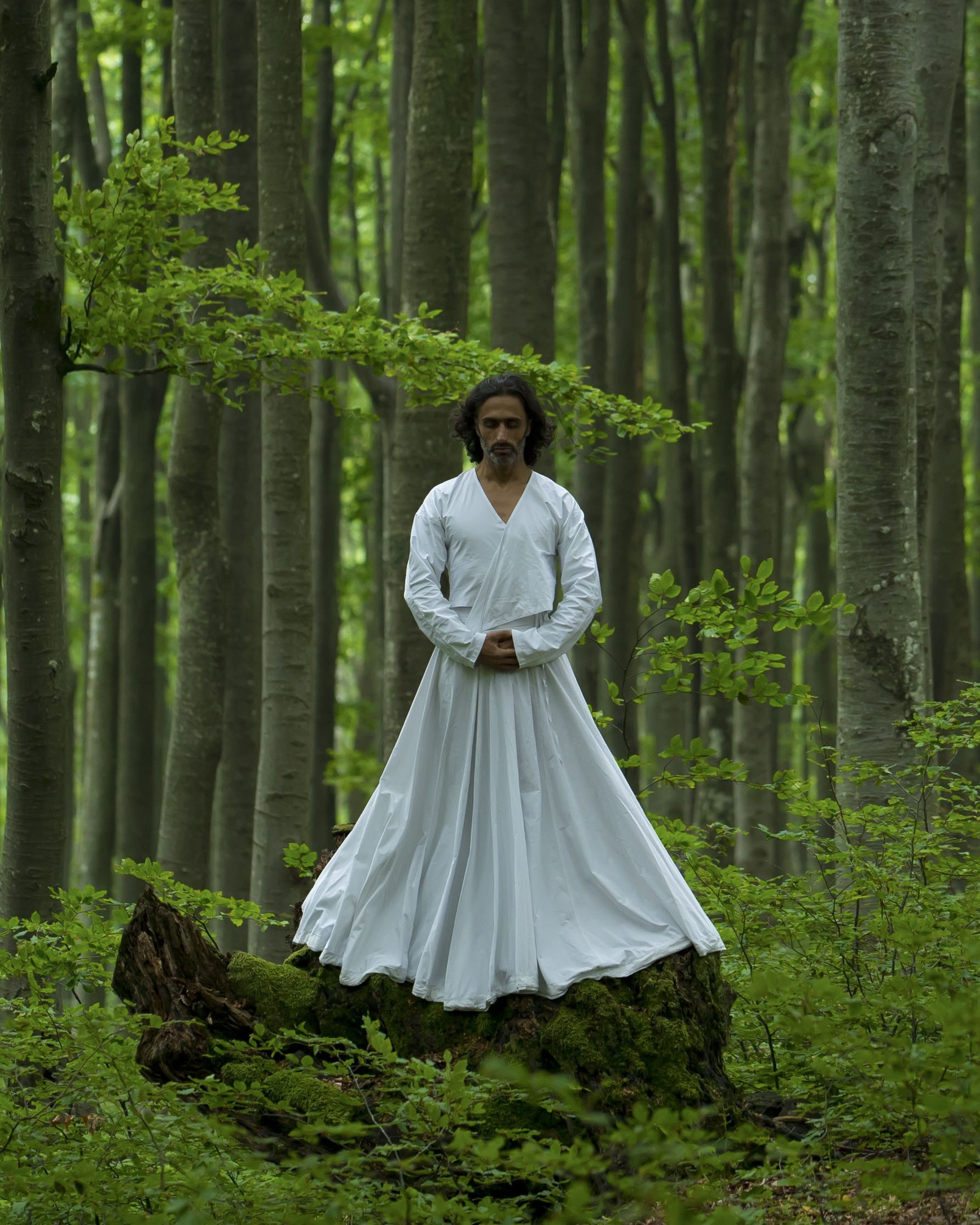
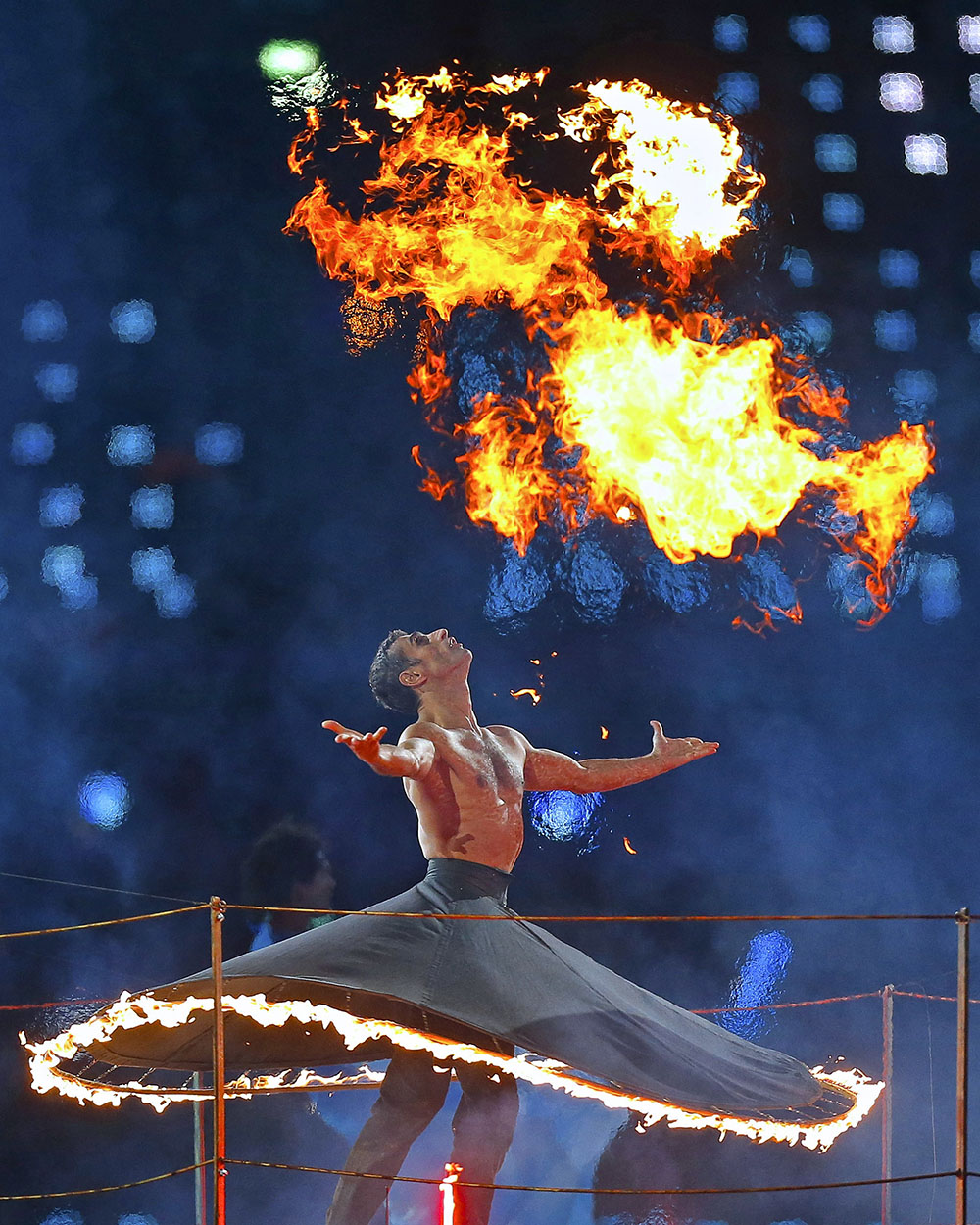
Azazi practising Dervish whirling in various settings, including at the Opening Ceremony for the 2012 Paralympics in London
(Photos from left to right by Şafak Türkel, Stefan Sterev, and Matt Dunham © Dervish in Progress)
Both argue that dance is a social force through which a community can be built. Azazi explains that the whirlings restore the regulation of the human system, particularly of the nervous system. This regulation allows humans to be more open to others, strengthening feelings of connection. In this way, people rediscover what is truly important: relationships, intuition, and emotion – qualities that are often lost in a world that focuses on rational thought above all else. A study conducted by Master’s student Keren Harel at the University of Haifa supports this, showing that whirling regulates the sympathetic and parasympathetic nervous systems. At the same time, participants simultaneously reported respect, care, and generosity toward others during the experience.
For Guzzanti Ferrer, the integration of the body through dance carries political and societal significance, especially in times of segregation and division of societal groups. ‘Dance can foster genuine connection and empathy, while facilitating creative processes within communities and supporting social integration and community building. It also offers artistic ways of learning and connecting people in educational contexts. After the disruptions caused by COVID-19, it became clear how deeply the absence of physical practices affects our well-being. Dancers, therefore, can help articulate the need to reintegrate the body into our social and cultural lives.’
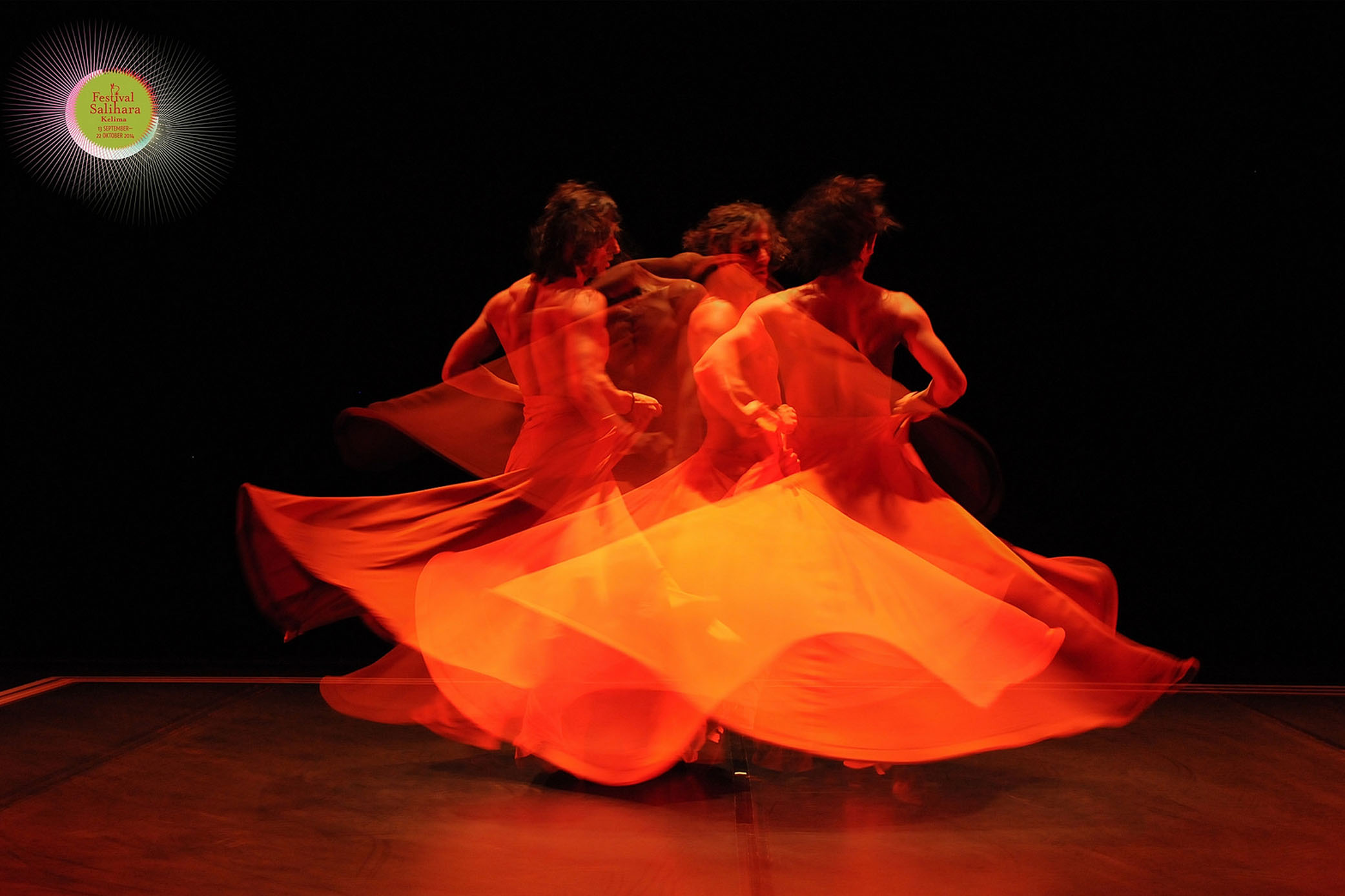
A holistic understanding of dance reveals its transferable skills across different fields. This is echoed by a study by Cakmak et al., which shows at the neurological level that long-term whirling changes the brain regions linked to self-perception. This suggests that dancing can shape how we perceive ourselves in relation to others, potentially making ourselves more open to connection.
Bringing it Together…
Dancing can lead to life-changing experiences, whether it’s alone at home while drying the dishes, with friends at the club, or in religious ceremonies. Dancing breaks down our inhibitions and the boundaries between one another, and serves as a bridge to the divine. Whether you are aiming to connect with the divine, or you just want to understand your body and yourself better, give dancing a whirl and see how your perception can shift.
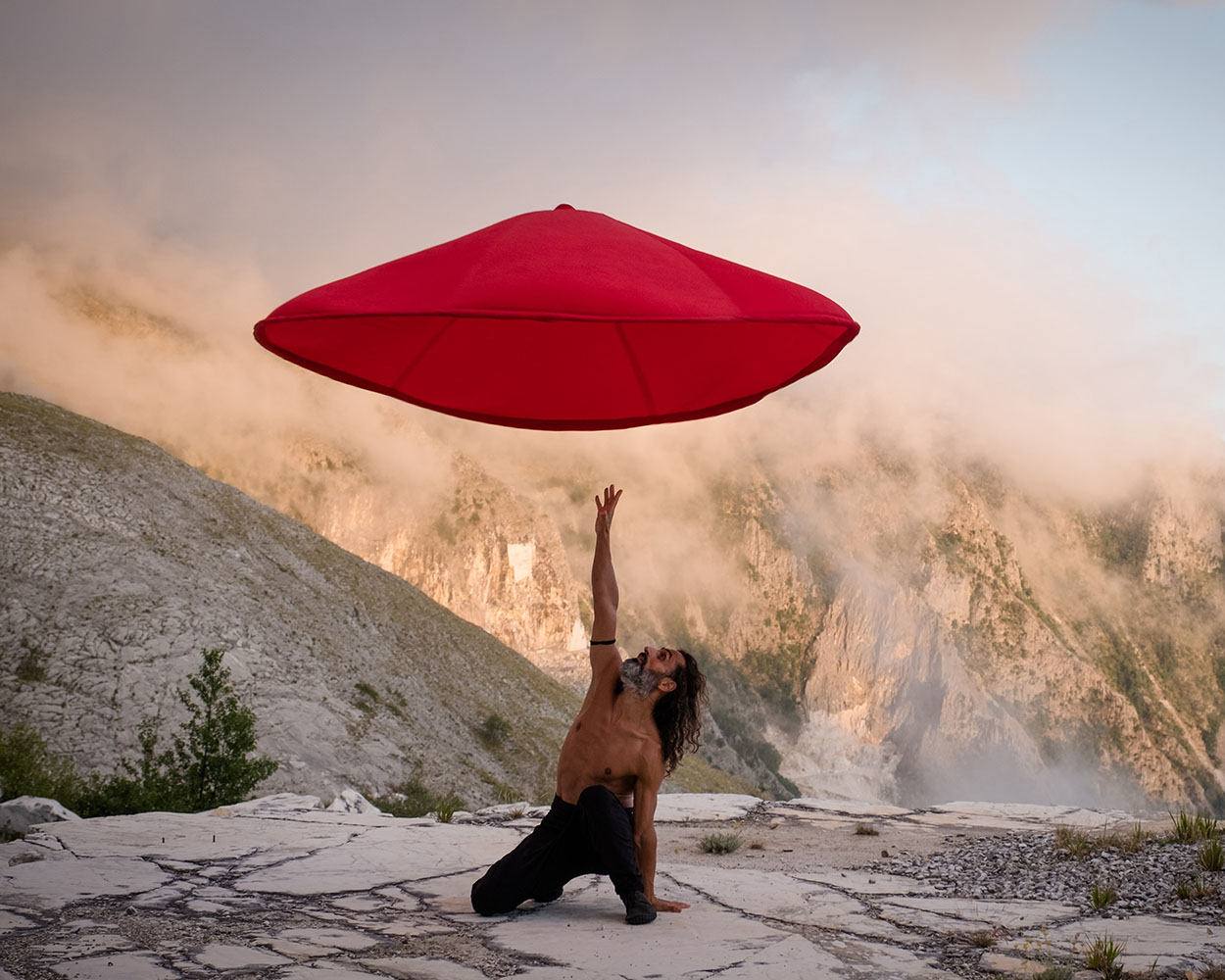
Azazi describes Dervish in Progress as an artistic tool that draws you back to nature – a place where knowledge and intuition come together to mobilise the body, mind, and emotions (Photo by Tony Lamanna © Dervish in Progress)
Further Reading
Baldock, John. (2005). The essence of Rumi. Eagle.
Bilqies, S. and Kashmir, J. (2014). Understanding the concept of Islamic Sufism. Journal of Education & Social Policy. https://jesp.thebrpi.org/journals/Vol_1_No_1_June_2014/9.pdf
Kreinath, J. (2026). Bodily sensations of a whirling Dervish dancer: The art of synesthesia in the work of Ziya Azazi and its veiled aesthetics of an Islamic Mysticism. In S. Kuehn (Ed.), Art, aesthetics, and Islamic Mysticism (pp. 69–121). Palgrave Macmillan. https://doi.org/10.1007/978-3-032-09956-3_2


Comments are closed for this article!