

The skin barrier normally acts like a brick wall, keeping moisture inside and harmful substances out. In eczema, some of the ‘bricks’ are missing, making the wall weaker and more permeable to irritants. Under the supervision of Prof. Renald Blundell, Amber Baldacchino tells THINK about the reality of dealing with eczema.

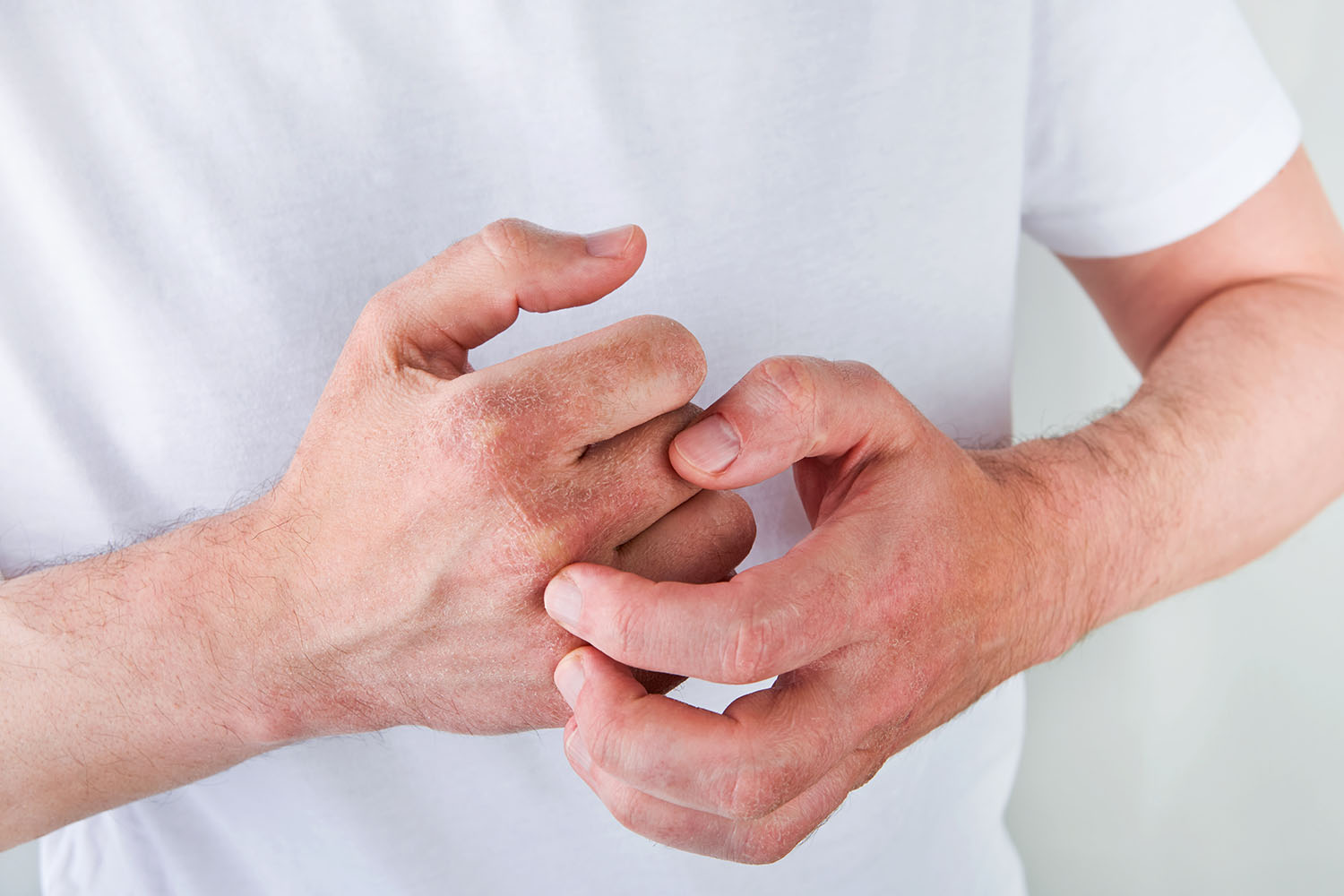
It often begins with a simple itch. At first it seems harmless, but scratching only makes it worse. The skin becomes red, dry, and irritated, and the itch returns again and again. For people living with eczema, this cycle can quickly become part of everyday life.
Eczema, a long-standing inflammatory skin condition, affects millions of people and often begins in childhood, although it can develop at any age. While many people think of eczema as simple dry skin, the condition is far more complex. It develops when a combination of genetic, immune, and environmental factors weakens the skin’s protective barrier. When this barrier is compromised, moisture escapes more easily and irritants or allergens can enter the skin, triggering inflammation and discomfort.
The Many Faces of Eczema
Eczema is not just one condition but a group of related disorders.
The most common type is atopic dermatitis, which often appears during childhood and is frequently linked to a family history of allergies, asthma, or hay fever. It occurs when the skin barrier does not function properly, allowing irritants to penetrate the skin and trigger inflammation.
Another form is contact dermatitis, which develops when the skin reacts to substances it touches. This can occur in two ways. Irritant contact dermatitis happens when chemicals or harsh substances directly damage the skin barrier, for example through repeated exposure to cleaning agents or frequent handwashing. Allergic contact dermatitis, on the other hand, occurs when the immune system mistakenly identifies a harmless substance, such as nickel, fragrances, or certain chemicals, as a threat and triggers an inflammatory reaction.
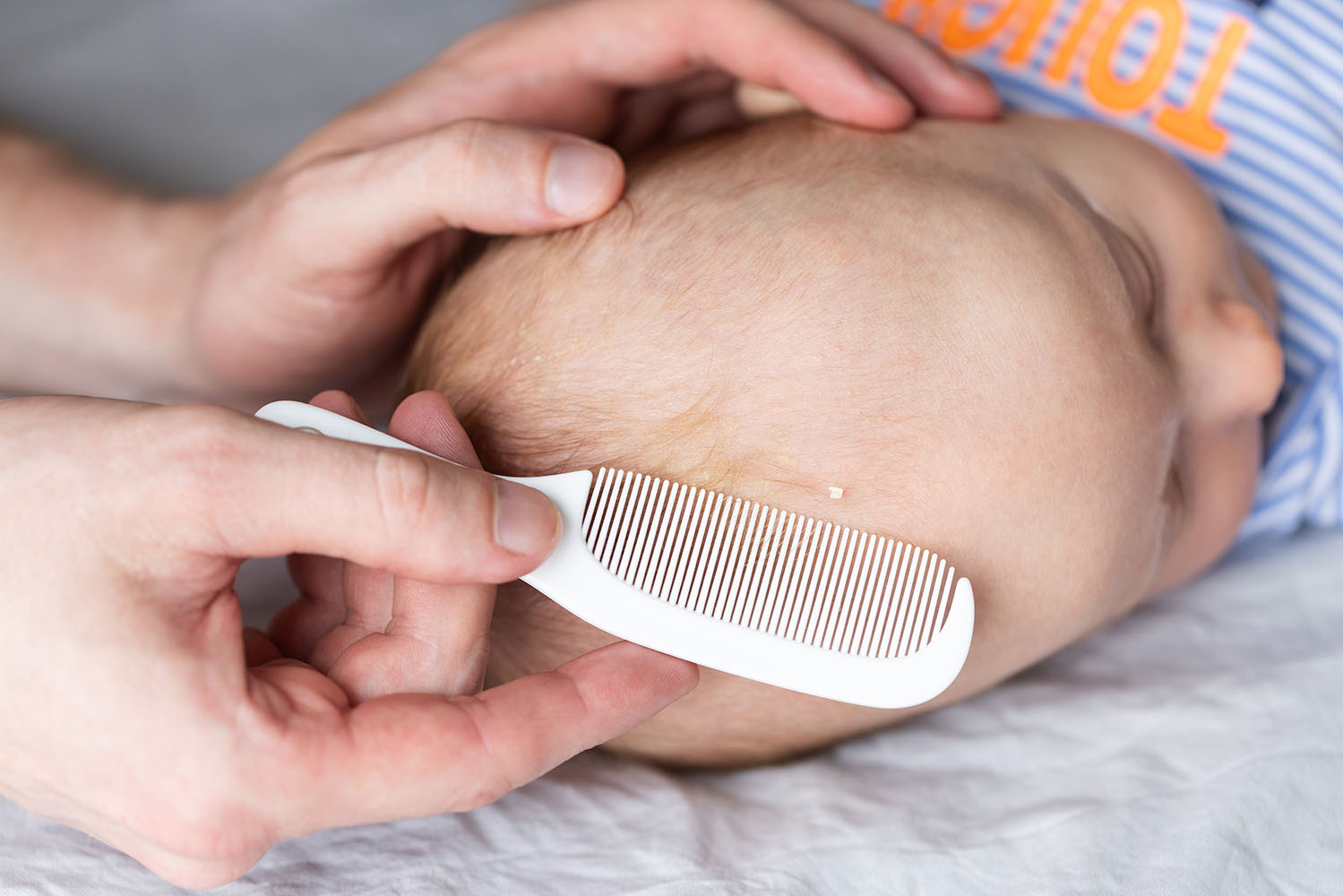
A third type is seborrheic dermatitis, which usually affects oily areas of the skin such as the scalp, face, or chest. In babies, it appears as cradle cap, while in adults it often develops in cycles. This form of eczema is linked to a naturally occurring yeast on the skin called Malassezia, which can trigger inflammation in certain individuals.
Why Eczema Flares Up
Flare-ups often occur when external triggers disturb the skin barrier.
Stress is one of the most common factors. During periods of stress, the body releases hormones such as cortisol, which can increase inflammation and make the skin more reactive. Everyday products can also play a role. Harsh soaps or cleansers may strip away the skin’s natural oils and protective microbes, leaving it more vulnerable to irritation. Clothing and friction can also contribute. Rough fabrics or synthetic materials may irritate sensitive skin, particularly when combined with sweating. Even weather can have an effect. Cold, dry air can dehydrate the skin, while heat and humidity may lead to irritation through sweating.
Managing the Condition
Although eczema cannot currently be cured, many treatments can help control symptoms and reduce flare-ups. Regular use of gentle moisturisers helps repair the skin barrier and maintain hydration. Anti-inflammatory creams, such as topical corticosteroids or calcineurin inhibitors, are often used during flare-ups. In more severe cases, treatments such as phototherapy, oral medications, or biologic therapies may be recommended. Lifestyle adjustments can also help. Managing stress, avoiding known irritants, wearing softer fabrics, and using lukewarm water when bathing can make a noticeable difference.

Eczema may be a chronic condition, but it does not have to control a person’s life. Understanding triggers, caring for the skin barrier, and seeking professional advice when symptoms persist can all help reduce the burden of the disease. If itching, redness, or flare-ups become difficult to manage, consulting a dermatologist is an important step towards finding the most effective treatment and improving quality of life.




Comments are closed for this article!