
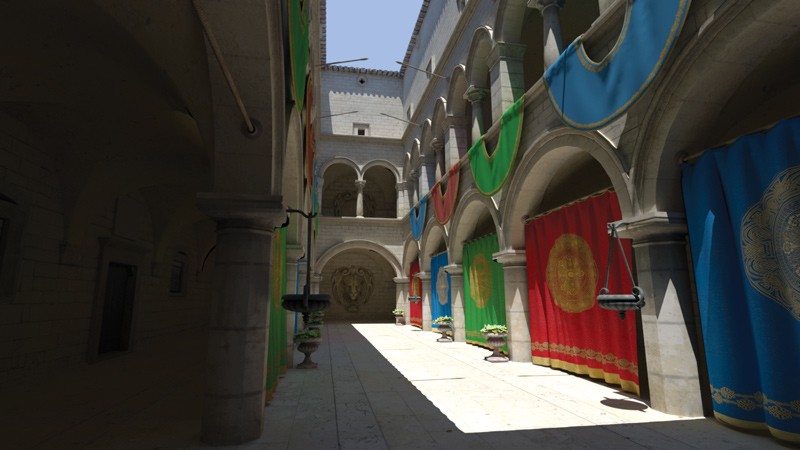
Dr Kurt Debattista shares his passion for computer graphics
In 2003, I left Malta for the UK to pursue a Ph.D. in Computer Science and am now an Associate Professor at the University of Warwick. I specialise in the area of computer graphics — simply put: the generation, manipulation, and display of images using computational resources.
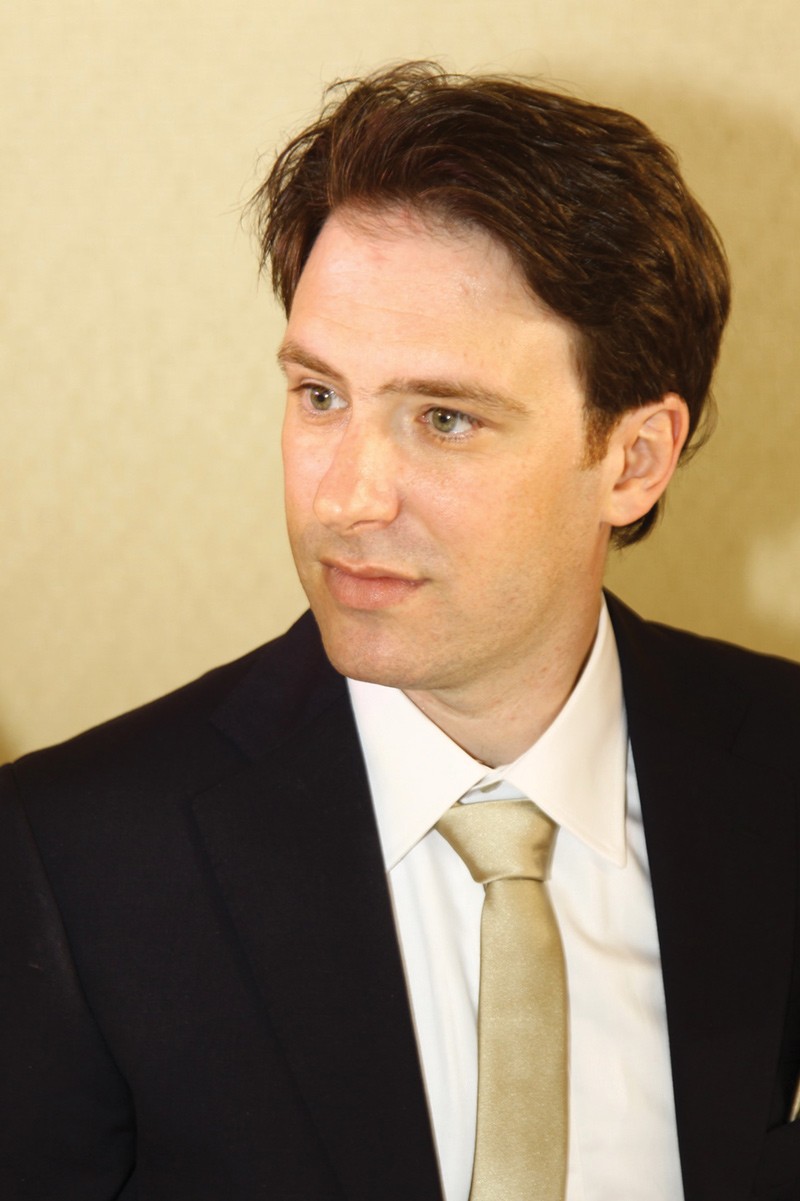
During my bachelor studies in Mathematics and Computer Science (University of Malta), I experimented with computer graphics for my undergraduate project. After graduating and working at IT Services (then Computer Services Centre) for a couple of years, I took up a post as Assistant Lecturer at the Department of Computer Science and AI; during this period I taught computer graphics and completed an M.Sc. in parallel computing (supervised by Dr Kevin Vella), which gave me the first glimpse into conducting research and publishing. These skills served me well throughout the rest of my career.
My Ph.D. at the University of Bristol was supervised by Prof. Alan Chalmers, who was vice-president of ACM’s SIGGRAPH, the largest special interest group of computer graphics professionals. My research focused on physically-based rendering, which is the process of generating realistic images by simulating the lighting in a virtual environment; such simulations can take a substantial amount of time to compute. I worked on how limitations in the human visual system can be exploited to speed up the computation of physically-based images. My approach was to reduce the rendering accuracy of simulations in unimportant parts of an image.
While I thoroughly enjoyed my Ph.D., the most beneficial part of it was working with other students and researchers on all aspects of computer graphics. It gave me a broader understanding of the subject. I spent another year in Bristol as a Research Fellow. During this time, my research focused on accurate and efficient renderings of buildings for architects in collaboration with the University of Manchester.
In 2007, I joined the University of Warwick as an Assistant Professor to form part of the newly established International Digital Laboratory that brought together a large number of disciplines including engineers, computer scientists, psychologists, mathematicians, and healthcare specialists, all to promote research in applied computing. In 2008, Prime Minister Gordon Brown officially opened the laboratory.
My main focus is research, which is grounded in helping solve real world problems with academic rigour. This has given me the opportunity to explore different aspects of computer graphics and its applications. The varied research projects include designing new fundamental algorithms to simulate lighting and applications of computer graphics methods for use in industry and society; for example the technology has been implemented in serious games, and used by civil engineers and manufacturing companies to improve design and simulation. I have also filed a number of patents and co-founded a spin-out for the university, focused on enabling the capture, storage and display of high dynamic range content.
As an Associate Professor, I help prepare the next generation of researchers. I currently supervise nine Ph.D. students and have supervised three others who now work for academia and industry.
The future for computer graphics is bright, we are still a long way off from simulating the real world accurately. It should keep me busy enough until I retire.




Comments are closed for this article!