
By Dr Ing. John C. Betts
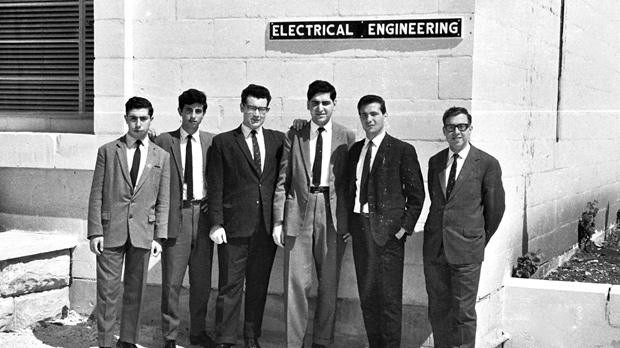
If there is one constant in engineering, it is change, and the very nature of the profession demands a belief in research-driven change which is powered by creativity and the competitive desire for innovation. The students of the first year of entry, 1963, are greatly outnumbered by the present day cohort but postgraduate student research is the greater cultural change within our Faculty. In 1988, the unmarked 25th anniversary, practically no engineering research was performed, and the Faculty focused on teaching undergraduates only. The situation has changed beyond anyone’s expectations. Research lab facilities are of an international standard, and Faculty members regularly take part in multi-million euro projects. Last November, these collaborations helped the Faculty present a compilation of over 122 peer-reviewed papers from the last 21 months to President George Abela.
In the coming years we plan to exceed this output as our research projects mature and develop. New fields are being explored, and collaborations with industry, with foreign institutions, and perhaps most importantly, with other professions are being cemented – our endeavours in bioengineering (check The Bionic Human pg. 18) are particularly noteworthy.
University needs more funding to achieve operational sustainability and attain a critical mass of researchers, a requirement which has not matched the dedication of researchers, which in some cases is of lifetimes, and which has received little recognition outside of University. Frequently it is seen as an individual choice or sacrifice rather than a national or public decision.
Over its 50 years, the degree has consistently and successfully provided engineers with the skills to drive the technological infrastructure of society. From aeroplanes to mobile phones engineers are essential, but apart from these infrastructures technology needs to be driven forward. Progress can only come through research, and teaching research skills to our students. A successful degree is not attained by the stagnant memorising, compiling, and delivering of facts, but by dynamically questioning them and that is what research is all about.




Comments are closed for this article!