

It is fair to say that our perceptions of what is the norm have changed drastically since 2020. Simple things like going to the shops became a daunting task, predetermined by the mask you had to wear, the amount of sanitizer you carried with you, the application of alcohol rub as soon as you entered, and being watched by eagle-eyed supervisors to ensure social distancing was in place. Gone were air-kisses or hugs when you met a friend, substituted by a cursory elbow thump, if that.
Thankfully, we finally seem to be staggering towards a light at the end of the tunnel. This is not to say that the pandemic is over, more that as symptoms and deaths have subsided, the acceptance that this is just another thing we have to live with has emerged.
It may be controversial to say, but the silver lining — for Malta especially — has been to push different generations and demographics into a more digital world, from companies realising that ‘remote working’ is a viable option without reducing productivity, to my 92-year-old grandmother in the UK learning to use a smart phone to keep in touch with family here in Malta.
We had to change how we did everyday things. As a society, we were not ready for all the changes that ensued, but looking back, I am amazed that we have come as far as we have in a relatively short span of time. If anything, the pandemic has brought about a more flexible structure when working, shopping, and also learning.
The education/training landscape has been one of the most drastically hit by the changes brought about by the pandemic. Although distance learning has been around for a very long time, the idea of remote learning on a national front was not popular — nor even available in most cases. There are various reasons for this stemming from people’s nature to be reticent to change, difficulty adapting to new technologies, or the outdated idea that people need someone breathing down their neck to ensure good work or good marks in courses. As many of us know, this is not the case, and often giving people the freedom to work or study in their own time can yield better results. Almost overnight, video conferencing software and platforms transformed how courses and training were being given, and this has given people who otherwise would not have chosen a digital path the chance to explore new opportunities and further their knowledge through online courses and life-long learning opportunities.
Nowadays, online courses and blended/hybrid learning have become the norm for many — and not just the tech-savvy. We are able to connect with people, continue studies, and provide life-long learning opportunities to many who may not have had the opportunity before due to economic, social, and transportation issues. Malta University Consulting, for example, offers a number of courses, ranging from understanding autism to business classes, to facilitate personal and professional growth.
Even though we’re still coming to terms with the new norm, our education, whether it’s online, in-person, or hybrid, remains as important as ever.
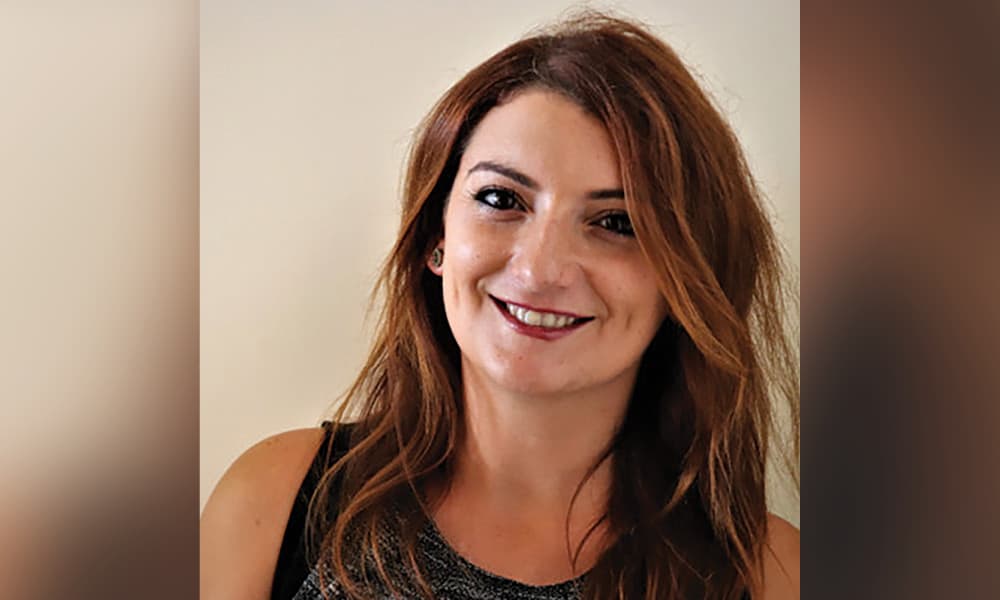
Victoria Vella is a Consulting and Training Executive with Malta University Consulting
For more information, visit our website Courses – MUC (maltaconsulting.mt), or contact us on trainingservices@muhc.com.mt CALL FOR ACADEMICS: Should you wish to become a trainer and partner with MUC to deliver courses in your chosen expertise, kindly contact Victoria on trainingservices@muhc.com.mt




Comments are closed for this article!