
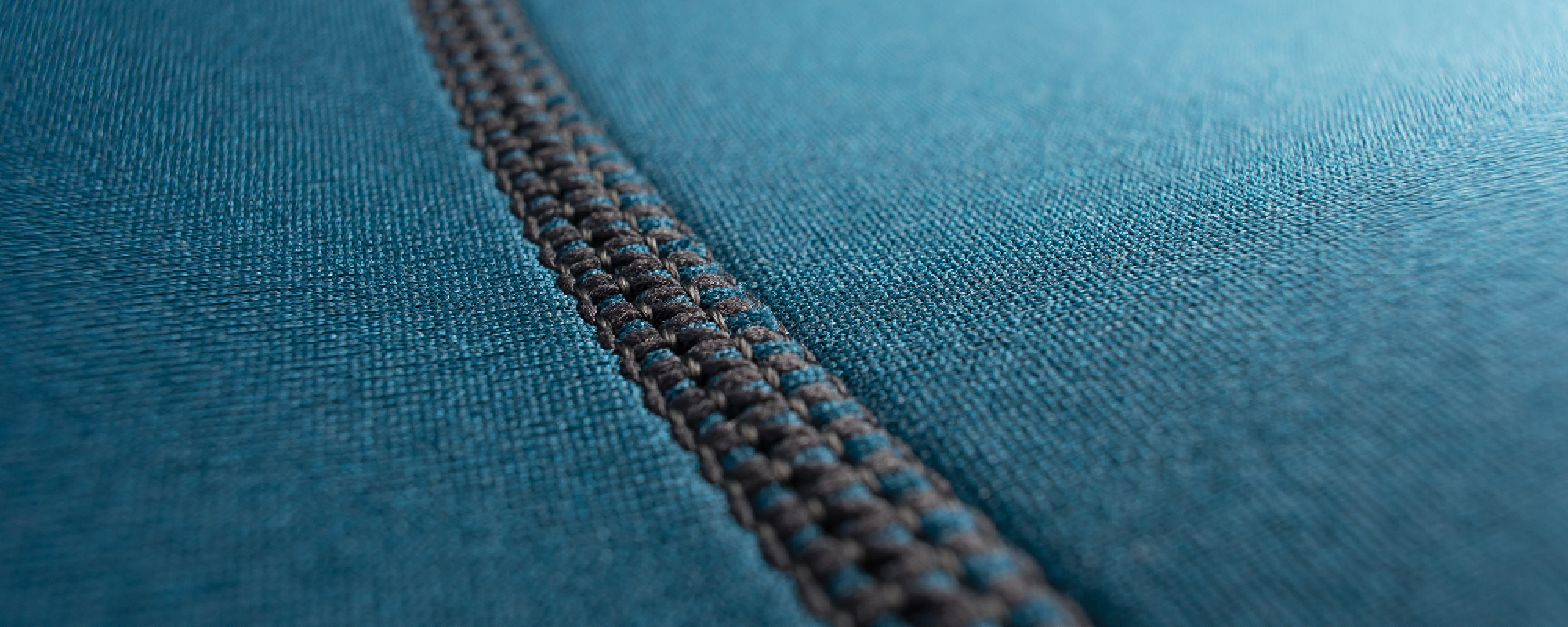
The term ‘seamless,’ adopted from fabric or surface production, refers to non-visible gaps or spaces between materials. In education, ‘seamless’ is quite analogous, as it refers to smoothed transitions in a student’s educational voyage. But are these seams strong enough?
The first transition of a child following the entry to childcare (which is itself a transition) is from childcare to kindergarten, but strategies to link the two are non-existent. We tend to undervalue the ‘education’ that is provided in childcare, possibly due to the name of the service, which in no way refers to education. Even the fact that childcare provision falls under a separate entity within the ministry may portray it as a separate institution without an educational focus.
The second transition in school life is between the kindergarten and the primary school years. Here we can speak more favourably about a seamless transition, as very often the student will not change school, having the kindergarten and primary classes housed in the same building. Educators in kindergarten and primary are colleagues, and ongoing communication enables them to compare programmes and smooth the transition.
The most difficult transition comes at the end of the primary cycle with the benchmark of final exams, followed by entry into secondary schools. The most significant aspect is the change in school. Very few state schools (as well as non-state schools) house primary and secondary classes in the same building. A change in school, a change in management, and a change in educators may have a considerable effect on students. Schools which house both primary and secondary education within the same building or within the same school community provide a better transition. Communication between primary and secondary schools needs strengthening. Having a file transferred from one school to another is beneficial, but having communication between primary and secondary school educators will bridge the gap towards a smoother transition.
The recent introduction of middle schools within state schools faces the same problem. Students have to change school premises, management, and educators in a similar transition to the previous one. Yet given that there is a continuation in the educational programme, the gap is less severe.
A seamless educational transition builds upon the achievements of the previous cycle through a strategy which sees all cycles synchronised to provide ongoing education to students without gaps. Ensuring a seamless educational transition requires dialogue and coordination, and this is where we may be lacking in some areas more than in others.



Comments are closed for this article!