
Education is a word we are constantly bombarded with. After sitting for hundreds of exams, having read thousands of notes, spent endless nights fighting with coffee machines and sticky notes, you probably know the hardships of our education system. However, education is much more than books and lectures.
Education is a way of life. It changes us and can bring out our potential. Our University is the place we all come to learn, work, and ultimately spend most our time. Be it students, staff members, academics, or researchers, it is of utmost importance for us all to be in line with why we are all here, to nurture education and develop our society’s future.
The University has been growing rapidly in the past decade. Construction is ongoing, labs are being renovated, and the number of postgraduate courses and doctorates has grown exponentially. Naturally, research has spiked up too, and the UoM is also spearheading a few world-class projects.
Why am I putting so much importance on research? The answer is simple. Without research Malta can never make a leap forward to improve our quality of life. The main aim of research is always that of identifying and exploring new knowledge that will ultimately make our world a better place.
Locally, researchers are not just donning white lab coats. Maltese researchers are diving deep into Mediterranean waters to explore native aquatic species, some are crawling face down in garigue environments to investigate local flora and fauna, while others are breaking new grounds to find the Maltese genetic components responsible for cancer and other deadly diseases.
Students perform research for their dissertations (see the student section of Think). This is when a student will first experience hands-on research. A university supported to conduct top research is necessary to give students more real-world research opportunities. Encouraging a research mentality within the early stages of the University experience is essential to foster a lifetime commitment towards our alma mater.
Unfortunately, the biggest obstacle in research is funding. This problem is worldwide. But whilst other countries have already made substantial efforts to fight this problem, locally we have just started to get the ball rolling to instill the much needed awareness and culture around research funding.
Investing in research is essential and we are seeing an initial good response from society. People are slowly starting to realise that through research we are not only creating a hope for future generations, but we are also aiding the education of our children and helping our country’s socio-economic well-being. In the past year we have managed to raise important funds for cancer and kidney research, and other important causes.
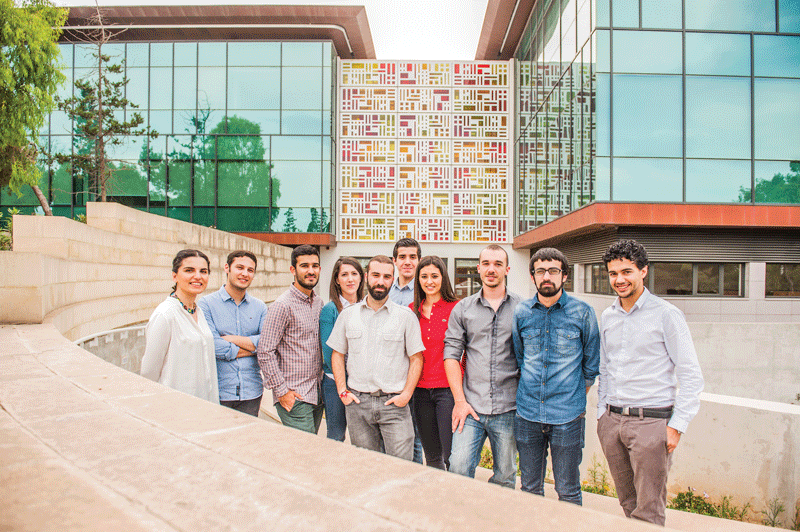
The University Research Trust’s latest initiative, in collaboration with the KSU, is a project whereby students can directly donate funds towards research within their faculties. Dubbed as the UoM Caution Money Scheme, this initiative lets final year students from the Faculties of Engineering, ICT and Sciences donate their laboratory caution money towards research projects and equipment in their faculties. Ten students, who decided to set an example for their peers to follow, launched this scheme during an annual KSU event, showing that everyone can contribute towards research at University.
We are now encouraging all final year students from these faculties to follow suit and also contribute towards research. Malcolm Zammit, one of the students who already donated the money appealed to his peers saying, ‘This small deposit we had left in our first year is negligible when compared to the amount that the University has invested in all of us. Today, I feel it my natural duty to give something small back to this place which has given me so much.’
The initiative has also encouraged other student organisations to donate. ELSA has just given the Research Trust some funds for University research. These initiatives are all helping towards fostering more awareness and funding so that together we can continue leaving a tangible impact on our campus and society.
Photography by Sean Mallia



Comments are closed for this article!